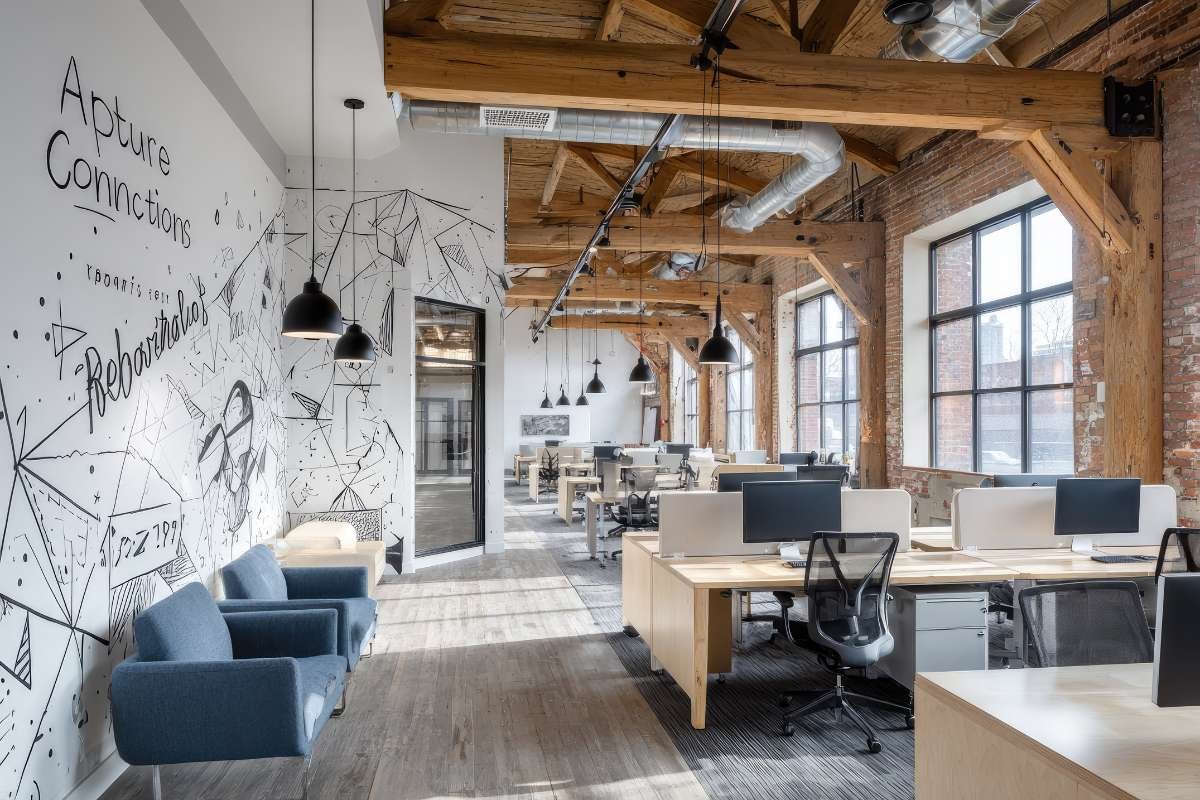
Office walls do more than fill space. They shape focus, first impressions, and how people feel during long workdays. Paint is familiar, yet it rarely adds depth or identity. If you want a faster shift with a more finished look, Wallhue is a practical starting point.
Wallpaper is still underused in offices. That is surprising, since it can combine branding, texture, and durability in one move. This guide shares office wall design ideas, plus planning tips that reduce downtime and keep the result looking intentional.
Why Office Wall Design Matters in Business
Walls are the largest visual surface in most workplaces. When they look deliberate, the office feels more organized. When they look tired, the whole space can feel temporary.
The Impact of Physical Space on Productivity and Focus
People process visual input all day. Busy walls can increase mental fatigue. Harsh, flat walls can feel sterile under bright overhead lighting.
Match wall energy to the task. Quiet work zones benefit from low contrast. Team zones can handle more patterns and motion. The right wall finish can reduce visual noise and support attention.
Office Design as an Extension of Brand Identity
Clients form opinions quickly. A reception wall can signal confidence, care, and quality in seconds. A mismatched wall can dilute your message, even with good service.
Brand identity lives in color, tone, and detail. Wallpaper can carry those cues without extra signage or clutter. Done well, it makes the brand feel present, not forced.
Employee Experience and Workplace Culture
Hybrid work raised expectations. People come to the office for connection and shared momentum. A thoughtful space supports that purpose.
Employees notice when leadership invests in comfort and clarity. Defined zones and finished surfaces can reduce friction. Over time, that can support morale and retention.
Wallpaper vs Traditional Paint in Office Environments
Paint remains the default because it feels simple. Wallpaper offers different advantages. The best choice depends on traffic, branding needs, and how often your space changes.
Visual Impact and Customization
Paint gives you color, yet limited dimension. Wallpaper adds texture and pattern, which can make a room feel more premium. It also helps create feature walls with consistent results under varied lighting.
Customization matters in offices. Wall heights vary. Doors and built-ins break up surfaces. A tailored fit can reduce awkward seams and wasted material.
Cost, Maintenance, and Longevity Considerations
The upfront price is only one part of the cost. Downtime, labor, and refresh cycles often matter more. Paint can scuff quickly in corridors and shared rooms. Touch-ups can flash under office lighting.
Compare these factors before you decide:
- How fast marks show in high-traffic areas
- How easily the surface wipes clean
- How noticeable repairs look over time
- How often the wall needs a refresh
- How much downtime the space can tolerate
In many offices, durable wallpaper reduces repeat work. That can lower disruption across a year.
Flexibility for Growing and Evolving Businesses
Teams expand and layouts shift. Wallpaper can still work if you plan it as a system. Use feature walls where change is likely. Keep other walls more neutral and consistent.
If your brand evolves often, consider removable options in select zones. Use tougher finishes in corridors. This mix keeps flexibility without sacrificing durability.
Inspiring Office Wall Design Ideas Using Wallpaper
Different areas need different signals. Use wallpaper to support how each space functions. Aim for clarity first, then style.
Branded Feature Walls for Reception Areas
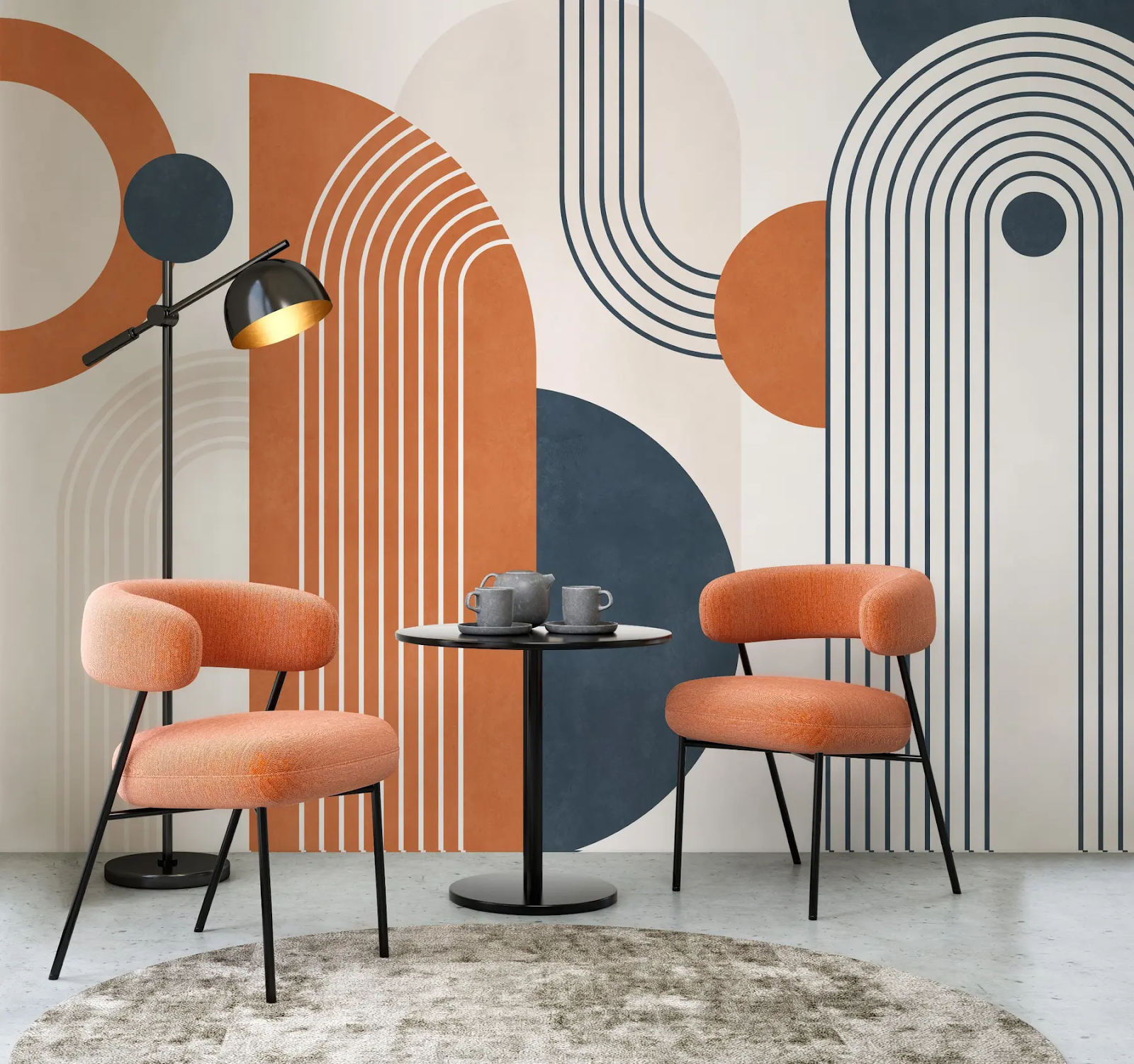
Reception is your first handshake. A branded office wall design can communicate confidence without clutter. Keep it readable and controlled.
A reliable approach looks like this:
- Pick the wall visitors face first
- Use brand colors in a limited palette
- Leave clean space for signage or a logo mark
- Add even wall-wash lighting
- Keep nearby décor minimal and consistent
Avoid overly detailed prints in reception. Visitors need one clear focal point.
Subtle Textured Wallpaper for Executive Offices
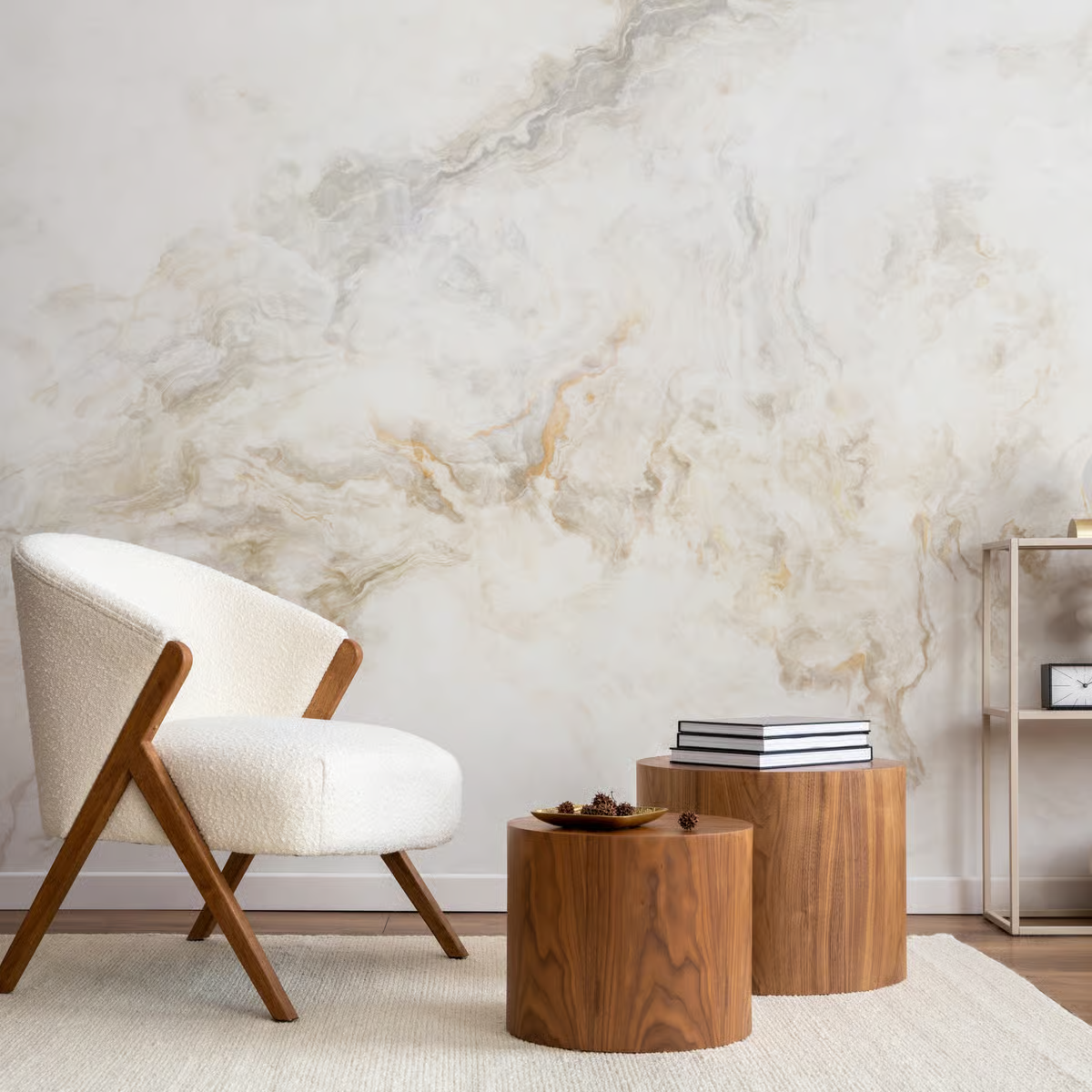
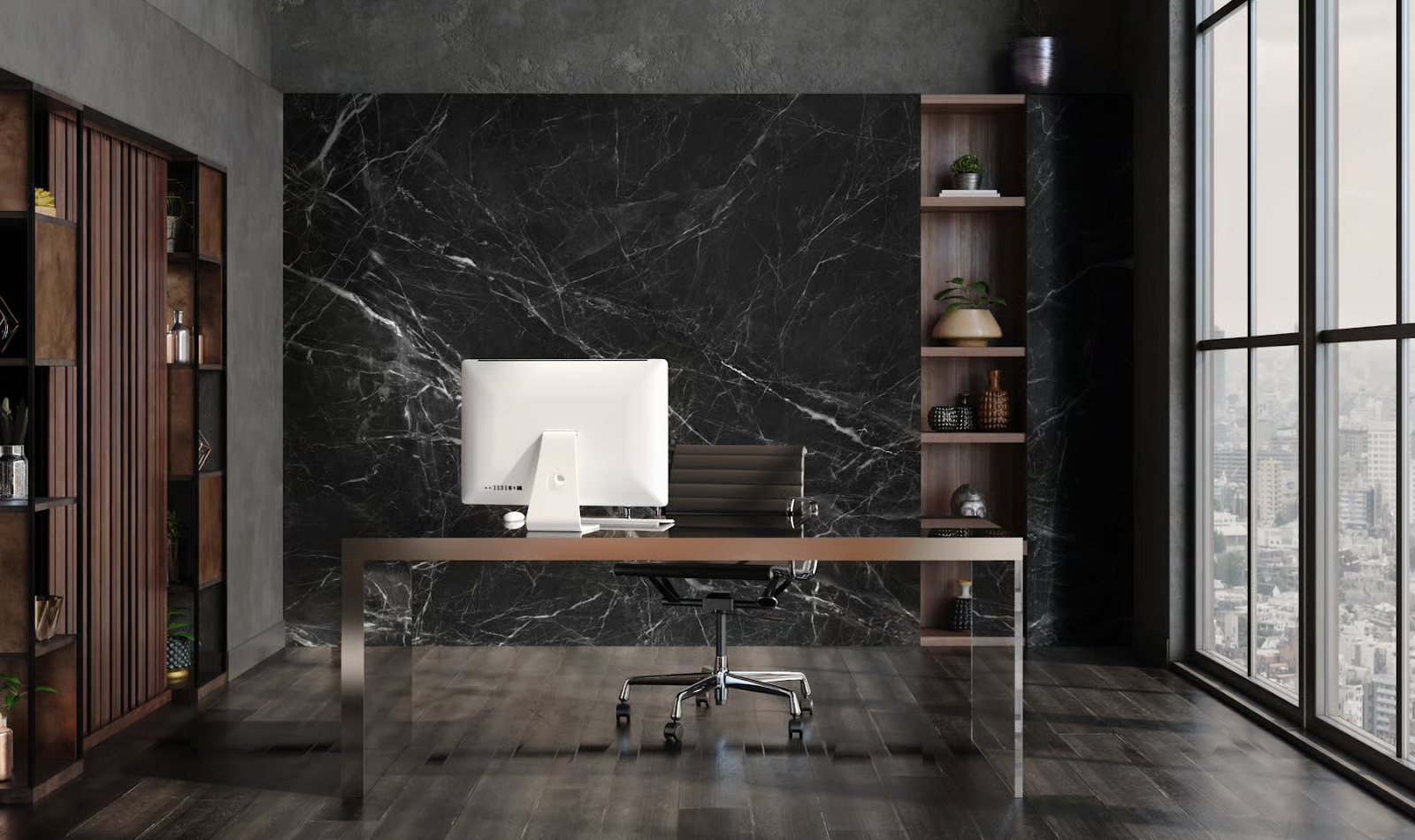
Executive offices often need calm authority. Texture adds depth without distraction. It also reads well on video calls.
Choose linen-like finishes, soft woven looks, or low-contrast geometrics. Keep the palette restrained. Warm neutrals and muted deep tones tend to look composed.
Motivational Patterned Wallpaper for Team Spaces
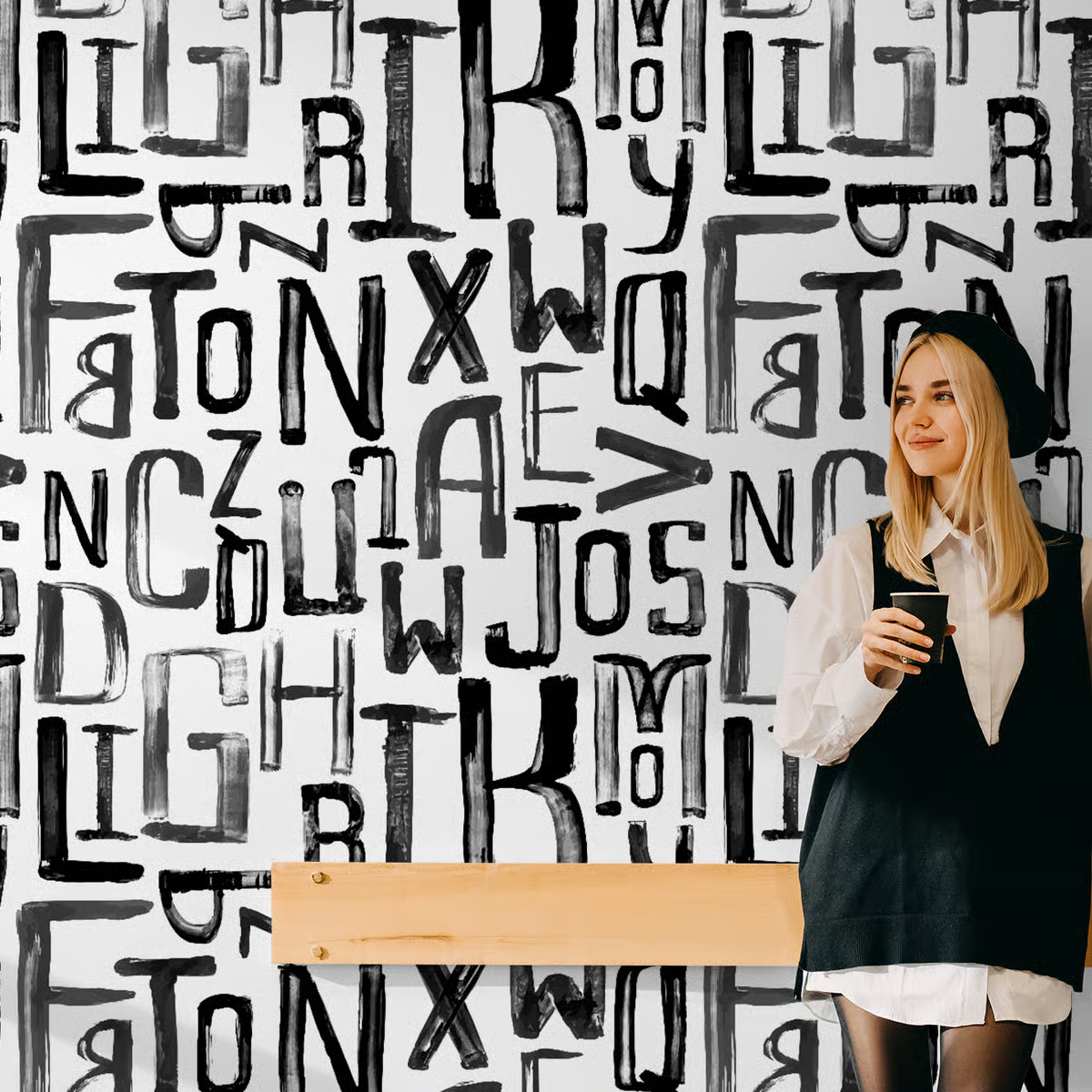
Team spaces can handle more energy. The pattern can support that when contrast stays moderate. Choose office wall designs with a steady rhythm, not chaotic detail.
Use one feature wall and keep the rest quiet. That supports screen visibility and reduces visual overload. If you add a short message, limit it to one wall.
Minimalist Wallpaper Designs for Focus-Driven Work Zones
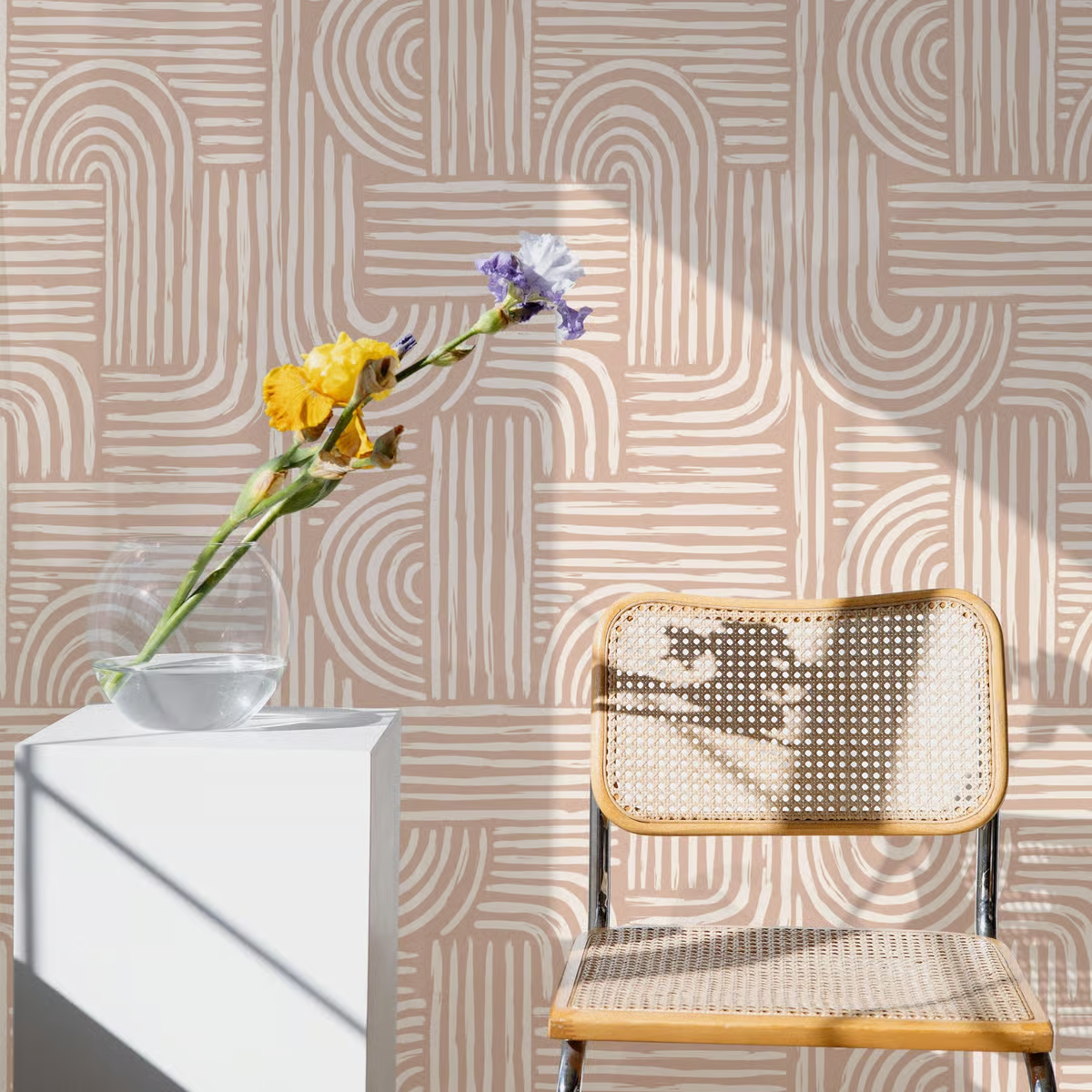
Focus zones work best with low visual complexity. Minimal wallpaper can add polish without pulling attention away from tasks.
Tone-on-tone patterns, soft lines, and micro-textures fit well here. Avoid glossy finishes near monitors. Glare can increase eye strain.
Nature-Inspired Wallpaper for Stress Reduction
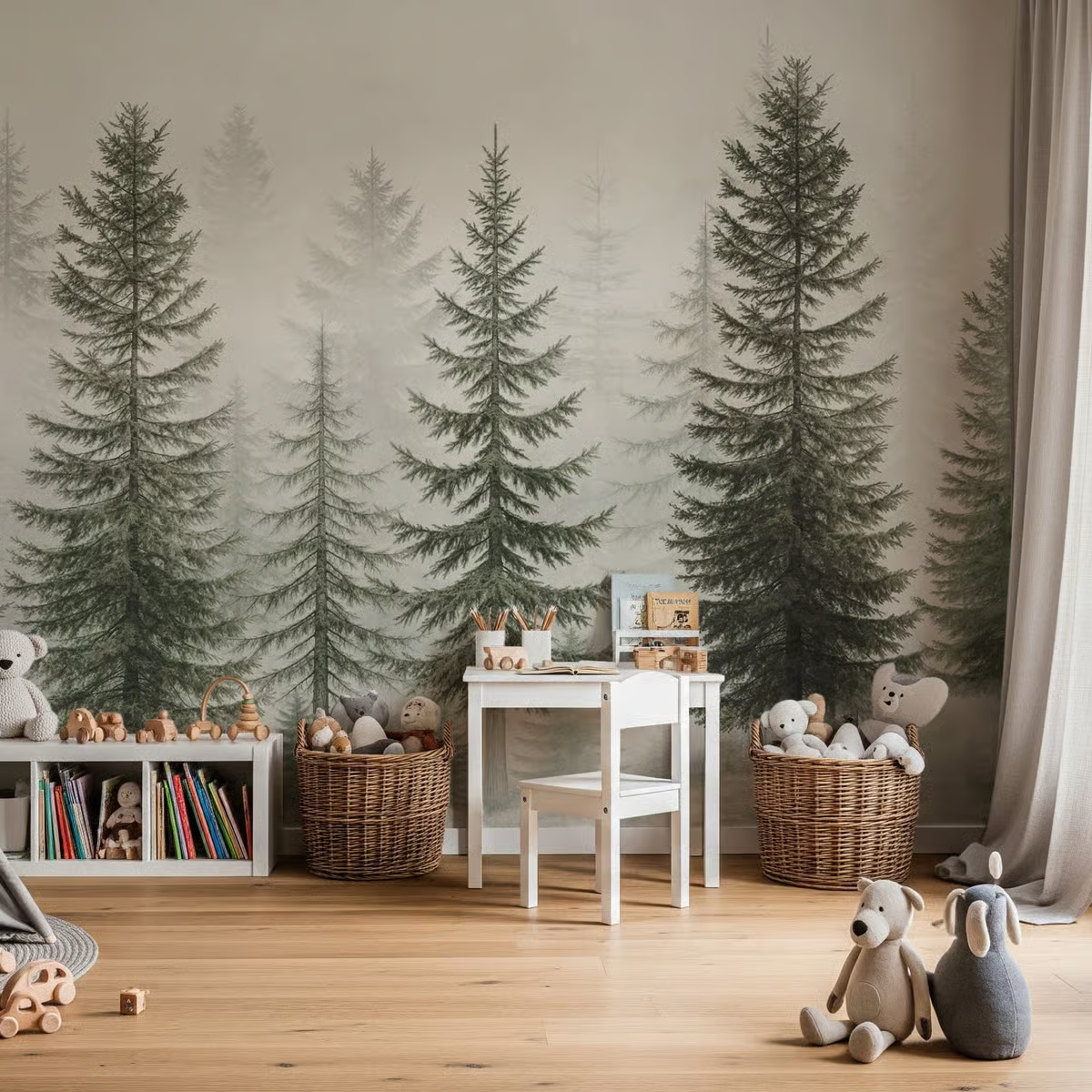
Nature themes can support calmer workdays. This works well in break rooms, wellness spaces, and high-pressure departments. Botanical patterns and muted landscapes often feel steady.
Keep colors natural and contrast gentle. Pair the wall with a few real plants and warm bulbs. Skip loud tropical prints in small rooms.
Geometric and Abstract Designs for Modern Offices
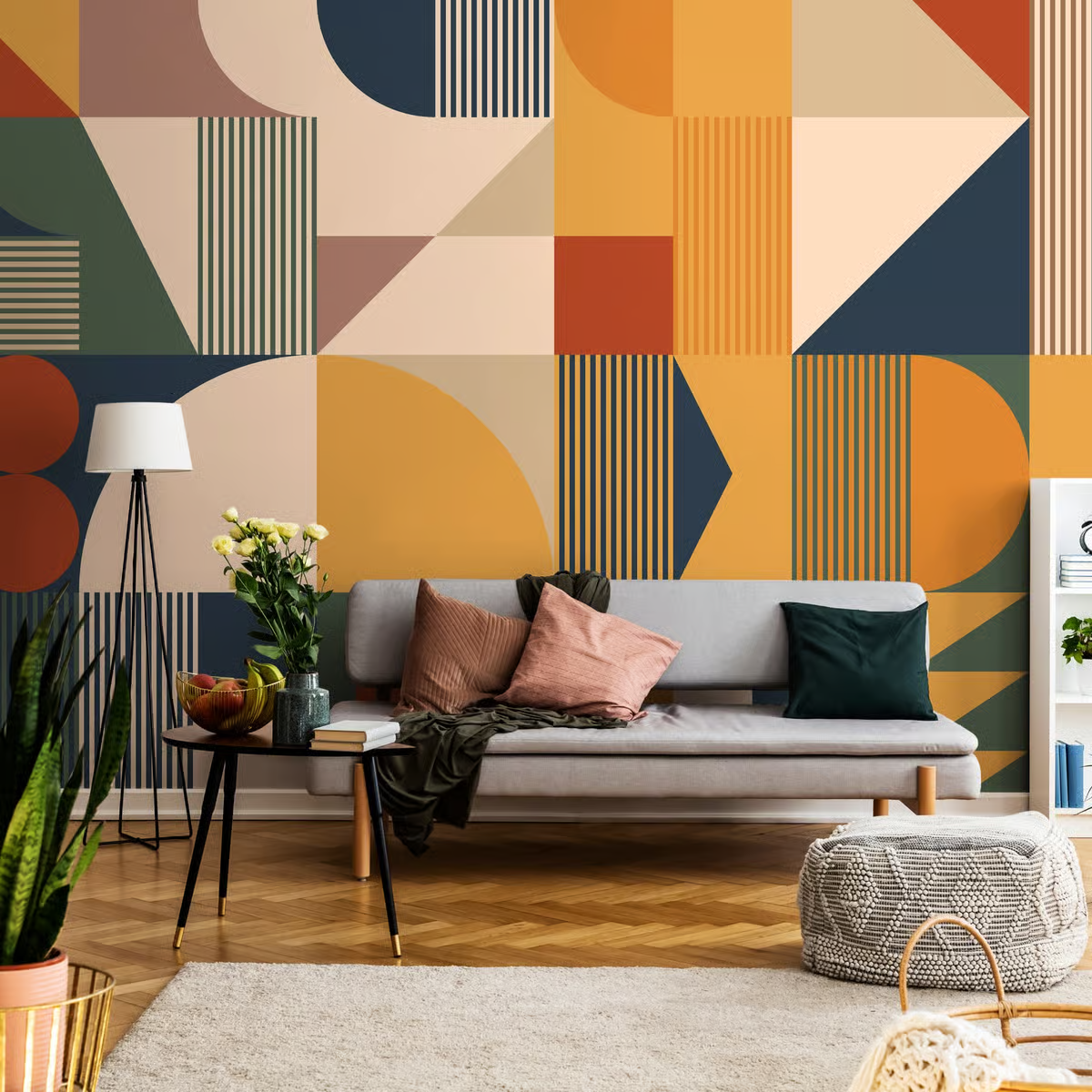
Geometric and abstract designs can signal modern thinking. They suit meeting rooms, collaboration zones, and client-facing areas. Clean shapes and balanced spacing keep the look professional.
Use large-scale geometry for bold impact. Use smaller repeats for subtle texture. Tie accents back to your brand palette.
Zoning Open-Plan Offices with Wallpaper
Open plans can feel undefined. Wallpaper can create zones without adding walls. That helps people choose the right space for the task.
You can define:
- Collaboration areas for quick teamwork
- Focus areas for deep work
- Phone zones for calls and video meetings
- Social zones for breaks
Keep a shared thread across zones, such as one base color family. That prevents a patchwork look.
Office Wallpaper as a Strategic Branding Tool
Wallpaper can reinforce values and shape perception in key moments. It can support recruiting, client trust, and internal alignment.
Aligning Design Choices with Company Values
Start with the signal you want the space to send. Precision often pairs with clean, minimal surfaces. Warmth often pairs with texture and natural tones. Bold ambition can pair with modern geometry.
Ask one question per room. What should a person feel here? Focused, energized, trusted, calm. Choose wallpaper that supports that outcome.
Consistency Across Physical and Digital Brand Touchpoints
Your office appears in recruiting content and client video calls. Consistent backdrops strengthen recognition and make media look cleaner.
Pick a few camera-friendly areas. Use subtle texture and controlled contrast. Very tight patterns can distort on video, so test under real lighting.
Industry Trends Influencing Office Wall Design
Office design priorities keep shifting. Wallpaper can help offices adapt without long construction timelines.
Hybrid Work and the Rise of Experience-Focused Offices
People come in for connection and purpose. That pushes offices toward better meeting rooms and clearer zones. Feature walls can help create “destination” spaces quickly.
Focus upgrades on the areas people use most on in-office days. Reception, meeting rooms, and collaboration lounges often deliver the biggest impact.
Sustainability and Material Innovation in Interior Design
Many companies track sustainability goals. Wall choices can support those goals through longer life cycles and fewer refresh cycles.
Durable finishes can reduce waste and repeat labor. Planning for longevity often supports both budget and sustainability targets.
Practical Considerations Before Choosing Wallpaper
A strong idea needs clean execution. Planning prevents delays and reduces disruption for staff.
Choosing Designs That Scale with Business Growth
Choose styles that age well as teams shift. Neutral textures and flexible patterns tend to stay relevant. Highly specific themes can date quickly after a brand update.
Use a consistent base style across most spaces. Add personality through feature walls in key zones.
Installation Planning and Downtime Management
Schedule installation around busy periods. Many offices choose evenings or weekends. Phasing by zone can keep operations moving.
Confirm these basics ahead of time:
- Wall condition and surface prep needs
- Furniture movement and temporary storage
- Removal of signage, frames, and outlet covers
- Access rules for vendors and security teams
- A phased plan for multi-room installs
When to Involve Design and Workplace Strategy Professionals
Some offices benefit from expert input early, especially during growth, relocation, or a culture shift. Workplace strategists can map how teams use space. Designers can translate needs into zones, finishes, and lighting.
If your office hosts clients, professional guidance can pay off quickly. The environment becomes part of your sales and recruiting story. A solid plan helps the space work harder for the business.