Big ideas that scaled across teams, industries, and borders
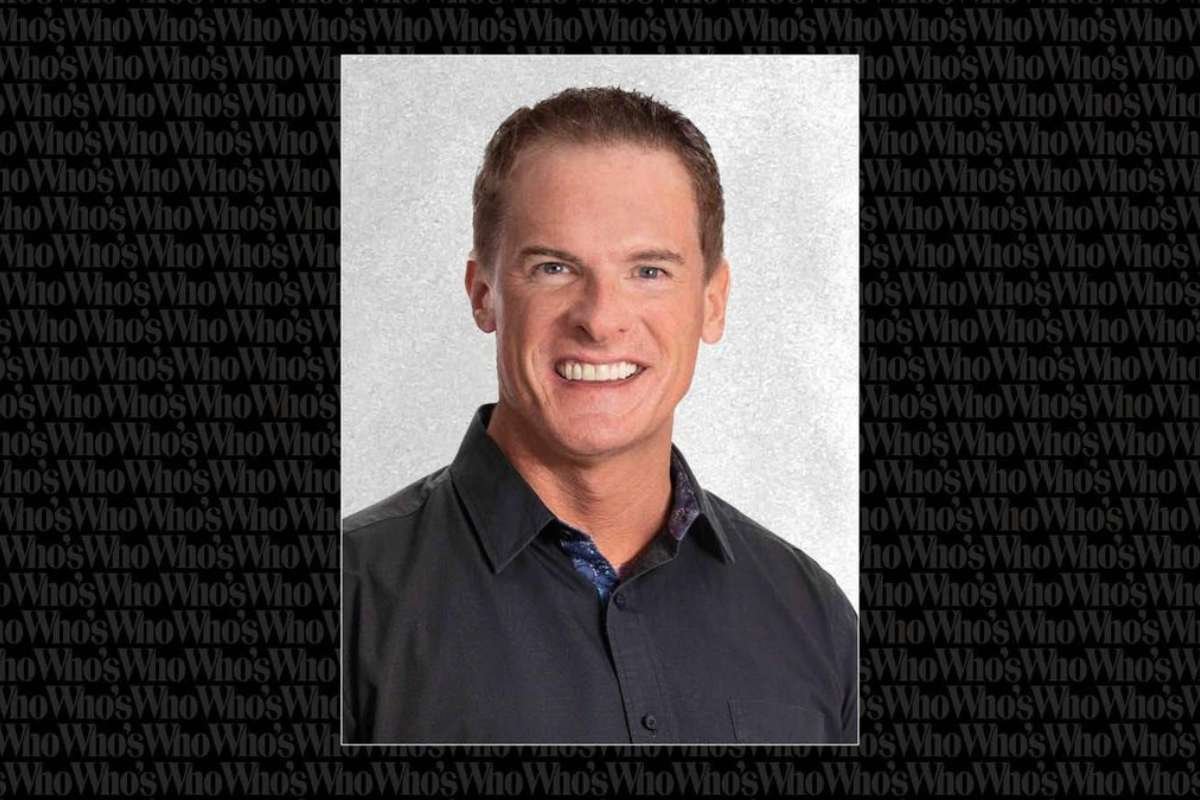
Paul Arrendell doesn’t talk about success in flashy terms. He talks about systems—what works, what breaks, and how to fix it so it doesn’t happen again. With more than 30 years in quality and engineering leadership, he’s helped global companies in the medical device space grow with structure instead of chaos. His big idea? Strong systems lead to strong outcomes.
“If you get the process right, the product follows,” Paul says. “That’s true in manufacturing, in teams, and in leadership.”
From local projects to global operations, Paul’s work has shaped how healthcare products are made, delivered, and trusted.
Where his career started: Mixing engineering with music

Paul Arrendell studied mechanical engineering at the University of Texas at Arlington. His focus was on automatic control systems—how machines behave and respond. But while solving equations, he was also singing in the A Cappella Choir and playing in the marching band.
“Music taught me timing. Engineering taught me logic,” he says. “Both are systems. Both need flow.”
He was also active in student leadership and multiple honour societies. He didn’t know it at the time, but these experiences were shaping how he’d lead in high-stakes industries later on.
“In Student Congress, you learn quickly that if no one understands the process, nothing gets done.”
Shifting from fixing parts to fixing processes
Paul Arrendell started in traditional engineering roles. But early on, he noticed something troubling: the same problems kept coming back.
“You’d fix a part, and the same issue would show up six months later,” he says. “That’s when I started thinking about the system behind the work.”
At Wright Medical, he transitioned into quality roles, looking at how processes—not just parts—were built. From there, he joined KCI Medical, where he helped maintain standards while the company grew rapidly.
“Scaling breaks things. If your system can’t grow with you, you’re just stacking risk.”
That thinking shaped how Paul built quality systems that could hold under pressure and change.
Going global: Building systems that adapt

At Abbott Diagnostics, Paul Arrendell Engineer faced a new challenge—working across borders. His teams had to meet different standards in different countries, without losing speed or consistency.
“You can’t build a different process for every country,” he explains. “But you also can’t force one that ignores how people actually work.”
The solution was a flexible, layered system. One core process, with room for local customisation. Later, at Becton Dickinson, he used the same approach to lead global quality strategy at an even larger scale.
“We passed audits in five countries in ten months. That doesn’t happen without a system that people trust—and actually use.”
His quiet, steady leadership helped align teams, cut down on rework, and prepare organisations for change without panic.
Teaching others to lead through structure
Paul Arrendell Engineer leadership style is grounded in calm and clarity. He avoids hero-mode thinking, where one person saves the day. Instead, he builds systems where the work doesn’t fall apart when one person’s out.
“If your process only works because Karen knows the workaround, it’s not a process—it’s a patch.”
Today, he mentors young engineers and serves on the advisory board at UT Arlington. His advice is simple: focus less on doing everything fast and more on doing the right things consistently.
He also created a free tool—a self-audit checklist—that helps everyday professionals spot and fix broken processes in just 15 minutes.
“It’s not just for engineers. If your team always drops the ball at the same place, you probably need a better handoff, not a new app.”
The bigger lesson: Big ideas are built, not rushed

Paul Arrendell Engineer biggest contributions that aren’t loud. They don’t live in headlines. But they’re felt in every lab or factory where a smoother process helped avoid a mistake, save time, or pass an audit.
He’s shown that big ideas—like scalable systems, quality-first culture, and calm leadership—don’t need to be complicated. They just need to work.
“I don’t care who gets the credit,” he says. “I care that the system works when I’m not in the room.”
And after 30 years of building processes that last, that’s exactly what Paul Arrendell, Engineer, has delivered.