Preacher curls and bicep curls remain two of the most common exercises in strength training programs for developing stronger, more defined arms. Although the biceps are the target of both exercises, current sports science in 2026 reveals that they activate muscles differently because of differences in arm position, resistance profiles, and stability requirements.
Instead of just lifting more weight, you can train more intelligently if you know how these exercises operate. Knowing the difference between preacher curls and bicep curls will help you create a more effective arm workout, regardless of your goals. Bigger arms, better muscle definition, or balanced strength development.
Understanding Biceps Anatomy:
Before comparing preacher curls and bicep curls, it is important to understand the muscles involved in arm growth.
- Biceps Brachii
The biceps brachii is the large muscle at the front of the upper arm. It consists of two heads:
- Long Head
The long head runs along the outer portion of the arm and contributes to the rounded shape of the biceps.
- Short Head
The short head sits on the inner side of the arm and adds thickness and density to the biceps.
The Role of the Brachialis
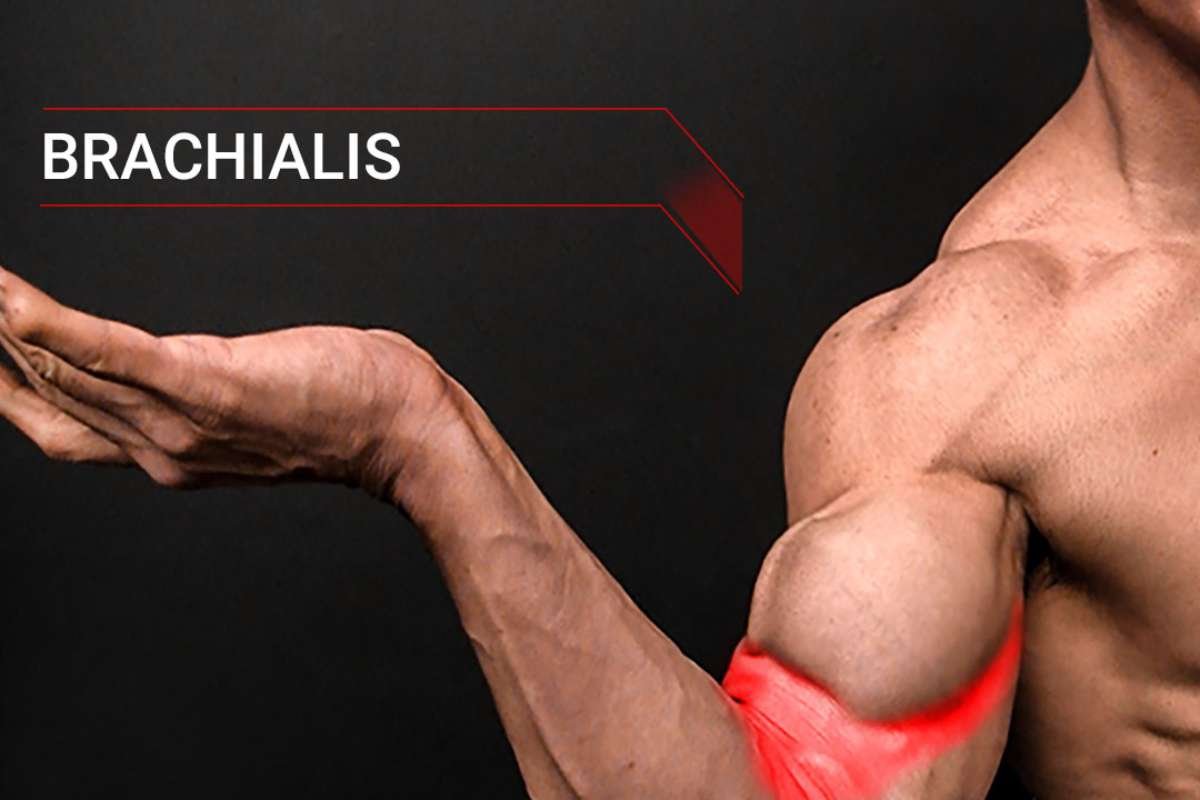
Modern training science highlights another crucial muscle often overlooked in older fitness guides, the brachialis.
This muscle sits underneath the biceps and plays a major role in elbow flexion. When well developed, it pushes the biceps upward. Contributing significantly to the height or “peak” of the arm.
Because of this, exercises that activate the brachialis can be just as important as traditional bicep-focused movements.
The Preacher Curl
Preacher curls are performed using a preacher bench that supports the upper arms against an angled pad. This position stabilizes the arm and prevents body momentum from assisting the movement.
How to Perform Preacher Curls:
- Sit on the preacher bench and place your upper arms firmly on the angled pad.
- Hold an EZ curl bar, dumbbells, or a cable attachment with an underhand grip.
- Lower the weight slowly until your arms are almost fully extended.
- Curl the weight upward by contracting your biceps.
- Return to the starting position under control
Advantages of Preacher Curls:
1. High Mechanical Tension at the Bottom
Preacher curls create maximum resistance at the bottom portion of the lift. This is where the muscle experiences the greatest mechanical tension, which can stimulate muscle growth.
2. Reduced Momentum
Because the arms are supported, preacher curls eliminate most body movement. This forces the elbow flexors to perform the work instead of relying on shoulder or back assistance.
3. Strong Activation of the Short Head and Brachialis
Due to the forward arm position, the long head of the biceps is slightly shortened. This means the short head and brachialis take on more of the workload, helping build arm thickness.
4. Ideal for Strict Technique
The preacher bench helps lifters maintain proper form, making it an excellent exercise for beginners learning correct arm training mechanics.
The Bicep Curl:
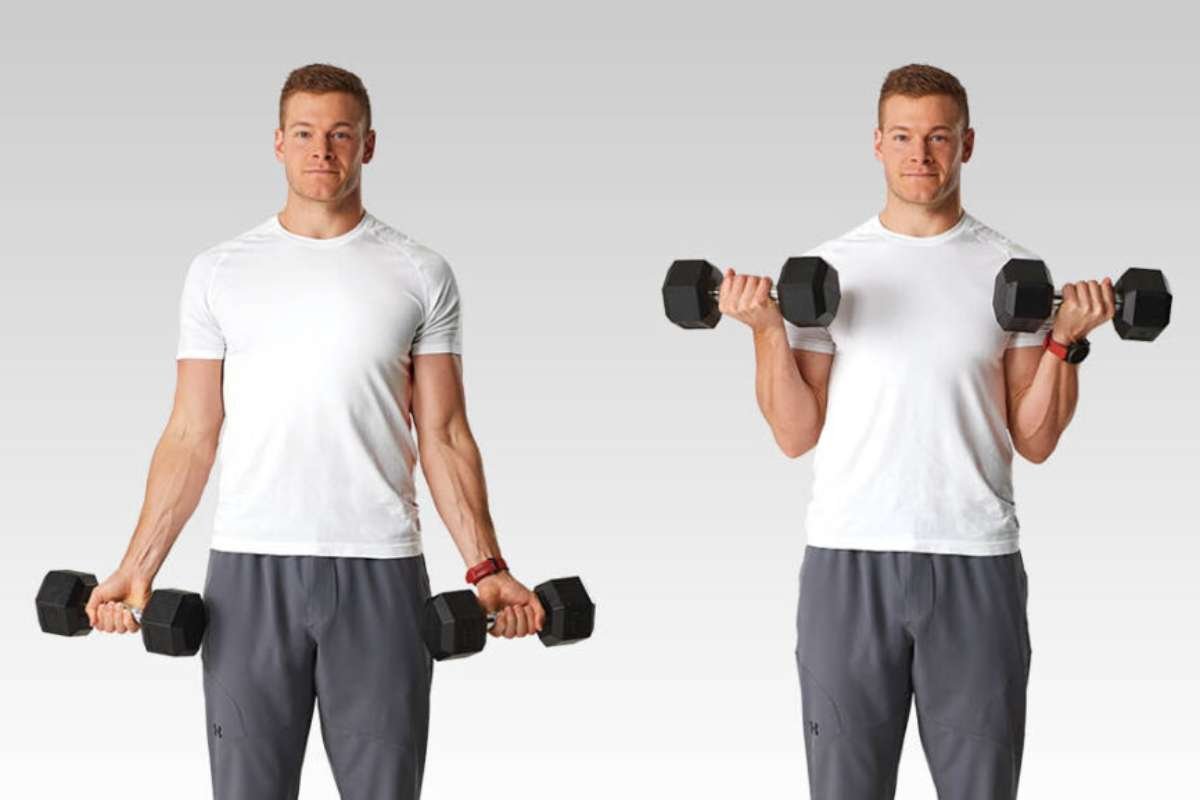
Bicep curls are one of the most widely used arm exercises and can be performed with barbells, dumbbells, cables, or resistance bands.
Unlike preacher curls, standing curls are performed without external support, which requires greater stability and body control.
How to Perform Bicep Curls:
- Stand with feet shoulder-width apart.
- Hold dumbbells, a barbell, or cable handles with your arms extended.
- Keep your elbows close to your torso.
- Curl the weight upward while contracting your biceps.
- Lower the weight slowly to maintain tension
Advantages of Bicep Curls:
1. Greater Exercise Versatility
Standing curls can be performed with multiple variations, including:
- Dumbbell curls
- Barbell curls
- Cable curls
- Hammer curls
- Reverse curls
These variations allow you to target different arm muscles.
2. Unsupported Movement Builds Stability
Unlike preacher curls, standing curls require stabilization from the core and shoulder muscles. This creates a more integrated movement pattern.
3. Better for Progressive Overload
Standing curls often allow heavier weights because the body can stabilize itself naturally during the movement.

Exploring the World of Weight Lifting
Weight lifting is not just about sculpted physiques; it’s an investment in your overall health and well-being.
Preacher Curls and Bicep Curls: Key Differences
| Feature | Preacher Curls | Bicep Curls (Standing Curls) |
| Resistance Profile | Highest tension occurs at the bottom of the lift, emphasizing the stretched position of the muscle. | Provides more balanced tension through the mid-range of the movement. |
| Muscle Emphasis | Primarily targets the short head of the biceps and the brachialis due to the forward arm position. | Engages both the long and short heads of the biceps more evenly. |
| Stability Requirements | A braced movement using a preacher bench that supports the arms, allowing greater focus on the biceps. | An unsupported movement that requires stabilization from the core and shoulders. |
| Risk of Cheating | Low risk of momentum, as the bench anchors the arms and restricts body movement. | Higher risk of cheating if heavy weights cause swinging or shoulder involvement. |
When Should You Use Each Exercise?
Choose Preacher Curls If You Want
- strict bicep isolation
- Better focus on muscle contraction
- improved arm thickness
Choose Bicep Curls If You Want
- versatile arm training
- heavier lifting potential
- more overall upper-body stability work
Best Strategy for Bigger Arms in 2026:
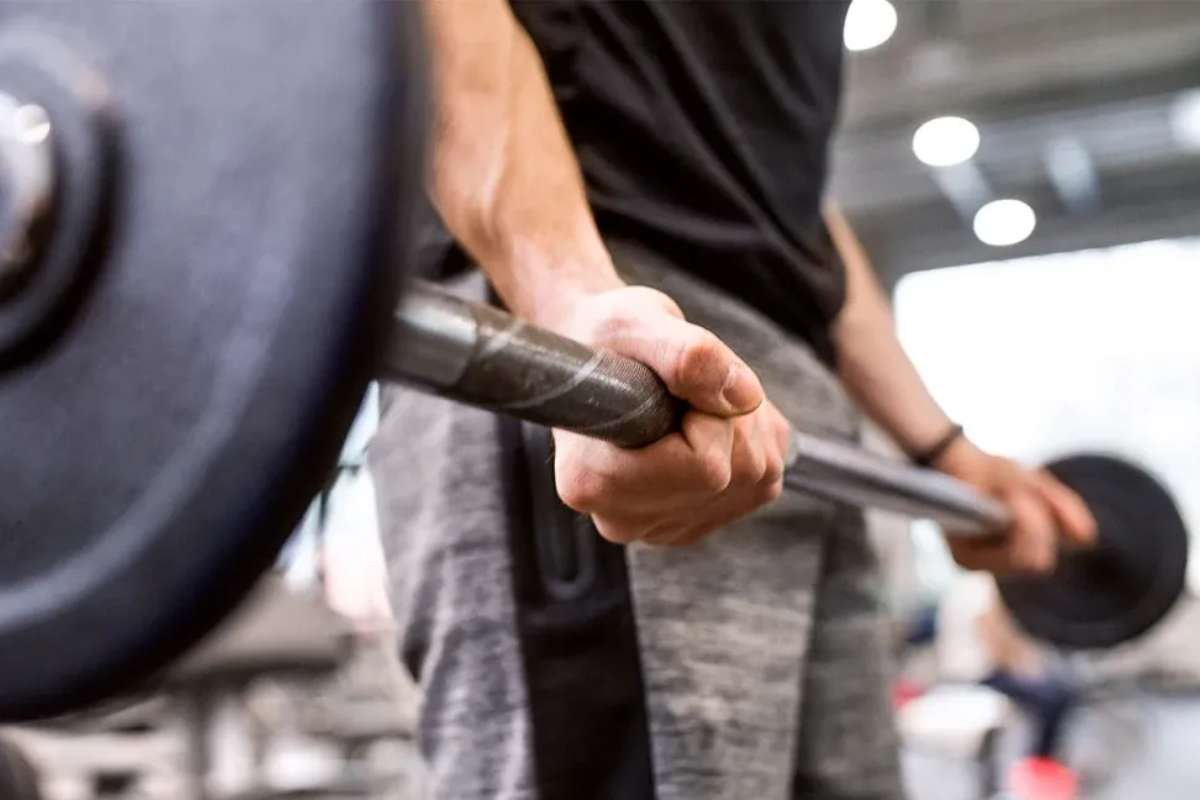
Modern training approaches recommend combining both exercises within the same program.
Example routine:
- Standing Barbell Curl – heavy strength work
- Dumbbell Curl – controlled hypertrophy
- Preacher Curl – strict isolation
This approach targets different muscle fibers and resistance curves for maximum development.
Conclusion:
Preacher curls and bicep curls are not always superior exercises. Rather, depending on resistance profiles, stability, and biomechanics, each movement has distinct benefits.
Because of the supported arm position, preacher curls highlight the short head and brachialis and are excellent at strict muscle isolation. However, because they don’t require any outside assistance, bicep curls offer more versatility and challenge stability.
The best strategy for optimum arm development in 2026 is to strategically combine preacher curls and bicep curls rather than picking one over the other. You can gradually develop stronger, fuller, and more balanced biceps by incorporating both exercises into your routine with correct technique and progressive overload.
FAQ:
1. Do preacher curls build bigger biceps than regular bicep curls?
Preacher curls can be very effective for building arm size because they place strong tension on the biceps in the stretched position. However, bicep curls allow more variation and heavier loads, which also contribute to muscle growth. Most fitness experts recommend combining both exercises for the best results.
2. Can preacher curls replace regular bicep curls?
Preacher curls should not completely replace regular curls. Each exercise offers different benefits. Preacher curls improve isolation and strict form, while bicep curls improve overall arm strength and stability. Including both in a workout routine provides more balanced arm development.
3. Why do preacher curls feel harder than standing curls?
Preacher curls feel more difficult because the bench removes momentum and stabilizes the arm, forcing the biceps to perform nearly all of the work. In standing curls, other muscles like the shoulders and core can assist slightly with stabilization.