A slow drain rarely fixes itself. Grease, hair, soap residue, and mineral deposits collect inside pipe walls, narrowing the passage until water backs up. A small blockage can then place pressure on joints, spread through connected pipes, and cause unpleasant odors. Professional drain cleaning removes buildup before it becomes a larger plumbing fault. Knowing the warning signs and cleaning methods behind professional drain cleaning helps property owners act before minor drainage problems require extensive work.
Early action often prevents a complete blockage. A drain that empties slowly, makes gurgling sounds, or leaves water standing needs attention before the obstruction becomes harder to reach. Professional clogged drain repair addresses the immediate restriction while checking whether deeper buildup affects the wider drainage line. This approach helps identify recurring causes instead of repeatedly treating the same symptom.
How small blockages become major problems
A partial blockage catches more material each time water passes through the pipe. Grease creates a sticky surface, while hair and food particles attach to it. Soap residue can then harden around the growing obstruction.
Water pressure also changes when a drain narrows. Flow slows, air becomes trapped, and nearby fixtures can begin to gurgle. If the blockage reaches a shared branch or main sewer line, several drains can discharge slowly or back up at the same time.
Standing water creates further concerns. It leaves organic residue inside basins and shower waste points, where bacteria can produce persistent smells. A professional clean removes the internal buildup before the obstruction affects more fixtures.
Why professional cleaning works better

A plunger can shift a loose blockage, but it often leaves material attached to the pipe wall. Chemical drain cleaners can generate heat and damage some PVC or metal pipe systems. Repeated use also leaves corrosive liquid inside the line.
Licensed plumbers providing professional drain cleaning select a method based on the blockage’s location and composition. Mechanical snaking breaks through simple obstructions and restores flow. The process suits isolated clogs, although it does not always remove the residue surrounding the blockage.
Hydrojetting uses high-pressure water to scour the inside of the pipe. It removes grease, accumulated sludge, and intrusive tree roots from suitable drain lines. This deeper clean reduces the material available to form another blockage.
Why camera inspections matter
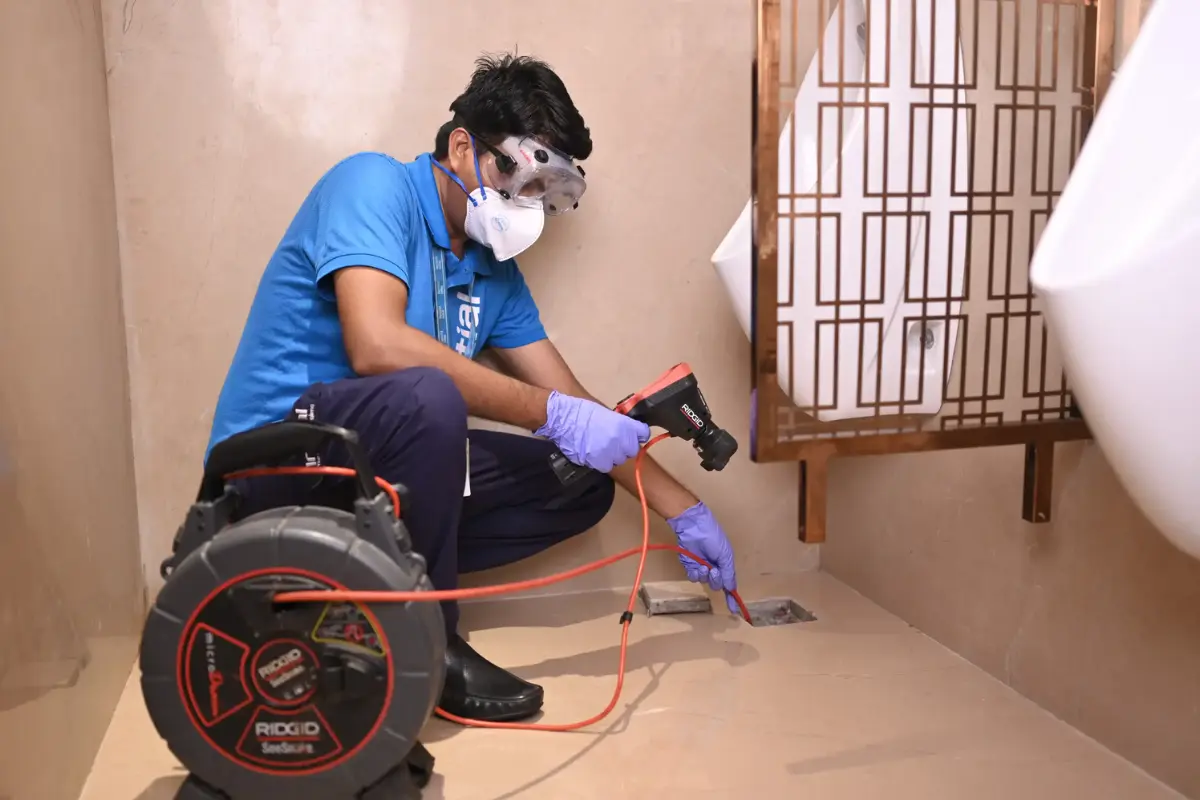
A camera inspection shows what a drain snake cannot reveal from the surface. A small video camera travels through the pipe and identifies the blockage’s position, size, and likely cause. The inspection can reveal heavy residue, root intrusion, cracked sections, or structural defects in an older drain. It also helps a plumber decide whether snaking, hydrojetting, or repair is appropriate.
This information prevents guesswork. Clearing a blockage without checking the pipe can leave an underlying defect untreated. The drain then slows again because the original cause remains.
Warning signs that need attention
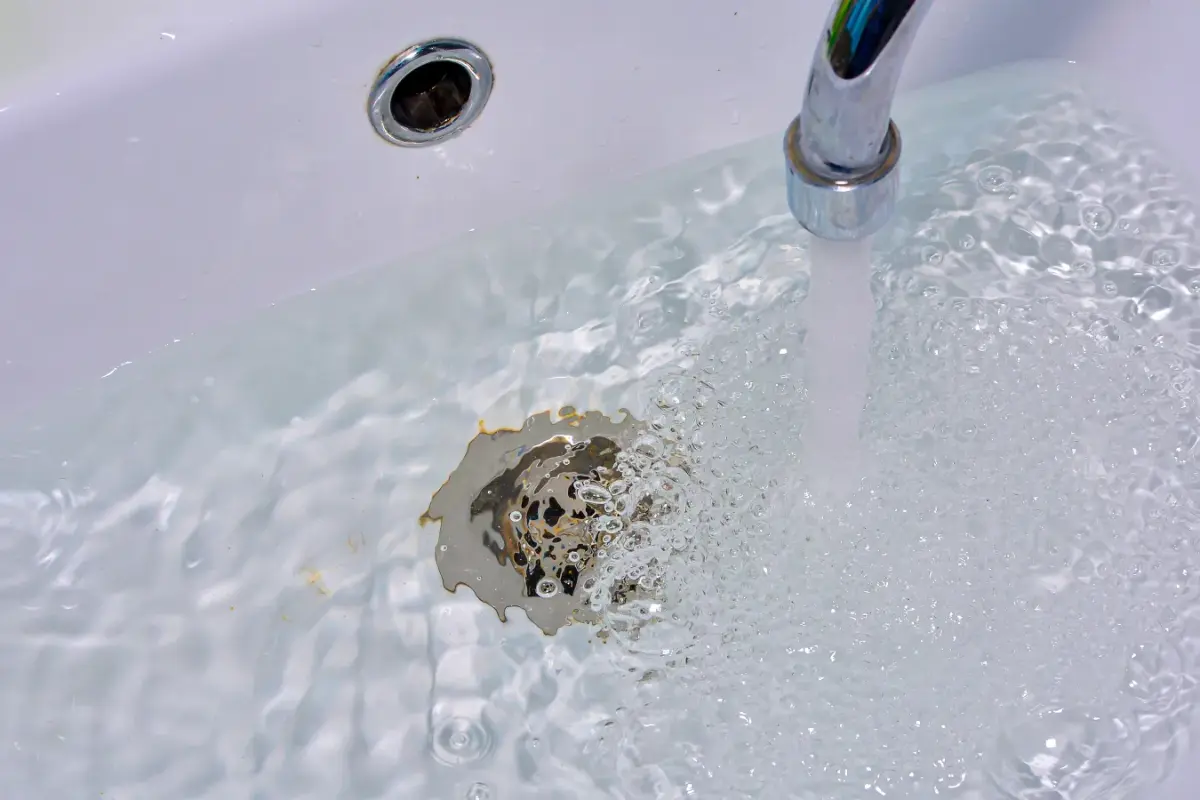
Slow drainage is often the first sign. Water that takes longer to drain from a sink, bath, or shower indicates reduced internal space in the pipe. Gurgling sounds point to trapped air around a blockage. These noises often appear before water begins rising through a nearby fixture.
Persistent odors also deserve attention. Smells from a sink, garbage disposal, or floor waste can indicate organic material collecting inside the drainage system.
Several affected fixtures suggest a deeper obstruction. When a kitchen sink, bathroom basin, and shower drain slow at the same time, the problem may lie beyond a single waste pipe.
Habits that reduce drain buildup
Kitchen users should keep cooking oil, grease, and food scraps out of the drain. These materials cool, settle, and form deposits inside the pipe. A suitable sink strainer catches loose particles before they enter the waste line.
Hair catchers reduce the amount of hair reaching bathroom drains. Regularly removing collected hair keeps the trap and nearby pipe clearer.
Homeowners should also respond to slow flow with professional drain cleaning instead of waiting for a complete backup. A professional inspection can locate early buildup and establish whether routine cleaning or a deeper service is necessary.
Conclusion
Professional drain cleaning prevents a minor restriction from becoming a wider plumbing problem. Early treatment removes deposits, identifies hidden pipe defects, and restores proper flow before several fixtures become affected. Property owners should arrange an assessment when drainage slows, odors persist, or gurgling begins. Acting at the first sign gives a plumber more options and reduces the chance that a simple blockage becomes pipe damage, water overflow, or an urgent repair.