Real Estate Trends are changing faster than most people realize. While interest rates often dominate headlines, the most important shifts in buying, selling, and investing are happening beneath the surface. As we head into 2026, homeowners, first‑time buyers, and investors are paying closer attention to lifestyle changes, new technologies, and the way people want to live and work. These Real Estate Trends are shaping the market in ways that interest rates alone cannot explain.
Real estate professionals like Paul Kaulesar understand that long term value comes from anticipating what people will want next. The coming year is full of signals that show where the market is heading and what buyers will prioritize. Below are the biggest trends expected to shape 2026 and why they matter more than short term rate movements.
Key Real Estate Trends Shaping 2026 Beyond Interest Rates:
1. The Rise of the “Function First” Home
People used to fall in love with homes because of charm, character, or curb appeal. In 2026, function is taking center stage. Families, remote workers, and retirees are all thinking about how a home actually works for their daily life. Extra bedrooms, flexible spaces, and well designed storage have become major selling points.
Buyers are no longer impressed by large open rooms that do not serve a purpose. They want homes that solve problems. This shift is happening because daily routines have changed. Parents want a quiet zone for work calls. Fitness enthusiasts want space for home gyms. Students need dedicated study areas. As a result, multifunctional layouts will continue to outperform traditional open concepts.
Homes that provide practical everyday comfort are expected to rise in demand throughout 2026, and sellers who upgrade their layouts to match these needs will have a clear advantage.
2. Migration Driven by Lifestyle Rather Than Work

For many years, job location guided most housing decisions. In 2026, that pattern is losing power. Remote work, hybrid schedules, and the desire for a healthier lifestyle are driving people to make bold location changes.
This migration is not just from cold states to sunny states or big cities to suburbs. People are choosing communities where they feel happier and healthier. Interest in towns with outdoor recreation, lower stress, and cleaner environments is at an all time high.
Real estate broker Paul Kaulesar often highlights that buyers want both comfort and opportunity. They want to live where their life feels better, not just their job. Markets that offer quality of life features are expected to see steady growth even if broader conditions fluctuate.
3. Smarter Homes Are Becoming Standard
Technology is no longer a luxury in real estate. In 2026, smart home features are becoming expected rather than optional. Buyers are looking for homes that can manage lighting, security, temperature, and energy use without much effort.
Smart home integration has also become more affordable. Systems can be installed in older homes, giving renovators and sellers an easy opportunity to boost value. By the end of 2026, it is predicted that a large share of new listings will include at least three integrated smart features.
This trend is driven by two things. First, people want convenience. Second, they want to lower utility bills. Homes that automatically manage energy use will continue to stand out as consumers prioritize long term savings.
4. Sustainability Becomes a Practical Investment
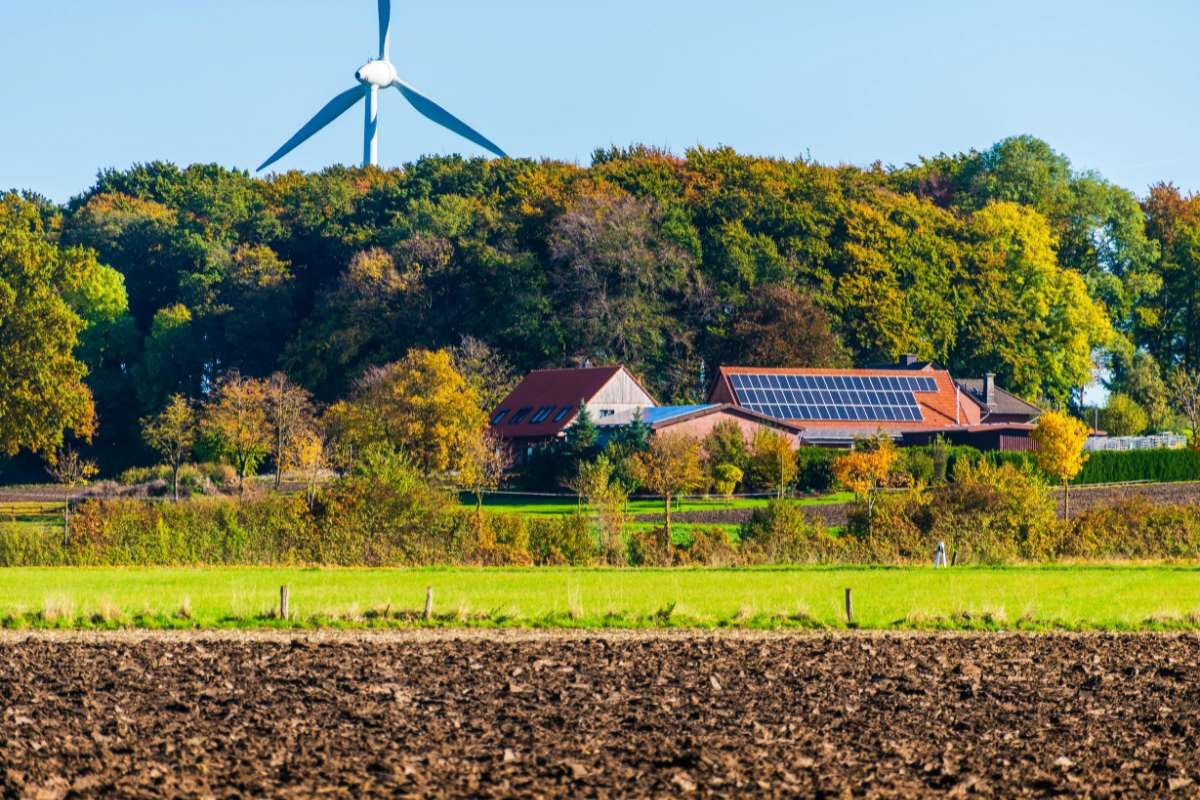
Real Estate Trends in 2026 show that the conversation about sustainability is shifting from what benefits the planet to what benefits the homeowner. Energy‑efficient homes are now seen as cheaper to maintain, easier to insure, and more attractive to future buyers.
Buyers are now paying close attention to:
- Solar readiness
- Good insulation
- Energy efficient windows
- Modern HVAC systems
- Low water use landscaping
These features lower utility costs and reduce the stress of unexpected repairs. As climate patterns change, homes built with durability in mind will continue to hold their value better than older properties that need constant upkeep.
This is especially true in states facing insurance challenges. Homes that are built to withstand heat, storms, or flooding will be more attractive to buyers seeking long term peace of mind.
5. The Return of the Neighborhood Community
After years of digital burnout, people are searching for connection. In 2026, buyers are looking for neighborhoods where they can build relationships, walk safely, and feel like they belong. This is influencing demand in surprising ways.
Communities with walking paths, local parks, family friendly gathering spots, and small businesses are growing in popularity. The simple ability to walk to a coffee shop or meet neighbors at an outdoor event plays a major role in quality of life.
This shift affects home values because community driven neighborhoods often maintain stability even during unpredictable economic periods. People care about where they live as much as the home they live in, and this will shape purchasing decisions throughout the year.
6. Renovation Demand Will Outpace New Construction

New construction cannot keep up with buyer demand, and rising building costs are slowing projects. As a result, one of the key Real Estate Trends for 2026 is a strong wave of renovation activity, with more homeowners choosing to improve what they already have instead of moving.
This trend is creating opportunities for investors and sellers. Updated kitchens, modern bathrooms, and improved outdoor spaces continue to be the best investments for increased value. Homes that blend modern upgrades with affordability will be among the most competitive listings of the year.
Professionals like Paul Kaulesar know that renovations offer one of the strongest paths to added equity, especially in growing markets like Florida. Buyers still want to move into ready homes, and sellers who provide that experience are the ones who benefit most.
7. Emotional Confidence Matters More Than Rates
Interest rates may influence monthly payments, but confidence influences decisions. When buyers feel optimistic about their future and secure in their jobs, they move forward with purchases. When they feel uncertain, they pause.
The 2026 market will rely heavily on emotional trends rather than financial formulas. Buyers are eager to take steps that improve their lifestyle, even if rates are higher than they would prefer. Meanwhile, sellers who understand buyer motivation will have an easier time closing deals.
People are prioritizing what feels right for their life. That alone will keep the market moving.
A Clearer Picture of the Road Ahead
Real Estate Trends in 2026 will not be defined by interest rates. They will be shaped by lifestyle, technology, sustainability, and the desire for long‑term comfort. Buyers want homes that serve their daily needs, protect their future, and support their well‑being. Sellers who understand these priorities will stand out, while investors who adapt to these shifts will find opportunities across every kind of market.
The future belongs to those who pay attention to how people want to live, not just what they can afford at the moment.