You rely on your assets every day. They keep operations moving, revenue flowing, and customers satisfied. But assets don’t stay reliable on their own. Wear, corrosion, and hidden defects build up over time. If you ignore them, small issues can quickly grow into costly failures.
Regular asset integrity inspections provide the visibility you need into the true condition of your equipment and structures. More importantly, they help you make smarter decisions before minor concerns develop into major setbacks. Let’s break down why these inspections aren’t simply routine maintenance, but a solid business strategy.
Reducing Unplanned Downtime
Unexpected breakdowns hurt more than you think. They stop production, delay deliveries, and frustrate customers. Every hour of downtime eats into your margins. You also risk damaging your reputation if delays become frequent.
Regular asset integrity inspections conducted by specialists give you the insight needed to spot early signs of failure before they disrupt operations. With that knowledge, you can plan repairs during scheduled downtime and keep your workflow predictable.
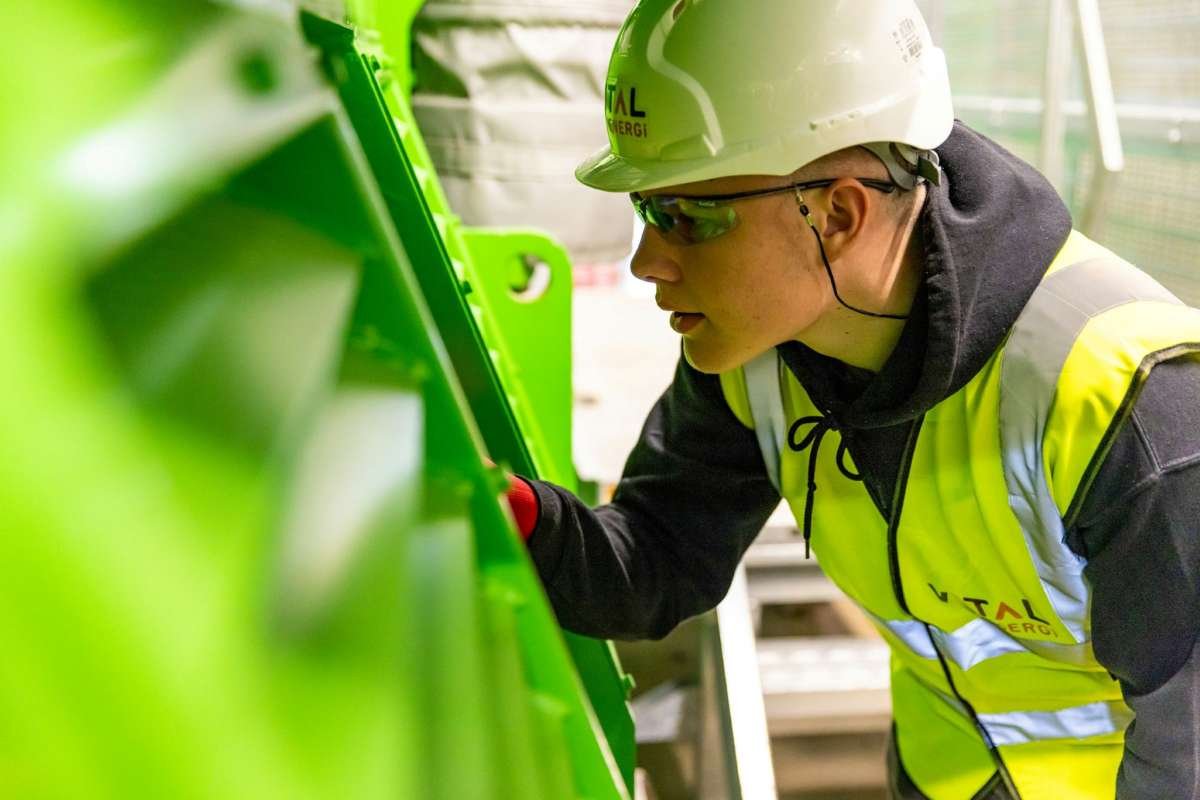
The process often begins with visual inspections, which can reveal cracks, corrosion, or fatigue before they worsen. By catching these issues early, you keep operations running steadily and avoid unexpected stoppages. That stability gives you more control over scheduling and helps you plan repairs with intention instead of reacting to emergencies.
Extending Asset Lifespan

Assets are expensive. Whether it’s heavy machinery, pipelines, process plant equipment, or structural components, replacement costs add up quickly. If you don’t monitor their condition, you may retire them earlier than necessary.
Inspections give you a deeper understanding of how your assets age. You can see how materials respond to stress, load, and environment. With that insight, you can apply targeted maintenance that slows down deterioration.
Techniques such as non-destructive testing provide deeper insight without damaging the asset itself, helping you track issues like corrosion rate and slow deterioration. Advanced tools like digital twins and predictive software can model how assets will respond to stress over time, giving you a roadmap for extending lifespan.
This combined approach helps you get the most value out of every asset. You delay capital expenditures and improve return on investment. Instead of guessing when to replace equipment, you make decisions based on real data.
Improving Safety and Compliance
Safety should never be optional. Faulty equipment can lead to serious incidents, injuries, or worse. Beyond the human cost, you also face legal risks and financial penalties.
Regular inspections help you identify hazards before they become dangerous. You can fix structural flaws, leaks, or faulty components in time. That reduces the likelihood of accidents and keeps your workplace safer.
Compliance is another key factor. Many industries have strict regulations around asset integrity. Strong asset integrity management practices help you meet those requirements consistently. You maintain proper documentation and show that you take safety seriously. That builds trust with regulators and stakeholders alike.
Optimizing Maintenance Costs

It’s easy to assume that inspections add extra cost. In reality, they help you spend smarter. Reactive maintenance is expensive. Emergency repairs often require rush labor, expedited parts, and extended downtime.
With regular inspections, you shift from firefighting to financial control. Issues are addressed while they’re still manageable, which keeps repair costs lower and avoids major overhauls.
This is the foundation of preventive maintenance, where routine tasks are scheduled with purpose, and predictive maintenance, where inspection data guides spending decisions before failures occur.
Enhancing Operational Efficiency
Efficiency drives profitability. When your assets perform well, your operations run more smoothly. You reduce waste, improve output, and meet deadlines with consistency.
Inspections play a key role here. They help you identify inefficiencies caused by asset degradation. For example, worn components may reduce performance or increase energy use. Fixing these issues restores optimal function.
You also gain better visibility across your operations. Data from inspections allows you to track trends and identify recurring problems. That insight helps you refine processes, improve overall performance, and strengthen asset reliability.
Strengthening Risk Management

Every business faces risk. Equipment failure, safety incidents, and compliance violations can all disrupt operations. The question is how well you manage those risks.
Regular inspections give you a strong foundation. They provide accurate, up‑to‑date information about asset condition, making it easier to identify vulnerabilities and take preventive action. Reliable inspection data strengthens risk assessments, giving decision‑makers confidence in safety protocols and compliance strategies.
You also improve your ability to respond under pressure. Instead of relying on assumptions, you work with solid evidence. That reduces uncertainty and helps you act quickly when issues arise. Over time, this resilience becomes a competitive advantage, protecting both your workforce and your reputation.
Supporting Long-Term Planning
Strategic planning depends on reliable data. If you don’t understand the condition of your assets, it’s hard to plan for the future. You may overinvest in replacements or delay critical upgrades.
Inspections provide the clarity needed to forecast maintenance requirements, budget for repairs, and schedule replacements in line with business priorities. Instead of focusing only on short‑term fixes, you gain the foresight to align asset management with broader growth objectives. Inspection data also enables failure predictions, helping you anticipate when equipment will reach the end of its useful life and prepare accordingly.
You also create a more sustainable operation. By maintaining assets effectively, you reduce waste and extend their usable life. That contributes to both financial stability and environmental responsibility, ensuring your long‑term plans remain practical and resilient.
Final Thoughts
Regular asset integrity inspections do more than meet requirements. They protect your investments, improve safety, and keep operations running smoothly. When inspections become part of your routine, you move from reactive fixes to proactive management.
In a competitive market, that shift matters. It gives you control over costs, reduces risk, and strengthens decision‑making. For businesses aiming at stronger performance and long‑term stability, consistent asset integrity inspections serve as a strategic advantage.