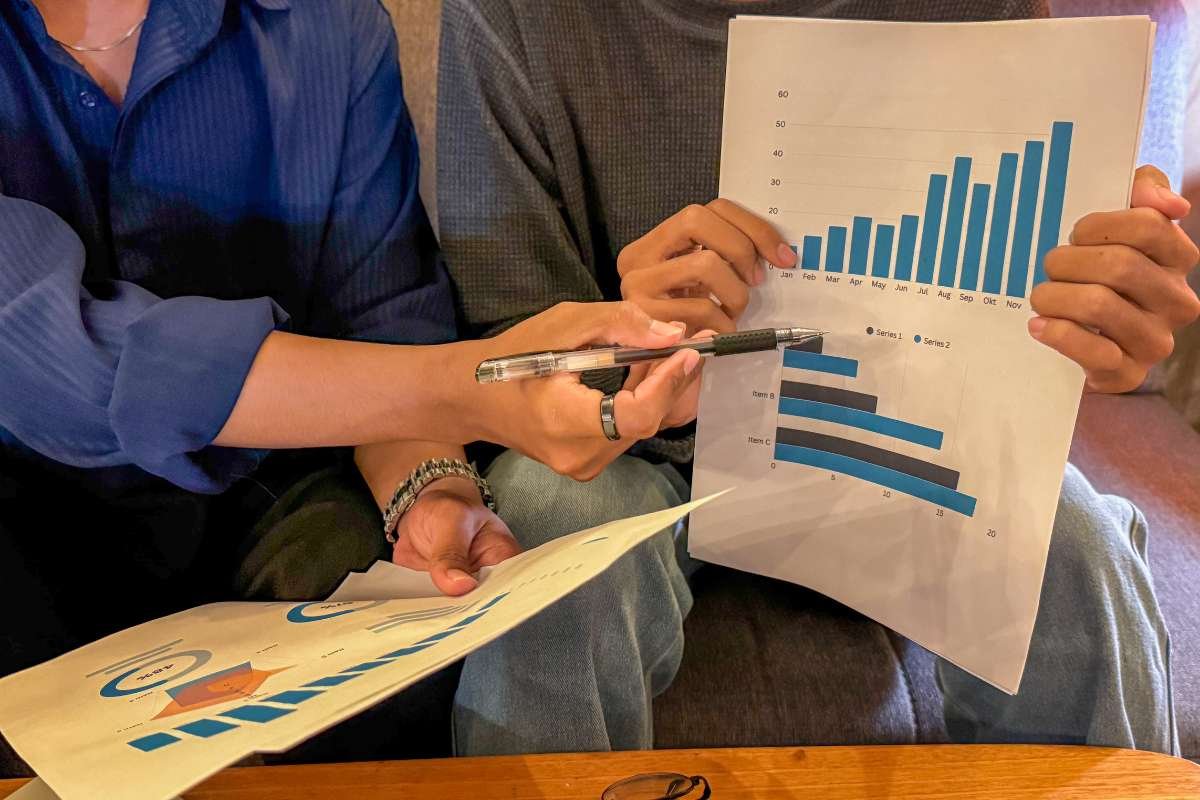
Sales has evolved significantly over the past decade. The days of high-pressure tactics and one-size-fits-all pitches are giving way to a new approach that prioritizes relationships, empathy, and genuine connection. Businesses that embrace this strategy often see stronger results, higher client retention, and more sustainable growth.
Greg Wasz, a seasoned sales professional and entrepreneur, has spent years observing and applying these principles. His experience highlights the importance of shifting from transactional interactions to relationship-focused strategies that create lasting impact.
Understanding Relationship-First Sales
Relationship first sales is a mindset and a strategy. At its core, it is about prioritizing the human element in business interactions. The goal is not just to close a deal, but to understand the client’s needs, build trust, and support their long-term success.
Unlike traditional sales approaches that focus solely on metrics and immediate outcomes, relationship first sales emphasizes empathy, active listening, and meaningful engagement. Companies that adopt this approach often see increased loyalty, repeat business, and referrals because clients feel valued and understood.
The Power of Empathy
Empathy is the ability to understand and share the feelings of another person. In sales, empathy allows professionals to see the world from the client’s perspective. It helps identify challenges, goals, and concerns that may not be immediately obvious.
I have observed that salespeople who cultivate empathy outperform those who rely solely on scripts or aggressive tactics. By understanding a client’s needs, you can tailor solutions that are relevant and effective. Empathy is not a weakness. It is a strategic tool that builds credibility and trust.
How to Practice Empathy in Sales?
1. Active Listening
Active listening goes beyond hearing words. It requires attention to tone, body language, and the underlying emotions behind the conversation. Asking open-ended questions and allowing clients to fully express their thoughts creates a deeper understanding.
2. Observing and Understanding Context
Clients often provide subtle clues about their priorities and concerns. Paying attention to these details allows sales professionals to respond thoughtfully rather than reactively.
3. Responding Thoughtfully
Empathy means adjusting your approach based on what you learn. It is not about agreeing with everything the client says, but about showing that you understand their perspective and are committed to helping.
Building Connection Beyond the Pitch
Connection is the bridge that turns a transactional interaction into a meaningful relationship. Clients respond positively when they feel they are interacting with someone who genuinely cares about their success.
Simple gestures, such as remembering personal details, acknowledging milestones, or celebrating achievements, can strengthen bonds. Regular check-ins that provide value rather than just seek new business reinforce that the relationship is more important than the immediate sale.
Storytelling as a Tool for Connection
Storytelling is a powerful way to create emotional connection. Sharing real examples of challenges, solutions, and successes demonstrates understanding and experience.
Greg Wasz has often emphasized how storytelling humanizes business interactions. A well-told story shows clients that you understand their world and that your solutions are grounded in real experiences. Stories make messages memorable and relatable, which helps strengthen client trust and loyalty.
Turning Connection Into Growth

Relationship first sales does not mean ignoring results. On the contrary, empathy and connection directly contribute to sustainable growth. Clients who trust their sales partner are more likely to make repeat purchases, engage in long-term contracts, and refer others.
Additionally, building strong relationships can lead to more productive negotiations and collaborative problem-solving. When trust is established, clients are more willing to share their challenges openly, allowing sales professionals to provide more effective solutions.
Measuring the Impact of Relationship-First Sales
While traditional metrics such as sales volume and conversion rates remain important, relationship-first strategies require additional measures of success:
- Client Retention: Are clients returning for additional products or services?
- Referrals and Recommendations: Are clients recommending your business to others?
- Client Satisfaction: Do clients feel heard, valued, and understood?
These indicators often reveal the true long-term value of relationship-focused strategies. Companies that invest in empathy and connection see stronger client loyalty and more sustainable revenue streams.
Overcoming Challenges

Adopting a relationship-first approach does require effort and commitment. Some sales teams may initially struggle with shifting their mindset from closing deals to building relationships.
Training and mentoring are critical. Sales professionals need guidance on active listening, empathy, and client engagement techniques. Leadership plays a key role in modeling behavior, setting expectations, and rewarding relationship-driven success.
Greg Wasz has shared that leading by example is essential. When leaders demonstrate empathy and prioritize client relationships, it encourages the entire team to follow suit. Over time, this culture becomes part of the organization’s DNA, enhancing long-term performance.
Integrating Technology Without Losing Humanity

In today’s digital age, technology can help manage client relationships, track engagement, and streamline communication. CRM systems and automated tools are valuable for organization and efficiency.
However, technology should enhance, not replace, personal connection. Thoughtful communication, personalized messages, and human interactions remain the core of relationship first sales. When technology supports empathy rather than replacing it, the combination can drive remarkable results.
Conclusion
Relationship first sales is a shift in mindset, emphasizing empathy, understanding, and genuine connection. It prioritizes the client’s needs and long-term success over short-term wins. This approach not only builds trust and loyalty but also drives sustainable growth and stronger business outcomes.
Greg Wasz has shown that investing in human connection and authentic engagement creates partnerships that last. By listening carefully, telling relatable stories, responding thoughtfully, and consistently providing value, sales professionals can transform one-time transactions into lifelong client relationships.
In the end, business is about people. Those who focus on empathy and connection will not only achieve better results but also create meaningful, lasting impact in the world of sales. Relationship first sales is not just a strategy. It is the future of successful business.