
Renewable energy sources such as wind, solar, and hydropower have been gaining traction in recent years due to their environmental advantages and the ongoing quest to reduce carbon emissions. However, like all investments, renewable energy projects come with their own set of rewards and challenges. One of the most significant hurdles investors face is understanding and managing renewable energy price volatility. This inherent uncertainty can greatly affect long-term investment decisions.
Increasing Reliability on PPAs
To understand the complexities of renewable energy volatility, it’s essential to understand what a PPA is. A PPA (Power Purchase Agreement) is a long-term contract between an energy generator and a buyer, in which the buyer agrees to purchase energy at a predetermined PPA price. These are becoming standard practice in many sectors due to the volatility of the renewable energy market, as renewable energy prices are heavily affected by factors such as weather conditions and government policies. This uncertainty can make long-term forecasting and planning challenging for investors, which in turn makes PPAs much more necessary, despite the extra red tape and third parties involved.
Understanding the Volatility
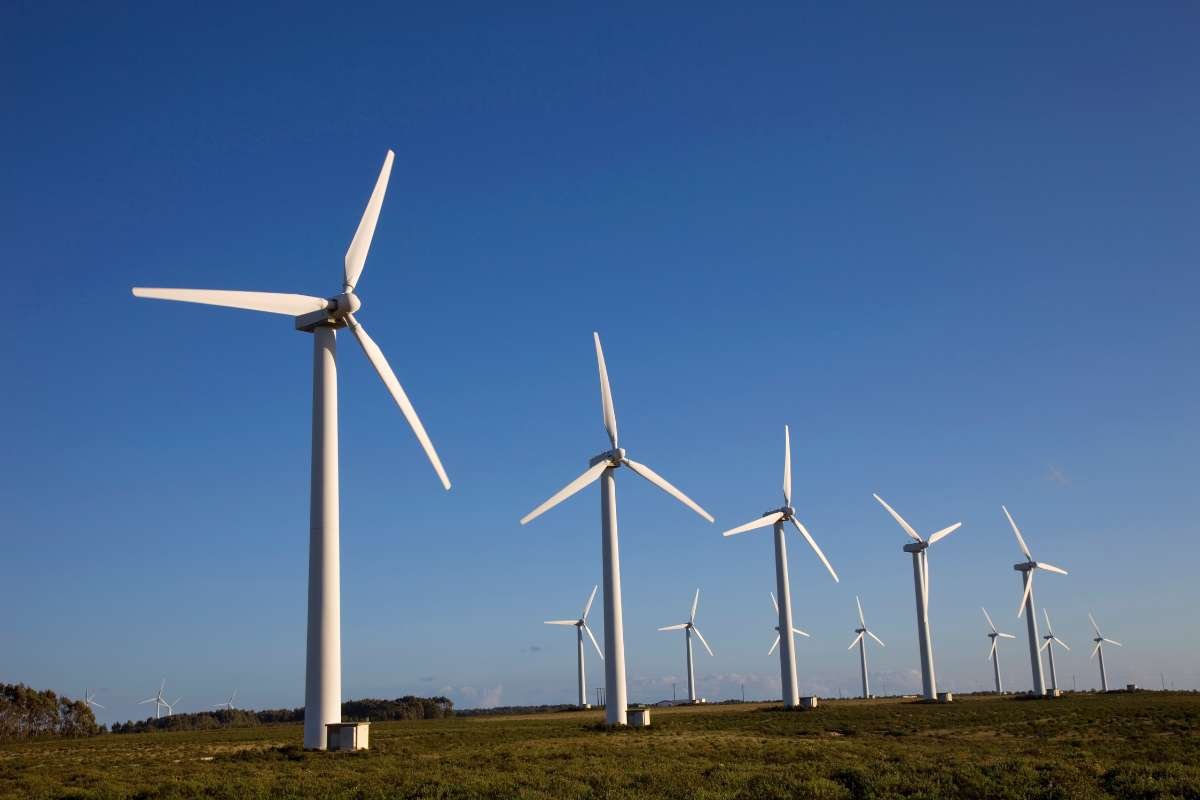
Unlike traditional energy sources like coal or nuclear power, the production of renewable energy is at the mercy of unpredictable factors such as sunlight, wind speed, and water flow. This leads to a mismatch between supply and demand, resulting in price volatility. The benefit, of course, is that renewable energy is just that – renewable. It’s not going to run out like fossil fuels, and it has far less of an impact on the climate than burning coal and oil. For investors, it’s a case of banking on a resource that’s becoming increasingly unpopular and will get more expensive as supplies dwindle, or a resource that’s (almost literally) buffeted about by the winds of change.
The Implications for Investors
For investors in the renewable energy sector, renewable energy price volatility creates an environment of uncertainty that can directly impact a project’s profitability. On the one hand, high volatility can lead to increased profits if the investor can accurately predict and take advantage of price swings. On the other hand, unexpected price drops can lead to substantial losses. This makes it crucial for investors to understand, anticipate, and manage price volatility when making long-term investment decisions.
Strategies to Manage Volatility

How can investors who take the renewables route mitigate this risk? Well, there are several options. One method is diversification, in which investments are spread across different energy sources or regions. This can help to offset losses from one area with gains in another. Another strategy is dynamic pricing, in which the PPA price is adjusted based on prevailing market conditions. This allows investors to absorb, to some extent, the shocks of price swings, but it somewhat defeats the initial point of a PPA.
Policy Implications
Policy makers can also play a key role in managing renewable energy price volatility. Price stabilisation mechanisms, such as feed-in tariffs, can protect investors by providing guaranteed rates for energy generation. These arrangements reduce financial risk and incentivise more investment in the renewable energy sector.
Future Prospects

Despite the challenges, the prospects of renewable energy investments remain promising. Technological advancements, such as improved energy storage and better forecasting methods, can help manage volatility. The growing societal and political commitment towards clean energy also underscores the long-term attractiveness of renewable energy investment.