Looking to unlock peak performance from your RF system?
You are not alone. Every engineer that has to work with radio frequency signals struggles with this issue. Reflections, interference, and power loss can wreak havoc on your system. The result? Lost performance, damaged components, and headaches for everyone.
Here’s the good news…
RF circulators and isolators are the solution to running systems at peak efficiency. Small components that can make a huge difference in your RF system performance.
In this article, we cover:
- What RF Circulators and Isolators Do
- Why Signal Protection Is More Important Than Ever
- How to Maximize Your System’s Efficiency
- Real-World Benefits of Isolator Integration
What Are RF Circulators and Isolators?
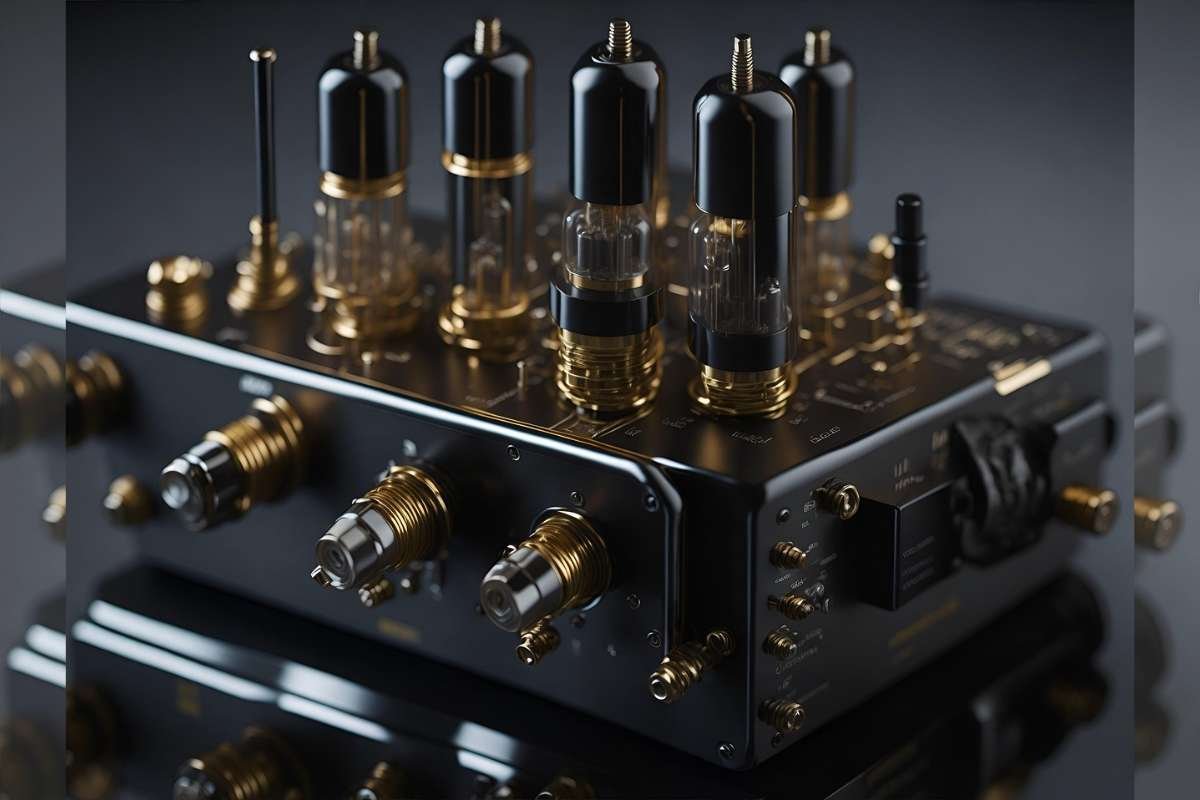
RF circulators and isolators are passive electronic components that are used to control the flow of RF signals.
You can think of them as traffic cops for radio waves.
A circulator is a three-port device that only allows signals to travel in one direction. It’s a roundabout for electromagnetic energy. The signal enters one port, then it exits from the next port in rotation. Signals cannot flow backwards in a circulator.
An isolator, on the other hand, is essentially a two-port circulator. It passes power from the input to the output. But it blocks any signals from trying to travel the other way. This is great for preventing damage to sensitive components due to signal reflections.
Both devices fall into the category of non-reciprocal RF components because they behave differently based on the direction that a signal is traveling. This unique property makes them extremely useful for RF system design.
Very important, huh?
Why Signal Protection Is More Important Than Ever?

RF circulators and isolators are some of the fastest growing components on the market right now. According to industry analysts, the global RF isolators and circulators market size was valued at USD 1.8 billion in 2024. It is expected to grow at a CAGR of 6.14% to reach USD 2.855 billion by 2033.
Why is there such strong growth?
5G technology.
The requirements for modern 5G networks are extreme. Extremely high frequencies, high power, and highly sensitive receiver electronics need protection. Base stations need to be protected from signal reflections that can burn out expensive amplifiers. And with over 500,000 5G base stations in operation in the United States alone, demand for reliable isolators has never been higher.
And it’s not just telecommunications…
RF circulators and isolators are also important for:
- Radar and defense systems
- Satellite communications
- Medical imaging systems
- Test and measurement equipment
Each of these applications demands precise control over signals. Without good isolation, reflected power can cause system failures and expensive downtime.
How Isolators Protect Your RF System?
Ok, so we know that they protect RF systems. But how?
Here’s the lowdown on what isolator integration actually does to improve system efficiency…
1. Preventing Amplifier Damage
Power amplifiers are expensive. They are also extremely sensitive to reflected power. If a signal bounces back from a mismatched antenna or load variation, it will travel back toward the amplifier. That reverse traveling energy can cause serious overheating. It can also cause permanent damage to the sensitive semiconductor devices in an amplifier.
The higher the power level, the worse the problem becomes. A small percentage of reflected power in a high-power system can still equal a lot of energy. This energy has to go somewhere. Without an isolator, it’s going straight into the amplifier output stage.
If you put an isolator between the amplifier and antenna, it absorbs that reflected energy and sends it safely to an internal termination load. Amplifier is happy, and system uptime is greatly improved.
2. Reducing Signal Interference
RF systems often have a lot of components that are operating close together. Without proper isolation, the signals can leak from one stage and start traveling back through the signal chain. This creates interference and degrades system performance. It also introduces noise into the system.
The telecommunications industry knows this problem better than most. That’s why it accounts for well over 25% of the RF isolator market. Clean signal paths are required for reliable data transmission.
Circulators deal with this problem by forcing signals to travel along the correct path. Each component in the system only gets the signals that are intended for it. This results in cleaner signal transmission. And, of course, better system efficiency.
3. Improving Impedance Matching
Perfect impedance matching is hard to do in real-world applications. Temperature changes, component aging, and environmental conditions all cause variations in matching conditions.
Isolators help with this. They absorb mismatched energy instead of letting it bounce around the system. This keeps system performance stable, even if conditions change.
How to Maximize Your System’s Efficiency with Proper Integration?

Getting the most out of RF circulators and isolators comes down to smart integration. There are a few key factors to keep in mind…
➤ Frequency Selection
Different applications will require different frequency ranges. The best modern isolators can operate from a few megahertz all the way up to millimeter-wave frequencies. Make sure you choose the right frequency range for your specific application.
➤ Power Handling
RF systems can range from low-power test systems all the way up to extremely high-power radar transmitters. Selecting isolators with the appropriate power ratings is important for preventing component failure. It also ensures reliable operation.
➤ Insertion Loss
Each component added into an RF chain will add a little bit of signal loss. High-quality isolators minimize this insertion loss. While still providing excellent isolation. The goal is to protect the system without losing too much signal strength.
➤ Environmental Considerations
Temperature, humidity, and vibration can all affect isolator performance. Systems for aerospace or other outdoor applications will require components designed to operate under harsh conditions. Selecting the proper parts will ensure consistent performance no matter what the operating environment is.
Benefits of Proper Isolator Integration
Done right, RF circulators and isolators can provide a big advantage…
1. Extended Component Life
Protected amplifiers and other sensitive components will last longer. This will reduce component replacement costs. And, more importantly, it will minimize system downtime. The savings can really add up over time.
2. Improved Signal Quality
Clean signal paths mean better data transmission. This is especially true for communications systems. Where the signal quality has a direct impact on user experience.
3. Less Maintenance
Systems with proper isolation in place will require less troubleshooting and repair. Reflected power problems simply do not happen. This means maintenance teams can focus on other things.
4. Better Return on Investment
Yes, high-quality isolators are not free. But their upfront cost is offset very quickly by improved reliability. And reduced repair costs. Smart integration pays for itself many times over.
Wrapping It Up
RF circulators and isolators are important components that help you maximize efficiency in your RF system. They protect your expensive amplifiers from reflected power. They reduce interference between system stages. They also keep system performance stable, even as conditions change.
The growth in telecommunications, defense, and other industries just goes to show how important these components are. Smart integration means taking frequency, power handling, insertion loss, and environmental considerations into account.
The bottom line is this…
Systems with properly integrated isolators will just perform better. Period. They will last longer. They will require less maintenance. And they will deliver better results for your investment.
For anyone serious about RF system performance, isolator integration is not optional. It’s a must.