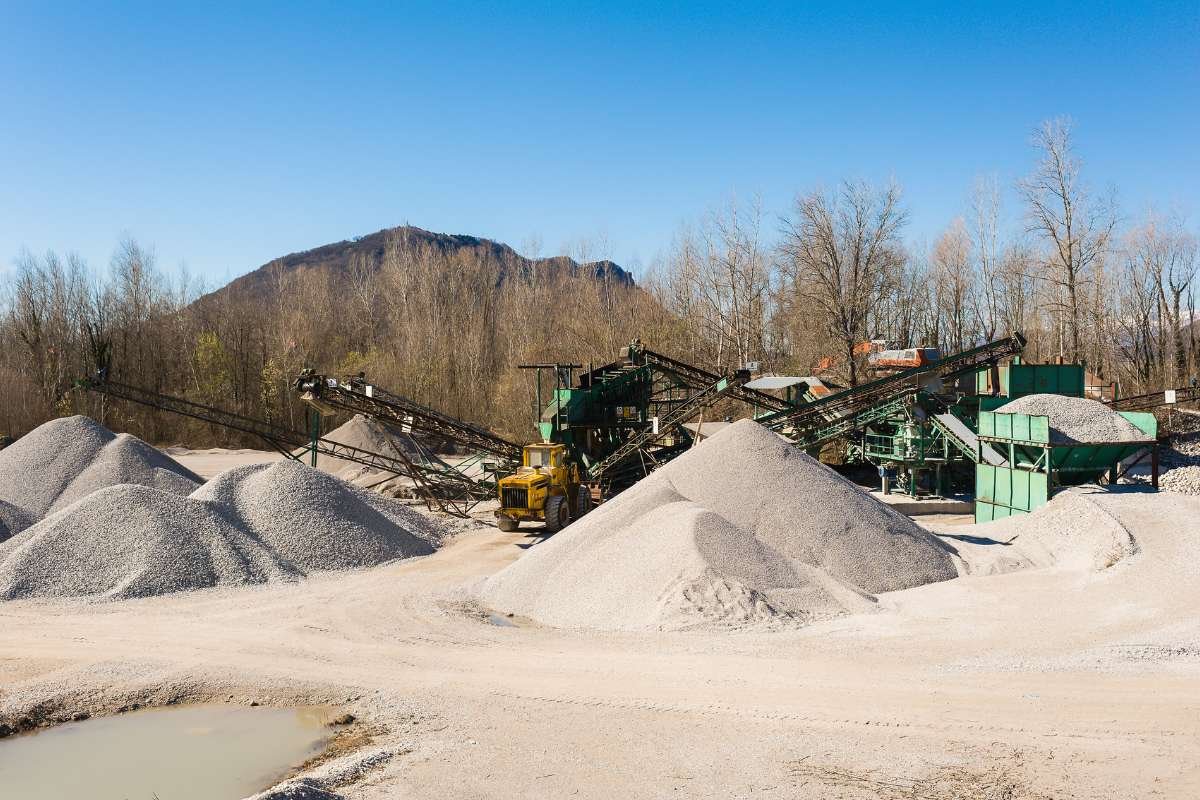
Choosing the right aggregate washing equipment is one of the most important decisions for any aggregate operation. Whether you are running a long-established quarry or developing a new site, the performance of your aggregate washing plant has a direct impact on product quality, operating costs, and long-term viability. With so many options available, taking a considered approach helps you invest in equipment that genuinely suits your operation.
Understanding Your Aggregate Washing Requirements
The first step is to be clear about what you need your aggregate washing system to achieve. Every site is different, so it is important to understand your feed material, levels of contamination, and the specifications required for your finished products. These factors will influence plant layout, water usage, and the type of aggregate washing technology that will work best.
For an aggregate processing plant, aggregate washing performance affects yield, consistency, and compliance with industry standards. If you supply into concrete, asphalt, or high-spec construction markets, cleanliness and grading tolerance matter even more. A good equipment supplier will review your gradings, clay content, and throughput targets before recommending a solution, rather than offering a one-size-fits-all approach.
Choosing Between Modular and Static Washing Plants
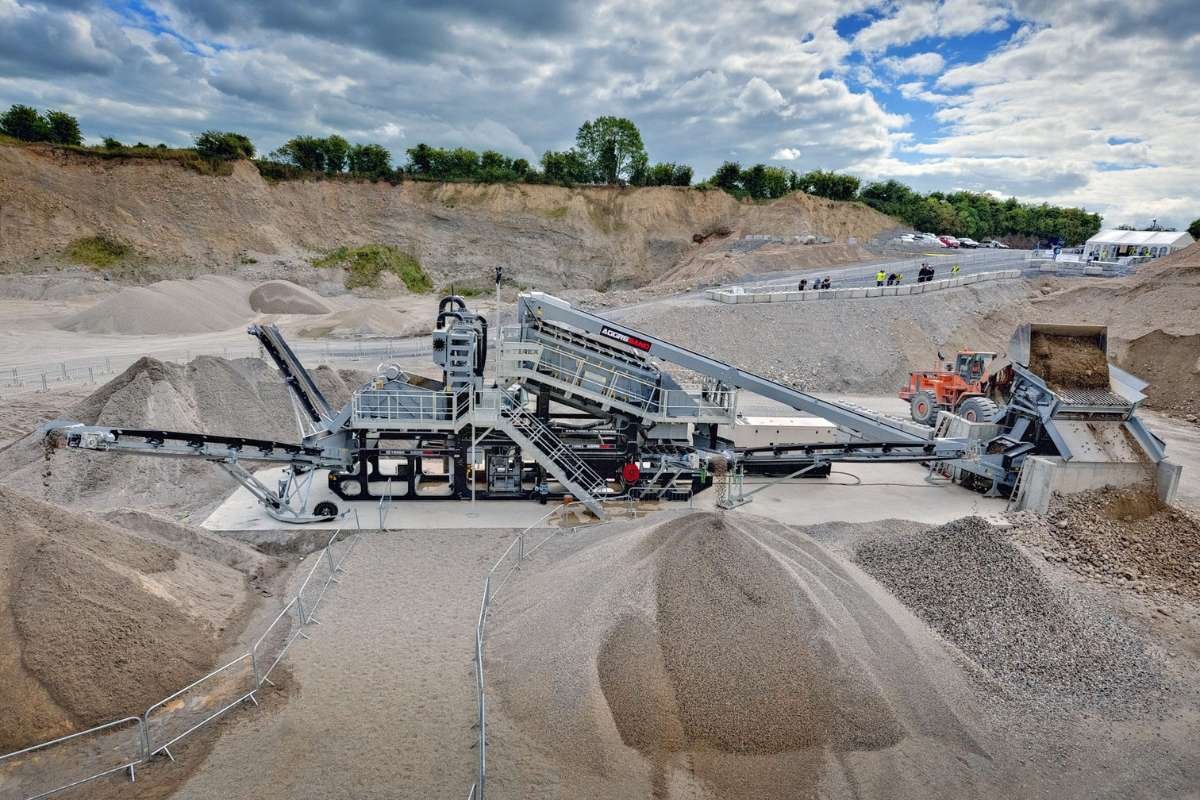
One of the main decisions is whether a modular or static washing plant is the better fit for your site.
Modular aggregate washing plants are often chosen for their speed of installation and flexibility. They are easier to transport and relocate, making them well-suited to sites where reserves change over time or where equipment is needed quickly to meet a contract. Modular systems are built from standard units, allowing operators to start with essential components and add extra stages as production grows.
This type of setup works well for hire fleets and contract aggregate washing work, where adaptability is important. It can also suit operators who are testing a new deposit or entering a new market, as modular layouts reduce upfront investment and allow performance to be proven before committing to a permanent installation.
Static aggregate washing plants are more commonly used on long-life sites with higher tonnages. These installations are typically designed as a fully integrated system, combining washing, screening, and sometimes crushing within a fixed layout. A static aggregate washing plant can deliver higher throughput and more robust water and silt management, particularly where space and planning allow for a permanent footprint.
Static plants are often preferred where electrical supply, civils, and access can be optimised from the outset. They also lend themselves well to automation and monitoring, making them suitable for sites where efficiency and control are priorities over many years of operation.
Deciding Between New and Used Washing Equipment
Another key consideration is whether to invest in new or used aggregate washing equipment. New plant offers the latest design features, manufacturer support, and warranties, along with a full service history from day one. This route is often chosen for flagship sites or operations where downtime must be kept to an absolute minimum.
Used equipment can provide a cost-effective alternative, particularly for satellite sites or short-to-medium-term projects. When supplied by a specialist aggregate dealer, refurbished machines are typically inspected, fitted with new wear parts, and updated where needed. In many cases, combining new and used components within one plant allows operators to balance budget with performance.
Sizing Plant Capacity for Your Operation
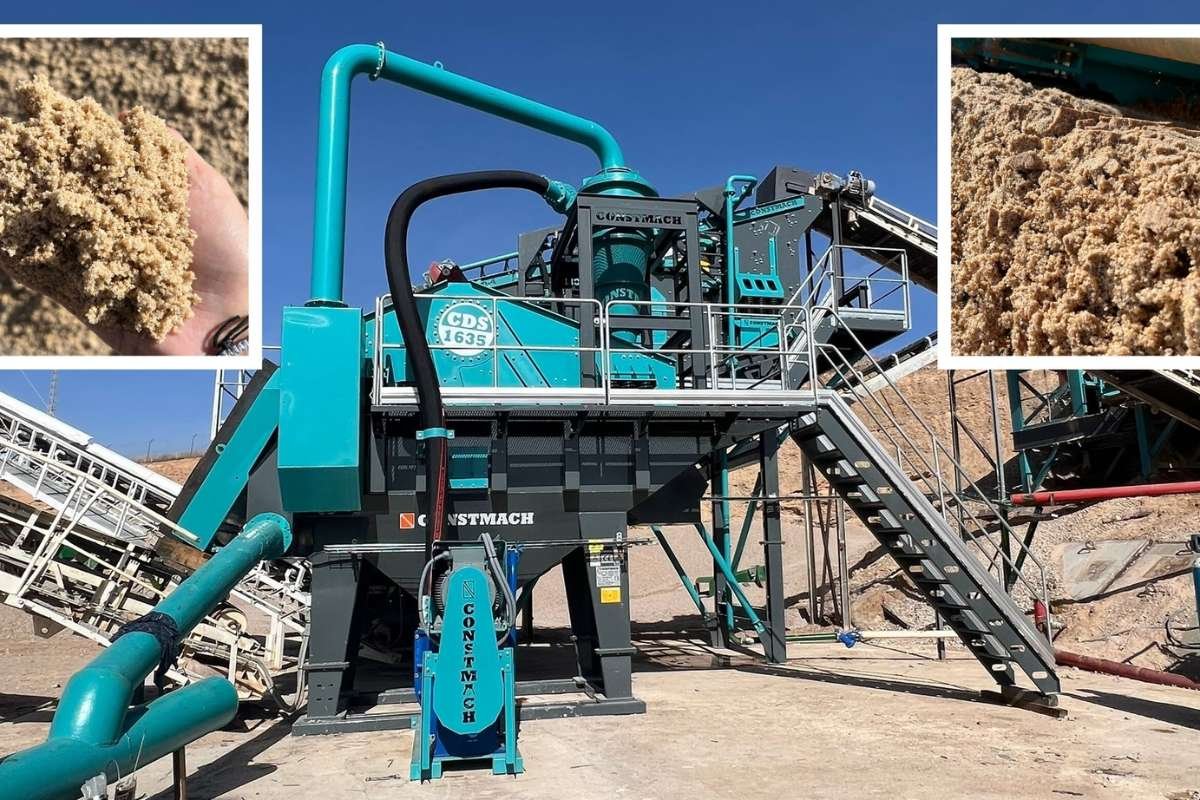
Correct plant sizing starts with realistic throughput targets and expected operating hours. It is important to plan for peak demand rather than average output, as running a plant constantly at full capacity can lead to increased wear and unexpected downtime.
An experienced supplier will evaluate how your primary crusher, screens, and aggregate washing equipment interact as a complete system. Bottlenecks often arise around log washers, cyclones, dewatering screens, or water treatment units. Allowing capacity headroom at these points helps protect product quality and ensures production runs smoothly.
Future growth should also be considered at the design stage. Modular systems or static plants designed with spare bays and conveyor positions make later expansion far simpler. This avoids the disruption and cost of replacing undersized equipment after only a few years.
Comparing Contracting, Ownership, and Hire
There are several ways to access aggregate washing equipment, each suited to different operational needs.
Contract aggregate washing and processing suits operators who want material processed without owning and managing the plant themselves. The contractor supplies the equipment, operators, and maintenance, delivering production at an agreed rate. This approach works well for short-term campaigns, overburden clean-ups, or trial production runs.
Owning an aggregate washing plant makes sense for sites with consistent, long-term production. While the initial investment is higher, ownership gives greater control over operating hours, product mix, and future changes. Reputable suppliers can deliver fully engineered plants, along with installation, commissioning, and ongoing servicing to protect the asset.
Hire is often used to cover temporary capacity gaps, breakdowns, or seasonal peaks. It also allows operators to trial specific equipment before making a purchase. Many quarries find that combining owned core equipment with hired modular units provides a flexible and cost-effective solution.
Working With a Specialist Aggregate Equipment Partner

Choosing aggregate washing equipment is far easier when you work with a supplier that understands the full picture. A specialist partner can advise on design, supply new and used plant, offer hire options, and provide servicing and contract support.
Look for experience across minerals, mining, quarrying, and construction, with a proven record of delivering complete washing, crushing, and screening plants. This joined-up approach helps you build a washing system that supports both current production and future growth.