In today’s enterprise landscape, project management is no longer about simply delivering initiatives on time. It’s about orchestrating complexity at scale – across global teams, competing priorities, and constantly shifting strategic goals. For large organizations, scaling project management requires a radical shift from ad-hoc coordination to structured, data-driven governance.
This article explores how high-performing enterprises are achieving scalable project success through centralized PMO models, intelligent software like FlexiProject, and emerging practices shaping the discipline in 2026.
From Spreadsheets to Strategic Command: The Role of the PMO

At scale, project chaos can be fatal. That’s why leading organizations establish robust Project Management Offices (PMOs) to act as central governance hubs. PMOs enforce standardized frameworks – including project charters, risk protocols, and approval paths – ensuring that every initiative aligns with enterprise strategy.
More than just a control center, a modern PMO connects the dots between day-to-day project execution and high-level business priorities. Portfolio-level visibility allows leadership to prioritize initiatives based on ROI, resource availability, and risk exposure. Scoring models and KPI-driven selection processes guide investment decisions, while regular portfolio reviews ensure continuous alignment.
By anchoring project execution to strategic outcomes, the PMO becomes a value generator – not a bureaucratic layer.
Why Centralization + Flexibility = Scalability?
Scaling project management isn’t just about replicating processes. It’s about adapting them intelligently across departments, regions, and business units. Successful enterprises strike a balance: they standardize where needed and flex where it matters.
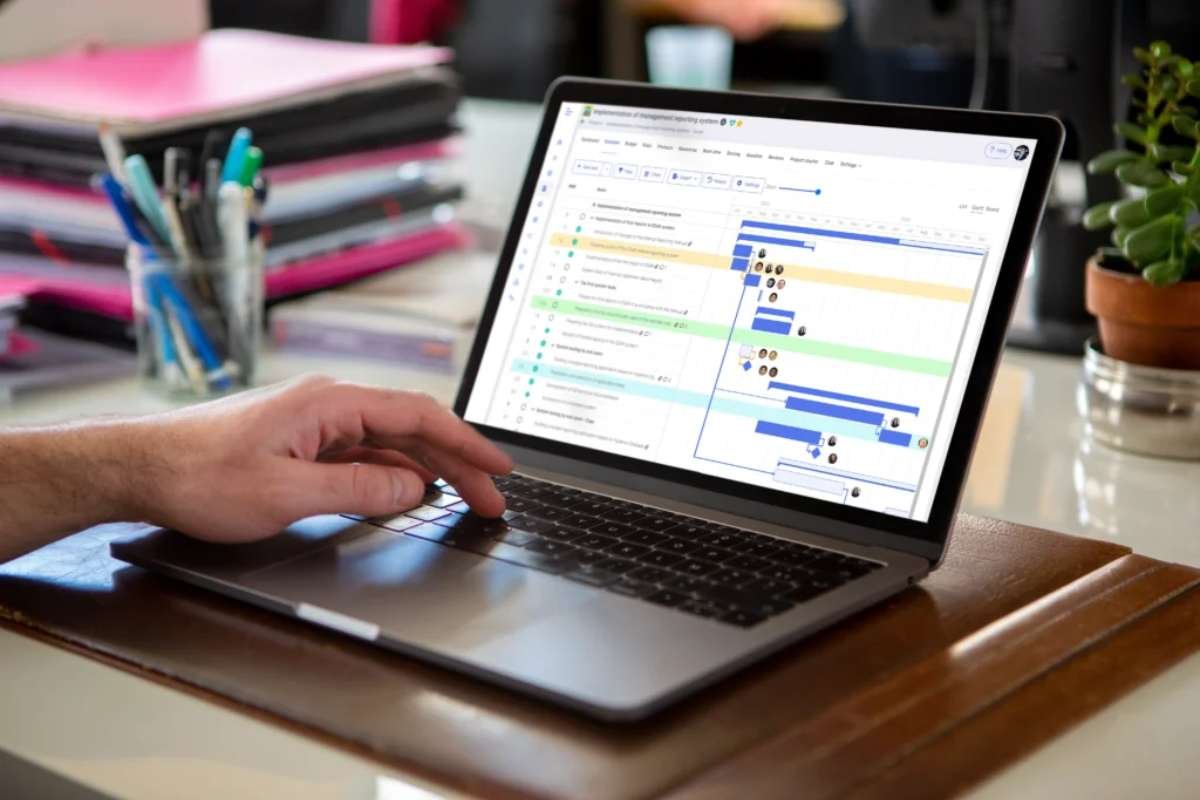
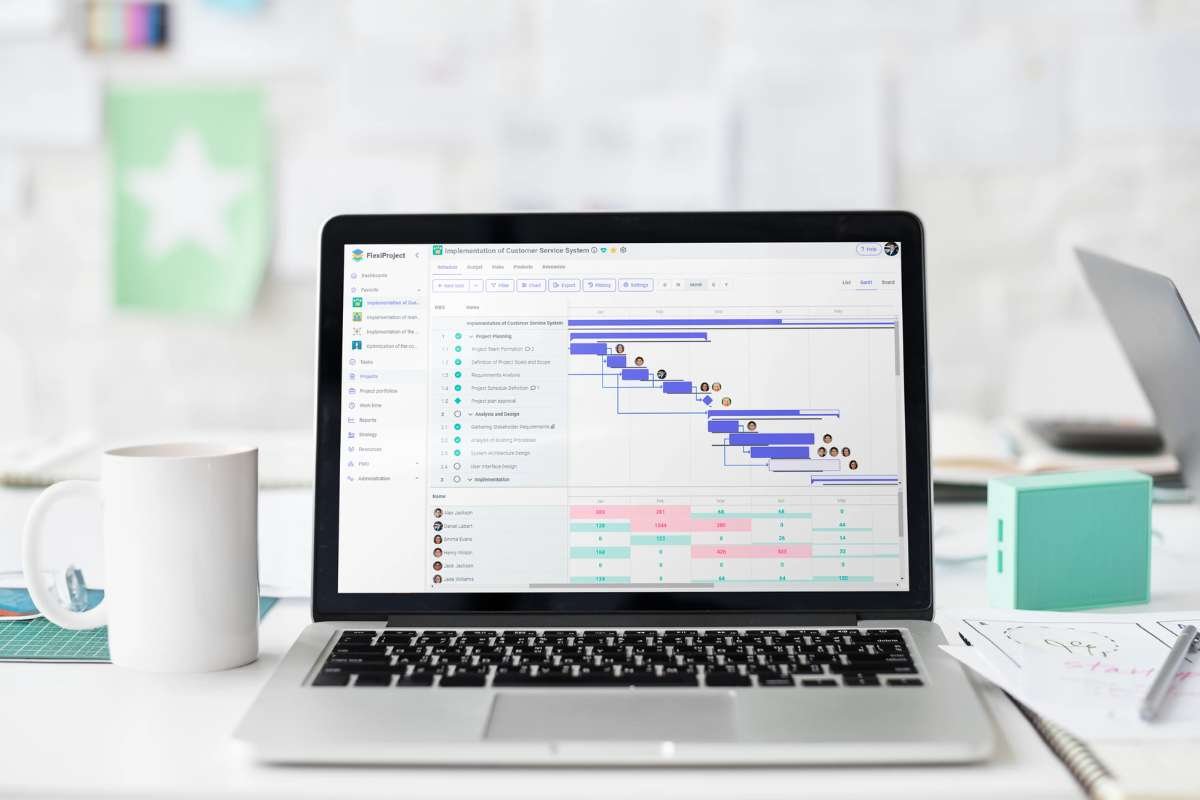
Tools like FlexiProject support this duality. Its built-in templates, customizable workflows, and role-based access allow organizations to maintain consistency without limiting innovation. Project data, once scattered across spreadsheets and inboxes, is now accessible in real time – from Gantt charts and risk registers to budget burn reports and team capacity dashboards.
Related reading: What is a Gantt Chart – and How to Create One?
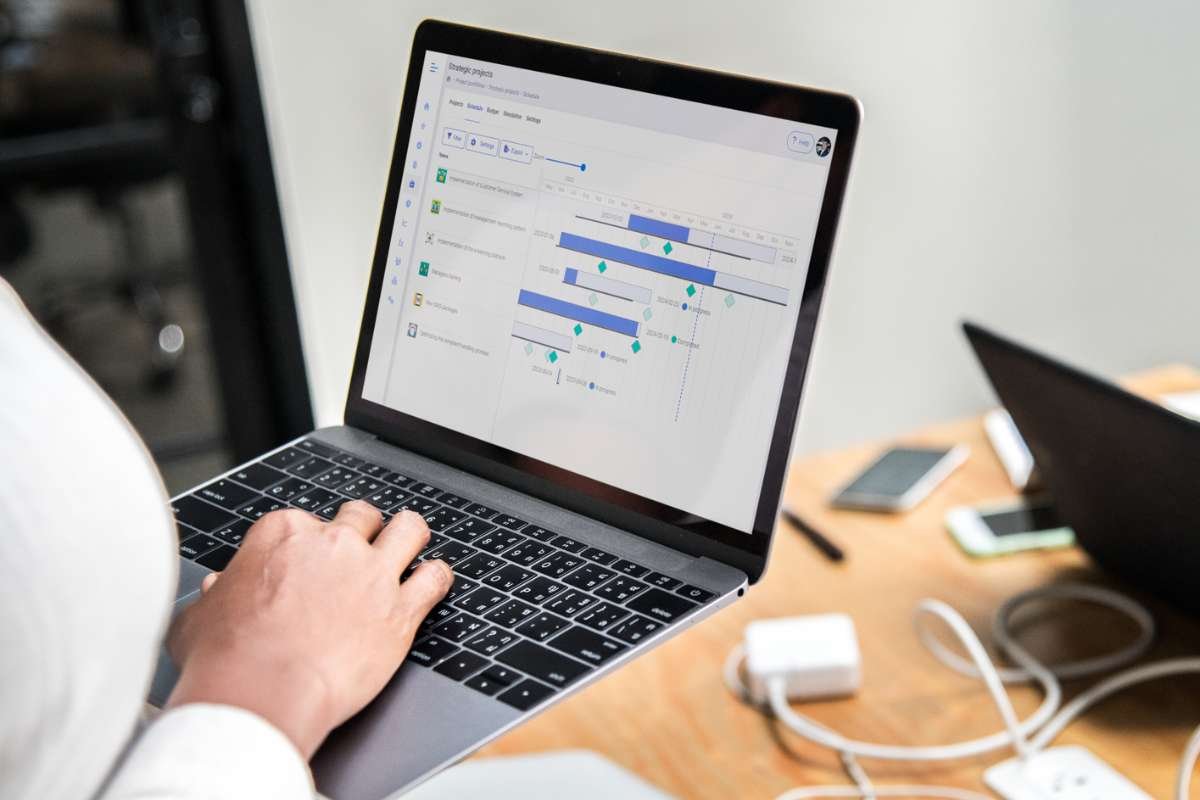
Gantt charts, in particular, have evolved into interactive, real-time planning environments. Instead of static visuals, enterprise platforms now offer dynamic timelines that automatically adjust based on dependencies, resource conflicts, and approval bottlenecks.
Automation and Integration: The Backbone of Enterprise Efficiency

As scale increases, so does operational friction. That’s why top enterprises are investing in automation-first project platforms. These tools eliminate low-value administrative work by automating:
- Task approvals and notifications
- Budget tracking and variance analysis
- KPI dashboards and stakeholder reports
- Risk scoring and escalation workflows
FlexiProject, for instance, offers native automation of project lifecycles – from initiation through closure – with deep integrations into ERP, CRM, and HR systems. This connected ecosystem enables real-time data flow, holistic resource management, and cross-functional transparency.
The result? Project managers spend less time chasing status updates and more time solving strategic problems.
Emerging Trends in Enterprise PM: What 2026 Will Bring
The future of project management at scale is shaped by three major shifts:
1. AI-Augmented Decision-Making
AI is no longer a buzzword – it’s becoming the invisible analyst behind portfolio decisions. Expect tools that can:
- Predict delays based on historical patterns
- Recommend optimal resource allocation
- Flag projects at risk before issues emerge
These capabilities don’t replace the project manager – they amplify strategic thinking with faster, more accurate insights.
2. Hybrid Methodologies Become the Default
Enterprises are increasingly blending Agile and traditional approaches. Hybrid models offer structure without rigidity – ideal for balancing innovation and control across complex programs. FlexiProject enables teams to run Waterfall and Agile side-by-side, with centralized oversight.
3. SaaS and Remote Collaboration
Cloud-native platforms are now essential infrastructure. With distributed workforces, SaaS-based project management tools allow seamless access, faster onboarding, and real-time updates – no matter where teams are located.
Soft Skills Rise with the Machines
While automation handles repeatable tasks, leadership and communication skills grow in strategic importance. Leading virtual teams, resolving cross-cultural conflicts, and influencing stakeholders in matrixed environments are now core competencies for enterprise PMs.
Scaling is no longer just about tools – it’s about mindset. Enterprises that invest equally in people, process, and platforms will be the ones that thrive in complexity.
Final Thought: Build for Flexibility, Govern with Discipline

Scaling project management is not a one-time transformation. It’s an ongoing evolution that blends structure, adaptability, and insight-driven execution.
Enterprise leaders must build systems that support rapid change, while preserving strategic clarity. Platforms like FlexiProject are designed for exactly this challenge – helping PMOs move beyond control toward intelligent orchestration.
In 2026 and beyond, scaling project management isn’t about doing more. It’s about doing the right things, at the right time, with the right people – consistently.