Shipping is one of the fastest ways to win or lose trust in eCommerce. Customers may forgive a small website glitch. They rarely forgive a package that arrives late, damaged, or with surprise fees. So a “shipping setup” is not a checkbox. It is an operating system that touches margins, customer support, and repeat purchases.
This is where tools and carriers start to matter in practical ways. A SAIA freight quote becomes relevant the moment an order turns bulky enough for LTL freight, and platforms like Shipduo for eCommerce shipping can help teams compare carrier options, automate labels, and keep order flow organized when volume rises.
How Shopify Shipping Works?
Shopify gives merchants a central place to manage shipping rules, checkout rates, labels, tracking, and fulfillment workflows. The customer sees the result at checkout. The team feels the result in the admin, inside order details, packing slips, and tracking updates.
The key idea is simple: shipping decisions happen twice. First at checkout, when the store presents delivery choices and pricing. Then after purchase, when the team buys labels, chooses packaging, and hands the parcel to a carrier. A solid setup keeps those two moments aligned so the label cost does not surprise the business after the customer has already paid.
Shopify can support several fulfillment styles, too. Some sellers ship everything in-house. Others rely on 3PLs, dropship partners, or a mix. The more mixed the fulfillment, the more important it is to set rules that prevent awkward outcomes, like charging one shipping fee for what turns into two shipments.
Shopify Shipping Rates: The Options That Shape Checkout
Rates are the “menu” customers see at checkout. The best menu feels clear and fair. The best menu also protects margins. That balance comes from choosing the right type of rate for the business model and product catalog.
Most stores end up choosing from a few practical rate types:
- Flat-rate shipping for simplicity and predictable packaging
- Free shipping above a threshold to lift average order value
- Calculated carrier rates for accuracy on varied weights and distances
- Local delivery and pickup for local-first brands or showrooms
The real work is not picking one type. It is handling the edge cases. Heavy items. Split shipments. A “small” order that still needs a large box. Or a customer who buys one lightweight item plus one bulky item. The rate structure needs to match how orders behave in real life, not how they look in a product grid.
Carriers, Service Levels, and When Freight Enters the Chat

Many Shopify stores live in the small-parcel world: boxes, mailers, and predictable carrier services. But some product categories eventually run into freight. Think furniture, gym equipment, large electronics, or bulk B2B orders. When a shipment cannot move efficiently through parcel networks, LTL freight becomes the more realistic lane.
Freight changes the pricing logic. It adds variables like liftgate service, residential delivery fees, and appointment scheduling. It also changes packaging standards. A pallet is not optional if the goal is fewer damage claims. A good workflow starts by flagging freight-eligible items early, so checkout does not show a parcel-like price that collapses later.
A practical approach is to separate products into groups: parcel-friendly items and freight-leaning items. That makes it easier to assign the right rates and messaging. It also helps customer support answer the big questions quickly: delivery window, curbside vs. inside delivery, and what the customer needs to do on their end.
Shipping Apps and “Connections”: What They Really Add
While Shopify can handle a lot on its own, many merchants choose to enhance their Shopify shipping capabilities by adding specialized apps. These tools are essential for those who need features like multi-carrier rate shopping, smarter packing logic, branded tracking, advanced returns, or freight booking.
The best time to add a shipping app is when the pain is specific. Not vague. For example:
- The team spends too long creating labels in batches
- Rates at checkout feel inconsistent across zones
- International shipping creates frequent support tickets
- The catalog includes a mix of small-parcel and LTL freight items
- Returns processing burns too many hours each week
A good app should reduce clicks and reduce mistakes. If it adds steps, it is not helping. The goal is clean handoffs: order comes in, label gets created using consistent rules, tracking gets pushed to the customer, and exceptions are easy to spot before they become angry emails.
Packaging, Dimensional Weight, and the “Silent Cost” Problem
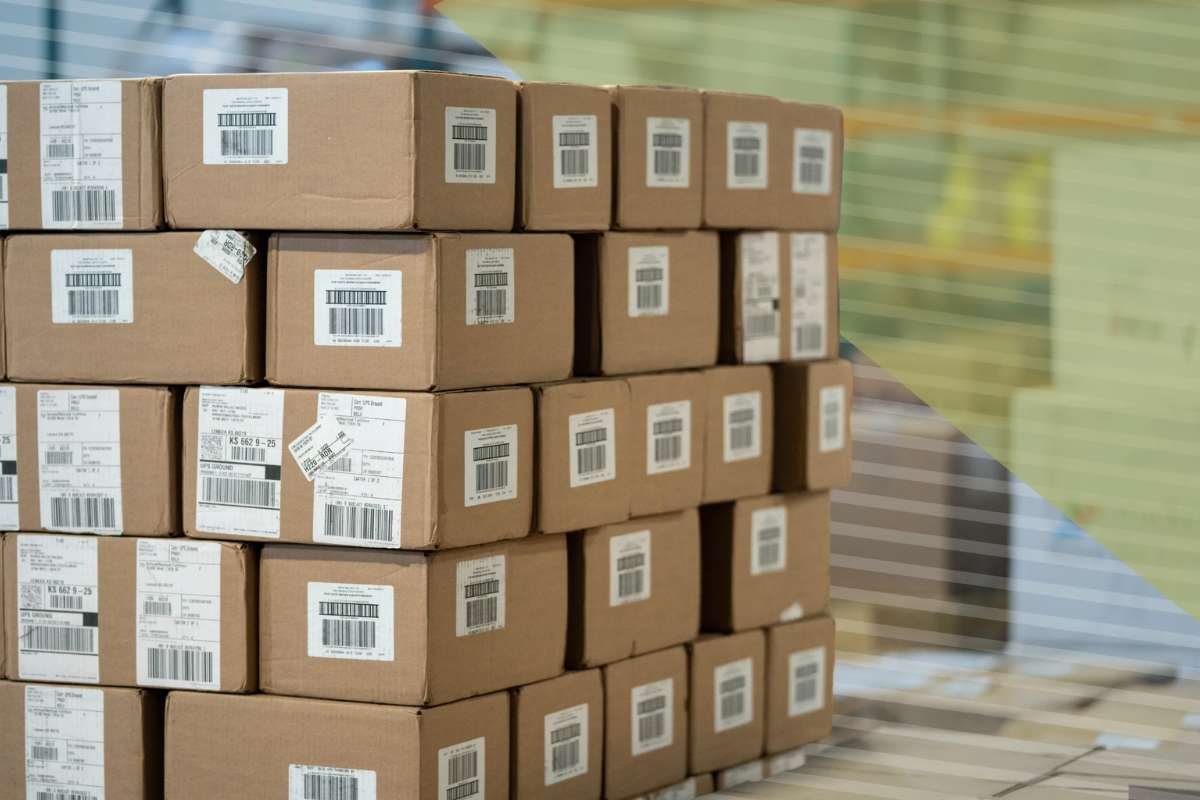
Many shipping surprises come from one quiet issue: dimensional weight. The store thinks it sells a two-pound item. The carrier sees a big box and charges like it weighs far more. That gap can crush margins, especially for lightweight items that ship in large packaging.
A strong shipping setup treats packaging as part of product data. Not an afterthought. It helps to document:
- Best-fit box or mailer for each product
- Common multi-item bundles and how they pack
- Void fill needs for fragile items
- Labels like “ships alone” for odd shapes
One practical habit is to run a monthly “shipping audit” on real orders. Pull a sample of shipments and compare what the customer paid to the true label cost. If the gap repeats, the fix is usually packaging, rate rules, or product weights and dimensions. Not a new carrier.
International Shipping: Duties, Taxes, and Customer Expectations
International shipping is less about distance and more about clarity. Customers want to know what they will pay and how long it will take. Confusion around duties and taxes can turn a great brand into a chargeback situation.
The safest approach is to be explicit in checkout and in post-purchase messages. If duties may be collected on delivery, say so plainly. If the store offers duty-paid shipping in certain markets, label it clearly so customers understand the trade-off. International shipping also benefits from strong tracking and proactive exception handling because customs delays are normal in many lanes.
Another practical point: international returns are expensive. Many stores choose to limit returns from certain regions, offer store credit, or route returns to a local hub. The “best” policy depends on margins and product type, but the policy should match the reality of shipping costs and transit times.
Returns, Tracking, and Post-Purchase Experience

Effective Shopify shipping does not end at label creation; it ends when the customer feels taken care of. That is why tracking, delivery updates, and return workflows matter as much as rates.
A clean post-purchase setup usually includes:
- Automatic tracking emails or SMS
- A branded tracking page that reduces “Where is my order?” tickets
- Clear steps for returns, including what counts as “final sale”
- A process for exceptions: lost, delayed, or damaged shipments
Returns are also a data source. If returns spike for a certain item, it may not be a product problem. It may be a packaging or damage problem. If customers return because “it arrived late,” that might be a carrier service-level mismatch for a certain zone. Post-purchase is where shipping becomes measurable.
Cost Control Without Cutting Corners
Every store wants lower shipping spend. The better goal is predictable shipping spend. Predictability makes pricing and customer promises easier.
Cost control usually comes from a few repeatable moves:
- Adjusting packaging to reduce dimensional weight
- Setting free-shipping thresholds that protect margin
- Using zone-based rules or region-based options
- Auditing address errors and failed deliveries
- Choosing service levels that match product value and urgency
One short story shows why this matters. A growing brand might chase the cheapest label on every order. Then support tickets rise because packages arrive later than expected. The “saved” dollars turn into labor costs and refunds. A better strategy is consistent service levels by product type, clear promises at checkout, and a workflow that catches exceptions early.
A Shipping Setup That Grows With the Store
Shopify shipping can be simple at the start, but it rarely stays simple. Product lines change. Average order value shifts. New regions open. Freight shows up. Returns volume changes. The stores that stay calm through that growth treat shipping as a living system and tune it over time.
The good news is that most improvements are practical, not dramatic. Better packaging data. Cleaner rate rules. Smarter connections to carriers and shipping apps. A clear post-purchase flow. With those pieces in place, shipping stops feeling like daily firefighting and starts feeling like an organized part of the business.