
Clean doesn’t mean germ-free. Good hygiene is about caring for your skin, mouth, hair, intimate area, and surroundings while protecting the natural barriers that keep you healthy.
For women, that balance matters. Over-washing, douching, fragranced products, and harsh scrubs can irritate sensitive skin and upset the vaginal environment. Meanwhile, simple habits like hand washing, safe menstrual-product use, dental care, and changing out of sweaty clothes genuinely reduce everyday health risks.
Here are hygiene tips for women worth doing, what you can skip, and when a change in odor, discharge, itching, pain, or irritation means it’s time to see a doctor.
Why good hygiene does not mean over-cleaning
Your body already has natural protective mechanisms. The vagina, for example, maintains an acidic environment supported by beneficial bacteria. Douching or using fragranced products can disturb this balance and may increase irritation or the risk of problems such as bacterial vaginosis.
The American College of Obstetricians and Gynecologists recommends avoiding douches, feminine sprays, and deodorants around the vagina. Gentle external cleaning is generally enough.
Hygiene also extends beyond intimate care. The CDC notes that effective hand washing helps reduce the spread of germs that can cause gastrointestinal and respiratory illnesses.
The goal is therefore clean, not stripped, scrubbed, or perfumed.
15 hygiene tips for women that actually work
1. Clean the vulva gently
The vulva is the external area; the vagina is the internal canal, so they need different care.
Clean the vulva gently with lukewarm water. If you use a cleanser, make it mild, fragrance-free, and strictly external. Never put soap, washes, or deodorants inside the vagina. Stop using any product that causes burning, dryness, itching, or irritation.
2. Skip douching and feminine deodorants
Douching does not make the vagina healthier or “cleaner.” It can remove protective bacteria and disturb the vaginal environment.
ACOG specifically advises against douching, feminine sprays, and vaginal deodorants. The CDC also identifies douching as a factor associated with bacterial vaginosis.
A natural vaginal odor is normal. A sudden or strong change in odor, especially with discharge, itching, or pain, is more important than trying to cover the smell with a fragrance.
3. Handle period products safely
Choose menstrual products based on your flow, comfort, skin sensitivity, and the manufacturer’s instructions.
For tampons, the FDA recommends changing them every 4–8 hours and never wearing one for more than 8 hours. It also recommends using the lowest absorbency needed.
Wash your hands before and after changing menstrual products.
For reusable menstrual cups or other reusable products, follow the manufacturer’s cleaning, storage, and replacement instructions carefully.
4. Do not treat normal vaginal discharge as dirt
Vaginal discharge is normal and shifts throughout your menstrual cycle. According to ACOG, healthy discharge is typically clear to white with no strong odor. A change in color, consistency, amount, or smell may need medical attention.
One of the most useful hygiene tips for women: don’t try to clear normal discharge with internal cleansing.
5. Wash your hands at the right times
Handwashing is one of the simplest and most effective hygiene habits.
Wash with soap and clean running water, particularly:
- Before preparing or eating food
- After using the bathroom
- Before and after changing menstrual products
- After caring for someone who is sick
- After handling potentially contaminated surfaces or materials
When soap and water are unavailable, use an alcohol-based hand sanitizer when appropriate.
6. Keep your oral hygiene routine simple
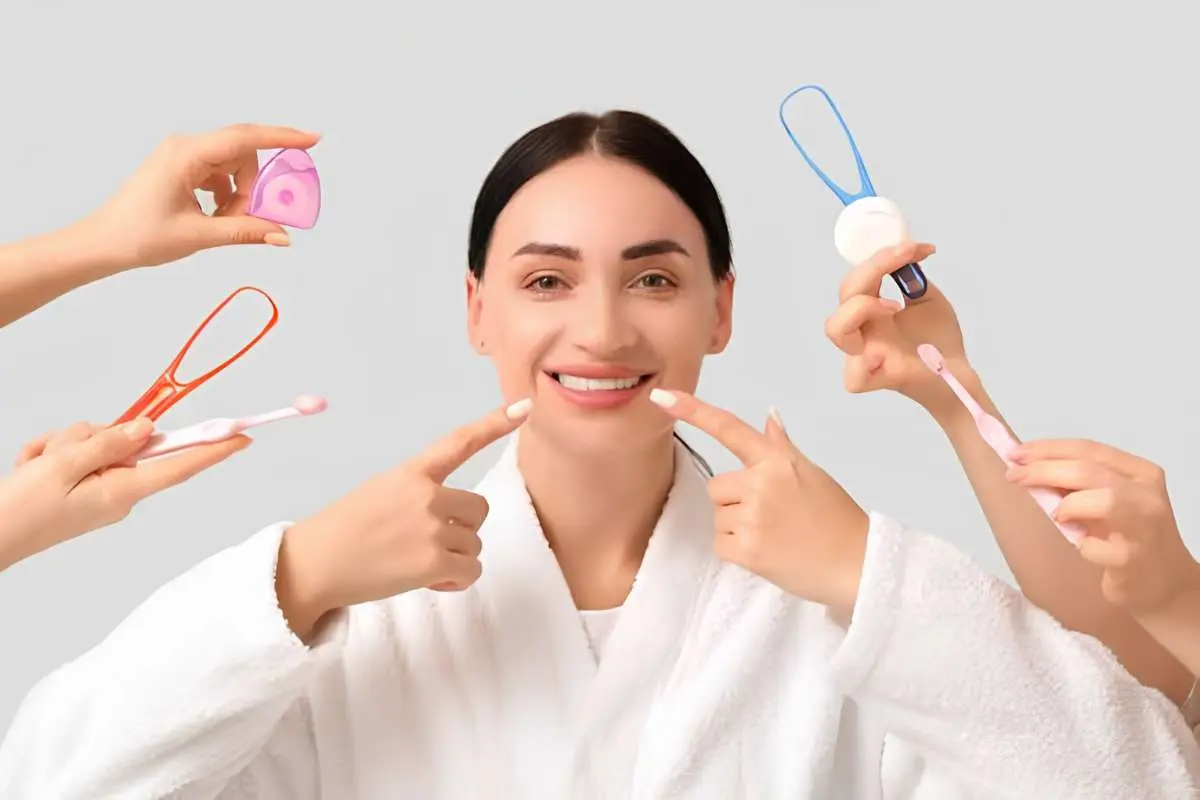
Brush your teeth twice a day for two minutes with fluoride toothpaste and clean between your teeth daily with floss or another suitable interdental cleaner.
The American Dental Association recommends replacing toothbrushes every three to four months, or sooner if the bristles become frayed.
Mouthwash can be useful for some people, but it should not replace brushing and cleaning between the teeth.
7. Change out of sweaty clothes
You don’t need to change clothes after a single wear. But swap out underwear, socks, or workout clothes once they’re sweaty, damp, or soiled, since lingering moisture can irritate.
Choose fabrics for comfort, activity, weather, and skin sensitivity rather than assuming one is best for everyone.
8. Keep your feet dry and clean
Wash your feet regularly and dry carefully, especially between the toes.
If your feet sweat heavily, breathable footwear and moisture-management strategies may help. Avoid using medicated or antifungal products unnecessarily; persistent itching, scaling, cracking, or odor may need evaluation for a fungal infection or another skin condition.
9. Take care of your nails without overdoing it
Among the most overlooked hygiene tips for women, nail care comes down to keeping fingernails and toenails clean and trimmed to a length that suits you.
Avoid aggressively cutting or pushing back cuticles, since the surrounding skin helps protect against infection.
If you get manicures or pedicures, choose a salon that follows appropriate cleaning and sterilization practices.
10. Clean hair according to your hair and scalp needs
There is no universal rule that every woman needs to wash her hair two or three times a week.
Washing frequency depends on factors such as scalp oiliness, hair texture, activity level, climate, styling products, and scalp conditions.
Focus shampoo on the scalp and use conditioner according to your hair’s needs. Persistent scaling, itching, sores, or hair loss should not automatically be treated as a hygiene problem.
11. Shower for comfort, not to chase “perfect cleanliness”
Regular bathing removes sweat, dirt, and grime, but longer, hotter showers aren’t healthier. Too much hot water can dry and irritate your skin.
Stick to lukewarm water, keep showers short, and moisturize with a fragrance-free product.
12. Change bedding, towels, and personal items regularly
Towels, pillowcases, sheets, and makeup tools collect sweat, oils, and microbes. Wash them regularly based on use and material, and let towels dry fully between uses.
Never share toothbrushes, razors, or towels, since they can transfer germs.
13. Choose fragrance-free products when skin is sensitive
“Feminine,” “natural,” “fresh,” or “pH-balanced” on a label does not automatically mean a product is necessary or irritation-free.
When selecting products for sensitive areas, look for:
- Fragrance-free formulas
- Fewer unnecessary ingredients
- Clear usage instructions
- Products appropriate for the intended body area
- Reputable safety or quality certifications where relevant
Avoid assuming that essential oils, botanical extracts, or “natural” ingredients are automatically gentler.
14. Wipe from front to back
After using the toilet, wiping from front to back helps reduce the chance of transferring bacteria from the anal area toward the urethra and vulva.
This is particularly useful as a simple everyday hygiene habit.
15. Pay attention to changes instead of masking them
Good hygiene includes knowing what is normal for you.
Do not automatically reach for perfume, intimate washes, deodorizing sprays, or over-the-counter treatments when you notice a new odor, discharge, itching, rash, or pain.
Instead, consider whether the symptom could indicate irritation, infection, a skin condition, hormonal changes, or another health issue.
How hygiene tips for women change across life stages

Puberty and adolescence
Hormonal changes can increase sweating, oiliness, discharge, and menstrual needs. Teens benefit from learning the basics: handwashing, safe menstrual-product use, gentle vulvar care, dental hygiene, and when symptoms need medical attention.
Reproductive years
Menstrual cycles, sexual activity, pregnancy, contraception, and medications can all affect vaginal health during the reproductive years. Not every change is a hygiene failure, but new or persistent symptoms deserve a medical check.
Pregnancy and postpartum
Pregnancy can increase discharge, sweating, and skin sensitivity. After childbirth, bleeding, healing, or stitches may change your hygiene needs, so follow your maternity care team’s instructions over general advice.
Perimenopause and menopause
Lower estrogen after menopause can cause vaginal and vulvar dryness, irritation, or urinary changes. These aren’t signs of poor hygiene. If symptoms persist or disrupt daily life, talk to a healthcare professional.
Hygiene myths vs. facts
Myth 1: A vagina needs special washes to stay clean
Fact: The vagina is self-cleaning. Internal washing and douching are not recommended and may disrupt its normal environment.
Myth 2: Strong fragrance means better freshness
Fact: Fragrance masks odor rather than addressing its cause and can irritate sensitive skin.
Myth 3: More washing always means better hygiene
Fact: Excessive washing can dry or irritate skin, particularly around the vulva. Gentle, appropriate cleaning is enough.
Myth 4: All vaginal odor means an infection
Fact: Some vaginal odor is normal. A new or strong odor, especially when accompanied by unusual discharge, itching, burning, or pain, deserves attention.
Myth 5: Cotton underwear is mandatory for every woman
Fact: Breathable, comfortable underwear can be helpful, but there is no need to treat one fabric as a universal medical requirement. Comfort, moisture, fit, and individual skin sensitivity matter.
Myth 6: Mouthwash can replace brushing
Fact: Mouthwash does not replace twice-daily brushing with fluoride toothpaste or daily cleaning between the teeth.
Myth 7: You should treat every itch as a yeast infection
Fact: Itching, burning, odor, and discharge can have different causes. The CDC notes that symptoms alone may not accurately identify vaginitis, making appropriate evaluation important when symptoms persist or recur.
When to see a doctor
Hygiene changes cannot explain every symptom.
Speak with a healthcare professional if you experience:
- Persistent or severe vaginal or vulvar itching
- Burning or significant irritation
- A new or strong vaginal odor
- Unusual discharge, particularly with a change in color or consistency
- Pelvic pain
- Pain or burning when urinating
- Bleeding between periods or after sex
- Sores, blisters, swelling, or unexplained skin changes
- Recurrent vaginal symptoms despite self-care
- Symptoms that do not improve after appropriate treatment
Do not repeatedly use over-the-counter vaginal treatments based only on symptoms. The CDC notes that history alone may not reliably identify the cause of vaginal symptoms, and examination or laboratory testing may sometimes be needed.
Seek urgent medical attention if you develop severe symptoms such as high fever, fainting, severe pelvic pain, or symptoms suggestive of toxic shock syndrome while using a tampon.
Conclusion:
Good hygiene isn’t about scrubbing harder or smelling like perfume. It’s about consistency, gentleness, and knowing what’s normal for your body. The best hygiene tips for women are simple: wash your hands, keep intimate care external and fragrance-free, use menstrual products safely, and change out of damp clothes.
Most importantly, don’t mask symptoms. A new odor, unusual discharge, itching, or pain is your body’s way of speaking up, and it deserves a proper check-up rather than another product.
Start with one small change today, and share this guide with a friend who could use it.
FAQ:
1. What are the most important hygiene tips for women?
Focus on gentle external cleansing, regular handwashing, menstrual-product safety, oral care, clean clothing, appropriate bathing, and avoiding unnecessary fragranced intimate products or douching.
2. Are feminine washes necessary?
No. Feminine washes are not necessary for keeping the vagina clean. Fragranced or irritating products may worsen symptoms for some women.
3. How often should tampons be changed?
The FDA recommends changing tampons every 4–8 hours and never wearing one for more than 8 hours.
4. Is vaginal odor normal?
Some natural vaginal odor is normal. A sudden or strong change in odor, particularly with unusual discharge, itching, burning, or pain, indicates medical attention.
5. How often should women wash their intimate area?
The external vulva can generally be cleaned gently once a day and after activities that cause significant sweating or soiling. The vagina itself does not need internal washing.