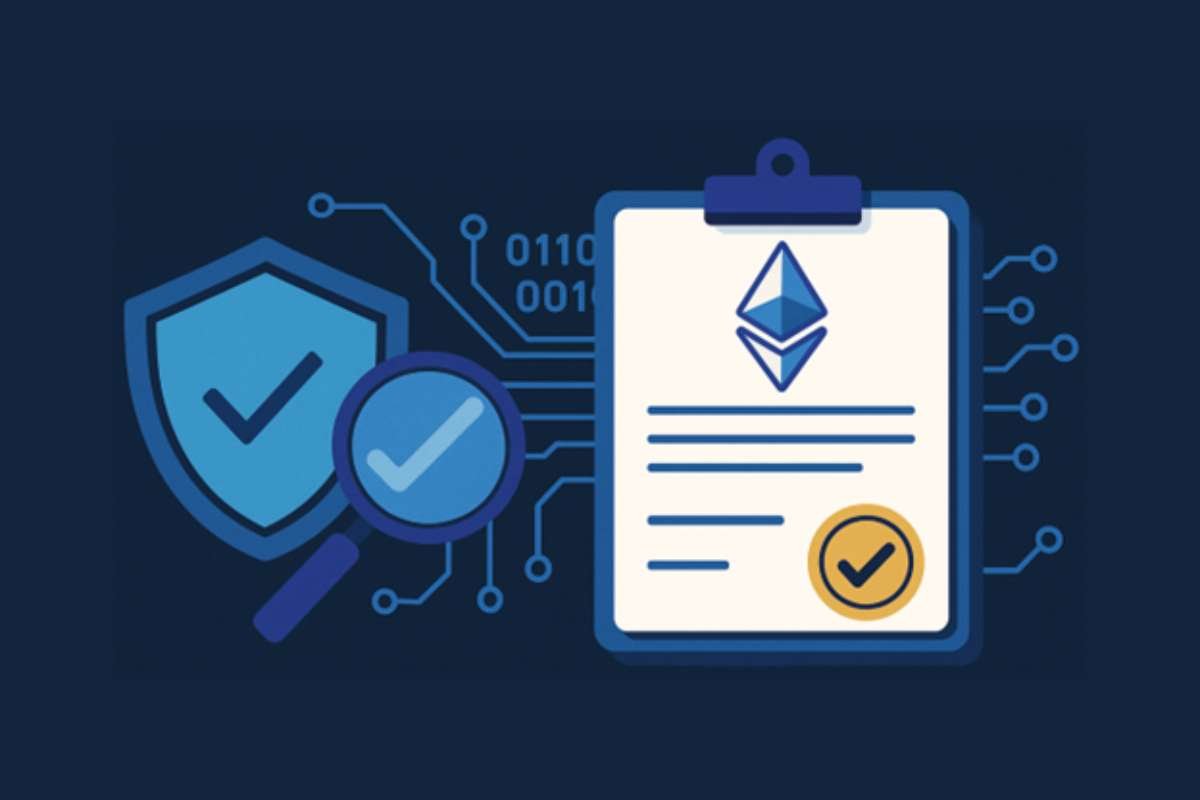
As far as blockchain and crypto are concerned, smart contracts are the backbone of countless decentralized applications (dApps) and DeFi platforms.
These self-executing codes make transactions trustless and automated, but here’s the catch: even a tiny bug in a smart contract can drain millions of dollars, jeopardize your project’s credibility, and leave users high and dry.
This is where a smart contract audit comes in. Think of it as a thorough security check-up that scans your code for vulnerabilities, ensuring your project is bulletproof before it goes live.
Let’s take a closer look at why this auditing procedure isn’t just a box to tick off but rather a must-have for any serious crypto venture.
What Is a Smart Contract Audit?
Simply put, it is a detailed review of your blockchain-based code by security experts. It’s like hiring a cybersecurity team to comb through every line of your smart contract, looking for potential vulnerabilities, logic errors, or anything that could cause trouble.

The goal is simple: to catch any weaknesses before bad actors do. Auditors use both automated tools and manual checks to identify issues like:
- Reentrancy Attacks: These occur when an attacker tricks a contract into calling itself repeatedly and draining funds;
- Integer Overflows and Underflows: Math errors that can cause unintended behaviors;
- Access Control Flaws: These enable unauthorized users to exploit privileged functions.
Following these checks, auditors give you a detailed report, complete with:
- A list of all identified issues, ranked by severity;
- Recommendations for fixes;
- A final re-check to ensure your fixes hold up.
In short, a smart contract audit is a safety net for your project, showing your users and investors that you take security seriously.
How Smart Contract Audits Improve Security
Security in blockchain isn’t just nice to have, but rather essential. Audits dramatically reduce the risk of your project falling victim to hacks or exploits.
Here’s how audits boost your security posture:
1. Identify Vulnerabilities Early
An audit brings in a fresh set of expert eyes to find flaws you might have missed. Even top developers can overlook bugs or subtle logic issues, and that’s where audits shine.
2. Strengthen User Trust
Users and investors love transparency and safety. When they see that your project has been professionally audited, they’re more likely to trust you with their funds.
3. Prevent Financial Losses
History has shown that many DeFi projects without proper audits have lost millions, often in a matter of minutes. Hacks can unfold incredibly fast, leaving no time to react once they start. A smart contract audit minimizes these catastrophic risks and helps keep your project in the green.
4. Save Time and Money Down the Road
Fixing vulnerabilities after launch can be far more expensive (and damaging) than doing it early. A smart contract audit gives you the confidence to build without fearing a security time bomb.
Risks of Launching Without a Smart Contract Audit
Skipping a smart contract audit is like rolling out a new product without checking if it actually works, but in crypto, the stakes are much higher.

1. Hackers Exploiting Your Code
Smart contracts are public, and once deployed, anyone can interact with them. Malicious actors are always on the lookout for weak spots to exploit, draining your project’s funds and destroying your reputation.
2. Losing User Confidence
If your project suffers an exploit due to a buggy contract, good luck regaining user trust. Audited code signals that you’re serious about protecting your community.
3. Regulatory Consequences
As crypto regulation ramps up, security issues could expose you to even more scrutiny. Audits demonstrate proactive risk management, helping you navigate legal hurdles.
4. Hidden Costs of Fixing After Launch
Patching vulnerabilities in a live smart contract can be messy and expensive, assuming it’s even possible. Once a contract is on-chain, updates often require migrating to a new contract, which can disrupt users and cause headaches.
When to Schedule a Smart Contract Audit in Your Development Cycle
Timing your smart contract audit is key to maximizing its value. Here’s when to get it done:

1. Before Deployment
This is the golden moment. The best time to audit your smart contract is before it’s live on the mainnet. This way, you catch issues before they can harm your project.
2. After Major Code Changes
Even minimal code changes can open the door to new vulnerabilities; plenty of protocols eventually learned this the hard way. Whether you’re adding a major new feature or making a tiny tweak in the context of tokenomics, every update should trigger a fresh audit. It’s the only way to ensure your smart contract stays airtight and your users stay protected.
3. Periodically, as a Security Practice
The blockchain space never sits still. New attack vectors and techniques emerge all the time. Regular audits keep your project up to date and secure, reinforcing your reputation as a trustworthy player in the ecosystem.
Final Word: Don’t Risk It, Audit It
At the end of the day, a smart contract audit isn’t just a technical formality. It’s actually more of an insurance policy for your project. Billions of dollars flow through DeFi and blockchain projects every day, which is why an audit is your ticket to safety, credibility, and long-term success.
No matter what you’re building, be it a cutting-edge DeFi platform, an NFT marketplace, or the next big dApp, taking the time to audit your smart contracts shows you’re in it for the long haul, i.e., it’s a sign that you’re committed to protecting your users, your investors, and your vision, so don’t treat it as an afterthought.
Make a smart contract audit part of your launch checklist and watch your project thrive in the crypto paradigm.