The best leaders aren’t defined by having all the answers; they’re remembered for the trust they build, the conversations they inspire, and the people they help grow. That’s the philosophy that drives Smita D. Jain, Founder & CEO of Empower Your EDGE. After a successful corporate career, she chose a different path, one focused on helping leaders unlock their potential through self-awareness, authentic communication, and purposeful leadership. Today, through executive coaching, writing, and thought leadership, she is empowering professionals to lead with greater confidence, influence, and impact in a growing business world.
Leadership Is No Longer About Having All the Answers
The expectations of leaders have changed. Experience and technical knowledge still matter, but they are only part of the picture. Today, leaders are expected to communicate with clarity, earn trust, guide teams through uncertainty, and bring out the best in others. Success today depends less on having all the answers and more on asking better questions, making sound decisions, and creating the conditions where others can succeed.
Having coached more than 350+ senior leaders across 14 countries, Smita D. Jain has seen the same challenge arise time and again. Many successful professionals know their business inside out, yet they find it difficult to influence conversations, speak with confidence in senior forums, or build the executive presence their roles demand.
These observations inspired her to start Empower Your EDGE in 2021, following a 14-year career in corporate leadership. What drew her to coaching was not the opportunity to give advice, but the chance to help leaders see themselves more clearly, think differently, and grow in ways that last.
To Smita D. Jain, good leadership starts with self-awareness. The biggest breakthroughs in leadership come from seeing ourselves differently rather than learning something new. When leaders understand how they communicate, how they show up, and how they connect with others, they make better decisions, build stronger relationships, and create workplaces where people can do their best work. That belief continues to shape her coaching and the way she helps leaders grow with confidence and purpose.
Coaching That Goes Beyond Solving the Immediate Challenge
No two leaders face the same challenges, which is why Smita D. Jain believes coaching should never follow a standard formula. Every coaching engagement is tailored to the individual’s role, goals, leadership style, and the environment in which they work. The focus is not just on addressing an immediate issue but on helping leaders build the confidence and capability to handle future challenges independently.
Her coaching is guided by the EDGE™ philosophy: Express with Confidence, Design Your Vision, Grow Your Career, and Execute with Impact. Together, these four pillars help leaders strengthen the skills that matter most: communicating with clarity, making thoughtful decisions, building executive presence, and turning ideas into action.
What also shapes Smita’s approach is the combination of her corporate leadership experience and her expertise as a Master Certified Coach (MCC). Having been in leadership roles herself, she understands the pressures and expectations that senior executives face. At the same time, she believes coaching is not about telling people what to do. Instead, she creates a space where leaders can reflect, question their assumptions, uncover blind spots, and find solutions that are authentic to them.
For Smita D. Jain, the real measure of successful coaching isn’t solving today’s problem; it’s helping leaders to think better so they continue making better decisions and lead well long after the coaching conversation has ended.
When Experience Found a New Purpose
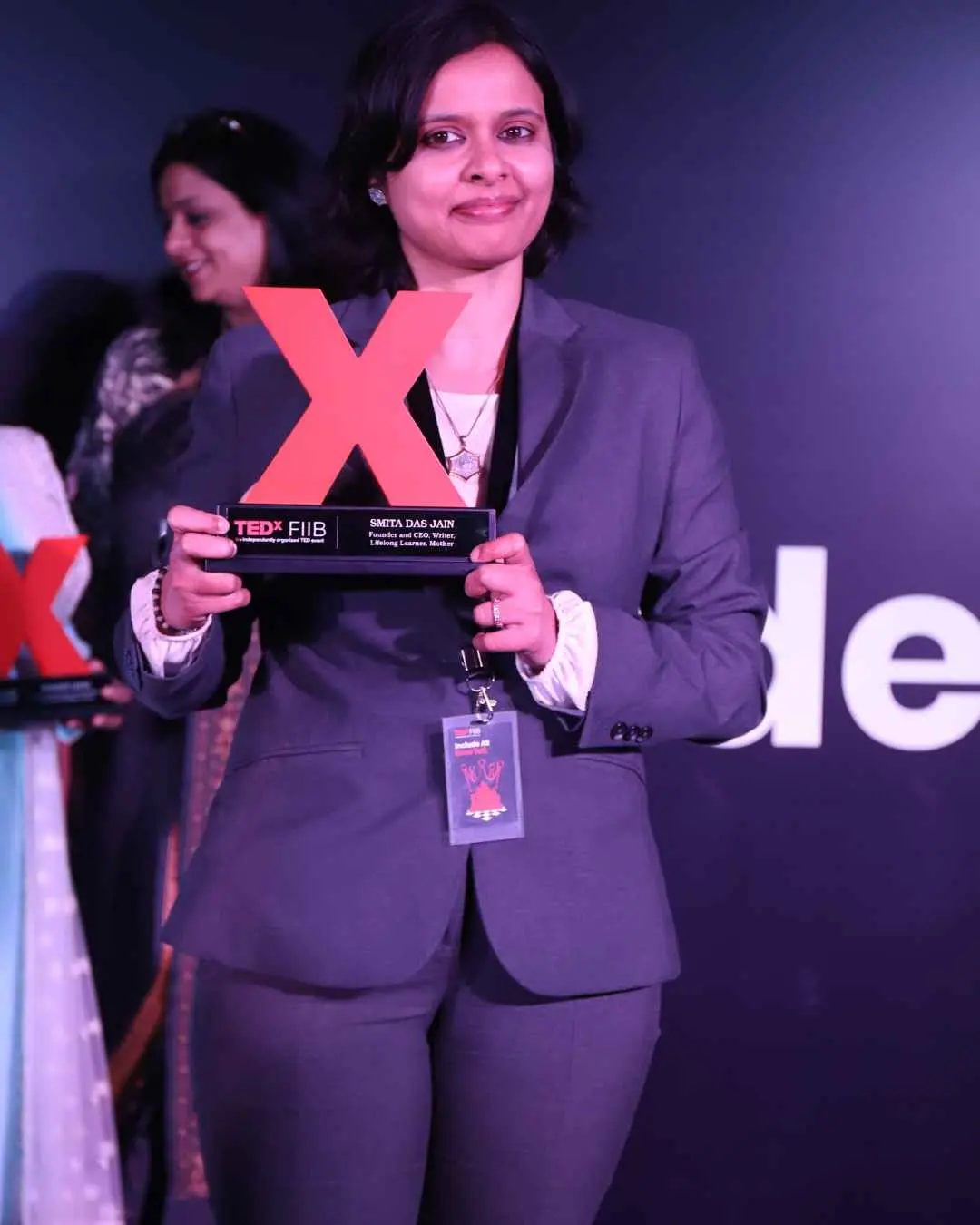
Starting an executive and life coaching practice during the COVID-19 pandemic wasn’t easy. At the time, executive coaching was still unfamiliar to many professionals in India, so before people could see its value, they first needed to understand what coaching actually meant, and what it didn’t. Many assumed it was the same as mentoring, consulting, or training, which meant every conversation began with building awareness.
There was also a personal shift. After spending 14 years in strategy and finance leadership, Smita D. Jain was known in the corporate world for that role. Stepping into coaching meant building credibility all over again. It wasn’t about a job title anymore; it was about earning people’s trust through the quality of conversations and the results they experienced.
Running a coaching practice brought another lesson. Coaching was only one part of the job. Building a business meant learning branding, marketing, business development, and everything that comes with entrepreneurship; areas she had never imagined would become part of her work.
Looking back, Smita D. Jain says those early years taught her that leadership is less about having all the answers and more about being willing to learn. Every new challenge required her to adapt, try something different, and keep moving forward. It is the same mindset she encourages in the leaders she coaches today.
Why Leaders Trust Smita D. Jain
Executive coaching is rarely about finding quick answers. For senior leaders, it is often about finding one place where they can think freely.
Many of the leaders Smita D. Jain coaches hold positions where every decision carries significant organisational impact. Yet the higher leaders rise, the fewer opportunities they have to question their own thinking without being expected to already know the answer. Smita believes that coaching creates that rare space.
Rather than beginning with, “How do we solve this problem?”, she often starts with the question: “What created this challenge in the first place?”
Whether the conversation is about executive presence, communication, influencing stakeholders, leading teams, or navigating career transitions, her coaching focuses on changing the quality of a leader’s thinking before changing behaviour. She believes that better thinking leads to better decisions, stronger communication, and more sustainable leadership.
Nearly half of her coaching practice today comes through repeat engagements and client referrals. To Smita D. Jain, this reflects trust, something she sees as more meaningful than client satisfaction.
Her philosophy is simple: “Coaching should never create dependence on the coach. It should help leaders become increasingly confident in their own judgment.” When the coaching engagement ends, they continue leading with greater clarity, confidence, and purpose.
The Best Leaders Don’t Need to Have All the Answers
A common misconception Smita D. Jain encounters is that senior leaders must always have the right answers. After more than 3,000 coaching conversations with 350+ leaders across 14 countries, she has found that the most effective leaders are not those who solve every problem themselves, but those who ask better questions, encourage different perspectives, and empower others to contribute.
She believes the real shift is from having all the answers to creating the conditions for better thinking. That same belief shapes her coaching approach. Instead of offering solutions, she helps leaders challenge their assumptions, gain fresh perspectives, and make decisions with greater clarity.
To Smita D. Jain, leadership is not about appearing certain; it’s about staying curious, open-minded, and willing to learn.
Helping Leaders Be Seen for the Leadership They Already Have
One coaching engagement that stands out for Smita D. Jain involved a senior leader at a leading bank, whom she refers to as “S” to protect her privacy. S was widely respected within the organisation. She consistently delivered results, handled complex situations with ease, and was often the person others relied on during challenging times. Yet despite her strong performance, she kept missing out on bigger leadership opportunities.
As they worked together over six months, it became clear that the issue wasn’t capability; it was perception. Their coaching focused on three areas: creating time to think beyond day-to-day execution, communicating ideas with greater clarity, and becoming more visible in senior leadership discussions while staying true to her personality.
Gradually, S began to delegate more confidently instead of trying to manage everything herself. She spoke up more often in strategic conversations, shared her perspective with greater confidence, and started being recognised not just as someone who delivered results, but as someone who could lead at a broader level.
She eventually stepped into a role where she was leading other leaders.
What made this transformation especially rewarding was that S didn’t have to change who she was. She simply learnt how to make her leadership visible. That’s what executive coaching is about: not creating a different leader, but helping people recognise and express the strengths they already possess.
Why the Future of Leadership Will Always Be Human
One of the biggest leadership challenges today isn’t a lack of skill or experience. It’s learning to lead in a world where the rules are constantly changing. Senior leaders are expected to make important decisions with limited information, lead diverse teams, adapt to rapid technological change, and keep people engaged through uncertainty, all while managing the pressures that come with their own roles.
From Smita’s experience coaching senior leaders across industries and countries, another challenge is that many executives have very few opportunities to pause and think. Their calendars are full; so they rarely have a safe space to reflect, test ideas, or discuss difficult decisions without judgment.
She believes this is where executive coaching is headed. Over the next five years, coaching will be less about fixing performance issues and more about helping leaders navigate increasing complexity with greater clarity, judgment, and adaptability. Skills like sound judgment, adaptability, self-awareness, communication, and the ability to influence without relying on authority will become even more important.
While AI will undoubtedly become a valuable tool, offering insights, identifying patterns, and supporting reflection, it cannot replace the human side of leadership. Leaders will continue to need trusted coaches who can ask the right questions, challenge their thinking, and help them navigate complexity with confidence.
Smita considers the leaders who will thrive in the years ahead are those who embrace technology without losing sight of what matters most: the ability to connect with people, earn trust, and lead with authenticity.
Beyond the Coaching Room: Shaping Leadership Conversations
Author
Leading With Words: Draws on thousands of coaching conversations and years of corporate leadership experience to show how communication drives influence, trust, and leadership success.
Smita has authored 5 other books in addition to Leading With Words.
Speaker & Thought Leader
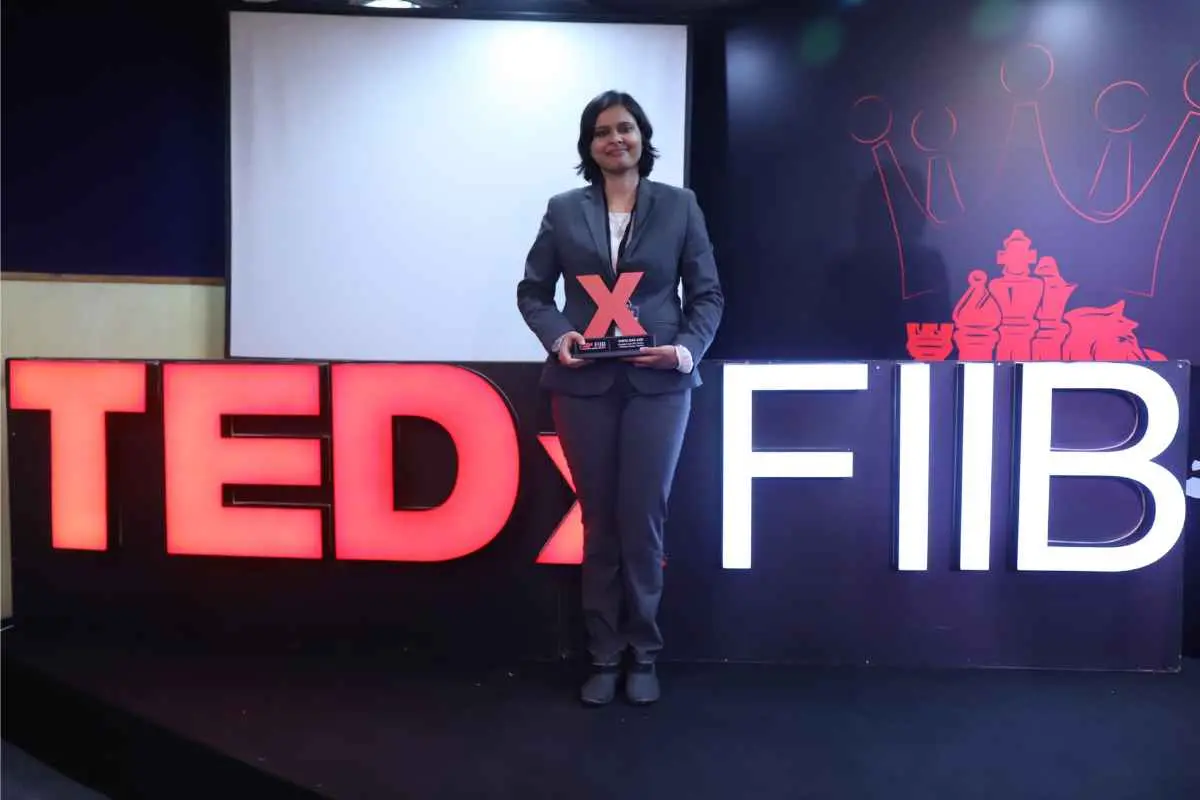
3X TEDx speaker and regular speaker at leadership forums, conferences, and corporate events, sharing practical insights on leadership, executive presence, communication, and career growth.
Published writer
Contributes thought leadership articles to leading business publications globally, including Forbes and Fortune. One of her articles on promotion strategy was featured by LinkedIn India for its depth and practical insights.
Media contributor
Featured on CNN-News18, CNBC, and Zee Business, where she shares perspectives on leadership, executive coaching, and career development.
Leadership conversations
Hosts the monthly LinkedIn Live series, The Power Pause, where she shares her expert views on leadership, communication, and personal growth.
Leadership blog
Authors one of India’s leading life coaching blogs, making coaching insights accessible to a wider audience.
Through books, articles, media appearances, and leadership conversations, Smita is helping normalize executive coaching as a strategic leadership tool while encouraging leaders to become more reflective, intentional, and effective.
Trust begins with a safe space
For Smita, trust is the foundation of effective coaching. It is built through consistency, confidentiality, and creating a space where leaders can think aloud, question their assumptions, and have honest conversations without fear of judgment.
As an ICF-accredited Master Certified Coach (MCC), she sees her role as helping leaders find their own answers rather than providing them. Every coaching engagement is also an opportunity for her to learn. Through client feedback, reflection, and continuous professional development, she continues to refine her approach, believing that the best coaches, like the best leaders, never stop learning.
Shaping the next generation of leaders
Smita envisions Empower Your EDGE as more than an executive coaching practice. Her goal is to build a trusted platform that helps leaders communicate with confidence, influence with purpose, and continue growing throughout their careers. Through coaching, books, speaking engagements, and thought leadership, she hopes to make leadership development more accessible to professionals across the world.
She also wants to change the way executive coaching is viewed. In her eyes, coaching is not something leaders turn to when they are struggling; it is a deliberate investment made by those who want to think better, lead more effectively, and keep growing in an ever-changing world.
Ultimately, the legacy Smita hopes to leave is one that goes beyond individual success. She wants future leaders to recognise that their greatest strength lies not in having all the answers, but in bringing out the best in themselves and the people around them. Because when leaders grow, the ripple effects extend far beyond the workplace; to teams, organisations, and the communities they serve.
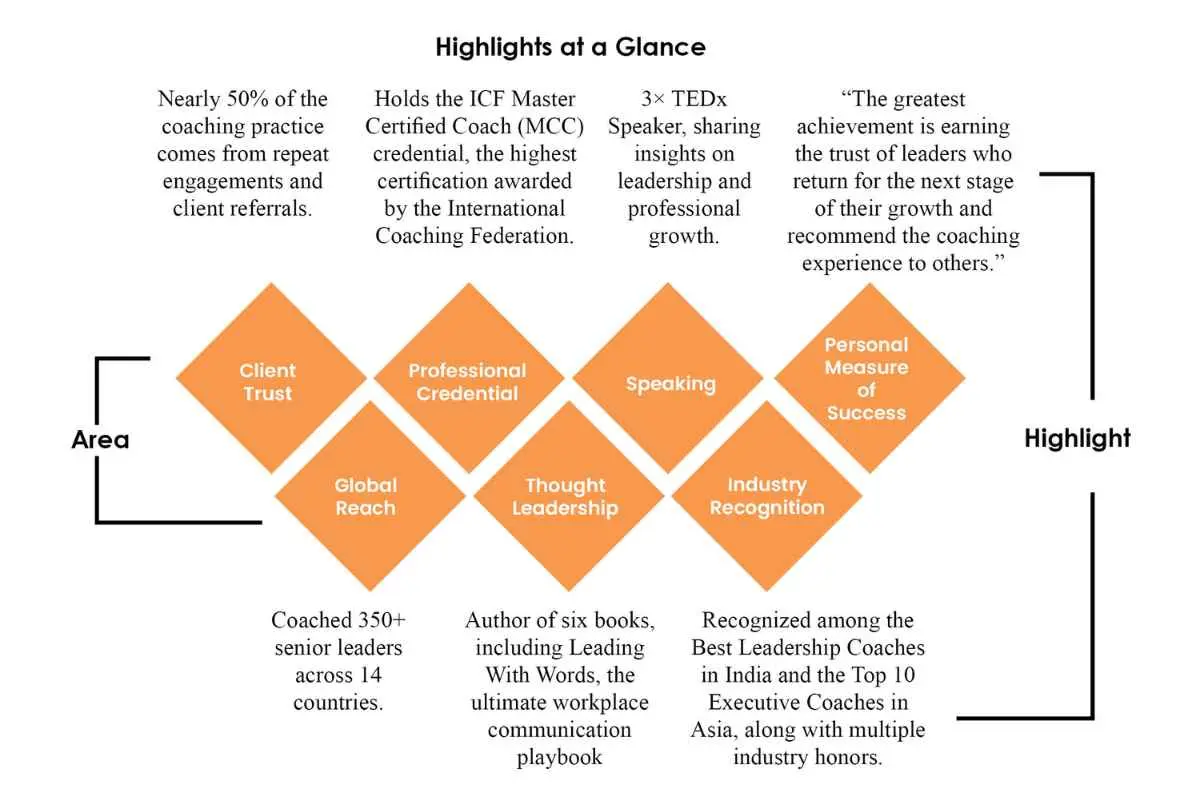
| Area | Highlight |
| Client Trust | Nearly 50% of the coaching practice comes from repeat engagements and client referrals. |
| Global Reach | Coached 350+ senior leaders across 14 countries. |
| Professional Credential | Holds the ICF Master Certified Coach (MCC) credential, the highest certification awarded by the International Coaching Federation. |
| Thought Leadership | Author of six books, including Leading With Words, the ultimate workplace communication playbook |
| Speaking | 3× TEDx Speaker, sharing insights on leadership and professional growth. |
| Industry Recognition | Recognized among the Best Leadership Coaches in India and the Top 10 Executive Coaches in Asia, along with multiple industry honors. |
| Personal Measure of Success | “The greatest achievement is earning the trust of leaders who return for the next stage of their growth and recommend the coaching experience to others.“ |
Corporate leadership to leadership transformation
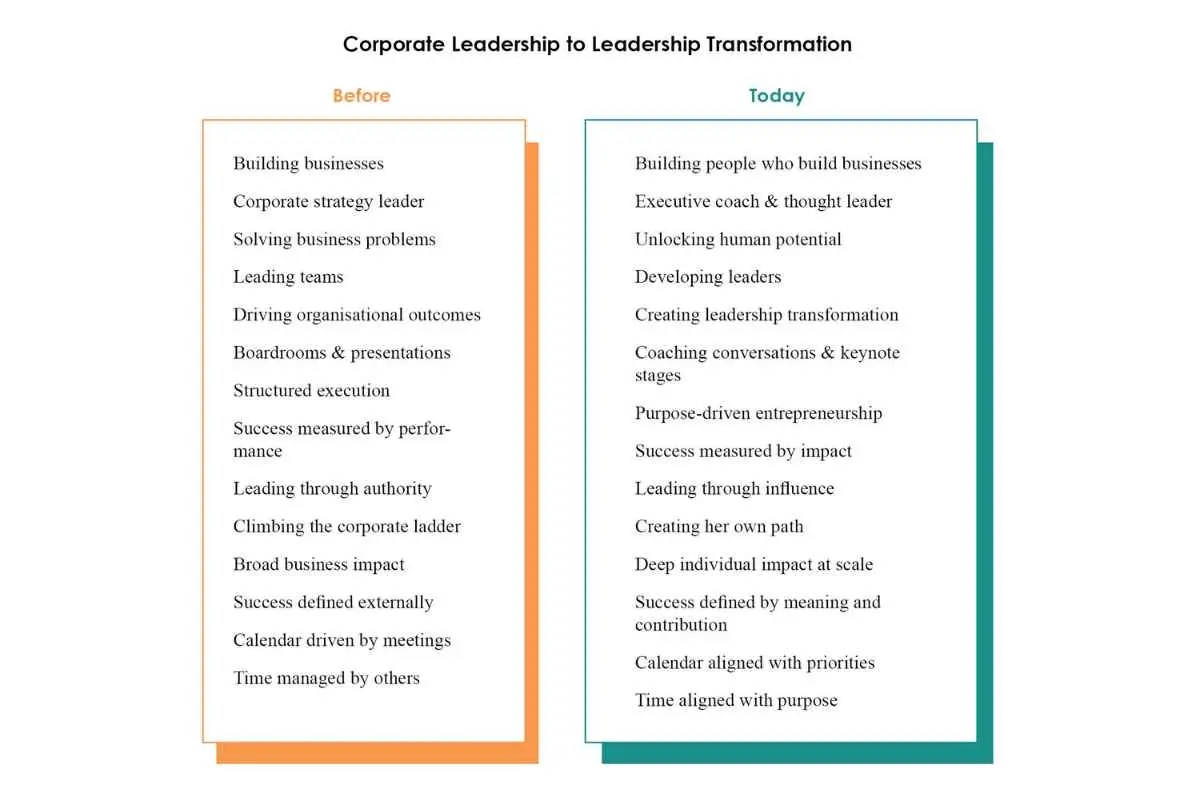
| Before | Today |
| Building businesses | Building people who build businesses |
| Corporate strategy leader | Executive coach & thought leader |
| Solving business problems | Unlocking human potential |
| Leading teams | Developing leaders |
| Driving organisational outcomes | Creating leadership transformation |
| Boardrooms & presentations | Coaching conversations & keynote stages |
| Structured execution | Purpose-driven entrepreneurship |
| Success measured by performance | Success measured by impact |
| Leading through authority | Leading through influence |
| Climbing the corporate ladder | Creating her own path |
| Broad business impact | Deep individual impact at scale |
| Success defined externally | Success defined by meaning and contribution |
| Calendar driven by meetings | Calendar aligned with priorities |
| Time managed by others | Time aligned with purpose |
A day in a leader’s life
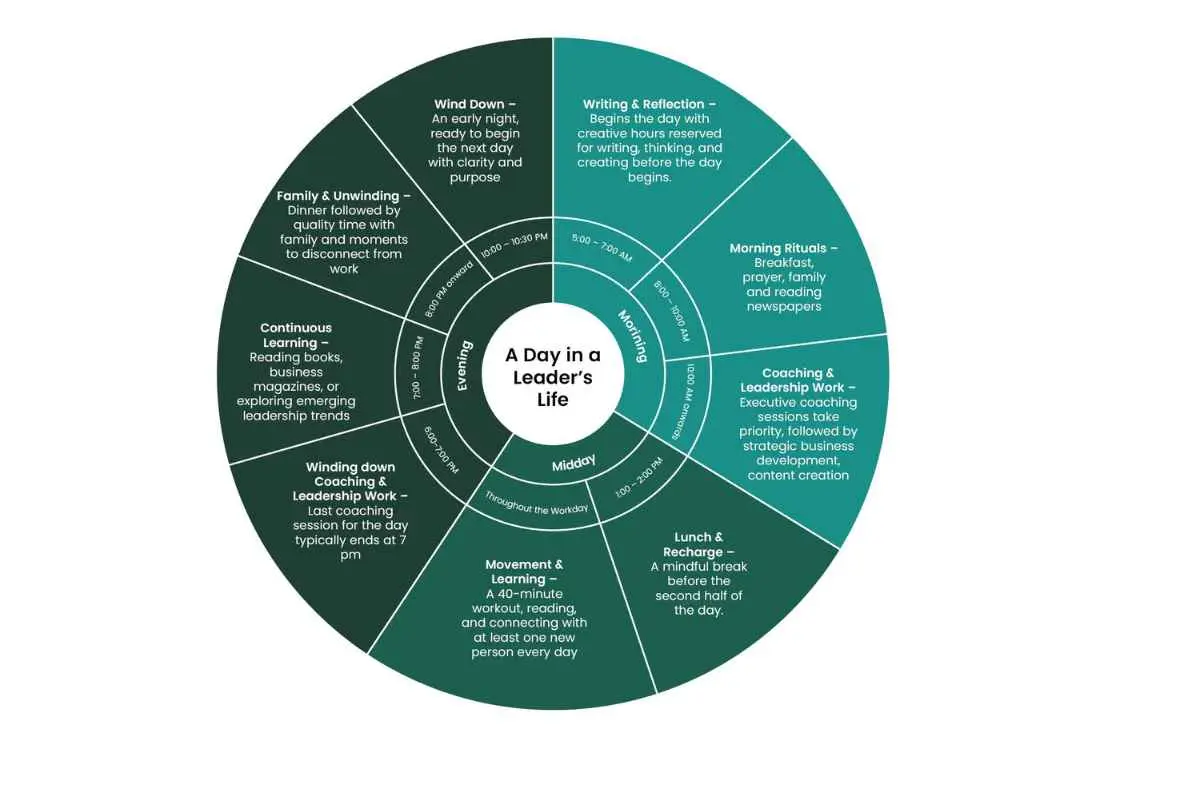
| Time | Activity |
| 5:00 – 7:00 AM | Writing & Reflection – Begins the day with creative hours reserved for writing, thinking, and creating before the day begins. |
| 8:00 – 10:00 AM | Morning Rituals – Breakfast, prayer, family, and reading newspapers |
| 10:00 AM onwards | Coaching & Leadership Work – Executive coaching sessions take priority, followed by strategic business development and content creation |
| 1:00 – 2:00 PM | Lunch & Recharge – A mindful break before the second half of the day. |
| Throughout the Workday | Movement & Learning – A 40-minute workout, reading, and connecting with at least one new person every day |
| 6:00-7:00 PM | Winding down Coaching & Leadership Work – Last coaching session for the day typically ends at 7 pm |
| 7:00 – 8:00 PM | Continuous Learning – Reading books, business magazines, or exploring emerging leadership trends. |
| 8:00 PM onwards | Family & Unwinding – Dinner followed by quality time with family and moments to disconnect from work. |
| 10:00 – 10:30 PM | Wind Down – An early night, ready to begin the next day with clarity and purpose. |
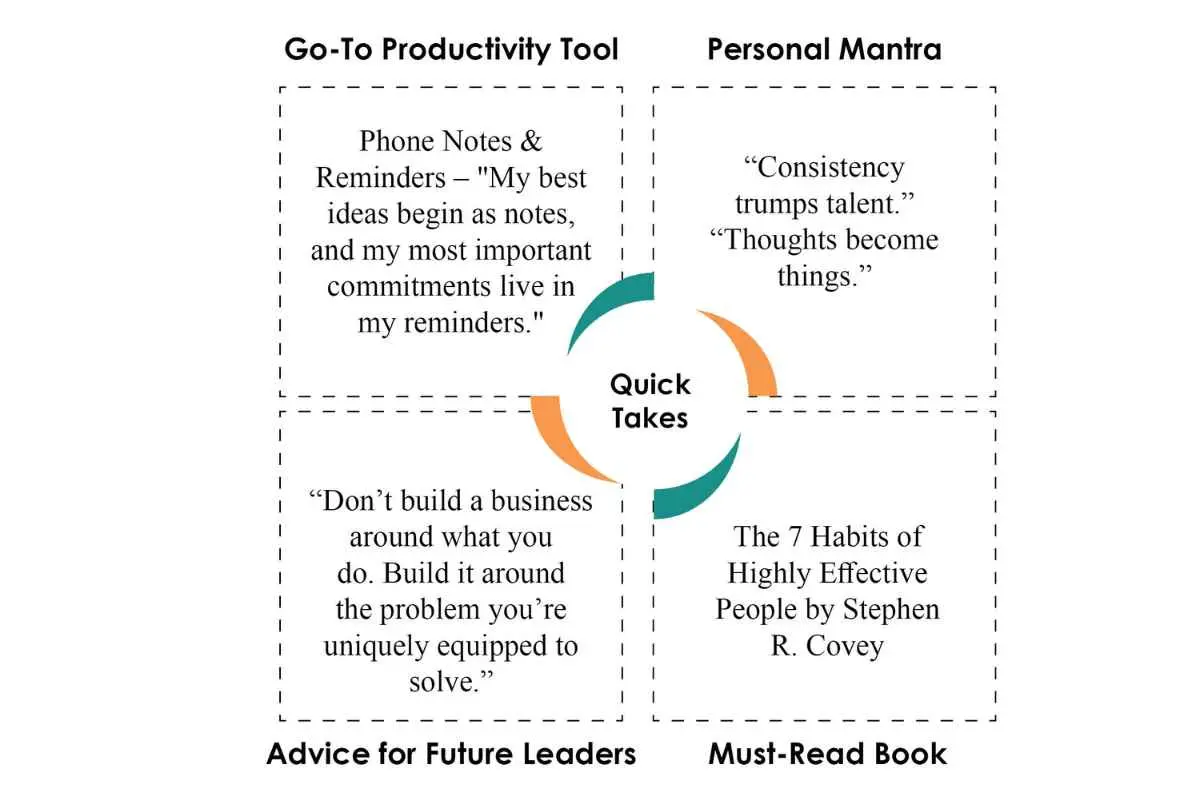
Quick takes
| Category | Smita’s Pick |
| Go-To Productivity Tool | Phone Notes & Reminders – “My best ideas begin as notes, and my most important commitments live in my reminders.” |
| Personal Mantra | “Consistency trumps talent.” “Thoughts become things.” |
| Advice for Future Leaders | “Don’t build a business around what you do. Build it around the problem you’re uniquely equipped to solve.” |
| Must-Read Book | The 7 Habits of Highly Effective People by Stephen R. Covey |
Open Letter
Dear Future Leaders,
The world will continue to change faster than any of us can predict. Technologies will evolve, industries will transform, and the skills that brought you success today may not be the ones that sustain it tomorrow.
But one truth will remain timeless: people will always remember how you made them feel.
Lead with competence, but never at the cost of compassion. Build influence before authority. Stay curious enough to keep learning, and humble enough to keep listening.
Most importantly, remember that leadership is not measured by how indispensable you become. It is measured by how many others grow because you led them.
Titles will change. Success will be redefined many times over. Character, trust, and the ability to bring out the best in people will never go out of style.
That, to me, is the legacy worth building.
From
Smita D Jain
Founder & CEO
Executive Coach | Personal Empowerment Life Coach
Empower Your EDGE
Key takeaways
1. Leadership begins with self-awareness.
2. Great leaders ask better questions.
3. Executive presence is built, not born.
4. Technology can support leadership, but humanity defines it.
5. True success is measured by the leaders you help create.