Key Takeaways
- Snap has launched its standalone mixed reality glasses at $2,195.
- The Specs glasses provide a 51-degree field of view.
- The company has spent more than 10 years developing AR glasses.
Snap Specs glasses began selling on September 16 for $2,195, entering the consumer mixed reality hardware market with a standalone device. The glasses use in-lens digital overlays and artificial intelligence-powered features to support digital interaction.
Snap Specs Glasses Mark A New Consumer Hardware Launch
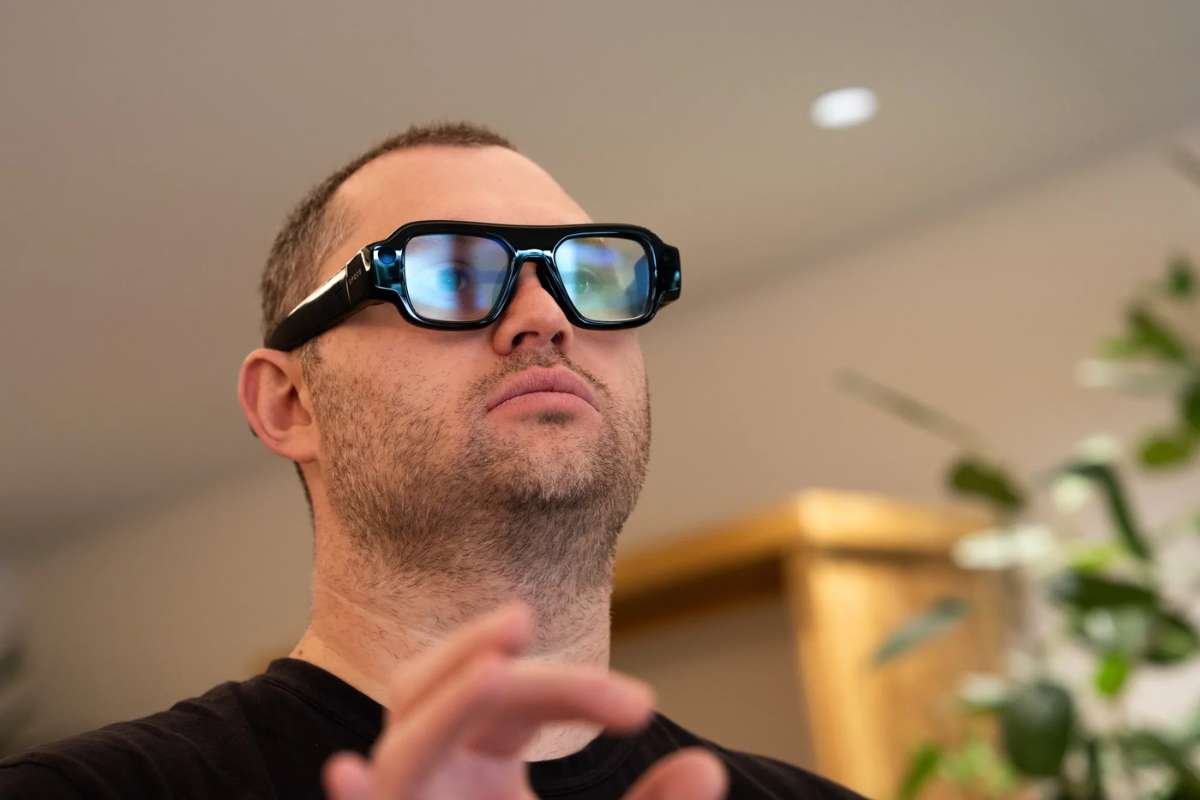
Snap Specs glasses have a 51-degree field of view and combine conventional eyewear with digital elements displayed through the lenses.The device is designed to operate as a standalone mixed reality product rather than relying on a smartphone for its core visual experience.
Snap has worked on augmented reality glasses for more than 10 years. The company’s first camera-equipped Spectacles launched in 2016, giving users a wearable device for capturing images and video.
Snap also introduced World Lenses on Snapchat in 2016. The feature allowed users to place augmented reality elements over their camera view. The company later filed patents covering additional augmented reality functions as it continued developing wearable technology.
The current Specs model reflects a broader effort to develop hardware around augmented reality. The device combines in-lens overlays with artificial intelligence-powered features, giving users access to digital content while viewing their physical surroundings.
The product’s $2,195 price places it in a higher price range than conventional sunglasses and several other consumer smart glasses. Its weight is also a notable difference. The current consumer version weighs about 3 times as much as regular sunglasses.
Weight And Field Of View Remain Product Factors
The Specs glasses have a narrower digital field of view than some competing smart glasses. Their 51-degree field of view determines the area in which digital content can appear within the user’s view.
The device’s physical design has also received attention since a public preview in June. Questions around comfort and wearability followed demonstrations of the glasses, with their larger frame and weight becoming visible product considerations.
Snap’s earlier Spectacles launch provides a different commercial reference point. The company initially generated significant consumer interest around its camera-equipped glasses, but demand later declined. Snap subsequently recorded millions of dollars in losses connected with unsold inventory after producing more units than consumers purchased.
The company continued its augmented reality research after that experience, working on hardware development, production capacity, and costs before bringing the latest Specs model to consumers.
For global entrepreneurs and business owners, the launch represents a new consumer hardware offering built around augmented reality and artificial intelligence. Its commercial performance will depend on consumer adoption, production capacity, pricing, and continued development of the technology.
Snap has positioned Specs as part of its future product direction after years of development. The consumer launch now moves the product beyond demonstrations and development programs into the retail market.
The launch also gives Snap a direct consumer product in the growing smart glasses category, where device weight, viewing area, software features, and pricing remain key product specifications.