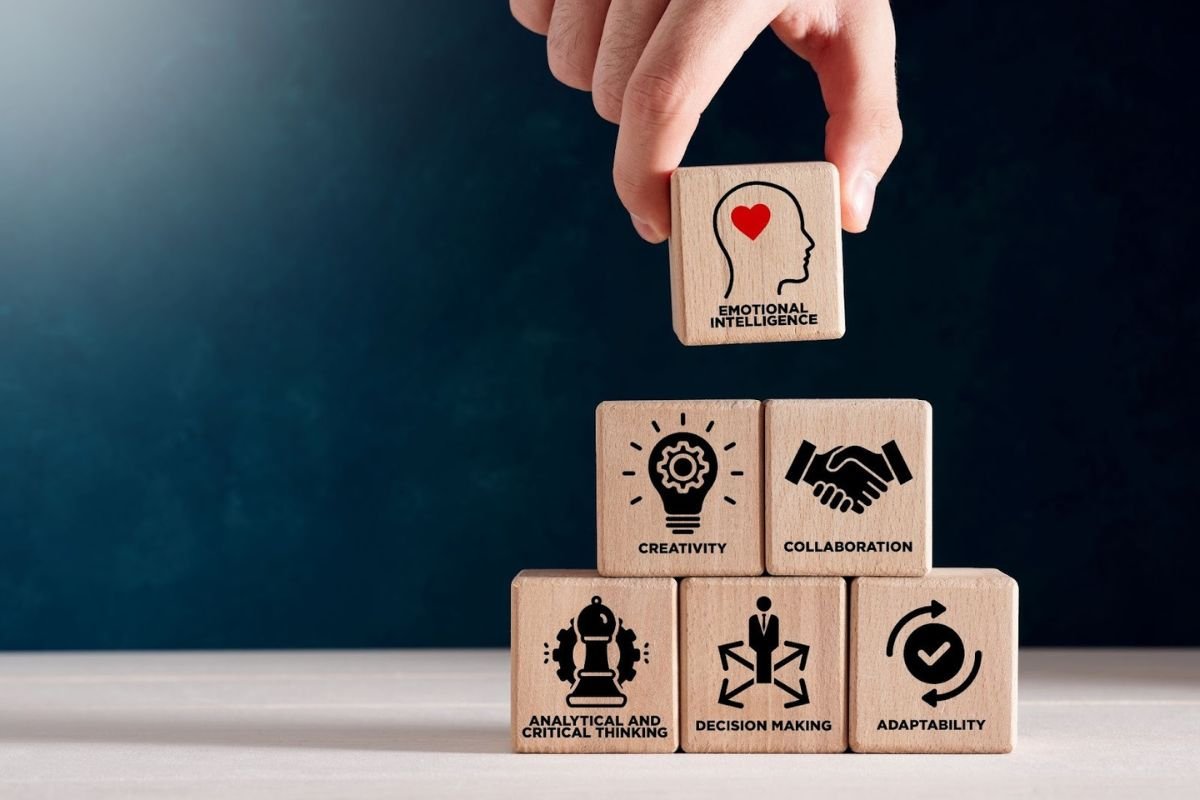
Soft skills don’t show up on spreadsheets. But they show up in missed deadlines, team conflicts, and poor customer experiences. If your team struggles to adapt, communicate, or collaborate, the issue likely isn’t technical know-how. It’s a lack of soft skills.
Hiring people with the right attitude is just the start. You’ve got to develop those people into adaptable, emotionally intelligent team players. And that doesn’t happen by accident. Here’s how you can build those essential soft skills in the workplace into the heart of your workforce.
Identify the Skills That Matter Most
Not every role needs the same soft skills in the workplace. A customer support agent needs patience and empathy. A team leader needs conflict resolution and clear communication skills. Start by pinpointing the specific soft skills each role should have.
Talk to managers and project leads. Ask where communication breaks down or where decision-making slows. Review recent performance feedback to spot recurring patterns. If certain soft skills keep showing up as weak spots, prioritize them in your training plans.
Weave Soft Skills Into Onboarding
Onboarding isn’t just for policies and tools. It’s your chance to shape how new hires work with others. Show them early that soft skills matter just as much as technical ones.
Pair new employees with mentors who model good communication and teamwork. Include real examples in training modules to show what strong collaboration looks like. This way, new hires learn how things work culturally, not just procedurally.
Use Real-World Scenarios in Training
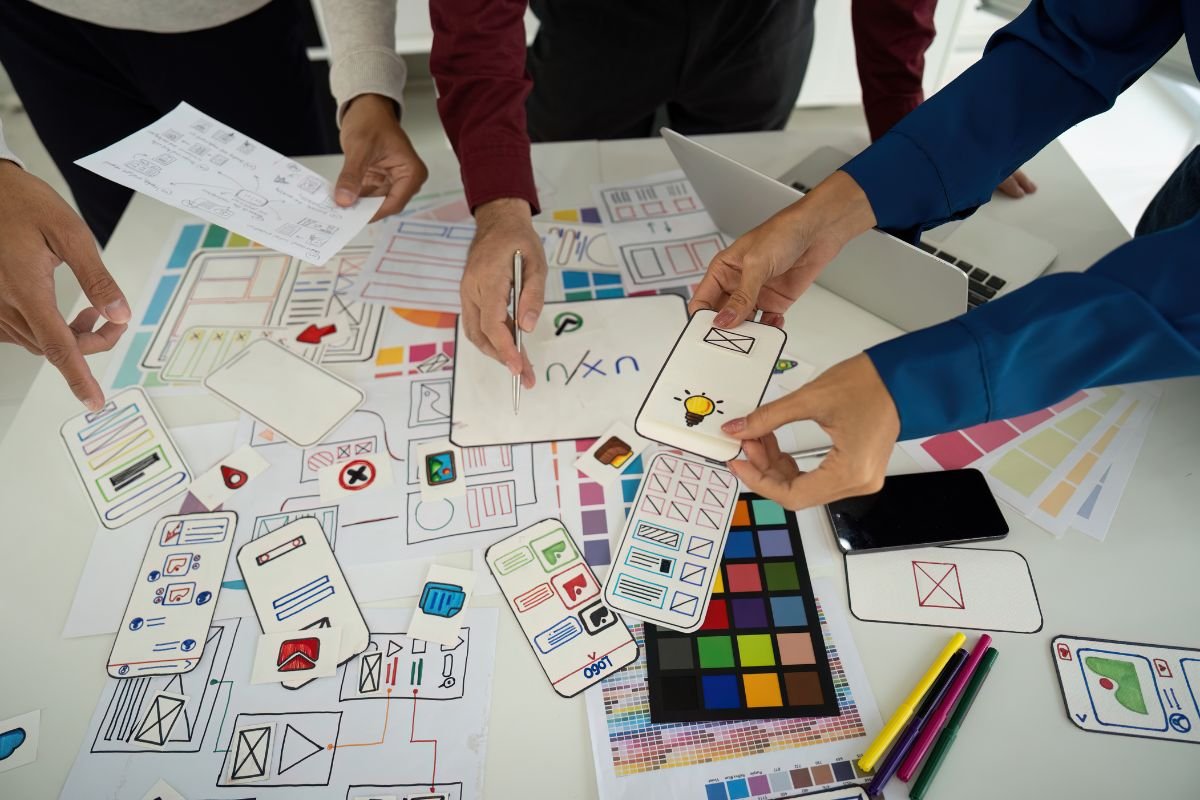
Theory alone isn’t enough; you’ve got to put people in situations where they can practice. That’s why scenario-based training makes a difference in developing soft skills in the workplace.
Use role-plays to walk through difficult conversations, whether it’s handling a frustrated customer or giving a teammate feedback. Build simulations that mirror actual workplace challenges.
If you’re looking for a way to structure this kind of learning, professional training platforms like Working Voices can help. They offer interactive training designed to build soft skills through practical, real-world challenges. It’s more engaging and far more effective than traditional slideshow-based learning.
Create a Culture of Feedback
Feedback shouldn’t be limited to annual reviews. It needs to be part of daily work. Everyone should feel comfortable giving and receiving it, not just managers.
Start by helping your team learn how to give feedback that’s clear, respectful, and helpful. It doesn’t always need to be formal. A quick comment after a meeting or a follow-up message can go a long way.
Make time for reflection too. People need space to ask questions, think through what they’ve heard, and decide how to act on it. That space makes feedback feel less like criticism and more like support.
When feedback is consistent and respectful, people don’t shut down. They step up. They listen, adjust, and build stronger working relationships.
Promote Cross-Functional Collaboration

Soft skills thrive when people work with those outside their usual circle. Cross-functional projects are a great way to make this happen.
Try rotating staff between departments or teaming them up with unfamiliar groups. This stretches their communication, problem-solving, and adaptability. It also breaks down silos and builds mutual understanding.
Employees come away with a deeper appreciation of how others work and how they can work better together.
Recognize and Reward Soft Skills
Recognizing and rewarding soft skills in the workplace is vital, even though most rewards typically go to hitting targets or closing deals. If someone handles a tricky team situation well or helps others improve, call it out.
You don’t need a formal award. A shout-out in a team meeting or a quick message from leadership goes a long way. When people see that things like empathy, active listening, or collaboration get noticed, they’ll start to value and practice them more.
Offer Tools and Resources

Not every lesson needs a full workshop. Sometimes a short podcast, video, or article is enough to spark new thinking. A library of helpful content gives your team the flexibility to learn when it suits them.
To keep things simple, organize resources in one easy-to-access place. This could be a Slack channel, a shared folder, or even a regular internal email. Managers can contribute by sharing tools or tips they’ve found useful.
These small, steady prompts can shift habits over time. With the right materials in front of them, people are more likely to explore and apply what they learn.
Lead by Example
People watch what leaders do. If you want your team to listen better, manage stress, or handle feedback gracefully, you’ve got to show them how it’s done.
Leaders should model emotional intelligence, active listening, and vulnerability. That means owning mistakes, asking for input, and staying calm under pressure. The tone at the top shapes the culture across the company.
Final Thoughts
Soft skills in the workplace won’t fix everything, but without them, even the best systems and smartest strategies will fall flat. When you make soft skill development part of your culture, from onboarding to daily habits, you create a more resilient, connected, and effective workforce.
It takes time and intention. But it pays off in stronger teams, better communication, and a workplace where people don’t just work together. They thrive together.