Key Points:
- SpaceX Crew Dragon Endeavour returned Crew-11 safely to Earth on January 15, 2026, after a 167-day ISS mission ended early due to a medical concern.
- NASA said the return was precautionary, stable, and showcased the flexibility of human spaceflight operations.
- Crew-11 completed key scientific research and ISS maintenance, marking the mission as successful despite its shortened duration.
NASA’s SpaceX Crew-11 mission returned safely to Earth on January 15, 2026, concluding a 167-day stay aboard the International Space Station (ISS) after mission managers decided to bring the crew home earlier than planned. The decision followed the identification of a medical concern affecting one of the astronauts, prompting NASA to prioritise crew health and safety. Officials clarified that the situation was stable and managed proactively, rather than being a sudden emergency, but required closer medical evaluation on Earth.
The SpaceX Crew Dragon Endeavour spacecraft undocked from the ISS and re-entered Earth’s atmosphere without incident, marking a rare but carefully executed adjustment to a long-duration mission. While the crew was originally expected to remain in orbit until late February, NASA emphasised that human spaceflight plans are designed with flexibility to respond to health or operational needs. The early return also marked NASA’s first medically driven crew return from the ISS since continuous human presence began more than two decades ago, highlighting the maturity of current spaceflight systems.
Safe Splashdown and Crew Recovery
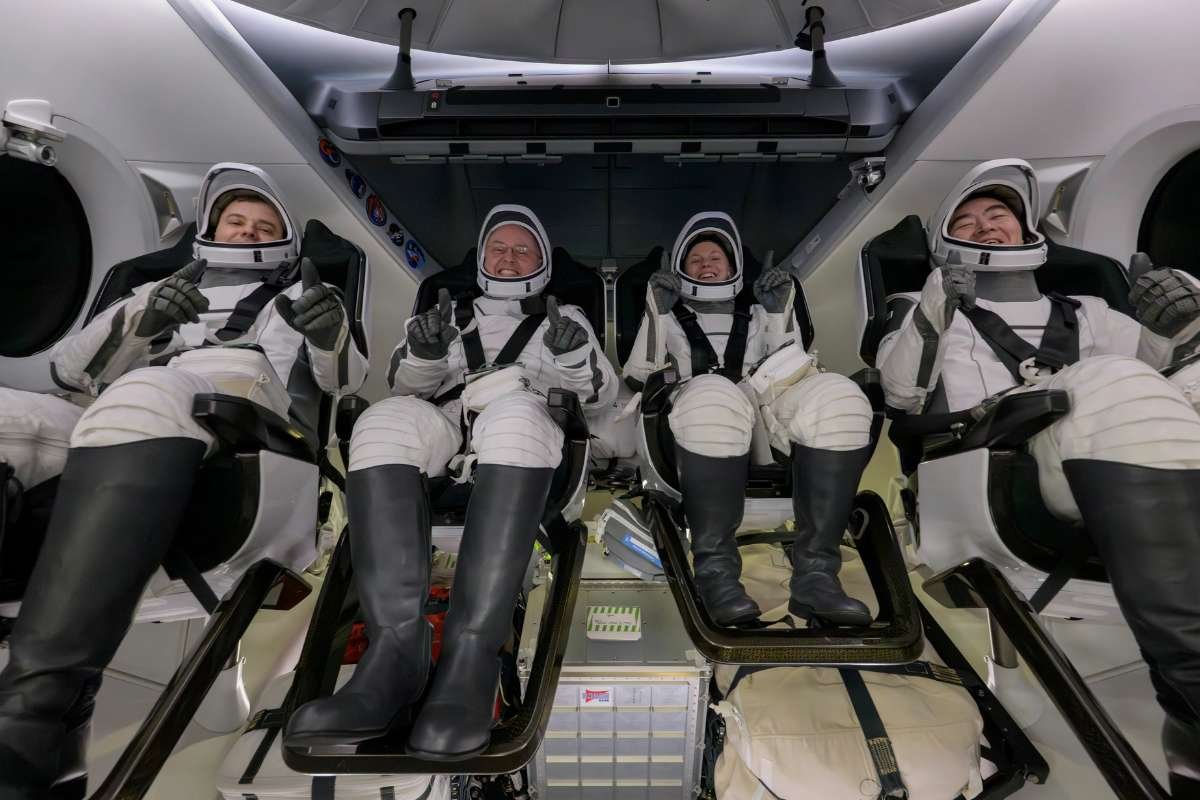
The SpaceX Crew Dragon Endeavour spacecraft splashed down in the Pacific Ocean off the coast of California shortly after midnight local time. Recovery teams were on site within minutes, securing the capsule and assisting the astronauts as they exited. All four crew members appeared in good condition during initial assessments and were transferred for standard post-flight medical checks.
Crew-11 was commanded by NASA astronaut Zena Cardman and included fellow NASA astronaut Mike Fincke, Japan Aerospace Exploration Agency astronaut Kimiya Yui, and Russian cosmonaut Oleg Platonov. During their mission, the crew orbited Earth thousands of times, travelled tens of millions of miles, and supported a wide range of scientific experiments. Their work focused on human health in microgravity, advanced materials research, and ongoing maintenance of station systems critical to long-term operations.
Following splashdown, the astronauts were transported to a medical facility for routine evaluations before heading back to NASA’s Johnson Space Center in Houston. Such procedures are standard for returning crews aboard spacecraft like SpaceX Crew Dragon Endeavour, particularly after extended time in microgravity, as the human body readjusts to Earth’s gravity.
ISS Operations and What Comes Next
With Crew-11’s departure aboard SpaceX Crew Dragon Endeavour, the ISS continues operations with a reduced crew until the arrival of the next rotation. NASA officials confirmed that station systems remain fully functional and that ongoing experiments and maintenance tasks are being supported without disruption. The next scheduled crewed mission is expected to restore normal staffing levels in the coming weeks.
NASA described the Crew-11 return as an example of how international partnerships and commercial crew capabilities strengthen resilience in human spaceflight. The collaboration between NASA and SpaceX enabled a safe, flexible response while preserving the scientific value of the mission.
As the agency looks ahead, lessons from Crew-11 will feed into future missions, including longer stays in orbit and upcoming lunar exploration efforts. Despite the shortened timeline, NASA has characterised Crew-11 as a successful mission that reinforced both scientific progress and the importance of crew health as human exploration moves further into space.
Visit The Enterprise World For The Most Recent Information.