Speed and quality often get framed as opposites. In storage facility painting, that idea causes problems.
Owners want work done fast. Facilities need to stay open. Tenants need access. At the same time, poor quality shows up quickly. Paint fails. Colours fade. Rework follows.
The truth is simple. Speed and quality are not enemies. Poor preparation is the real problem.
Why Storage Facilities Feel the Speed Pressure?
Storage Facility Painting are active site. Cars move in and out all day. Gates cycle nonstop. Lanes stay tight. Blocking access even briefly can cause complaints.
The U.S. now has more than 50,000 self-storage facilities, many operating near full occupancy. That means painting work happens around customers, not instead of them.
Owners feel pressure to finish fast. Delays affect branding, leasing, and reputation. This pressure leads to rushed decisions.
Rushing is where quality breaks.
The False Trade-Off Between Speed and Quality
Many projects fail because teams chase speed the wrong way.
They shorten prep time. They overlap steps. They ignore curved windows. They assume crews can “make it work” on site.
That approach backfires.
Industry data shows that rework can consume up to 30 percent of total project time in commercial painting. Most rework comes from skipped prep or poor sequencing.
Speed gained early gets lost later.
Preparation Is Where Speed Is Won
Real speed happens before work begins.
Preparation answers basic questions:
- Where does the crew start
- What surfaces need prep first
- How equipment moves
- When weather matters
- Which areas stay open
When those answers exist, work flows.
“You move faster when nobody is guessing,” Mike Purvis said after watching a crew lose half a day waiting on access clearance. “That delay came from planning, not paint.”
Preparation removes friction.
What Poor Preparation Looks Like on Site?
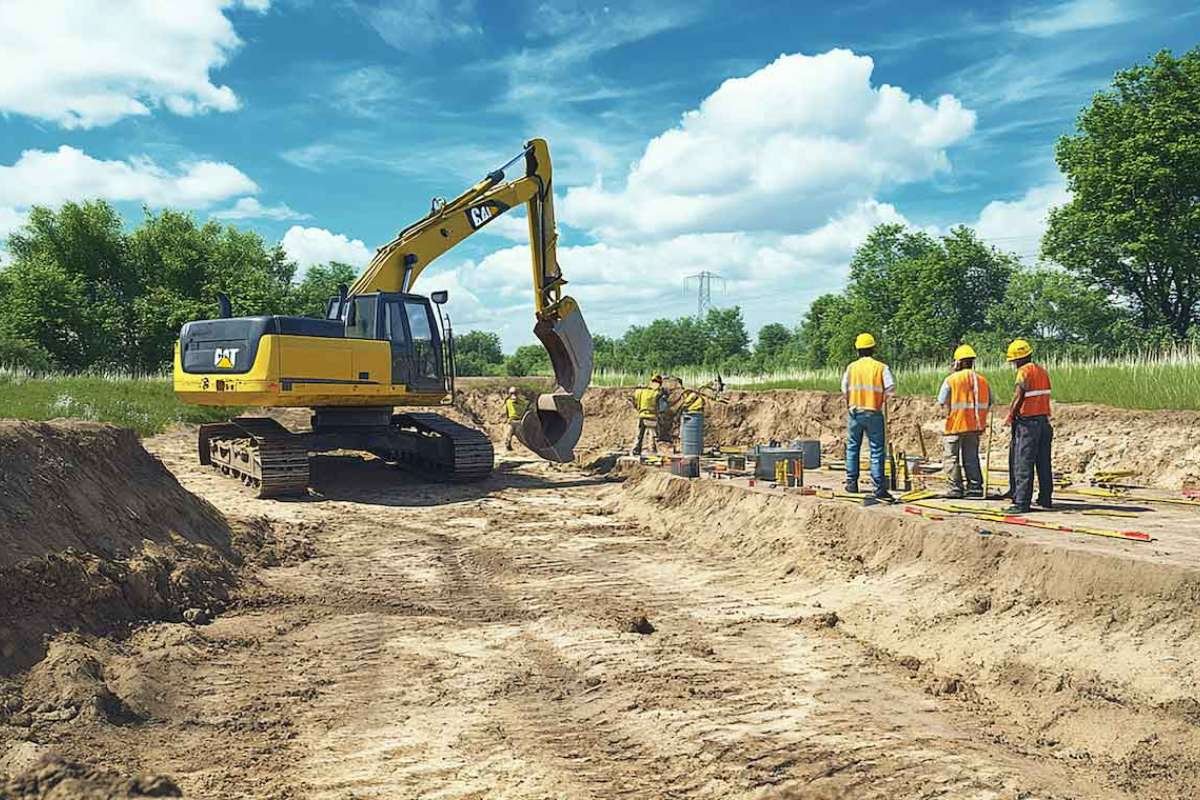
Poor prep has clear signs.
Crews arrive without the right materials. Equipment blocks traffic. Lifts wait on delivery. Surfaces are still dirty when paint is ready.
Each issue adds minutes. Minutes become hours.
A facility manager once noted that a rushed repaint caused four separate stoppages in one week. Each stoppage came from missing prep steps. The job finished late and needed touch-ups.
Speed was the goal. Delay was the result.
Quality Problems Come From Timing Errors
Paint failure often gets blamed on products. Timing is usually the cause.
Paint applied too soon fails. Paint applied too late traps moisture. Paint applied in poor conditions peels early.
Manufacturers report that coatings applied outside recommended conditions can lose up to half their expected lifespan.
Preparation controls timing. Timing protects quality.
Preparation Aligns Crews With Reality
Storage facilities have constraints. Narrow lanes. Shared access. Limited staging space.
Preparation adapts to those constraints.
A prepared project defines:
- Which lanes stay open
- Where equipment parks
- How signage guides traffic
- When noisy work happens
This alignment reduces conflict. Crews work without interruption. Tenants move freely.
One operator reported fewer complaints after repainting once access planning was added to the scope. Nothing else changed.
Multi-Site Work Makes Prep Even More Critical

Storage Facility Painting often spans multiple locations. Small mistakes repeat fast.
A missing checklist item at one site becomes a pattern across ten.
Preparation standardises work. It turns lessons into rules.
“We fixed one delay, and it saved us days later,” Purvis said after adjusting staging plans across a regional rollout. “That change came from prep review.”
Preparation scales. Rushing does not.
How Preparation Protects Brand Goals?
Rebranding demands consistency. Colours must match. Finishes must align. Timing must sync with signage and marketing.
Rushed paint work risks brand drift. One mismatched colour forces repainting. One delayed site slows the rollout.
Preparation connects painting with branding schedules. It keeps teams aligned.
Speed without prep threatens the brand. Speed with prep supports it.
Data Shows Prep Reduces Total Time
Studies across construction trades show that projects with structured pre-planning finish up to 15 percent faster overall. They also show lower rework rates.
The time spent planning gets paid back.
In painting, prep reduces touch-ups, callbacks, and schedule creep. That is real speed.
Preparation Changes Crew Behaviour

Prepared crews work differently.
They arrive knowing the sequence. They know where to stage. They know the standard.
This clarity boosts pace. It also reduces stress.
“Once the plan was clear, the crew stopped rushing,” Purvis said. “They worked faster without trying to.”
Preparation creates calm speed.
Where Speed Without Prep Hurts Most?
The worst failures happen when prep gets cut to meet deadlines.
Surface cleaning gets skipped. Repairs get rushed. Dry times shrink.
These shortcuts save hours and cost years.
Early failure leads to repainting sooner than planned. That costs more than waiting one extra day upfront.
Actionable Ways to Balance Speed and Quality
Preparation is practical. Owners and operators can require it.
- Lock Access Rules Early
- Define which lanes stay open. Share maps with crews.
- Build a Prep Checklist
- Surface cleaning. Repairs. Masking. Timing. Use it every time.
- Sequence the Site
- Paint in zones. Avoid overlap.
- Respect Cure Windows
- Schedule around the weather and humidity. Do not compress dry time.
- Stage Materials Intentionally
- Keep materials out of traffic paths.
- Review Each Project
- List delays. Adjust prep steps next time.
- Each step adds speed by removing chaos.
Why Specialised Operators Rely on Preparation?
Companies that focus on storage facilities build prep into their systems. They know the constraints. They plan around them.
This is why firms like Storage Facility Painting Services, LLC treat preparation as the core service, not an add-on.
Paint finishes the job. Prep makes it possible.
Preparation Is the Real Shortcut
Speed and quality only clash when preparation is missing.
With prep, crews move faster. Work lasts longer. Complaints drop. Rework fades.
Without prep, speed becomes noise.
In storage facility painting, preparation is not extra work. It is the work.
And once that mindset takes hold, the trade-off disappears.