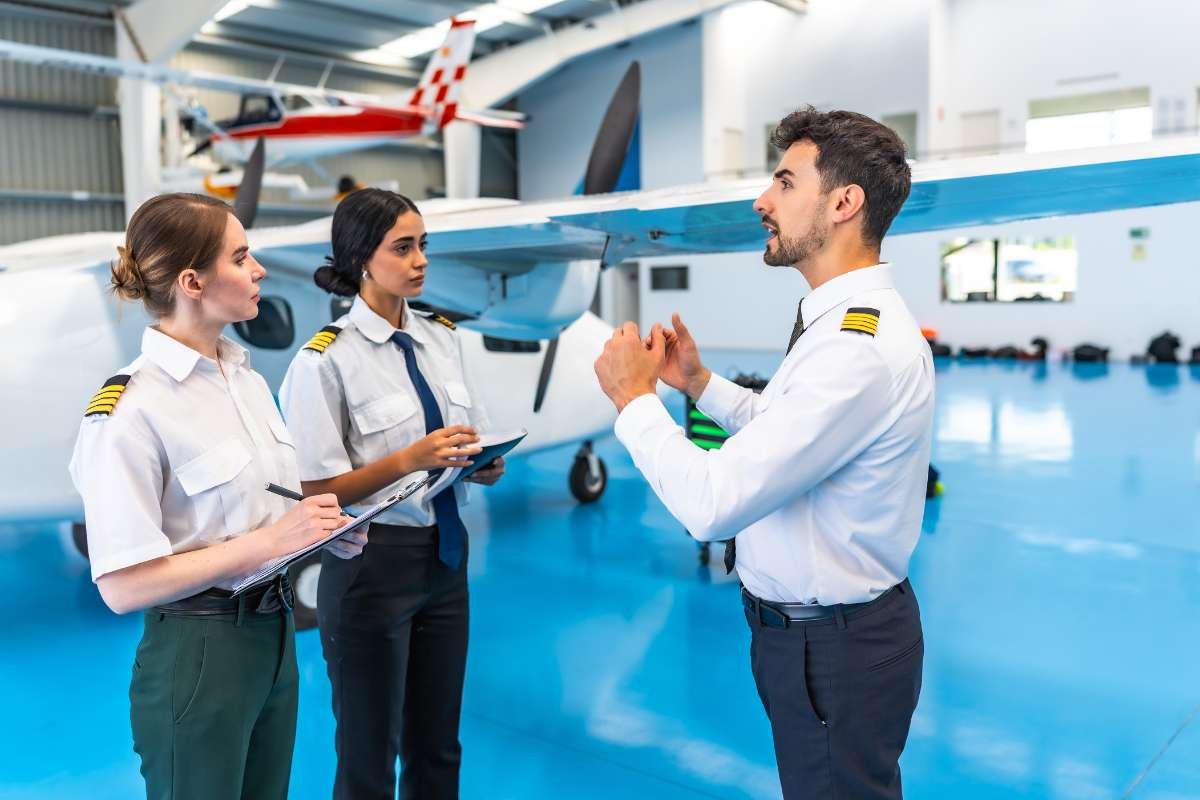
Structured Pilot Training Programs provide aspiring pilots with a clear roadmap from their first lesson through licensing. These programs follow a defined structure, uniform processes, and professional guidance. By understanding what takes place during Structured Pilot Training Programs, future pilots can better prepare for each phase of their journey. This overview highlights the core components and key milestones along the path to becoming licensed.
Initial Orientation and Ground School
The journey at flight school in Oregon begins here with an overview of the training course. Safety protocols, facility protocols, and guidelines for behavior are set by instructors. Ground school is the next step, and it provides the basis of knowledge for pilots. Students learn about everything from aerodynamics and weather to navigation and regulations here. Ground school lessons provide students with a solid foundation in the basics through interactive sessions that incorporate textbooks and multimedia elements. Assessments are usually followed to check understanding and readiness for actual flying.
Simulator sessions and first flight lessons
Trainees then move on to either flight simulators or basic trainers, with a specific purpose that focuses on them. Simulators enable students to practice without actually taking to the skies, offering a gradual place to hone their confidence. These tools simulate actual in-cockpit scenarios, allowing trainees to practice procedures and emergency responses. Your first few lessons will be mostly takeoffs, landings, and getting comfortable taxiing safely. The instructors guide you from the co-pilot seat so that you will receive feedback in real-time to improve.
Building Fundamental Flying Skills
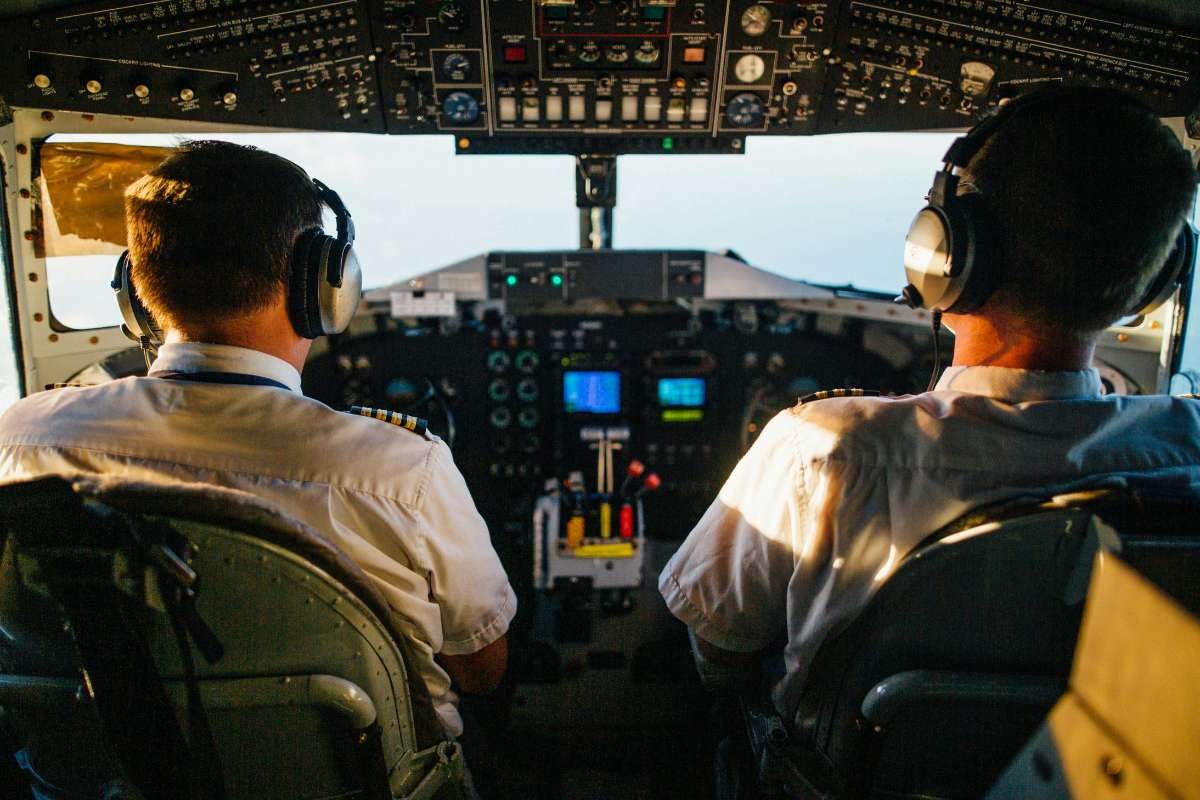
During Structured Pilot Training Programs, students practice aircraft handling in a variety of conditions. Each session covers straight-and-level flight, climbs, descents, and turns. Instructors emphasize safety, communication, and adherence to pre-established checklists. Repetition strengthens memory and highlights areas needing more focus. Through this process, trainees gain confidence and familiarity with aircraft operations.
Solo Flight and Advanced Maneuvers
Perhaps the single most-watched marker is the solo flight. Students need to be proficient and capable well before ever approaching this point. Assessments and mock situations determine readiness. In the solo, the trainee flies the aircraft alone, using lessons learned up to that point. Once the student has soloed, the students are introduced to more advanced maneuvers such as stalls, steep turns, and crosswind landings. These drills also help develop skills and adaptability.
Instrument Training and Cross-Country Flights
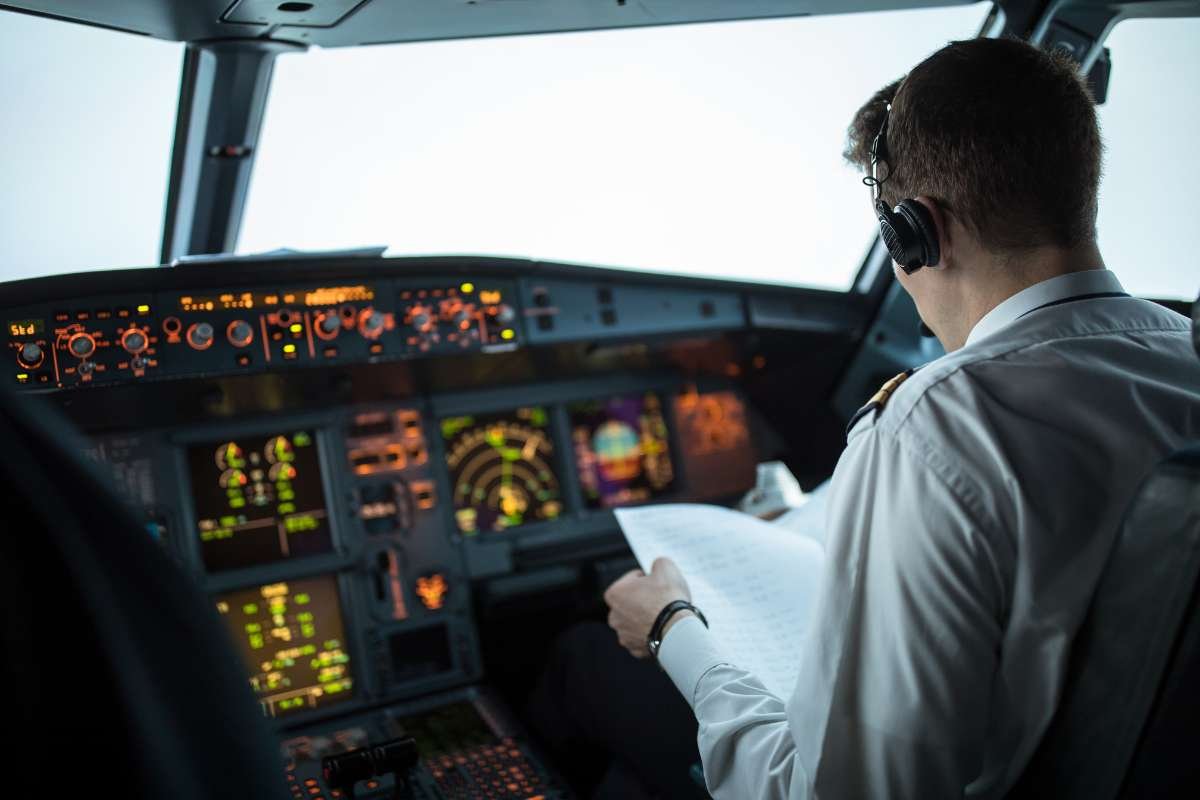
Organized training includes flying with an instrument block that prepares pilots when visibility is weak. Learners learn to read instruments, work the radios, and deal with air traffic control. A big part of the curriculum involves cross-country flights, where students must plan and fly routes over larger areas. Such experiences bolster navigation and decision-making under uncertainty and dynamic conditions. It allows instructors to track progress, and each requirement receives equal focus.
Emergency Procedures and Scenario-Based Learning
Easing of restrictions on flight operations did not eliminate the common scenarios that pilots prepare for when things do not go as planned, which is why managing adverse situations remains a critical aspect of pilot education. Lessons on emergency procedures, including realistic engine failures and equipment malfunctions, are part of these programs. Role-playing real-life scenarios prepares the trainees to stay calm and make rational decisions when the time comes around.
Knowledge Testing and Skill Evaluation
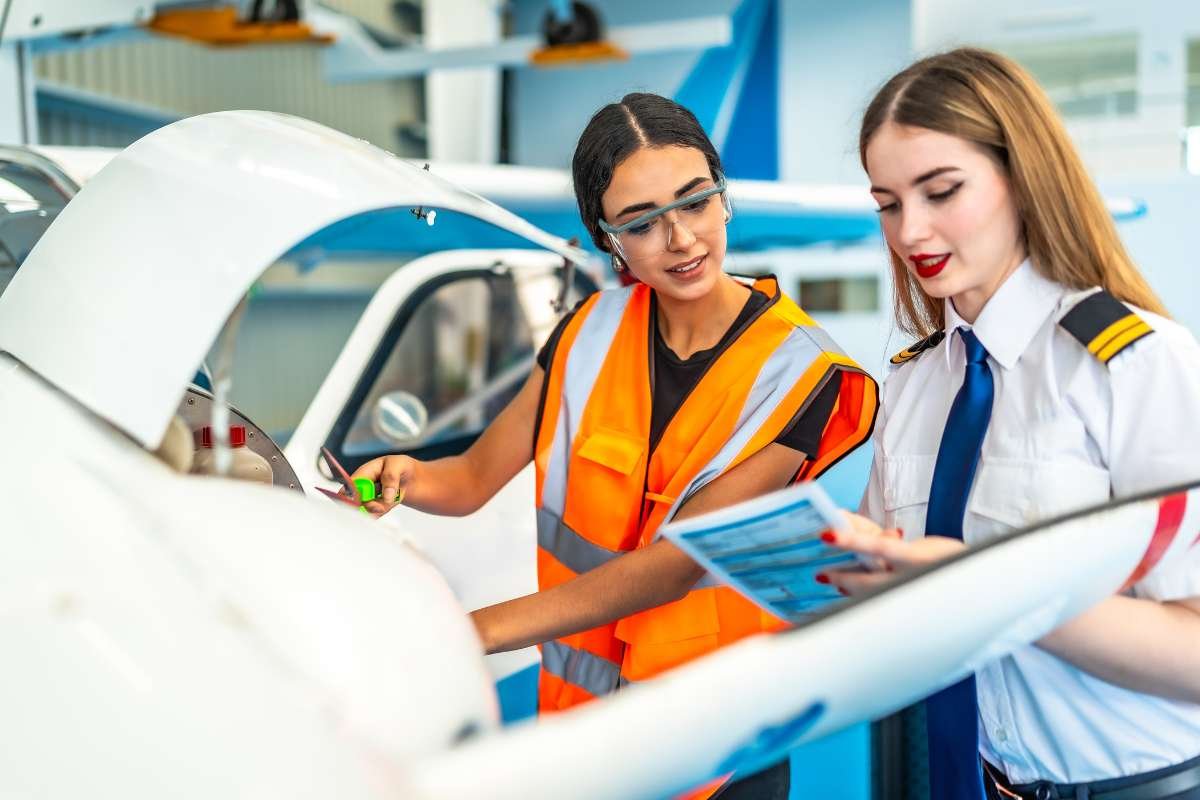
During the course’s duration, trainees are administered written exams and practical tests. These tests confirm that you understand the theoretical concepts and can execute basic maneuvers. Checklists and standardized grading with the rubric will help instructors take a fair and reliable approach. Feedback focuses on promoting strengths and identifying areas for improvement. If students pass these tests, they are ready for the final stage of training.
Checkride and Certification
The last task is one final comprehensive checkride with an authorized examiner. This evaluation consists of both an interview and a flight test. Candidates answer questions related to regulations, procedures, and decision-making. The examiner assesses the candidate during several scenarios in the flight test, which range from normal operations to simulated emergency procedures. Completion earns a pilot certificate, gold-plating the shift from student to licensed aviator.
Conclusion
For prospective aviators, structured pilot training programs provide a clear, step-by-step process for becoming pilots. The phases of the journey build on each other, fostering confidence, competence, and professionalism. After time, commitment, and instruction, a student will graduate from beginner to fully-fledged, competent pilot, ready to get out safely and enjoy an aviation career. Knowing what to expect at every phase should enable those aspiring aviators to tackle their flight training with excitement and confidence.
Read Next: The Ultimate Guide to Commercial Airline Pilot Training: Requirements and Costs