
Few ornamental fish combine color, form, and individuality quite like the betta. Native to Southeast Asia specifically Thailand and Peninsular Malaysia Betta splendens owes its long history of domestication and cultural heritage to the generations of Thai betta fish breeders who transformed it into one of the world’s most widely kept aquarium species.
Today, the market is no longer limited to local fish shops, specialty markets, or hobbyist communities. Online commerce has made it possible for collectors in the United States and elsewhere to view individual fish, compare traits, communicate with breeders, and arrange international delivery. For specialist Thai breeders, that shift has created a direct connection between traditional breeding knowledge and a global audience looking for unusual ornamental fish.
Thailand’s Betta Breeding Heritage
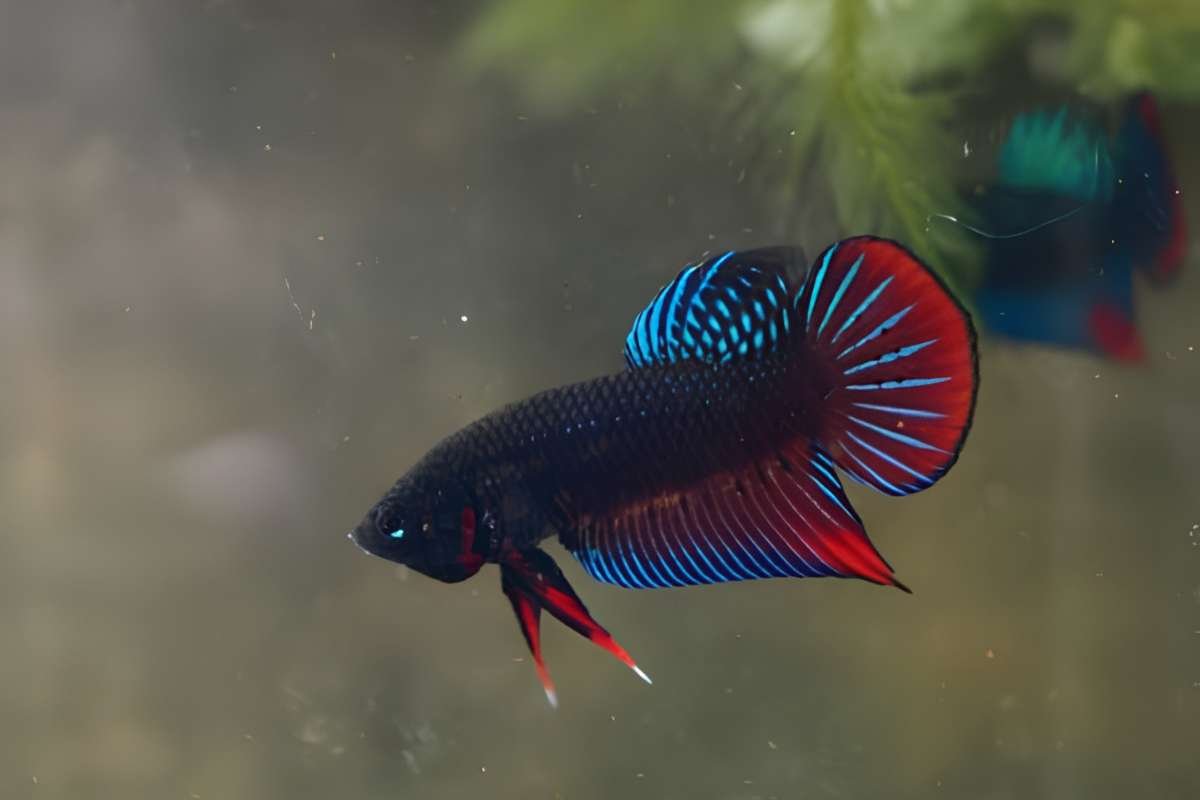
Thailand’s importance to betta culture is rooted partly in geography: the country is home to wild betta populations as well as a long-established ornamental-fish tradition. Modern breeding has expanded far beyond simply keeping fish with attractive colors. Selective breeding can involve pairing fish according to particular traits and maintaining lines over generations.
For breeders, a betta’s appeal may come from a combination of characteristics rather than one feature alone. Color can range from solid shades to multicolor combinations, while patterns can produce marbling, metallic effects, contrasting body-and-fin coloration, or other distinctive visual arrangements. Finnage also matters, with forms such as Halfmoon, Plakat, Crowntail, and other types giving breeders another dimension to work with.
Scientific research on Betta splendens illustrates just how much phenotype can be influenced through breeding. Research examining Crowntail and Double Tail crosses, for example, has found differences in coloration, morphology, growth, and other characteristics among offspring from different breeding combinations.
This is where specialist breeding becomes more than simply producing attractive fish. Maintaining consistent traits requires observation, record keeping, careful selection, and an understanding of how characteristics can appear or disappear across generations.
Thailand’s native diversity adds another layer. Research continues to document wild Betta species found in different parts of the country, while conservation researchers have also highlighted Thailand’s notable diversity of betta species.
What Makes a Betta Rare or Collectible?
Rarity in ornamental fish is not necessarily the same as biological rarity in the wild. Among collectors, a fish may be considered rare because a particular combination of traits occurs infrequently within a breeding population.
Collectors commonly look at several elements:
- Coloration: Intensity, contrast, consistency, and unusual color combinations can all influence visual appeal.
- Pattern: Distinctive or well-defined patterns may make an individual stand apart from more conventional fish.
- Form: Body proportions and overall symmetry contribute to how a fish presents in an aquarium.
- Finnage: Shape, spread, symmetry, and condition of the fins are important, particularly for recognized ornamental forms.
- Health: Strong appetite, alert behavior, intact fins, and an absence of obvious disease are more important than appearance alone.
- Individual uniqueness: A fish with an unusual combination of color, pattern, and form can become particularly interesting to a collector.
According to Poorich, founder of Thailand Betta Fish, evaluating a premium-grade betta involves looking at the fish as a whole rather than judging color alone. Balance, finnage, pattern quality, condition, and the individuality of each specimen all influence how a breeder evaluates a fish.
This explains why experienced buyers often focus on the individual fish rather than simply purchasing by variety name. Two bettas described using the same broad category can look substantially different.
For collectors, the attraction is therefore partly aesthetic and partly biological. Each fish represents the outcome of genetics, breeding decisions, development, and individual variation.
The Growth of the Global Collector Market

The internet has changed how ornamental fish can be discovered and evaluated. A collector who once depended on local availability can now browse specialist breeders and see individual fish from thousands of miles away.
That is particularly significant for niche varieties. Instead of waiting for a particular color or fin type to appear at a nearby retailer, hobbyists can search for breeders working specifically with the traits they want.
The broader aquaculture industry demonstrates how specialized fish production can increasingly connect with international markets and technology-driven distribution. The Enterprise World, for example, has examined how aquaculture businesses are evolving through specialized production systems and international operations.
For betta collectors, however, the online model has a particularly personal dimension. These are often individual animals rather than standardized products. A collector may select a specific fish because of its exact pattern, finnage, or coloration.
That creates an online market where photography, video, breeder reputation, communication, and logistics become part of the purchasing experience. For hobbyists researching betta fish for sale online, access to specialist breeders can make it easier to compare individual specimens and learn more about the traits behind different varieties.
How Buyers Evaluate Bettas Online
Buying a live ornamental fish online requires a different approach from buying a conventional consumer product. The buyer should be evaluating both the fish and the breeder’s ability to represent and transport it responsibly.
High-quality listings should provide clear, recent photographs and, where possible, video. Individual images are particularly useful because they allow a buyer to assess the actual fish rather than relying only on a variety name or stock photograph.
Collectors should also look for transparency around:
- The fish’s actual appearance and identifying information
- Recent photos or videos
- Visible signs of good health
- The breeder’s experience and reputation
- Packaging and shipping procedures
- Transit times and communication
- Policies covering arrival problems or losses
- Any import requirements that apply in the buyer’s country
This is one reason rare Thai betta fish available online can be evaluated as individual specimens rather than simply as a generic category. Thailand Betta Fish, a specialist breeder from Thailand, presents individual rare-grade fish across categories including Halfmoon, Plakat, Koi, Alien, and Avatar varieties, with listings emphasizing individual selection and international shipping.
The buyer should still conduct their own due diligence. A seller’s guarantee or shipping policy is useful, but it does not replace checking current import rules, preparing the aquarium before arrival, and understanding the risks associated with transporting a live animal internationally.
Alien Bettas as a Modern Breeding Example
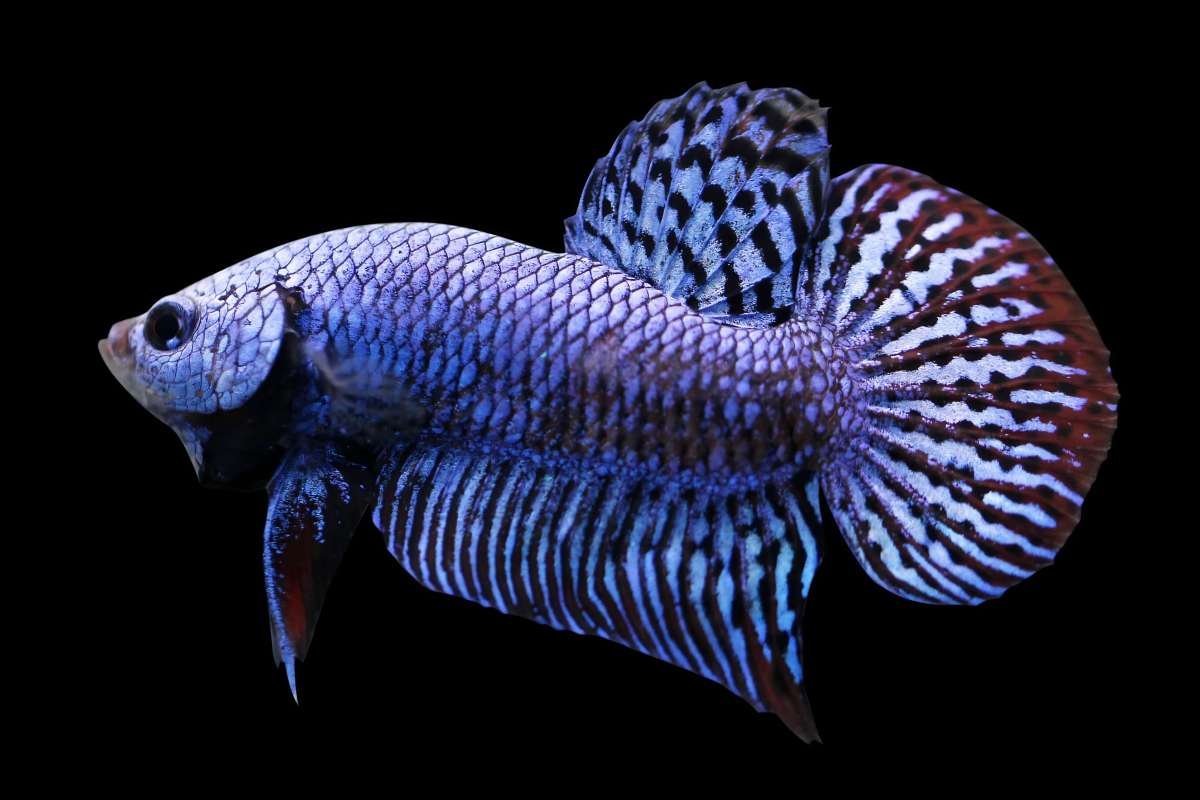
Alien bettas illustrate how skilled Thai betta fish breeders can produce appearances that differ noticeably from traditional solid-color varieties. The name generally refers to hybrid bettas developed using wild betta genetics, resulting in fish with a characteristic metallic or iridescent appearance.
Rather than relying on a single flat color, these fish can display a complex interaction between darker body coloration and reflective scales. Depending on the individual, the metallic effect may appear green, blue, copper, or in combinations that shift under aquarium lighting.
For collectors interested in unusual appearance, distinctive Alien betta varieties demonstrate how selective breeding and wild-derived traits can contribute to new ornamental forms. Thailand Betta Fish describes its Alien collection as hybrid fish associated with wild betta crosses and notes their dark bodies, metallic sheen, and distinctive patterns.
The appeal of Alien bettas also demonstrates why collector markets are driven by individuality. Metallic coverage, pattern distribution, body coloration, and finnage can vary from one fish to another, meaning buyers may be interested in a particular specimen rather than simply the category.
International Shipping and Responsible Fishkeeping
Getting a betta from a Thai breeder to an international aquarium involves more than placing an order. Live fish require careful preparation for transport, suitable packaging, controlled handling, and an acclimation process once they arrive.
Buyers should prepare the aquarium before the fish is shipped. Water parameters should be appropriate and stable, the tank should be fully operational, and a calm environment should be available for the new arrival.
After delivery, acclimation should be gradual and attentive. The fish should be given time to adjust to its new water conditions and surroundings rather than being treated like an ordinary packaged purchase.
Responsible ownership also means recognizing that a rare or expensive appearance does not reduce the animal’s basic needs. Good water quality, appropriate nutrition, adequate space, stable conditions, and ongoing observation remain essential regardless of a fish’s price or pedigree.
International buyers should additionally check applicable import, customs, and animal-health requirements before ordering. Rules can vary by destination and may change, so current government guidance should take precedence over information supplied by a seller.
Conclusion
The global influence of Thai betta fish breeders reflects a unique combination of native geography, generational knowledge, and a deep cultural connection to Southeast Asia’s most famous ornamental fish. Today, these modern specialists continue to build on that rich foundation by developing specimens with increasingly distinctive combinations of color, pattern, finnage, and form.
At the same time, the internet has transformed the collector experience. A hobbyist in the United States or another international market can now discover individual fish from specialist breeders in Thailand, study their characteristics, compare options, and make a more informed purchasing decision.
The result is a meeting point between traditional expertise and modern commerce. For collectors, that can mean greater access to unusual bettas. For responsible breeders, it creates an opportunity to introduce carefully developed fish to an audience far beyond their local market. And for the hobby as a whole, it shows how a small ornamental fish can connect specialized craftsmanship with a genuinely global community of enthusiasts.