
Every aspiring pilot begins with the same dream—to take off, explore the world, and build a life above the clouds. But Pilot Training is far more than just passion or the thrill of adventure. Behind the glossy brochures and curated social media posts lies a side of Pilot Training that few openly discuss.
In 2025 more students than ever are working toward becoming a pilot, yet many step into aviation without understanding how the industry has changed. The truth is that not all flying schools are created equal. Some promise quick paths to the cockpit but what they do not reveal can make or break your future career.
This is not about discouraging you. It is about preparing you. Before you invest time, effort and money into becoming a pilot, you deserve to know what really happens behind closed hangars and what top institutions rarely mention but every future pilot should understand.
The New Face of Pilot Training in 2025
Aviation is changing fast. The way pilots train today is completely different from what it was a few years ago. Modern simulators, digital tools and international training programs now shape how students learn to fly.
In 2025 airlines want pilots who are skilled, adaptable and ready for advanced cockpit technology. This makes the choice of training school more important than ever.
Many students begin with a pilot course in India that combines classroom study with real flying experience. These programs prepare cadets for both DGCA and FAA standards and give them a strong base for global careers. Choosing the right academy at this stage saves time, money and effort later in training.
Becoming a pilot today is not only about flying. It is about choosing a program that helps you grow into a confident, professional aviator.
What Top Flying Schools Won’t Tell You?
Choosing a flying school is one of the biggest decisions in your aviation journey. Most academies highlight success stories, modern fleets and glossy facilities. What they rarely talk about are the realities that can shape your career from day one. Knowing these truths before enrollment can save you from costly mistakes and disappointment later.
Here are some of the most important things that top schools often leave out:
- Training quality is not the same everywhere. Some academies focus more on marketing than on instructor experience or updated equipment.
- Hidden costs add up quickly. Extra flight hours, exams and uniform fees often appear after admission.
- International licensing makes a difference. Many students later discover that local certificates may not meet global airline standards.
- Instructor experience matters more than branding. Skilled mentors teach judgment, not just theory.
- Placement promises are not guaranteed. Real career success depends on your performance and the school’s credibility, not advertisements.
The goal of becoming a pilot is not only to complete training but to build a career that lasts. Understanding these hidden factors helps you make better choices early on.
That is why many students choose a flight academy India that combines local DGCA approved programs with international training exposure. It provides broader opportunities, smoother license conversion and practical skills that match global expectations.
When you look beyond the marketing and focus on facts, you give yourself the best chance to grow into a capable, confident professional pilot ready for international skies.
What Top Flying Schools Won’t Tell You?
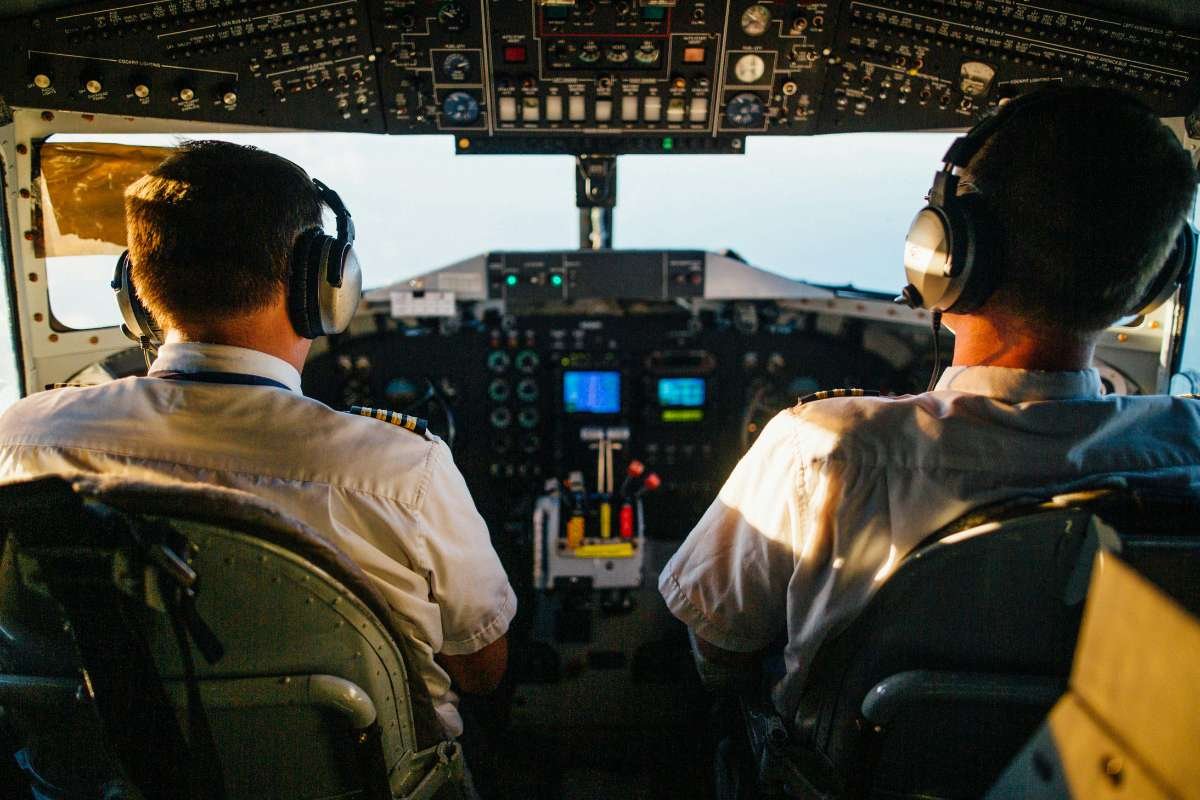
Every flying school makes big promises about quality training and quick results. But anyone focused on becoming a pilot should know that not everything is as it seems. Behind the glossy marketing are details that can decide how successful your training will be. Knowing these facts helps you make better choices and avoid expensive mistakes.
1. Not All Training Quality Is Equal
Some schools use modern aircraft and simulators while others depend on outdated tools and part-time instructors. The quality of training affects how confident and skilled you become in real flight. Always check instructor experience, aircraft condition and curriculum before joining.
2. Hidden Costs Are Common
Course fees often do not include everything. Many students later pay extra for exams, uniforms, fuel, or extra flying hours. Ask for a full cost breakdown before enrolling. A transparent school will clearly state all fees from the start.
3. Licensing Standards Differ by Country
A license from one country may not qualify you for work in another. This creates delays and extra costs. Students who plan to work abroad often choose a flight academy India that follows both DGCA and FAA standards. This allows smoother license conversion and better career options.
4. Instructor Quality Shapes Your Future
Experienced instructors are key to solid flight training. They build your judgment and confidence in the cockpit. Talk to past students or visit the school to understand how instructors teach and support cadets.
5. Job Placement Is Not Guaranteed
Many schools promise airline jobs after graduation, but real placement depends on your skill, flight hours and discipline. A reliable academy focuses on building ability, not making empty promises.
The best pilots are trained with honesty and preparation. By understanding what flying schools often leave out, you can make smarter decisions and build a stronger career in aviation.
How to Choose a Transparent Flying School?
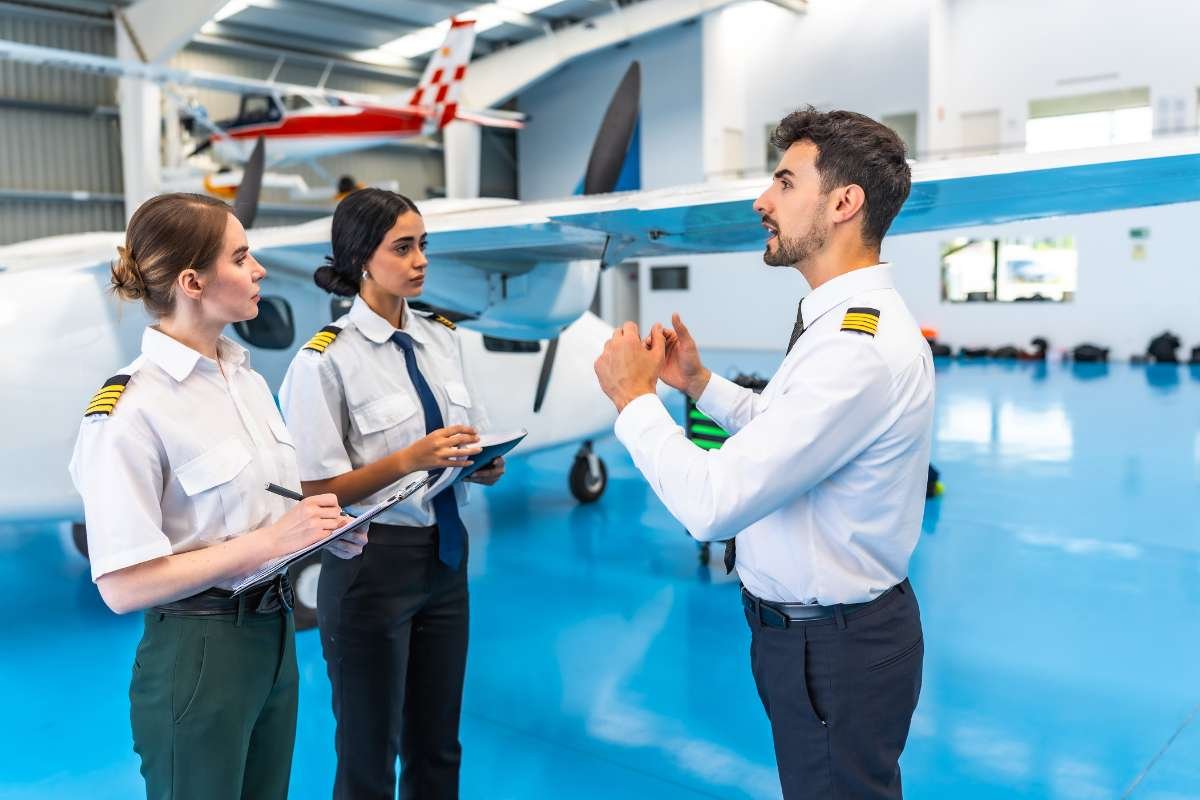
Finding the right place for Pilot Training goes beyond cost or location—it’s about trust, credibility, and long-term value. A transparent academy will clearly outline what to expect and support you through every stage of Pilot Training. Here’s how to recognize one before you commit.
1. Check Accreditation and Licensing
A reliable school operates under DGCA. This ensures that your certificate is valid for both local and international airlines. Always confirm that the school’s license is current and verifiable.
2. Evaluate the Instructors
Good instructors focus on more than just flight hours. They teach practical safety, communication and judgment. Look for schools where trainers have real airline experience and strong student feedback.
3. Review the Aircraft and Facilities
Inspect the fleet size, maintenance quality and simulator technology. Modern aircraft and working simulators make a major difference in training efficiency and safety.
4. Understand the Cost Structure
Ask for a full breakdown of fees before paying. Transparent academies clearly list all expenses including fuel, exam and uniform costs. This helps you plan ahead and avoid hidden charges.
5. Look for Clear Career Support
A professional school prepares you for employment through airline partnerships, interview training and skill development. Programs that offer commercial pilot training with real-world exposure give students the best start after graduation.
Choosing a transparent school builds confidence and saves time. It allows you to focus on becoming a pilot with a clear path and honest guidance from day one.
The Global Advantage Training Beyond Borders

Aviation is a global career, and pilot training has followed the same path. Students today no longer limit themselves to local schools. Many combine programs across countries to gain both DGCA and FAA exposure. This international blend gives them stronger qualifications and more opportunities after graduation.
Global programs offer broader experience in flight operations, weather patterns and air traffic systems. Students who train in different environments adapt faster, build confidence and understand global safety standards. These are the qualities airlines value most when hiring new pilots.
Another major advantage is access to advanced technology. International academies often use modern aircraft, full-motion simulators and structured evaluation systems that reflect real airline operations. This gives cadets a realistic view of professional flying long before their first job interview.
For anyone focused on becoming a pilot, training beyond borders is an investment in quality. It shapes your mindset, improves your flying skill and connects you to a network of global aviation professionals. The result is a career that starts strong and keeps growing with international standards.
Final Thought
Every pilot begins with the same view of the sky but not everyone reaches it the same way. The real difference comes from preparation, patience and the courage to choose the right path.
Becoming a pilot is not about chasing a title. It is about understanding what it takes to earn it. The process tests focus, resilience and decision-making long before you ever touch the controls. Those who treat their training as a craft, not a shortcut, are the ones who stand out when it matters most.
The best flying schools do not just teach you how to fly. They shape how you think, react and handle pressure. When you find a program that values honesty, skill and progress more than promotion, you have already taken your first real step toward the cockpit.
The journey through Pilot Training is never easy, but it’s always worth it. When the engines roar and the wheels lift off the runway, you’ll realize that every hour of study, every challenge, and every flight session was building toward this single moment of freedom—the moment you truly become a pilot.