Who are the richest women in the world in 2026?
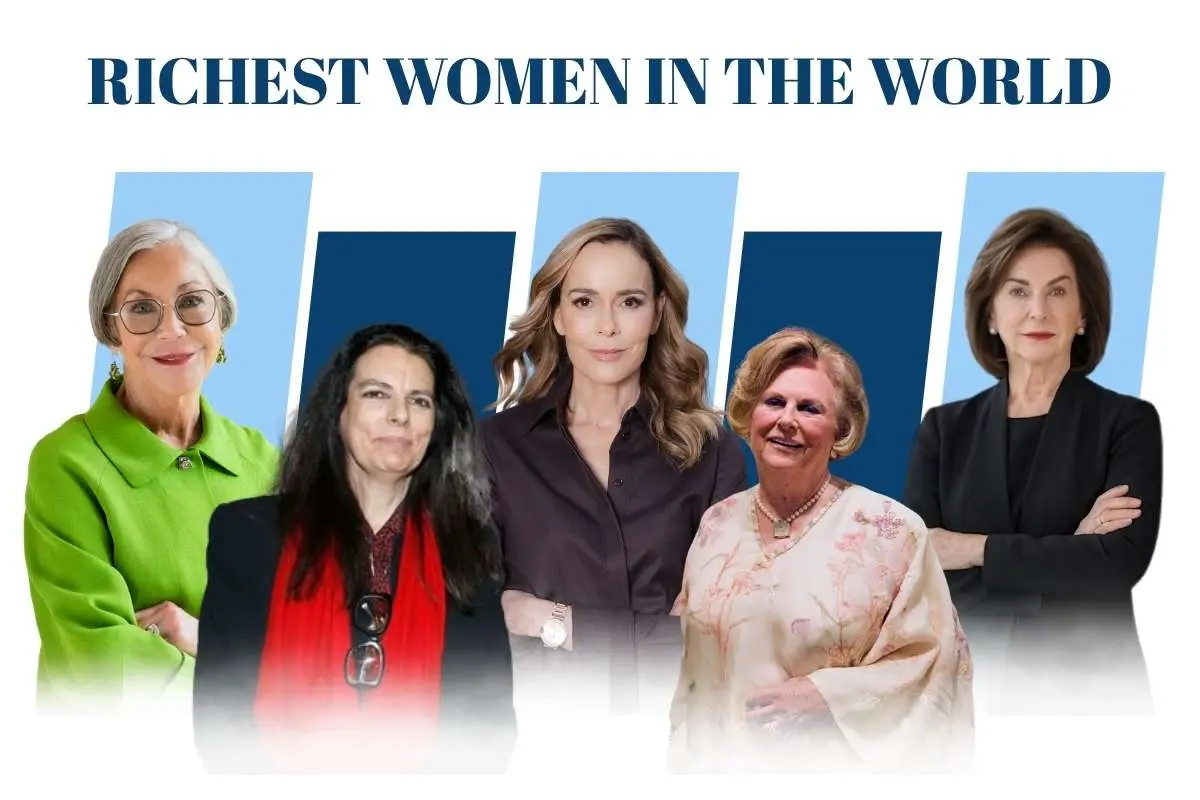
The Richest Women in the World have built fortunes through company ownership, family wealth, and years of business growth. Some built their own companies. Others inherited large stakes in firms that their families started.
The ranking below follows Forbes’ billionaire profiles and its 2026 wealth data. Net worth can change each day as share prices rise or fall. Private company values can also change. Figures are estimates, not fixed amounts.
Top 12 richest women in the world
| Rank | Name | Country | Main source of wealth | Estimated net worth |
|---|---|---|---|---|
| 1 | Alice Walton | United States | Walmart | $118B+ |
| 2 | Françoise Bettencourt Meyers | France | L’Oréal | $90B+ |
| 3 | Julia Koch | United States | Koch, Inc. | $84.6B |
| 4 | Jacqueline Mars | United States | Mars, Inc. | $50.3B |
| 5 | Rafaela Aponte-Diamant | Switzerland | MSC | $47B |
| 6 | Iris Fontbona | Chile | Mining and investments | $45.7B |
| 7 | Abigail Johnson | United States | Fidelity Investments | $41.6B |
| 8 | Savitri Jindal | India | Jindal Group | $38.5B |
| 9 | Marilyn Simons | United States | Investments | $36.6B |
| 10 | Melinda French Gates | United States | Microsoft shares and investments | $34.5B |
| 11 | Miriam Adelson | United States | Casinos | $32.9B |
| 12 | Elaine Marshall | United States | Koch, Inc. | $32.2B |
Figures are rounded estimates based on Forbes profiles and 2026 rankings available around September and October 2026. They are not a live price feed, so exact values and ranks may change.
1. Alice Walton
Age: 76 | Country: United States | Wealth type: Inherited
Alice Walton is the richest woman in the world in 2026. She is the only daughter of Walmart founder Sam Walton. Her fortune comes mainly from her stake in the retail giant.
Unlike her brothers, Alice has not taken a leading role on Walmart’s board. She has focused on art, education, and health care. She founded the Crystal Bridges Museum of American Art in Arkansas and helped establish the Alice L. Walton School of Medicine.
Business lesson: A large ownership stake can build wealth even when the owner does not run the company each day.
2. Françoise Bettencourt Meyers
Age: 73 | Country: France | Wealth type: Inherited
Françoise Bettencourt Meyers is the granddaughter of Eugène Schueller, who founded L’Oréal. Her family owns a large stake in the beauty company, which sells brands across skin care, hair care, and makeup.
Her fortune grew through family ownership and the rise in L’Oréal’s share value, making her one of the richest women in the World. She left the company’s board in 2025 after nearly three decades. Her son Jean-Victor Meyers took over as vice-chair.
Her wealth shows how a family stake in a global brand can grow over many years.
3. Julia Koch
Age: 64 | Country: United States | Wealth type: Inherited
Julia Koch and her three children inherited a 42% stake in Koch, Inc. after her husband, David Koch, died in 2019. The private company has businesses in energy, chemicals, materials, and other fields.
Koch’s value rests on its wide range of businesses. That spread can help reduce reliance on one market, though it does not remove business risk.
Julia also supports health and arts groups. She has backed major sports investments, including a stake in the group that owns the Brooklyn Nets and New York Liberty.
4. Jacqueline Mars
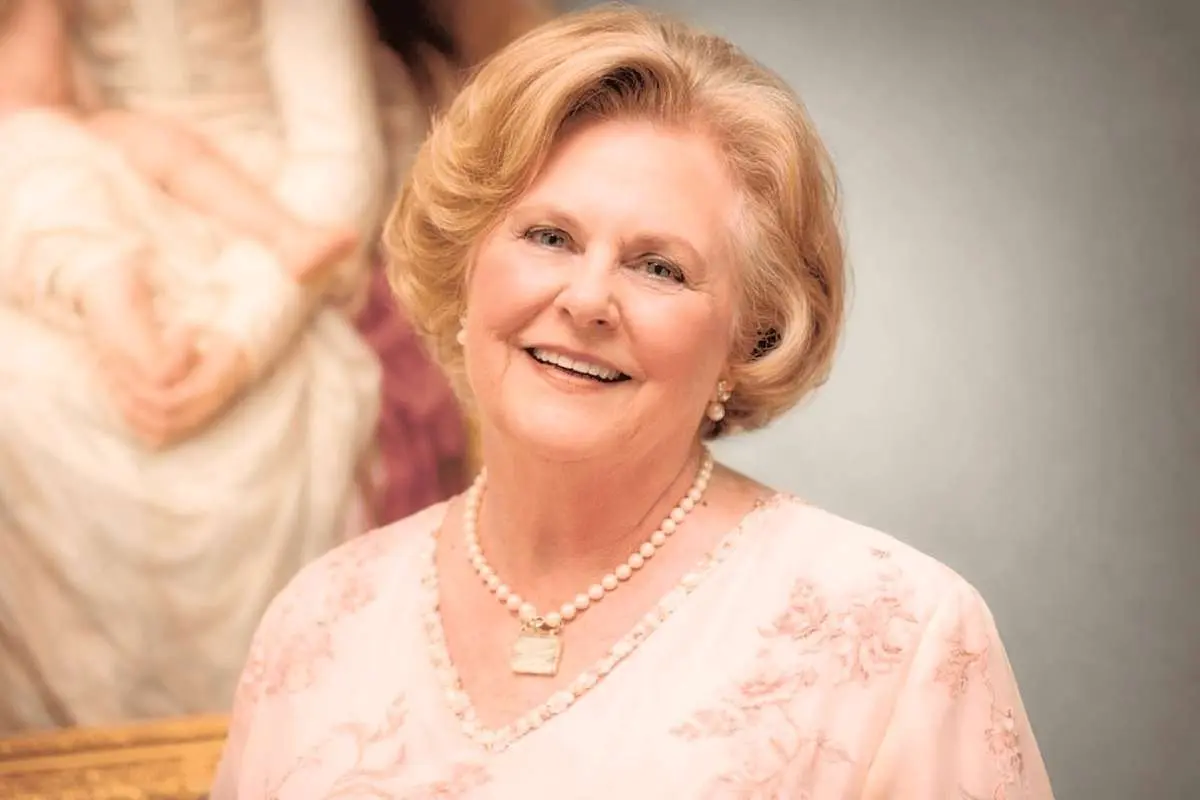
Age: 86 | Country: United States | Wealth type: Inherited
Jacqueline Mars is an heir to Mars, Inc., the family-owned company behind M&M’s, Snickers, and major pet food brands. She owns about one-third of the business.
Mars has grown beyond candy into pet care, food, and veterinary services. This mix gives the company more than one source of income.
Jacqueline joined the company in 1982 and later retired from daily work. Her fortune is tied to the long-term value of the family business and its brands.
5. Rafaela Aponte-Diamant
Age: 81 | Country: Switzerland | Wealth type: Self-made
Rafaela Aponte-Diamant is one of the richest self-made women in the world. She and her husband, Gianluigi Aponte, founded Mediterranean Shipping Company (MSC) in 1970. Each owns a 50% stake.
The couple began with a loan to buy a ship. MSC later grew into a major shipping group with cargo services, cruise lines, port operations, and logistics.
Rafaela has also helped shape the look of MSC cruise ships. Her story shows how a clear business plan and years of growth can turn a small start into a global company, earning her a place among the richest Women in the World.
6. Iris Fontbona
Age: 83 | Country: Chile | Wealth type: Inherited and managed family wealth
Iris Fontbona inherited a major business fortune after her husband, Andrónico Luksic, died in 2005. She and her family hold stakes in Antofagasta, a copper mining group, and Quiñenco, a company with interests in banking, drinks, and industry.
Copper demand can rise with building, power networks, and electric vehicles. But mining firms also face changes in metal prices, costs, and rules.
Her wealth shows how family ownership across several industries can create a broad business base.
7. Abigail Johnson
Age: 64 | Country: United States | Wealth type: Family ownership and business leadership
Abigail Johnson is the chairman and CEO of Fidelity Investments. Her grandfather founded the firm in 1946, and she joined it full-time in 1988.
She owns an estimated 29% of Fidelity, which makes her wealth closely linked to the value of the private financial services firm. Fidelity earns money from investment services, funds, and wealth management.
Abigail has led the company since 2014 and became chairman in 2016. Her role shows how a family stake can grow when paired with years of leadership.
8. Savitri Jindal
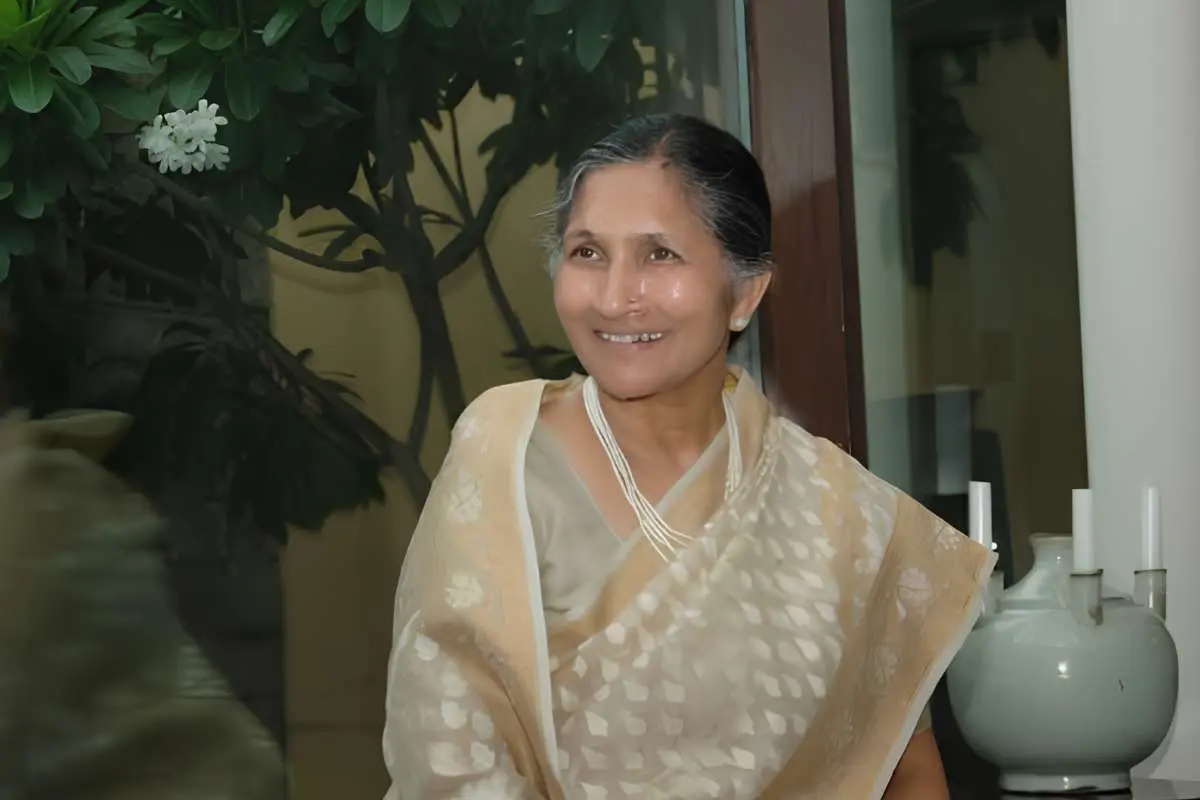
Age: 76 | Country: India | Wealth type: Inherited
Savitri Jindal is the chairperson emerita of the O.P. Jindal Group. Her wealth comes from the business founded by her late husband, Om Prakash Jindal.
The group has interests in steel, power, cement, and other heavy industries. After his death in 2005, the family’s businesses were split among their sons, who run separate firms.
Steel and power demand is closely tied to construction, factories, and public projects. This gives the group room to grow, but also exposes it to shifts in costs and demand.
9. Marilyn Simons
Age: 75 | Country: United States | Wealth type: Investments
Marilyn Simons built her fortune through her family’s investment wealth. She is the widow of Jim Simons, the mathematician who founded Renaissance Technologies, a major hedge fund firm.
Her wealth is linked to investments and financial assets rather than a consumer brand. Investment firms can earn large returns, but their results depend on market conditions and the success of their strategies.
Marilyn is also known for her work in science and education through the Simons Foundation, which supports research and learning.
10. Melinda French Gates
Age: 62 | Country: United States | Wealth type: Divorce settlement and investments
Melinda French Gates built her career in technology before becoming a major philanthropist. She worked at Microsoft and later co-led the Bill & Melinda Gates Foundation.
Her wealth is linked to Microsoft shares and investments, including assets received in her 2021 divorce settlement from Bill Gates. She now leads Pivotal, which backs work on women’s rights and equal chances.
Her story is different from that of a company founder. Her wealth reflects an earlier career, asset ownership, and investment choices.
11. Miriam Adelson
Age: 80 | Country: United States | Wealth type: Inherited
Miriam Adelson inherited much of her fortune from her late husband, casino magnate Sheldon Adelson. Her family owns a large stake in Las Vegas Sands, a casino and resort company with major sites in Macao and Singapore.
Her wealth depends on the value of that stake and the wider gaming and travel market. Casino firms can earn large sums, but they also face strict rules and changes in visitor demand.
She has also become a major donor to political causes and medical research.
12. Elaine Marshall
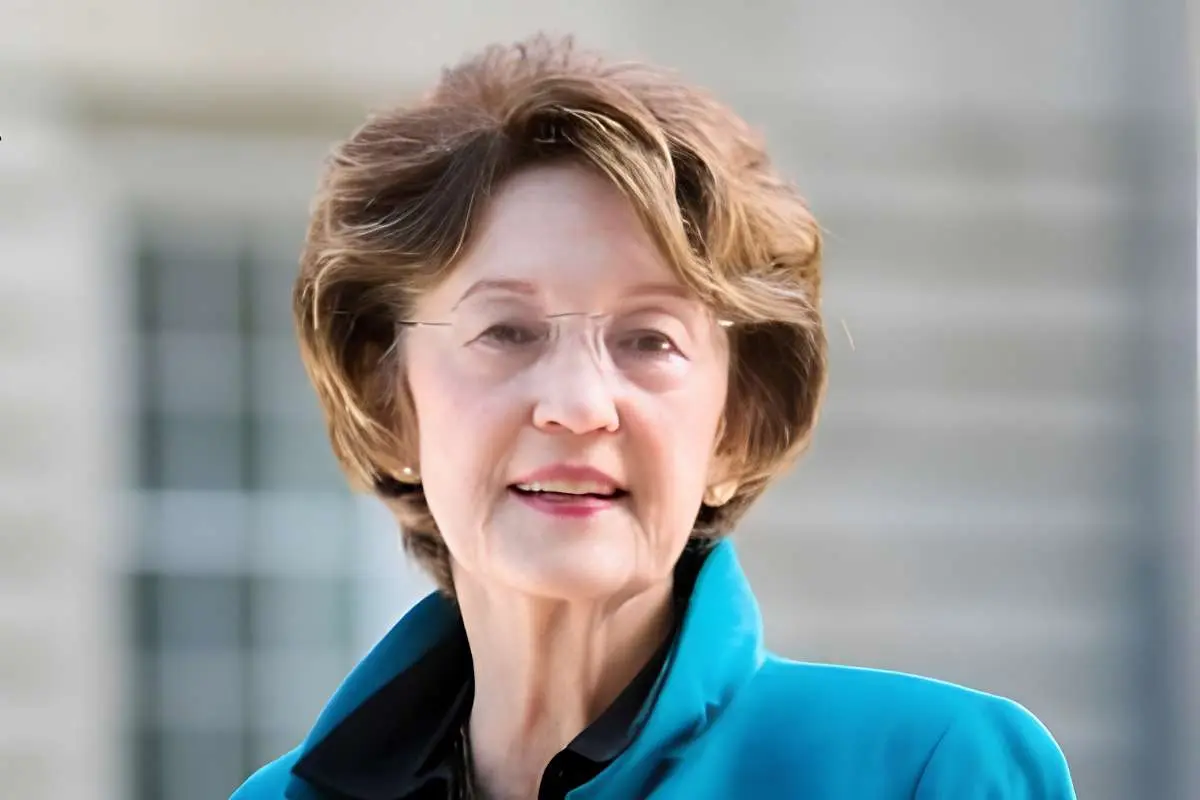
Age: 84 | Country: United States | Wealth type: Inherited
Elaine Marshall and her two sons own an estimated 16% stake in Koch, Inc. She inherited her share from her husband, E. Pierce Marshall.
Koch has interests across several industries, including energy, chemicals, and materials. Its private ownership means its value is not set by daily stock market trading, so estimates can differ.
Her fortune is a reminder that private company stakes can hold great value even when the owners are not public faces of the business.
What do these fortunes tell us about business?
The Richest Women in the World do not all follow the same path. Some, like Rafaela Aponte-Diamant, built a company with a partner. Others, such as Alice Walton and Françoise Bettencourt Meyers, gained wealth through family ownership.
Three points stand out:
- Ownership matters: A large stake in a strong company can be worth more than a high salary.
- Industry trends matter: Retail, beauty, shipping, finance, and mining can all shape a fortune.
- Wealth is not the same as cash: Much of a billionaire’s net worth is held in shares or private business stakes. Its value can rise or fall.
The Richest Women in the World also show that inheritance alone does not tell the whole story. Some heirs take an active role in their businesses, while others focus on giving, investing, or other work.
Conclusion
The Richest Women in the World show how company ownership can shape wealth across generations. Some built businesses from the ground up, while others inherited stakes and helped protect or grow them. Their stories offer a useful look at how ownership, industry growth, and long-term choices can shape a fortune.
FAQs about the richest women in the world
1. Who is the richest woman in the world in 2026?
Alice Walton is the richest woman in the world in 2026, according to Forbes’ wealth rankings. Her fortune comes mainly from her stake in Walmart, the retailer founded by her father, Sam Walton.
2. Who is the richest self-made woman?
Rafaela Aponte-Diamant is among the world’s richest self-made women in 2026. She co-founded Mediterranean Shipping Company with her husband, and each owns half of the business.
3. Are most of the richest women self-made?
No. Many of the women near the top of the list inherited stakes in family companies. A smaller group built wealth through founding or growing businesses, as Rafaela Aponte-Diamant did.
4. How does Forbes estimate net worth?
Forbes estimates wealth by reviewing company stakes, share prices, private business values, and other known assets. These figures can change as markets move or new information becomes available.
5. Which regions are represented among the richest women?
The list includes women from the Americas, Europe, and Asia-Pacific. Their fortunes span retail, beauty, shipping, mining, finance, and other industries.