Key Takeaways
- Visa Crackdown: U.S. suspends Microsoft, Adobe, and other firms.
- Microsoft Responds: 80% of H-1B applications involved existing employees.
- Jobs in Focus: Administration prioritizes American workers.
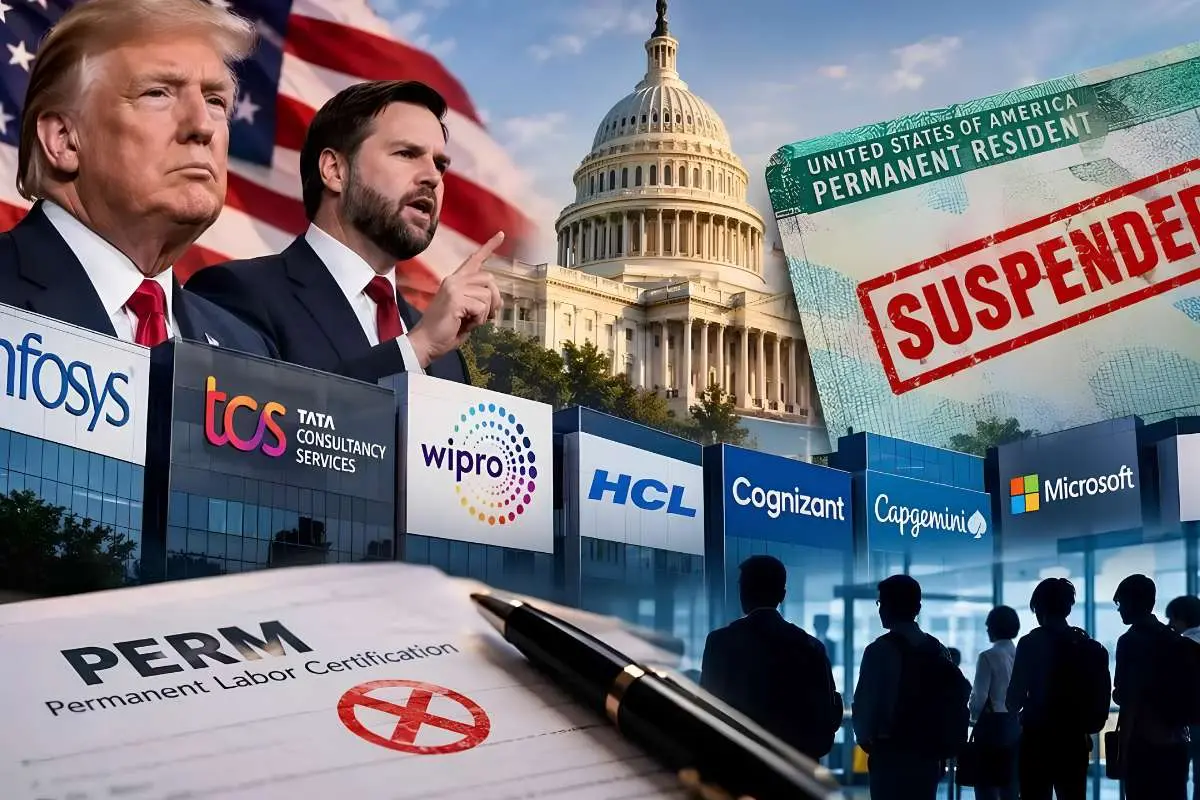
The U.S. Department of Labor suspended Microsoft and Adobe from its permanent labor certification program Thursday, citing active federal investigations amid a broader crackdown on foreign hiring and efforts to protect American workers.
Labor Secretary Keith Sonderling said the department would stop accepting or processing new applications under the program from the affected companies, which also include Cognizant, Infosys, Capgemini, Tata, Wipro and HCL. The announcement comes as the Trump administration intensifies scrutiny of employment-based immigration programs ahead of November’s midterm elections.
Labor Department Targets Major Technology Employers
Sonderling said the companies had collectively requested nearly 3 million foreign workers since 2009, receiving more than 230,000 H-1B visa approvals and over 100,000 permanent labor certifications.
“These are hundreds of thousands of jobs that were taken from American workers,” Sonderling said, arguing that foreign hiring had affected employment opportunities for U.S. citizens.
The Permanent Labor Certification program, commonly known as PERM, allows employers to seek certification that hiring foreign workers for permanent positions will not adversely affect U.S. workers’ wages and working conditions. The certification is generally a key step in the employment-based green card process.
The department cited multiple active federal investigations as the reason for suspending Microsoft and Adobe. Officials did not disclose further details about the investigations or specify how long the suspensions would remain in effect.
Vance Challenges Microsoft Over Layoffs and Visas
Vice President JD Vance criticized Microsoft over its decision to cut approximately 6,000 jobs in 2025, alleging that the company replaced American employees with workers holding H-1B visas.
“We’re going to continue to support Microsoft and have a great relationship with Microsoft,” Vance said, adding that the administration would restrict the company’s ability to apply for permanent residency certifications until it demonstrated a stronger commitment to American workers.
Microsoft disputed the characterization of its hiring practices in a statement Thursday, saying the vast majority of its U.S. employees are Americans. The company also argued that its visa applications largely involved retaining existing workers rather than bringing in new employees.
“Of the approximately 6,000 H-1B visa applications we submitted in the last fiscal year, 80% were to extend or change the status of existing Microsoft employees,” the company said.
Microsoft added that it filed petitions only for workers who met the visa category requirements and that its wages for H-1B workers ranked among the highest in visa filings.
Visa Sponsorship Data Puts Big Tech Under Scrutiny
Technology companies have long used H-1B visas to recruit skilled foreign workers for specialized positions. Microsoft, Google, Amazon, and Apple have historically ranked among the program’s major sponsors, which allows U.S. employers to hire eligible foreign professionals in specialty occupations.
According to 2026 data from Levels. fyi, fyi cited in the report, Amazon led with 35,426 H-1B petitions, followed by Cognizant and EY. Microsoft ranked fourth, with 21,706 petitions and a median base salary of $180,710.
The announcement coincided with a White House science summit where President Donald Trump was scheduled to award the National Medal of Science to Microsoft CEO Satya Nadella and other technology leaders, including Nvidia CEO Jensen Huang, SpaceX CEO Elon Musk and Advanced Micro Devices CEO Lisa Su.
Vance distinguished between skilled immigrants who build businesses and broader corporate foreign hiring practices, expressing support for entrepreneurs such as Musk and Su.
The suspensions place additional scrutiny on technology companies’ immigration practices as the administration emphasizes domestic employment. The department has not publicly detailed the investigations involving Microsoft and Adobe or provided a timeline for reviewing the suspensions.
Visit The Enterprise World for the most recent information.