Key Takeaways
- UK nationalises British Steel to ensure continued domestic steel production.
- The move aims to stabilise supply chains and protect industrial capacity
- Ownership shift raises concerns among foreign investors and stakeholders
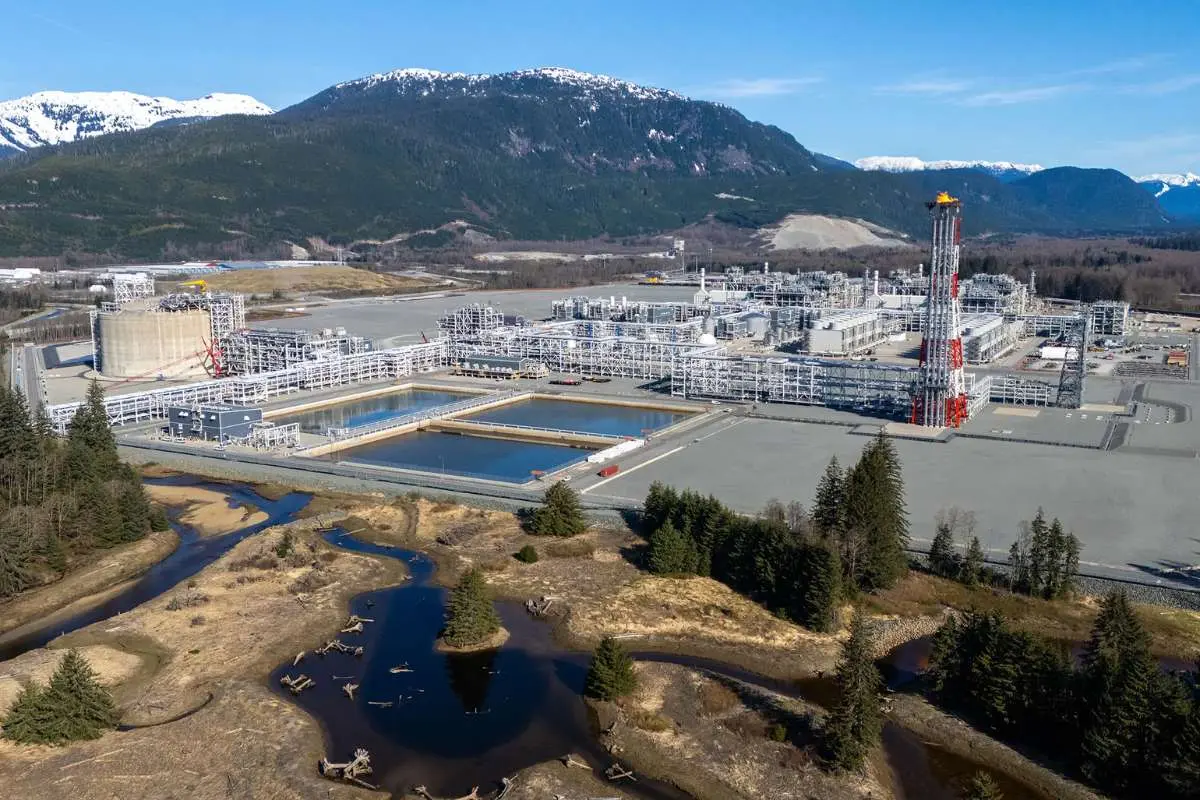
As the UK nationalises British Steel, bringing the company into public ownership, the government aims to ensure continuity of steel production and maintain stability across supply chains. The decision focuses on safeguarding operations at the Scunthorpe facility in Lincolnshire, which remains a key manufacturing site.
Ownership shift targets supply chain stability
British Steel was previously owned by Jingye Group, a China-based company that had acquired the business in earlier restructuring efforts. As the UK nationalises British Steel, the latest move transfers control to the UK government, with the stated objective of preserving steel production capacity.
The Department for Business and Trade indicated that maintaining operations at the Scunthorpe site is essential for supporting domestic supply chains. Steel remains a critical input across sectors, including construction, manufacturing, and infrastructure development, a priority tied to the UK’s standing among the world’s largest economies.
The Scunthorpe plant has been central to the company’s operations, with blast furnace facilities that contribute to primary steel production. Prior to the ownership change, there were plans to close these furnaces, raising concerns about production continuity.
To prevent disruptions, authorities introduced measures that enabled the transition to public ownership. This included legislative action allowing the transfer of company shares and assets into government control.
A new leadership team has been appointed to oversee operations and focus on stabilising the business. The plan includes efforts to improve commercial sustainability and align production with evolving industry standards.
Investment climate and industry outlook in focus
As the UK nationalises British Steel, the ownership change has drawn attention from international investors, particularly those with interests in industrial assets. Statements from China’s Ministry of Commerce highlighted concerns regarding the impact on investment confidence.
British Steel’s previous ownership by Jingye Group reflects the role of foreign capital in supporting industrial businesses. The transition to public ownership marks a shift in how such assets are managed, especially in sectors considered critical to supply chains.
The UK government has indicated that the focus will remain on ensuring operational continuity while working towards a more sustainable business model. This includes exploring pathways to improve efficiency and reduce emissions in steel production.
The steel sector globally is transforming, with companies investing in cleaner production technologies and optimising cost structures. Maintaining consistent output while adapting to these changes remains a priority for operators.
For business owners and entrepreneurs, the fact that the UK nationalises British Steel carries implications for pricing, supply reliability, and procurement strategies. Infrastructure projects and manufacturing operations depend on steady access to raw materials such as steel.
As the UK nationalises British Steel, production at a key facility continues without immediate disruption, a move confirmed in the government’s official announcement. At the same time, it reflects broader industry dynamics where governments and companies are taking steps to secure critical manufacturing capabilities.
As the company transitions under public ownership, operational performance and supply chain integration will remain key areas of focus. The outcome will influence how industrial assets are managed and supported in a changing economic environment.