Key Takeaways
- UK retail sales rose 0.5% in August.
- Sales volumes were 2.4% higher than a year earlier.
- Online and department stores helped drive the monthly increase.
UK retail sales rose more than expected in August as warm weather and stronger online spending helped consumers increase purchases despite higher living costs.
Retail sales recover in August
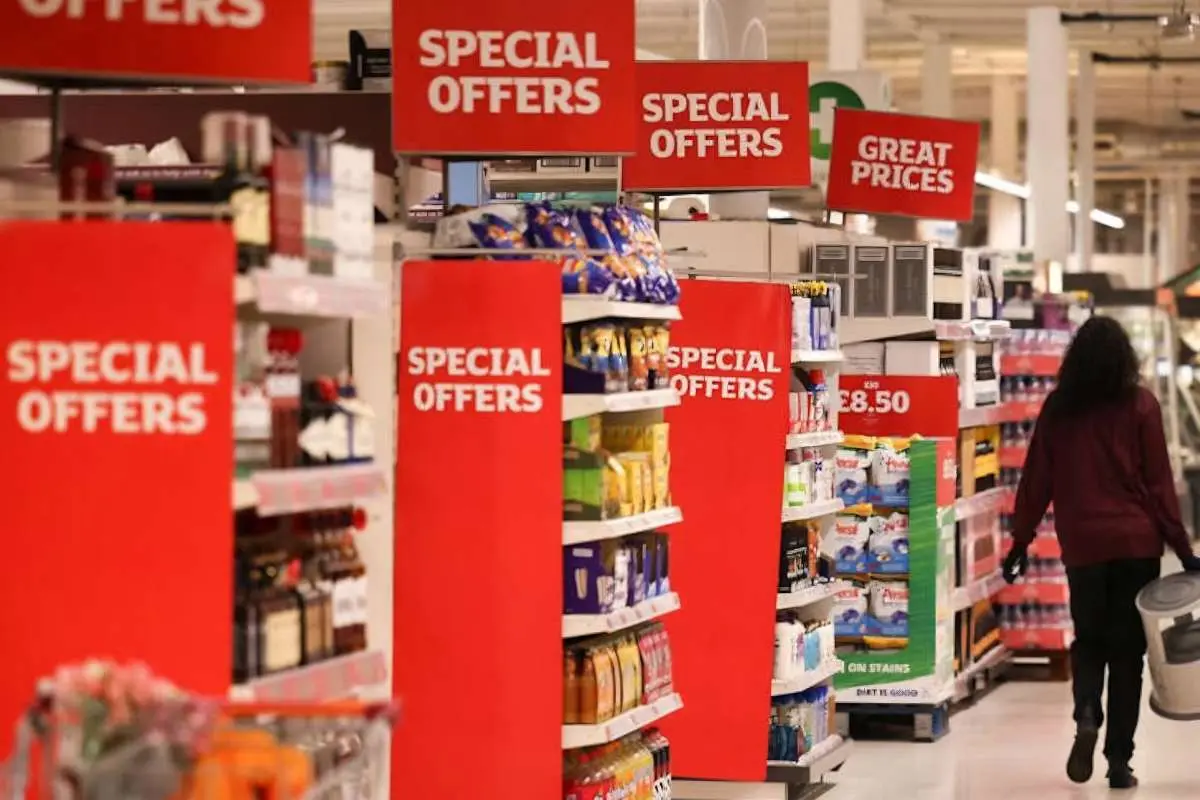
UK Retail Sales volumes increased 0.5% in August from July, reversing a 0.5% decline in the previous month. Economists had expected sales to fall by 0.2%, making the latest increase stronger than forecasts.
Sales also increased 2.4% from August 2025, while volumes for the three months to August were 0.9% higher than in the previous three-month period. The three-month measure rose 2.4% from the same period a year earlier.
The increase suggests that consumer spending remained resilient through the summer. However, the figures cover only the amount of goods bought and do not show whether households felt more confident about their finances.
Online and department stores lead growth
Non-store retailers recorded a recovery in August after weaker sales in July. Earlier promotions in June had pulled some purchases forward, which contributed to the July decline.
Department stores also recorded higher sales after some retailers faced stock availability problems in July. Non-food store sales volumes increased 0.6% during August, with clothing stores also recovering part of their previous decline.
Warm weather supported demand for several products during the summer. Retailers reported stronger sales of items such as fans and air-conditioning units, while food stores also performed well during July and August.
The men’s football World Cup also supported some spending on sports merchandise, clothing and food and drink. These seasonal factors helped lift consumer purchases during the month.
Higher fuel prices weigh on spending
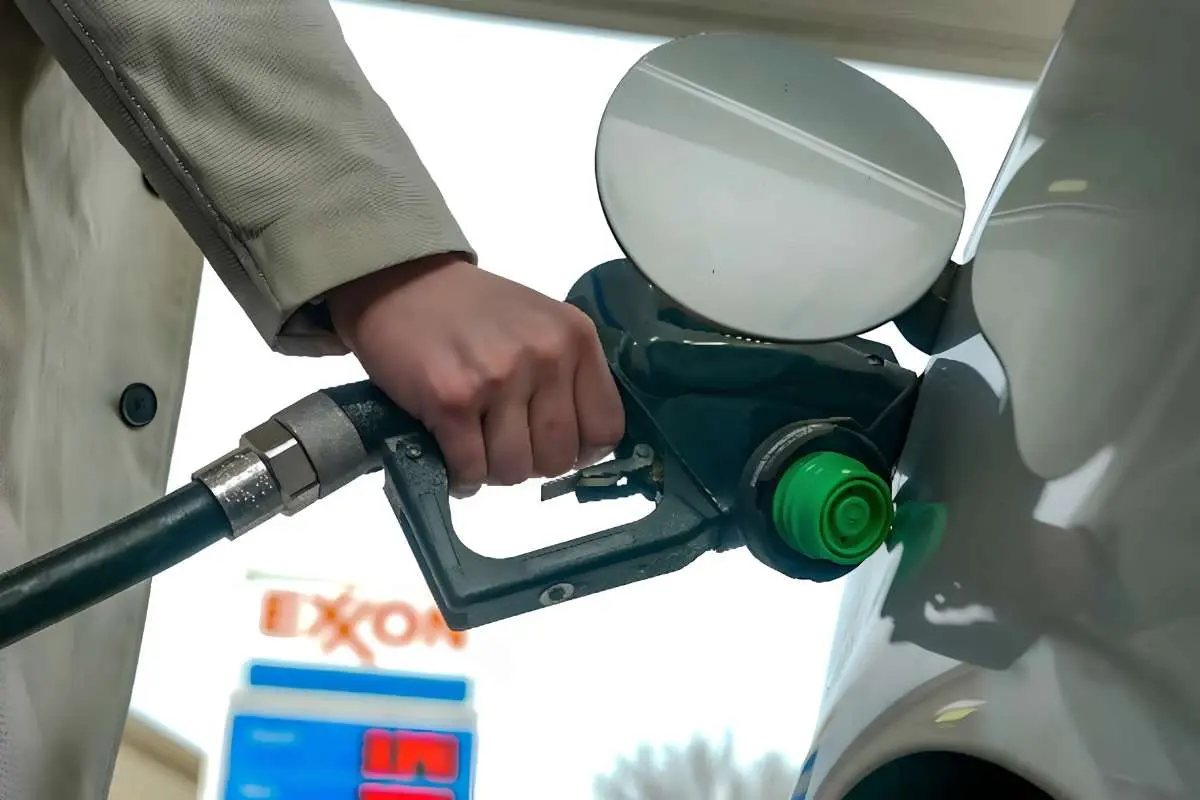
Fuel sales moved in the opposite direction. Fuel sales volumes fell in August as prices increased sharply, with retailers reporting signs that motorists were changing how they bought fuel. Some consumers appeared to fill their tanks only partly to manage higher costs.
The retail data came after UK inflation rose to 3.1% in August, its highest level in five months. Higher petrol and diesel prices, along with increased airfares, contributed to the rise. Core inflation remained at 2.6%, while services inflation stayed at 3.4%.
The stronger retail figures therefore offer a mixed picture of the UK consumer economy. Spending has held up, but higher prices continue to affect household budgets and some parts of retail demand.
Retailers have also given mixed signals about the months ahead. Clothing retailer Next recently lowered its forecast for UK retail sales growth in the second half of 2026, citing inflation, higher mortgage costs and a weaker employment market.
The latest sales figures, published by the Office for National Statistics, will add to the data available to policymakers as they assess household demand, inflation and the wider UK economy.