


Agriculture today stands at a turning point. Farmers and scientists alike are looking for ways to balance age-old farming traditions with modern, sustainable practices. As climate change brings new challenges and soil quality continues to decline, the farming sector is increasingly turning to biological solutions that work in harmony with nature. These include biofertilizers that improve soil health, and biopesticides that protect crops without causing harm to the environment. The future of farming depends on such innovations, which offer both higher productivity and a healthier planet.
At the forefront of this movement in India is Vipin Saini, the Chief Executive Officer of the Biological Agri Solutions Association of India, commonly known as BASAI. With close to 35 years of experience in biosciences, Vipin is a well-respected expert in regulatory affairs and a committed environmentalist. Since taking on his role in 2019, he has worked actively to promote the use of biological agricultural inputs, including biofertilizers, biopesticides, and biostimulants, through policy advocacy, industry partnerships, and public awareness.
Under his leadership, BASAI has grown into a key organization shaping India’s approach to sustainable agriculture. The association has organized major national events such as the BASAI 2025 conference, which brought together farmers, researchers, and policymakers to work toward building farming systems that can withstand the pressures of a changing climate.
A journey of expertise in agricultural regulations
Vipin Saini’s journey into this field began as far back as 1997, when he first started exploring the niche area of Regulatory Affairs. He went on to adopt it as a full-time profession in 2002, and from that point forward, there has been no looking back. Over the years, he developed a deep expertise in the Insecticides Act 1968 and the Fertiliser Control Order 1985, along with all related legislation, which together cover a significant portion of the major laws governing agriculture in India. This thorough understanding of the regulatory landscape established him as a recognised expert in the field.
Since 2002, Vipin Saini has been actively encouraged to engage with the Department of Agriculture and Farmers Welfare in his capacity as a Regulatory Affairs expert. This association allowed him to participate in several important governmental decisions, including contributing to amendments in existing legislation. One of the most notable milestones in his career was being personally invited to be part of the Inter-Ministerial Committee on Doubling Farmers’ Income, a recognition of the trust and credibility he had built within government and policy circles over the years.
Overcoming challenges through dedication and learning
One of the most demanding challenges Vipin Saini has faced in scaling BASAI has been bringing the industry together as a unified force. Whether it has been engaging with BASAI’s own members or coordinating with multiple industry associations, working collectively toward shared solutions for issues of common concern has required considerable effort and patience. The ability to navigate the diplomacy involved in such situations, while maintaining composure under pressure, has been a journey in itself and one that has gradually earned him recognition for his dedication and persistence.
On the financial side, Vipin has at times had to invest from his own pocket toward his personal development and toward resolving challenges through training and academic growth. A particularly telling example of this commitment is his decision to pursue a Master of Laws degree at an age close to retirement, a step he himself considers a strong personal statement about the value of continuous learning and the willingness to go the extra mile, regardless of the stage one is at in life.
Creating lasting change in agriculture
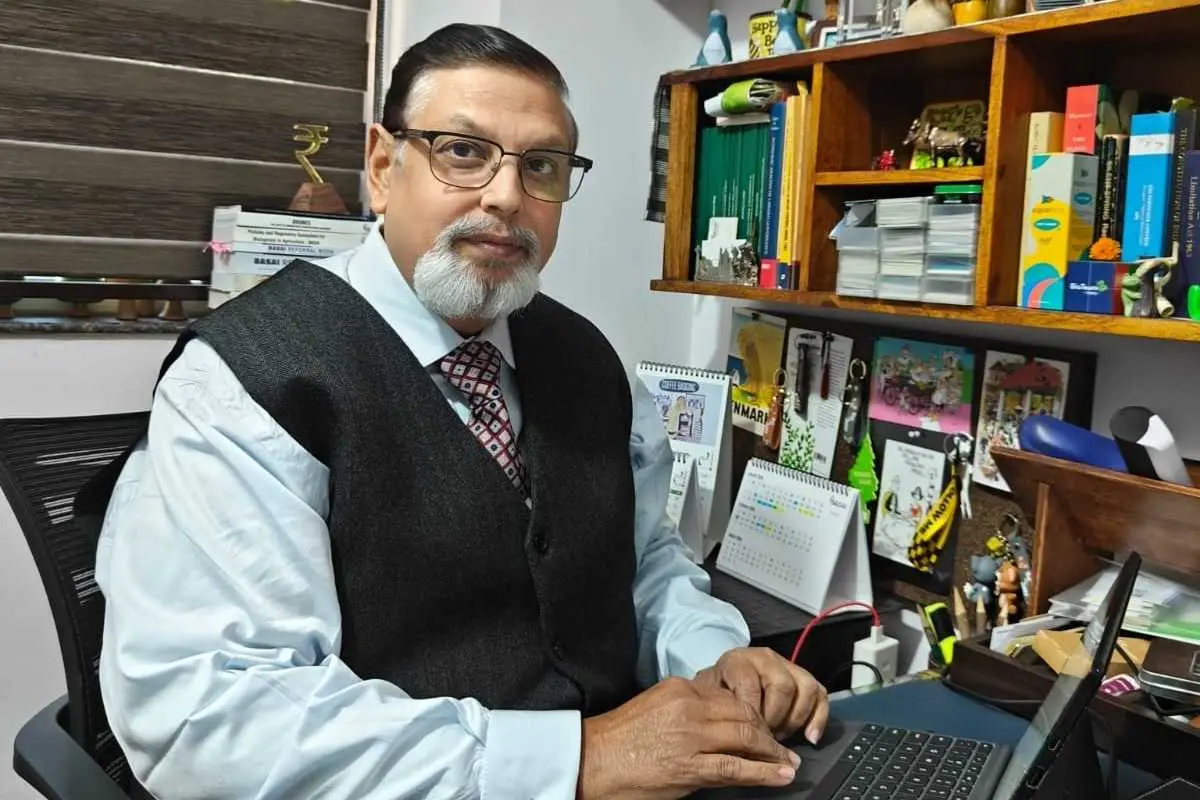
According to Vipin Saini, what the agricultural sector truly needs is a broader and more comprehensive understanding of its challenges, one that allows for more effective policy interventions. He believes that success in this field can only be achieved in a meaningful and sustainable way if all stakeholders are considered. In his view, the government must work closely with the industry rather than in isolation, in order to bring about lasting sustainability in Indian agriculture and horticulture. At the same time, he emphasises that farmers must not be left behind in this process and that they need continued guidance and support every step of the way.
Knowledge, awareness, and industry progress
One of BASAI’s core strengths lies in its ability to interpret complex pieces of legislation and make them accessible and understandable in the context of regulatory compliance. For Vipin, Regulatory Affairs began as a personal passion before growing into a distinct and valuable professional skill, one that has since become a defining feature of the work he and BASAI carry out.
Another area where Vipin Saini has made a significant contribution is information dissemination. What once started as a personal interest has grown into a professional commitment to ensuring that all stakeholders, whether or not they are members of BASAI, have access to relevant and accurate information. He has always taken an inclusive approach in his work, focusing on the overall betterment of the sector rather than limiting his efforts to a select few.
This commitment to sharing knowledge is also reflected in his publishing efforts, with over 60 publications to his name, all aimed at spreading awareness and improving understanding across the industry.
Advancing agriculture through awareness and regulation
One notable example of BASAI’s direct impact has been Vipin’s personal involvement in implementing the regulations governing biostimulants. This work has played an important role in helping various stakeholders understand the significance of such products and the value they bring to modern farming.
More broadly, biological and botanical agricultural inputs have been actively promoted among farmers, their communities, and other relevant stakeholders. These efforts have focused on building acceptance for such products as practical tools to help address the growing challenges posed by climate change. Alongside this, Vipin Saini and BASAI have also worked to deepen the understanding of regulatory compliance among stakeholders, emphasising that adhering to established regulations is not merely a formality but a responsibility that ensures the lawful and appropriate use of these products.
Balancing agricultural success with sustainability
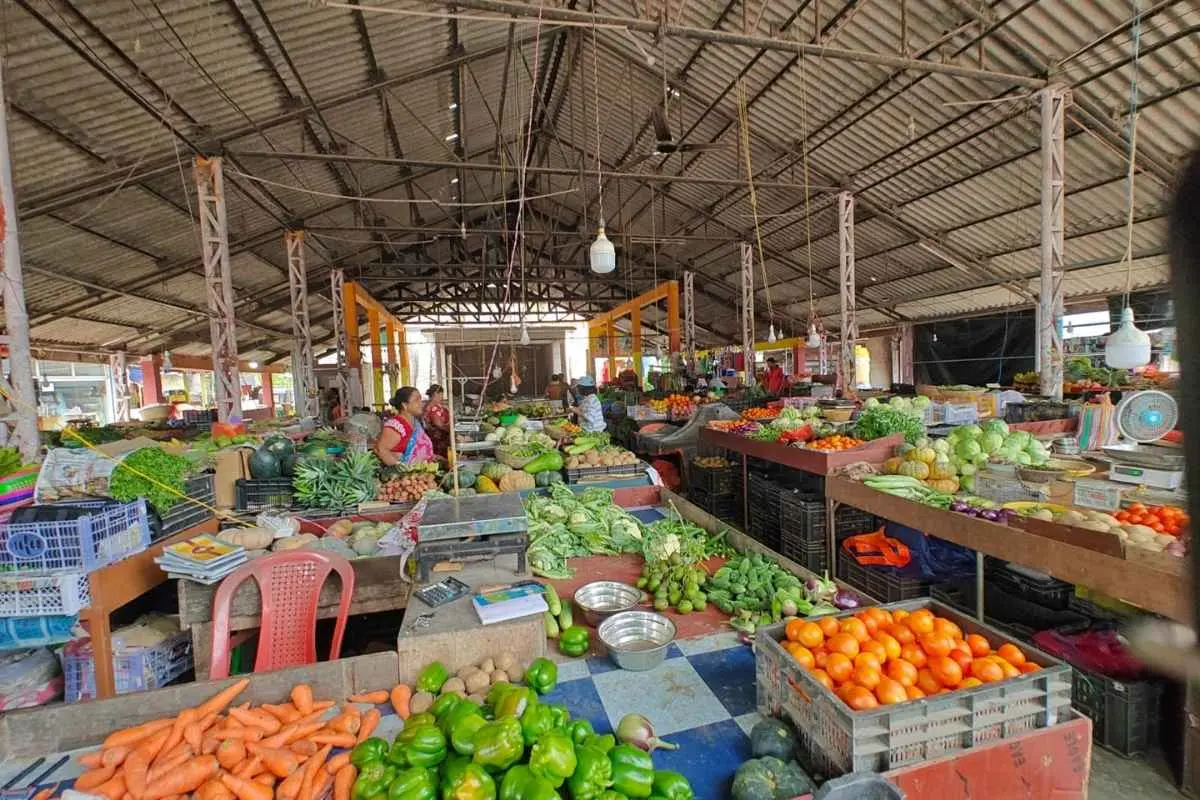
Vipin Saini points to India’s transformation from a grain-importing nation to a grain-exporting one as a telling example of agricultural progress. However, he notes that this progress came with its own set of consequences. The overuse of certain farming techniques eventually made its side effects impossible to ignore, and it was only at that stage that serious conversations around sustainability began to take place. He observes that the focus has since shifted from merely ensuring food security to addressing food and nutritional security. Similarly, the approach has moved from Integrated Pest Management to broader frameworks such as Integrated Crop Management and Integrated Nutritional Management.
In his view, one of the core problems has been that the foreseeable damage caused by unsustainable practices was, to some extent, already known, yet it was deliberately overlooked for far too long. The same, he feels, has been true of policies that were framed and implemented without a thorough understanding of their long-term impact. Vipin believes that the time has now come to honestly acknowledge this reality and to work actively toward reducing the existing damage to a level where a reasonable degree of recovery becomes possible.
Strengthening agriculture through tradition and innovation
Vipin Saini believes that the knowledge and experience drawn from traditional and conventional farming practices must be genuinely understood and then thoughtfully combined with modern techniques to ensure adaptability. This, in his view, is the very foundation on which organic and natural farming is being promoted today. Practices that have proven successful in one region are increasingly being tested and applied in other regions, drawing from both domestic and international experiences.
He also highlights that a clear and inclusive understanding of regulatory frameworks has been equally important in this process. By integrating such understanding into the broader conversation, it has been possible to push for policy interventions that truly reflect the needs of the farming community as well as the industry as a whole.
Earning recognition through commitment
One of the most significant reflections of Vipin Saini’s impact is his participation as an independent member of the Inter-Ministerial Committee on Doubling Farmers Income, where his recommendations on plant protection stand as a testimony to the credibility and value of his contributions at the policy level. His work in interpreting multiple legislative frameworks to address pressing issues has further reinforced this standing, yielding results that are both impressive and personally satisfying.
Through consistent and dedicated effort, BASAI has established itself as a trusted source of guidance whenever stakeholders face situations of concern, a reputation built on the strength of Vipin’s personal commitment and the quality of work the association continues to deliver. This credibility is further reflected in the acknowledgement received from chemical agricultural input industry associations, which have looked to BASAI to take the lead on issues related to biological agricultural inputs. The recognition extended by relevant government departments, along with the respect shown by their officials, only adds to the trust and authority that BASAI has earned across the sector.
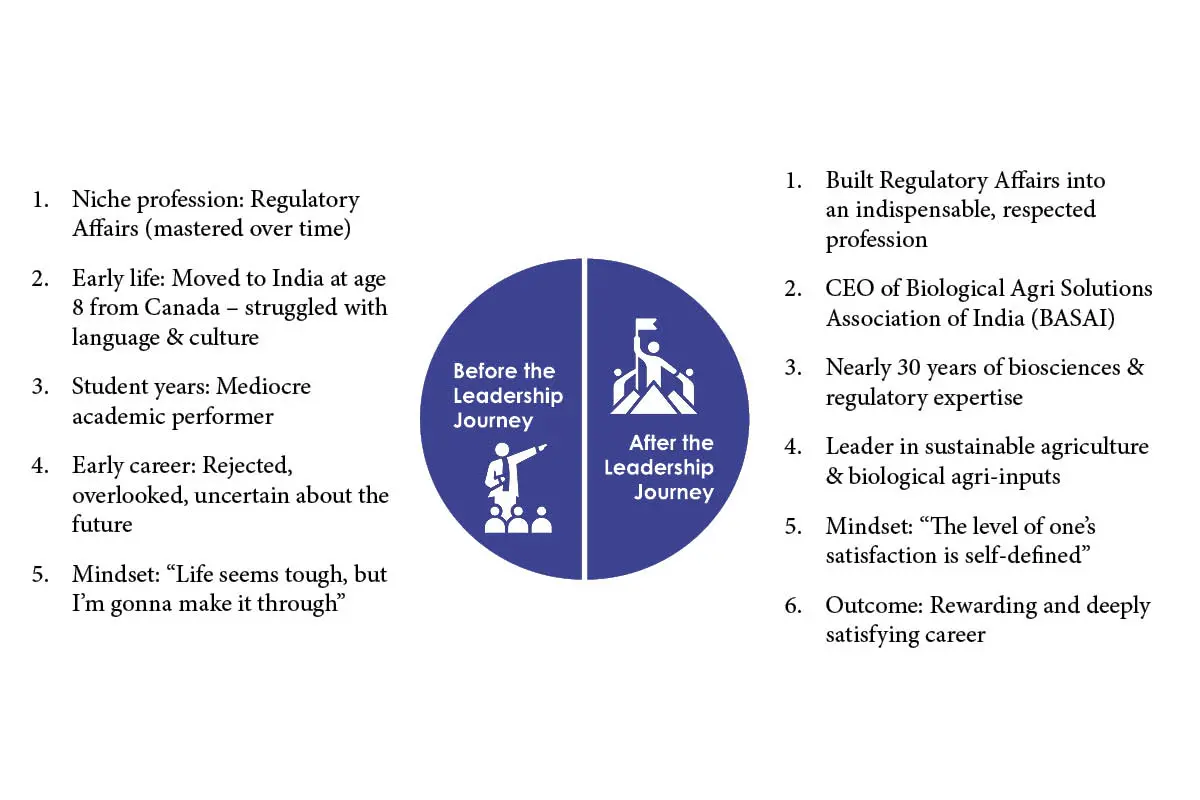
Before the leadership journey
- Niche profession: Regulatory Affairs (mastered over time)
- Early life: Moved to India at age 8 from Canada – struggled with language & culture
- Student years: Mediocre academic performer
- Early career: Rejected, overlooked, uncertain about the future
- Mindset: “Life seems tough, but I’m gonna make it through”
After the leadership journey
- Built Regulatory Affairs into an indispensable, respected profession
- CEO of Biological Agri Solutions Association of India (BASAI)
- Nearly 30 years of biosciences & regulatory expertise
- Leader in sustainable agriculture & biological agri-inputs
- Mindset: “The level of one’s satisfaction is self-defined”
- Outcome: Rewarding and deeply satisfying career
A day in a leader’s life
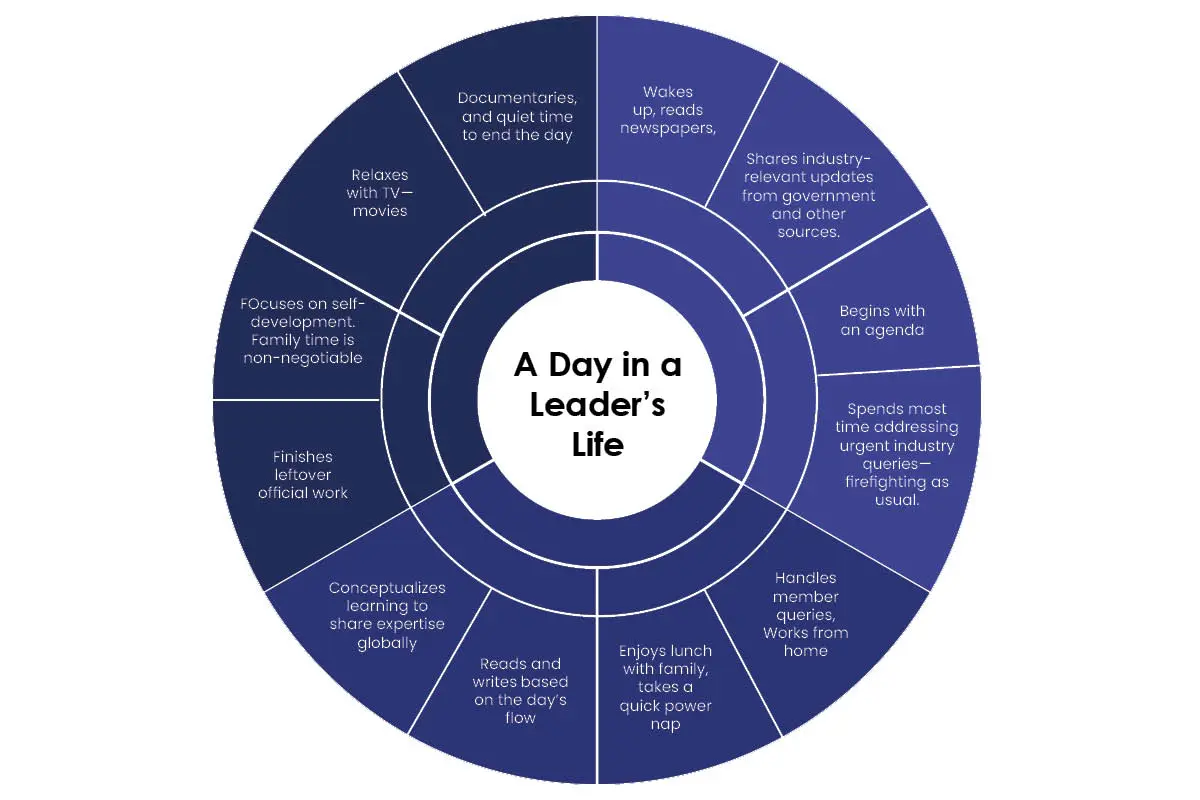
- Early Morning: Wakes up, reads newspapers, shares industry-relevant updates from government and other sources.
- Start of Workday: Begins with an agenda; spends most time addressing urgent industry queries—firefighting as usual.
- Midday: Handles member queries, works from home, enjoys lunch with family, and takes a quick power nap.
- Key Work Priorities: Reads and writes based on the day’s flow; conceptualizes learning to share expertise globally.
- Evening: Finishes leftover official work, focuses on self-development. Family time is non-negotiable.
- Night / Wind-down: Relaxes with TV—movies, documentaries, and quiet time to end the day.
A long-term vision for sustainable agriculture
Vipin Saini believes that the challenges facing sustainable agriculture are likely to persist for the next decade or so. He attributes this largely to the difficulty that major industry players have in understanding how chemical agricultural inputs can be merged with complementary and alternative biological solutions. However, he remains cautiously optimistic, noting that a gradual acceptance of this approach should eventually lead to a state of harmony where both can co-exist.
In his view, the progress may be slow, but it is moving in the right direction. He also draws a parallel to the way the United Nations Millennium Development Goals were extended into the broader Sustainable Development Goals, suggesting that long-term thinking and patience are essential in bringing about meaningful change.
As for BASAI, Vipin is clear that the association is prepared for the long road ahead. He is confident that BASAI will continue to be a steady and relevant presence, both within India and on a global level, as the agricultural sector gradually moves toward an acceptable degree of change and sustainability.
An open letter to India’s agricultural community
Dear Farmers, Industry Leaders, and Policymakers,
India transformed from a grain-importing to a grain-exporting nation, but this progress came at a cost—degraded soil and unsustainable practices we ignored for too long.
The path forward lies in harmony: blending traditional farming wisdom with modern biological solutions like biofertilizers, biopesticides, and biostimulants. These innovations restore soil health and work with nature.
Regulatory clarity is not a formality; it’s a responsibility. Continuous learning is non-negotiable; even near retirement, I pursued a law degree because the sector demands it.
Success requires government, industry, and farmers to work together, not in isolation. Knowledge must be shared freely, and farmers must be guided at every step.
Progress may be slow, but it’s moving in the right direction. Let’s commit to sustainable agriculture with patience, unity, and purpose.
The future of farming is biological. Let’s embrace it together.
Vipin Saini, CEO,
Biological Agri Solutions Association of India (BASAI)
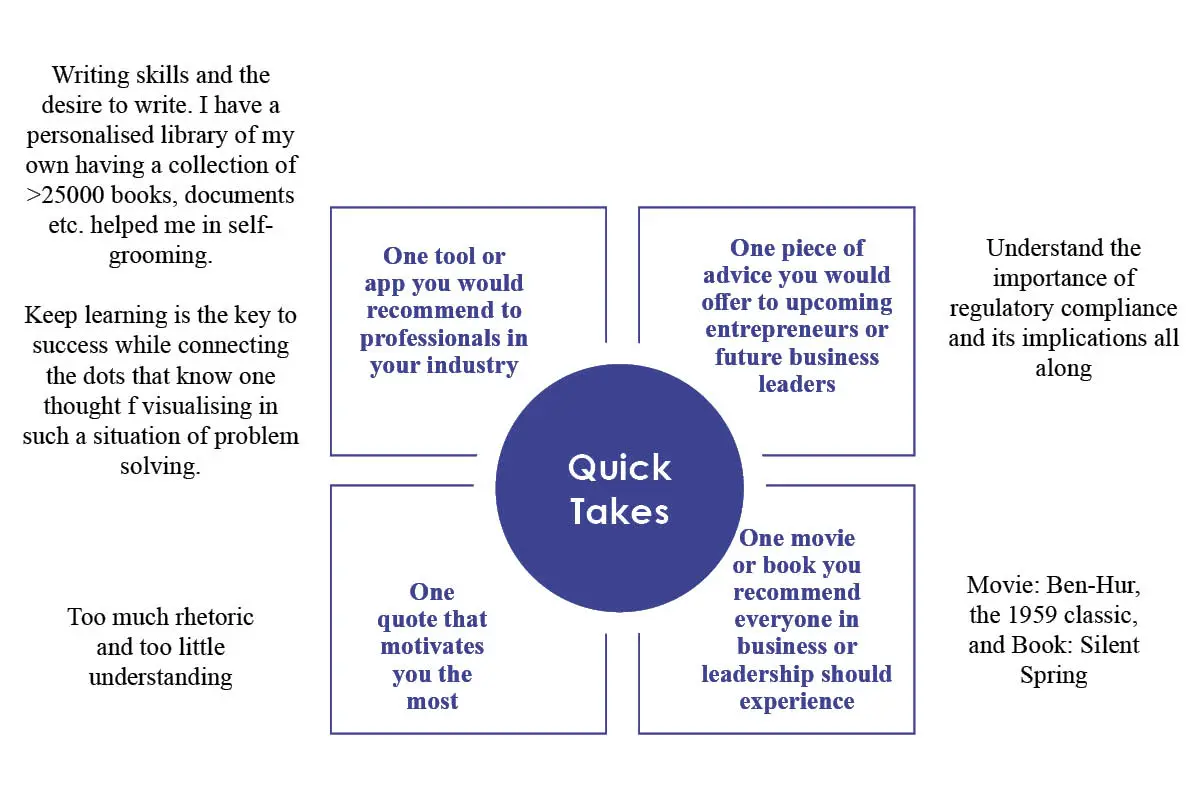
Quick takes
1. One tool or app you would recommend to professionals in your industry:
Writing skills and the desire to write. I have a personalised library of my own, having a collection of >25000 books, documents, etc., which helped me in self-grooming.
Keep learning is the key to success while connecting the dots that know one thought for visualising in such a situation of problem-solving.
2. One quote that motivates you the most:
Too much rhetoric and too little understanding
3. One piece of advice you would offer to upcoming entrepreneurs or future business leaders:
Understand the importance of regulatory compliance and its implications all along
4. One movie or book you recommend everyone in business or leadership should experience:
Movie: Ben-Hur, the 1959 classic, and Book: Silent Spring
5 key takeaways from Vipin Saini’s impact on sustainable agriculture
- Driving biological innovation. Promoting biofertilizers, biopesticides, and biostimulants as sustainable solutions for the future of farming.
- Turning expertise into industry influence. Building strong expertise in regulatory affairs and helping shape agricultural policies.
- Making knowledge accessible. Simplifying complex regulations and sharing information to improve industry understanding.
- Creating change through collaboration. Encouraging governments, industries, and farmers to work together for long-term agricultural growth.
- Balancing tradition with innovation. Supporting a farming approach that combines traditional practices with modern sustainable solutions.














