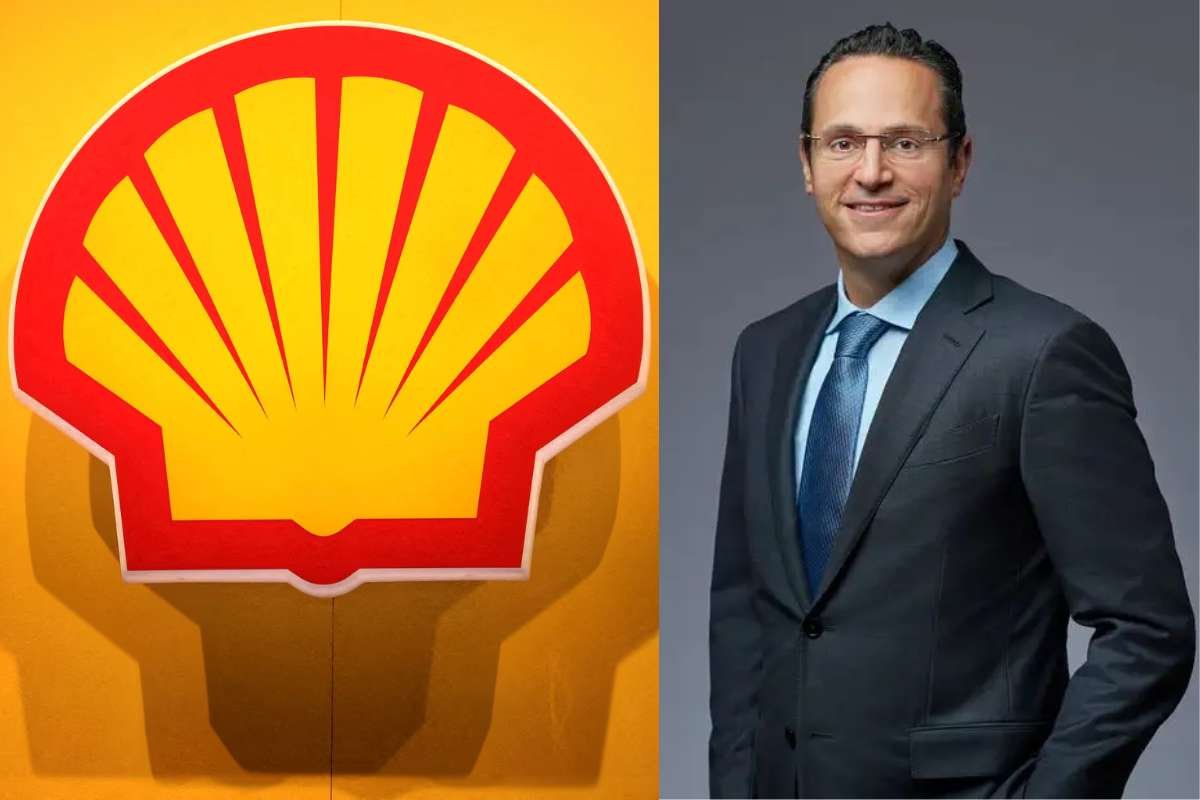
Shell’s chief executive, Wael Sawan, witnessed a nearly 60% rise in his total pay package last year, reaching £13.8 million ($18.5 million), even as the oil giant reported a significant decline in profits. Most of the increase came from performance-linked bonuses and long-term share awards rather than his fixed salary, reflecting the company’s updated incentive structure designed to reward long-term shareholder returns.
The substantial pay boost has sparked discussion about executive compensation in an era of fluctuating energy markets and public scrutiny. While the base salary remained relatively modest, performance-related rewards accounted for the majority of Sawan’s package, underscoring the company’s focus on linking executive pay to corporate results. The updated incentive framework allows for larger long-term awards, aiming to retain top leadership talent while aligning with shareholder interests.
Profit Decline Amid Strategic Shifts
The pay increase for Wael Sawan comes amid weaker financial results for the Shell energy giant. Shell’s adjusted annual profits fell by 22%, amounting to approximately $18.5 billion, down from the previous year. The decline was primarily driven by lower oil prices, weaker performance in chemicals and downstream operations, and a slowdown in energy trading. This continues a trend of fluctuating profits following the energy market surge in 2022, when Shell enjoyed record earnings.
Despite the decline, the company maintained strong commitments to shareholder returns through increased dividends and a multi-billion-dollar share buyback program. Strategically, Shell has continued to prioritize traditional oil and gas operations, with a focus on upstream projects and liquefied natural gas (LNG) growth. At the same time, some low-carbon and renewable assets are under review, reflecting a cautious approach to balancing long-term energy transition goals with short-term market realities. Analysts note that these moves are intended to maintain financial resilience and protect profitability amid a volatile energy environment.
Executive Pay Sparks Debate
Wael Sawan’s significant pay rise has reignited debate over executive compensation, especially as households and businesses grapple with rising energy costs. Critics argue that such large payouts appear misaligned with the company’s performance and broader economic pressures. Many view the surge as poorly timed, given the financial struggles of consumers and the volatility of global energy markets.
Supporters, however, defend the increase, pointing out that Sawan has maintained operational discipline and delivered consistent shareholder returns relative to peers. They also note that his total compensation, while substantial, remains lower than the packages awarded to many U.S. oil executives. The controversy underscores a broader conversation about fairness, corporate governance, and the balance between rewarding leadership and managing public perception.
As Shell approaches its annual vote on executive remuneration in May, the discussion around Wael Sawan’s pay will remain a focal point. The outcome will reflect investor sentiment and could influence future decisions on executive compensation structures across major energy companies. For now, Sawan’s record pay illustrates the ongoing tension between rewarding leadership, ensuring shareholder value, and responding to wider public and economic scrutiny.