Money shows how well an economy is doing. Some countries face war, sanctions or high debt. Others manage their currencies to support trade and exports.
This article looks at the 15 weakest currencies in the world with very low nominal values against the US dollar in 2026. It also explains why a low exchange rate does not always mean a weak economy.
Whether it is the US dollar, Indian rupee, or Israeli shekel, currencies do more than support daily transactions. They also reflect inflation, trade flows, monetary policy, and investor confidence.
So, when we study currencies with low values against the US dollar, we can see different economic stories. Some face serious financial stress. Others maintain low exchange rates because of long-term policy choices or historical currency structures.
The exchange rates below use Sept. 2, 2026 market benchmarks and are shown as approximately how many local currency units equal US$1. Rates can move throughout the trading day.
Understanding the Weakest Currencies in the World: The 2026 Context
Not all low-value currencies share the same story. Their weakness can come from inflation, debt, political instability, trade imbalances, or monetary policy.
1. Political Instability and Conflict
Political uncertainty can reduce investor confidence. Conflict can also disrupt trade, production, and foreign investment.
When demand for a country’s currency falls, its exchange rate can come under pressure.
2. Economic Sanctions
Sanctions can restrict trade, banking access, and foreign-currency flows.
This can make dollars and other major currencies harder to obtain, increasing pressure on the local currency.
3. Inflation and Weak Economic Growth
High inflation reduces purchasing power. When prices rise faster than incomes, people need more local currency to buy the same goods.
Persistent inflation can also reduce confidence in the currency.
4. Trade Deficits
Countries that import more than they export often need large amounts of foreign currency.
Strong demand for dollars or euros can put downward pressure on the local currency, especially when foreign reserves are limited.
5. Commodity Dependence
Countries that rely heavily on oil, minerals or agricultural exports can face currency swings when global commodity prices change.
Lower export earnings can reduce foreign-currency inflows and weaken the local currency.
6. A Low Currency Value Is Not Automatically Economic Failure
A currency’s nominal value tells only part of the story.
For example, the Vietnamese Dong trades at more than 26,000 units per US dollar, but Vietnam has a large export sector and has attracted significant foreign investment.
Likewise, Indonesia’s rupiah has a large numerical value against the dollar without meaning that Indonesia has one of the world’s weakest economies.
Currency strength should therefore be judged alongside inflation, purchasing power, economic growth, reserves, productivity and living standards. So, weakest currencies in the world do not tell us the weakest countries in the world.
Official vs. Market Exchange Rates
Some countries operate with more than one exchange rate.
An official rate may be set or managed by a central bank. A parallel or street market can produce a different rate when access to foreign currency is restricted.
This difference matters most in economies facing capital controls, sanctions or severe currency shortages.
For consistency, this article uses comparable market or benchmark FX rates rather than mixing official and unofficial rates. Iran is a major exception in practice because its official and free-market rates can differ sharply.
Top 15 Weakest Currencies in the World of 2026
Rates below are benchmark rates for Sept. 2, 2026. They should be treated as snapshots rather than permanent rankings.
| Rank | Country | Currency | ISO Code | 1 USD = |
| 1 | Iran | Iranian Rial | IRR | ~1,374,575 |
| 2 | Lebanon | Lebanese Pound | LBP | ~89,550 |
| 3 | Vietnam | Vietnamese Dong | VND | ~26,073 |
| 4 | Laos | Lao Kip | LAK | ~22,450 |
| 5 | Indonesia | Indonesian Rupiah | IDR | ~17,776 |
| 6 | Uzbekistan | Uzbek Som | UZS | ~11,830 |
| 7 | Guinea | Guinean Franc | GNF | ~8,790 |
| 8 | Paraguay | Paraguayan Guaraní | PYG | ~5,913 |
| 9 | Madagascar | Malagasy Ariary | MGA | ~4,319 |
| 10 | Cambodia | Cambodian Riel | KHR | ~4,052 |
| 11 | Uganda | Ugandan Shilling | UGX | ~3,778 |
| 12 | Colombia | Colombian Peso | COP | ~3,163 |
| 13 | Burundi | Burundian Franc | BIF | ~2,995 |
| 14 | Tanzania | Tanzanian Shilling | TZS | ~2,640 |
| 15 | Iraq | Iraqi Dinar | IQD | ~1,311 |
Source note: Sept. 2, 2026 benchmark data from current FX market and currency-converter references. Individual rates can vary by provider, timing, and market.
1. Iranian Rial (IRR) | Iran
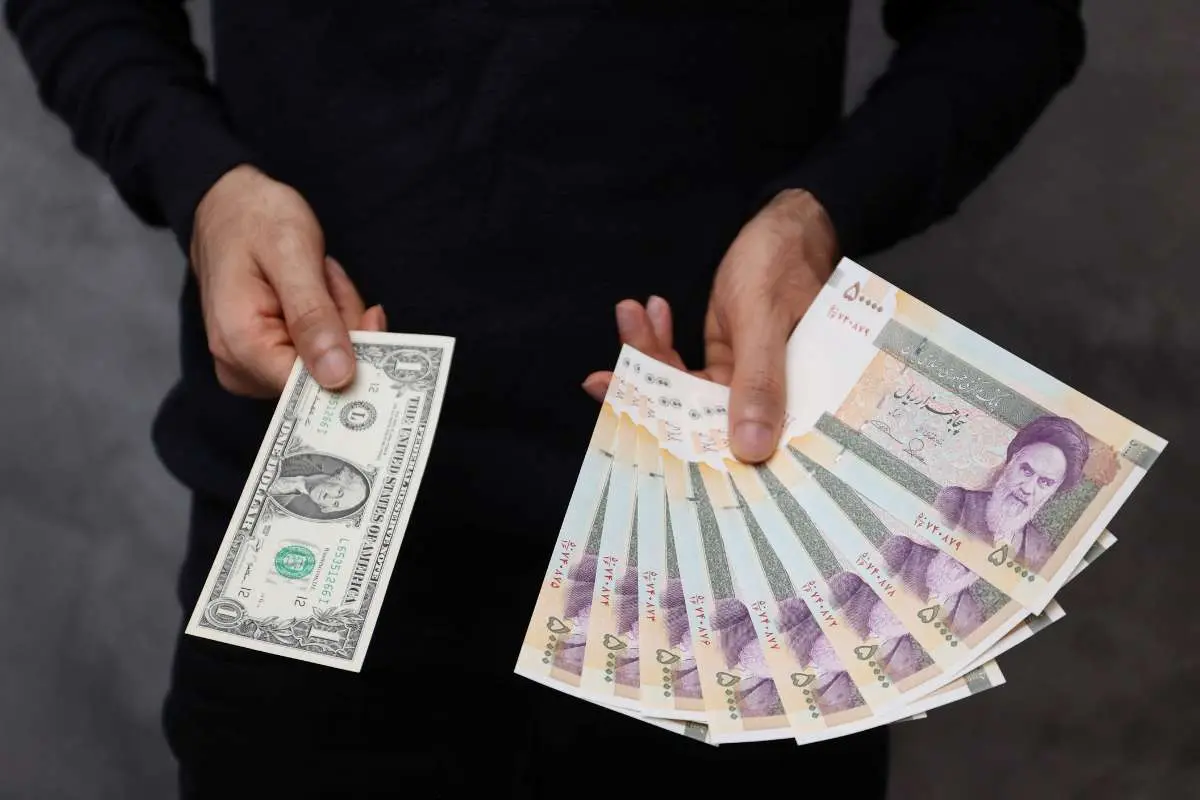
Exchange rate: ~1,374,575 IRR per US$1
Why is it weak?
Iran faces sanctions, restricted access to international finance, high inflation and persistent pressure on foreign-currency reserves. And that is why it is so high in the list of weakest currencies in the world.
What does it mean?
The Rial’s benchmark value is extremely low against the dollar, but Iran also has a major gap between official and open-market exchange rates. This makes the exact ’weakest currency’ ranking dependent on which rate is used.
2. Lebanese Pound (LBP) | Lebanon
Exchange rate: ~89,550 LBP per US$1
Why is it weak?
Lebanon’s currency crisis followed the banking collapse that began in 2019. High public debt, weak banking institutions, and limited confidence continue to pressure the pound.
What does it mean?
Dollarization has become widespread as households and businesses seek a more stable store of value.
3. Vietnamese Dong (VND) | Vietnam

Exchange rate: ~26,073 VND per US$1
Why is it weak?
The dong has a low nominal value against the dollar, but that does not automatically indicate severe economic weakness. Vietnam manages its exchange rate while maintaining a highly export-oriented economy.
What does it mean?
A relatively competitive currency can support exporters by making locally produced goods cheaper in foreign-currency terms.
4. Lao Kip (LAK) | Laos
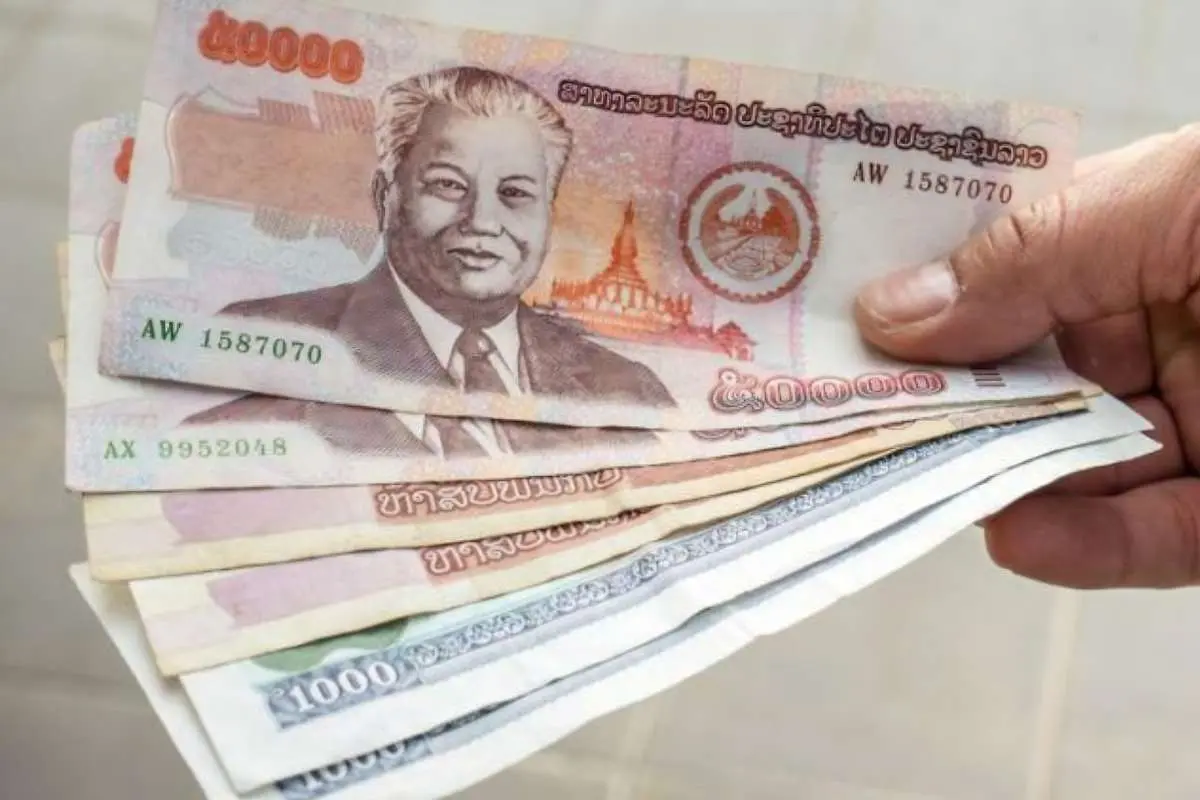
Exchange rate: ~22,450 LAK per US$1
Why is it weak?
Laos has faced heavy external debt, high import costs, and pressure on foreign-currency reserves.
What does it mean?
A weaker kip makes imported fuel, machinery, food and other goods more expensive, adding pressure to household budgets.
5. Indonesian Rupiah (IDR) | Indonesia
Exchange rate: ~17,776 IDR per US$1
Why is it weak?
The rupiah’s large numerical value partly reflects its historical denomination structure and decades of inflation.
What does it mean?
The number of Rupiah required to buy one dollar should not be treated as proof that Indonesia has a distressed economy. Indonesia remains a major emerging-market economy with substantial domestic production and exports. As we said earlier, the weakest currencies in the world do not mean the weakest countries.
6. Uzbek Som (UZS) | Uzbekistan

Exchange rate: ~11,830 UZS per US$1
Why is it weak?
Uzbekistan liberalized its foreign-exchange system in 2017, allowing the Som to move closer to market conditions. Inflation, import demand, and external trade pressures also affect its value.
What does it mean?
Currency depreciation can raise the local cost of imported products while helping exporters remain competitive.
7. Guinean Franc (GNF) | Guinea
Exchange rate: ~8,790 GNF per US$1
Why is it weak?
Guinea depends heavily on mining exports, especially bauxite and gold. Political uncertainty, infrastructure gaps and limited economic diversification add pressure.
What does it mean?
A narrow export base leaves the franc exposed to commodity prices and changes in foreign investment.
8. Paraguayan Guaraní (PYG) | Paraguay
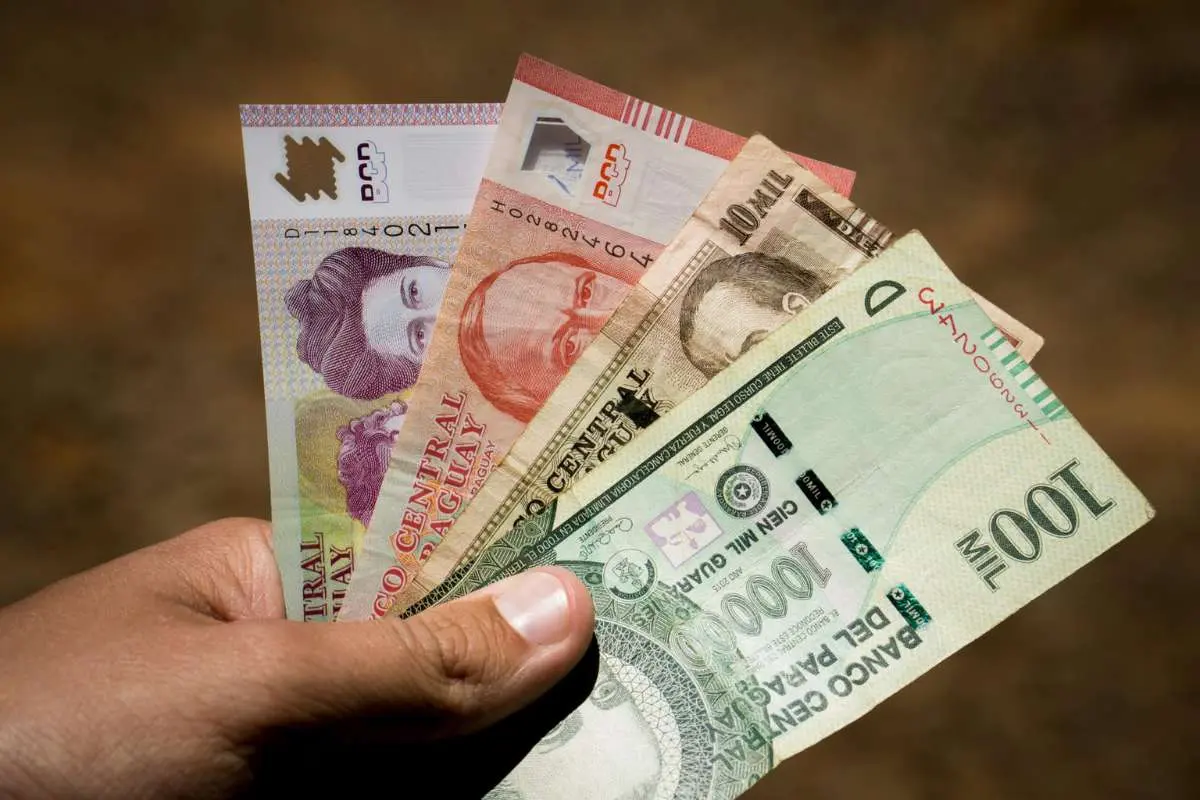
Exchange rate: ~5,913 PYG per US$1
Why is it weak?
The guaraní has a low nominal value after decades of inflation and currency depreciation.
What does it mean?
Paraguay’s dependence on agricultural exports means commodity prices and weather conditions can influence foreign-currency earnings.
9. Malagasy Ariary (MGA) | Madagascar

Exchange rate: ~4,319 MGA per US$1
Why is it weak?
Madagascar faces limited industrial development, political challenges and exposure to climate-related shocks.
What does it mean?
The economy depends on exports such as vanilla, nickel and other commodities, making foreign-currency earnings vulnerable to global prices and production disruptions.
10. Cambodian Riel (KHR) | Cambodia
Exchange rate: ~4,052 KHR per US$1
Why is it weak?
Cambodia has a highly dollarized economy. US dollars remain widely used for major transactions, savings, and business activity.
What does it mean?
High dollar usage limits domestic demand for the riel and reduces the role of the local currency in parts of the economy.
11. Ugandan Shilling (UGX) | Uganda

Exchange rate: ~3,778 UGX per US$1
Why is it weak?
Uganda imports significant amounts of fuel, machinery, and manufactured products while relying on agricultural and commodity exports.
What does it mean?
Import demand creates steady demand for foreign currency. Higher global prices can therefore put additional pressure on the shilling.
12. Colombian Peso (COP) | Colombia
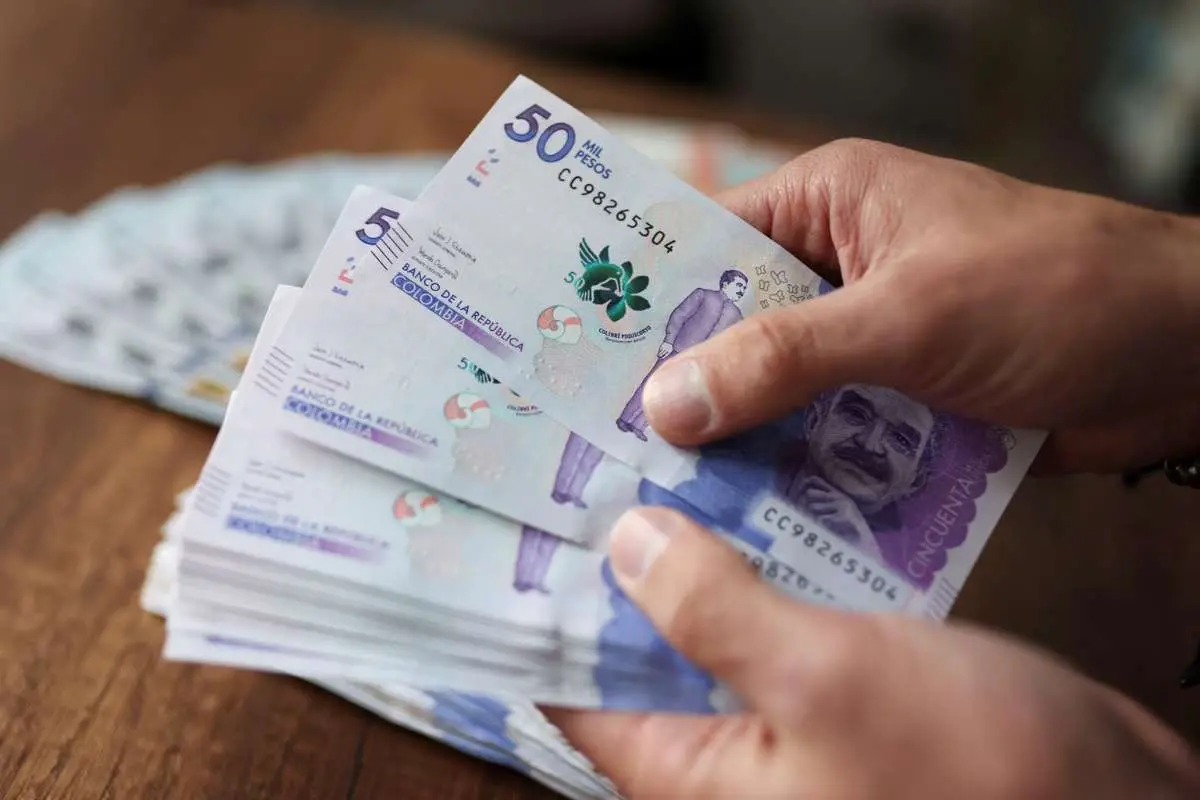
Exchange rate: ~3,163 COP per US$1
Why is it weak?
Colombia remains exposed to oil, coal, and other commodity prices. Fiscal conditions, inflation expectations, and global investor sentiment also affect the peso.
What does it mean?
Changes in energy prices can quickly alter export earnings and the country’s demand for foreign currency.
13. Burundian Franc (BIF) | Burundi
Exchange rate: ~2,995 BIF per US$1
Why is it weak?
Burundi faces low foreign-exchange availability, limited industrial development, and heavy dependence on agricultural exports.
What does it mean?
A shortage of foreign currency can increase pressure on the official exchange rate and encourage activity in parallel markets.
14. Tanzanian Shilling (TZS) | Tanzania
Exchange rate: ~2,640 TZS per US$1
Why is it weak?
Tanzania imports fuel, machinery, and industrial goods while relying on tourism, mining, and agriculture for major foreign-currency earnings.
What does it mean?
Higher import bills or weaker tourism receipts can increase demand for dollars and put pressure on the shilling.
15. Iraqi Dinar (IQD) | Iraq
Exchange rate: ~1,311 IQD per US$1
Why is it weak?
Iraq’s economy depends heavily on oil revenues. Political risks, banking restrictions and foreign-currency demand also influence the dinar.
What does it mean?
Oil-price movements can affect government revenues and foreign-currency inflows, making the economy vulnerable to energy-market shocks.
Why Weak Currencies in the World Are Not Always Bad for Exports?
A weaker currency can make a country’s goods cheaper for overseas buyers.
For example, if a local currency falls against the dollar, an exporter receiving US dollars may earn more local currency when converting those revenues.
This can help exporters compete on international prices.
A weaker currency can help when:
- Exports become cheaper: Foreign buyers may find local goods more affordable.
- Tourism becomes cheaper: International visitors may spend more when local prices fall in dollar terms.
- Local production becomes more competitive: Domestic goods can compete with imported products.
- Export revenue increases: Businesses earning foreign currency can receive more local currency.
But currency weakness also has costs.
Imported fuel, machinery, technology, and raw materials become more expensive. If businesses depend heavily on imports, those higher costs can cancel out export gains.
The key issue is whether depreciation reflects a controlled adjustment or an economic crisis. A stable, competitive exchange rate can support exports. A rapid currency collapse usually creates much larger problems through inflation, capital flight, and lost purchasing power.
Summary Data Table for the Weakest Currencies in the World
| Currency Name | ISO Code | FX Rate to USD | Primary Inflation Cause / Pressure |
| Iranian Rial | IRR | ~1,374,575 | Sanctions, currency depreciation, and high inflation |
| Lebanese Pound | LBP | ~89,550 | Banking crisis, debt and currency depreciation |
| Vietnamese Dong | VND | ~26,073 | Import costs and managed currency depreciation |
| Lao Kip | LAK | ~22,450 | Debt, import costs and currency pressure |
| Indonesian Rupiah | IDR | ~17,776 | Import costs and external currency pressure |
| Uzbek Som | UZS | ~11,830 | Domestic inflation and import demand |
| Guinean Franc | GNF | ~8,790 | Import costs and limited foreign-currency supply |
| Paraguayan Guaraní | PYG | ~5,913 | Food, commodity and exchange-rate pressures |
| Malagasy Ariary | MGA | ~4,319 | Food prices, climate shocks and currency pressure |
| Cambodian Riel | KHR | ~4,052 | Imported inflation and dollarization |
| Ugandan Shilling | UGX | ~3,778 | Import costs and external price pressures |
| Colombian Peso | COP | ~3,163 | Food, energy and exchange-rate pressures |
| Burundian Franc | BIF | ~2,995 | Food prices and foreign-currency shortages |
| Tanzanian Shilling | TZS | ~2,640 | Imported fuel and food costs |
| Iraqi Dinar | IQD | ~1,311 | Import costs and oil-linked external pressures |
The ’primary inflation cause’ column identifies the main inflationary or currency-pressure factor rather than claiming that one factor explains each country’s entire inflation rate.
Conclusion:
A currency’s low value does not always mean an economy is failing.
While one of the weakest currencies in the world, Vietnam and Indonesia show why nominal exchange rates need context. Their currencies require thousands of units to buy one US dollar, yet their economies have large productive and export sectors.
Other countries on this list face much deeper problems. Sanctions, debt, banking crises, political instability, limited reserves, and high inflation can steadily reduce purchasing power.
The most important lesson is simple: Currency value is only one measure of economic health.
To understand a country’s financial strength, investors and policymakers must also examine inflation, GDP growth, trade, reserves, productivity, debt, and purchasing power.