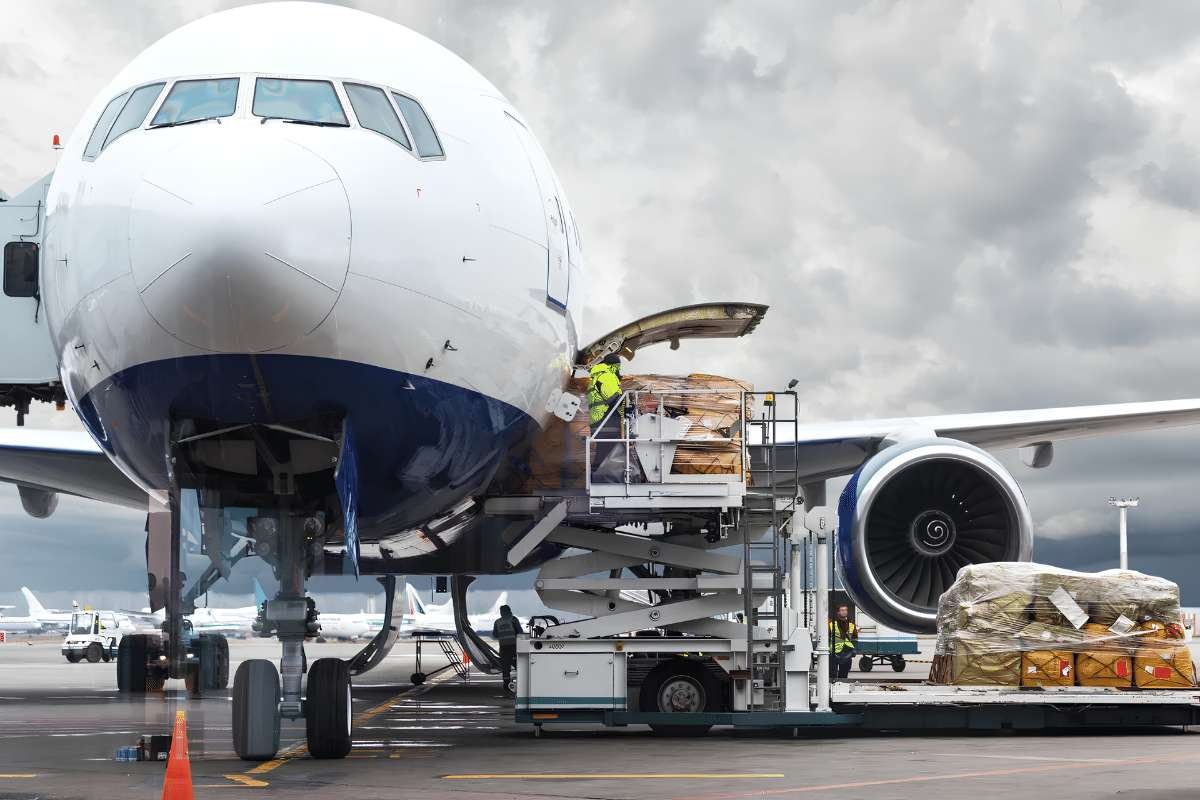
Air freight has a well-earned reputation as the expensive option, as it genuinely costs more than ocean freight for the same volume in almost every comparison. Ultimately, knowing when to use air freight isn’t about asking if it costs more, but whether the speed is worth the premium and for specific categories of shipments, it usually is.
The Shipments Where It Makes Sense
Urgent replacement components, the kind that stop a production line if they don’t arrive on time, are the clearest case. So are high-value goods where the cost of the item dwarfs the shipping premium, and time-sensitive samples where a delay means missing a launch window or a buyer’s decision date entirely. Outside of those categories, the calculation gets harder to justify, and plenty of businesses default to air freight out of habit rather than genuine need.
Not All Air Freight Providers Are Equal
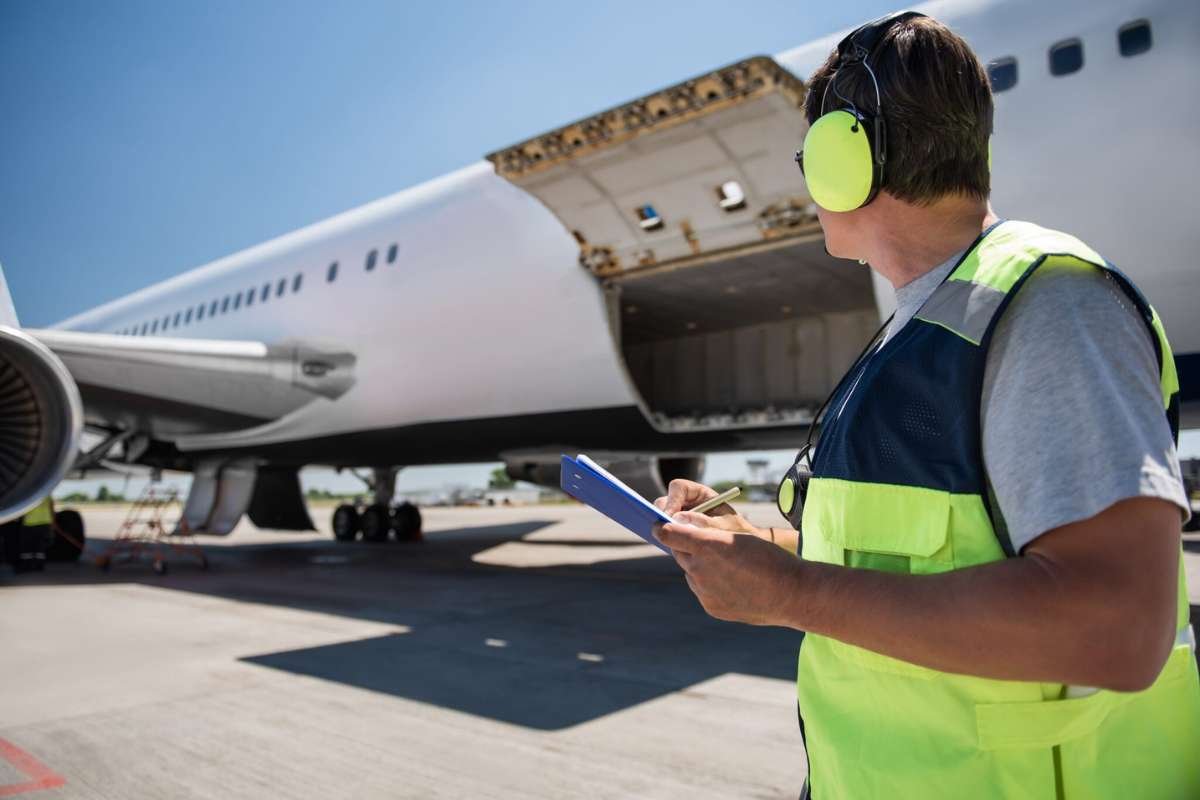
This is the part that gets skipped in most comparisons. Being certified as a TSA Indirect Air Carrier and holding IATA membership isn’t a marketing badge, it reflects a level of security vetting and industry accountability that matters if a shipment runs into a problem mid-transit. Future Forwarding, which operates from a UK base in Leeds alongside a US head office in Atlanta, holds both, and it’s a reasonable question to put directly to any prospective air freight provider rather than assuming it’s a given across the industry.
Weight and Dimensions Matter More Than People Expect
Air freight pricing is driven by chargeable weight, which factors in volume as well as actual weight, meaning a large but light shipment can cost more than its physical weight would suggest. This catches businesses out more often than the headline cost per kilo does, and it’s worth getting an accurate volumetric calculation before assuming a shipment is small enough to be cheap.
Speed Doesn’t Remove the Need for Customs Planning

A common mistake is treating air freight’s speed as a substitute for customs preparation, on the assumption that a fast shipment somehow needs less paperwork. It doesn’t. The declaration, classification and duty requirements are exactly the same regardless of transport mode, and a shipment that arrives in a day but then sits at customs for three because the paperwork wasn’t ready has lost most of the time advantage it paid a premium for. HMRC’s import guidance applies identically whether goods arrive by sea or air.
Sea-Air: The Option Most Businesses Don’t Know About
Between full air freight and full ocean freight sits Sea-Air, where cargo travels by sea for the bulk of the journey and switches to air for the final leg. It’s genuinely faster than pure ocean transport and considerably cheaper than shipping the whole route by air, and it exists specifically for shipments stuck in the awkward middle: not urgent enough to justify full air cost, but tighter on deadline than ocean freight alone can comfortably deliver. As industry glossaries covering multimodal shipping put it, sea-air exists precisely because a straight choice between the two main modes doesn’t fit every shipment.
What Actually Determines the Right Choice
Determining exactly when to use air freight starts with an honest exercise: checking whether a delivery deadline is genuinely fixed or just assumed to be. A lot of shipments labeled urgent turn out to have more flexibility than anyone initially claimed once someone actually asks the customer at the other end. If the deadline really is fixed and the cost of missing it is high, air freight earns its premium. If there’s any real flexibility, ocean or sea-air will almost always be the more sensible spend.
Before booking anything, it’s worth confirming the actual chargeable weight, checking whether the destination requires anything beyond a standard declaration, and being honest about whether the deadline driving the decision is real or assumed. Getting that right matters more to the final cost than which carrier gets chosen.
Read More: How Air Freight is Revolutionising Global Trade and Investment Opportunities?