As households across the United States adopt full electrification, the requirement for a capable whole home battery backup has increased. Relying exclusively on the public grid to power large electrical loads exposes properties to variable utility rates, particularly during peak evening hours or regional weather disruptions.
Standard residential power setups frequently lack the operational capacity required to start up and continuously operate heavy electrical equipment. When lower-tier options prove insufficient, high-voltage energy storage systems present a viable technical alternative. These advanced architectures deliver the precise surge capacity necessary for larger residential properties. Evaluating this high-power equipment demonstrates how properties attain measurable energy resilience while operating substantial domestic hardware.
Understanding the shift to high-voltage energy storage
Traditional residential energy configurations operate at standard voltages, which provide adequate support for basic lighting and low-draw electronics. However, attempting to power a fully electrified property with basic storage often results in overloaded inverters and system shutdowns. High-voltage architecture addresses this by matching the sustained energy requirements of modern American housing.
Increasing the operating voltage reduces current loss and improves the overall thermal efficiency across the installation. This technical adjustment results in lower heat generation and more efficient energy transfer rates throughout the property. For residents located in areas with unpredictable regional grids, a high-capacity setup provides a stable, continuous electrical supply. Rather than total off-grid autonomy, it represents a practical step toward structured energy resilience, allowing individuals to maintain normal household operations and manage utility costs effectively.
Factors driving the need for robust residential power

Modern properties require substantial electrical output to maintain standard operations, making a whole home battery backup essential for many households. The following core factors explain why premium, high-voltage energy solutions are increasingly necessary to manage daily consumption.
Running climate control seamlessly
Summer temperature variations across the United States force central air conditioners to operate frequently, increasing baseline utility expenses. Standard cooling units require a high initial spike of electricity to start the compressor, a demand that exceeds the limits of standard backup units. Opting for a high-voltage solar battery addresses this bottleneck by delivering the required surge capacity at startup. This ensures indoor spaces remain cooled during elevated temperatures without drawing from strained public utility grids.
Managing modern vehicle charging
With electric vehicles replacing combustion engines, residential power demands have shifted significantly. Standard wall outlets require extended periods to provide substantial mileage, whereas dedicated charging stations draw considerable electricity consistently.
High-voltage energy systems manage this continuous load efficiently overnight. Storing captured solar generation during the day and routing it to an electric vehicle later creates a highly cost-effective charging cycle. This approach helps reduce reliance on commercial charging stations for daily commutes.
Keeping kitchen and laundry utilities active
Operating induction cooktops, electric ovens, and modern heat pump dryers simultaneously requires significant wattage. Traditional setups frequently trigger safety shutdowns under these concurrent loads, which is why a robust whole home battery backup is essential to keep major appliances running without interruption.
Advanced systems are engineered to supply steady, high-capacity output so multiple major appliances can function together. This capability ensures that standard domestic routines, such as preparing meals while washing clothes, proceed without interruption during unexpected neighborhood grid failures.
Supporting high-demand pool pumps
Residential swimming pools often rely on heavy-duty filtration systems and high-capacity pool pumps. These specific motors require large starting currents that can cause voltage drops on standard grid connections. High-voltage storage architectures provide regulated, clean power designed to absorb these functional surges. This infrastructure allows homeowners to run energy-intensive pool equipment consistently without negatively impacting the electrical stability of the main residence or tripping internal breakers.
How high-voltage architecture differs from traditional setups

The primary technical distinction between standard and high-voltage configurations is found in the internal wiring and inverter specifications. Lower voltage arrays connect cells in parallel, necessitating higher currents to achieve the required wattage, which requires thicker cables and generates thermal waste. Conversely, a premium home battery wired in a high-voltage series keeps the current low while boosting the operating voltage.
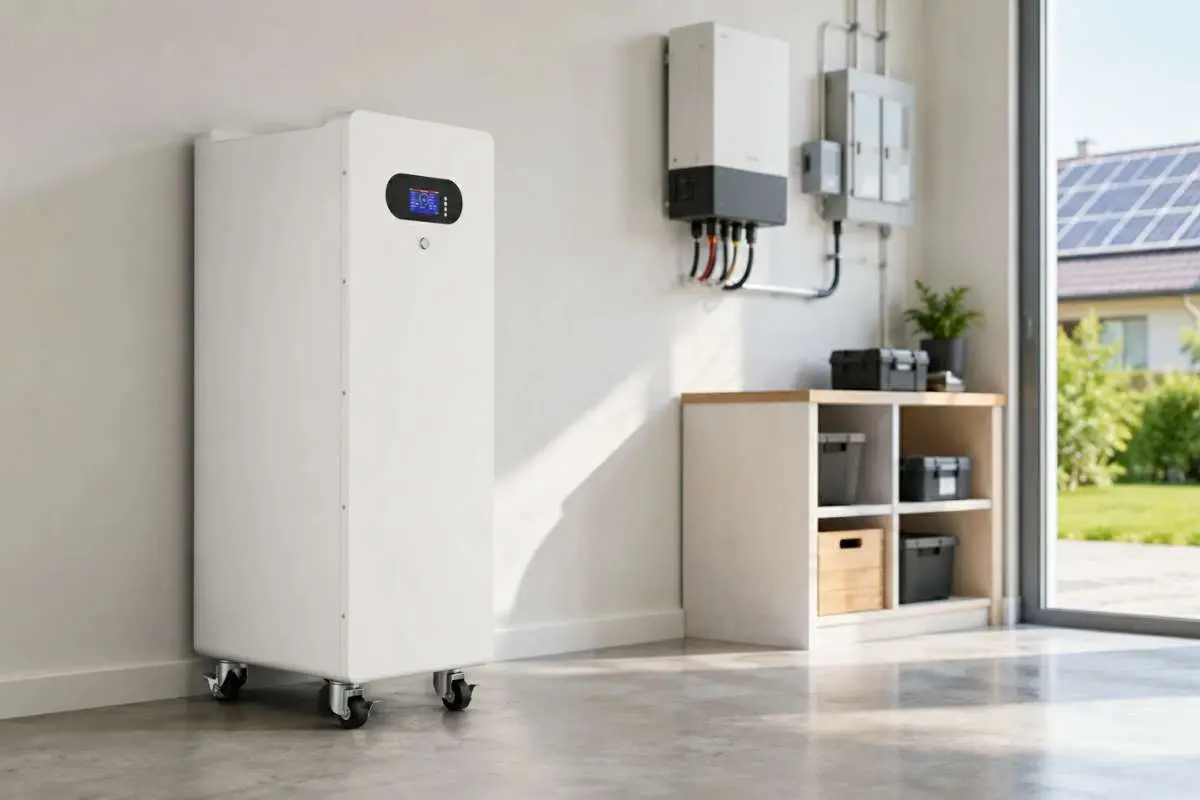
A practical example is the EcoFlow Ocean Pro, a grid-tied residential battery system that utilizes high-voltage LFP chemistry. Because it requires utility interconnection, the Ocean Pro is designed to provide robust backup resilience and bill optimization rather than full off-grid independence. Each base unit features a 10kWh capacity, and the system can deliver up to 24kW of continuous output.
This specific engineering allows the whole home battery backup to provide enough centralized power to run multiple heavy household loads simultaneously, including the capacity to support two 5-ton HVAC units at once without overloading the system.
Expanding capacity to match growing household demands
A defining characteristic of modern high-voltage infrastructure is its modular scalability. When transitioning to battery storage initially, a property might only require a base unit to manage existing electrical loads. As electricity consumption increases due to property additions or new vehicles, modular systems allow owners to attach additional capacity units to the existing framework.
Returning to the Ocean Pro example, systems starting at a 10kWh baseline can scale up to 80kWh per system without requiring a complete hardware replacement. This seamless expansion capability protects the initial hardware investment while providing a measured upgrade path. It ensures that the overall setup remains appropriately sized as properties transition toward higher overall energy consumption over the next decade.
Ways to approach local sourcing and system mapping

Selecting appropriate components for heavy electrical loads demands rigorous planning and local grid awareness. Identifying a verified regional partner is necessary for acquiring compliant hardware and determining the optimal physical location for the equipment. Rather than estimating component compatibility, property owners should consult specialists familiar with regional climate variables and specific utility regulations.
Homeowners can use local resources to find a solar installer near me and get professional guidance. These experts can assess energy demands, electrical panels, and system requirements to ensure the high-voltage battery solution is properly sized for heavy loads. This approach helps prevent installation issues and improves system reliability.
Conclusion and final thoughts on energy independence
Implementing a whole home battery backup is a measurable objective for securing reliable energy in fully electrified properties this year. These high-voltage systems supply the technical capacity required to operate power-intensive appliances consistently, from central climate control to workshop machinery. By utilizing advanced series configurations, they yield high electrical efficiency and stable surge management.
Furthermore, utilizing targeted state-level incentives makes adopting this hardware a rational economic decision. Integrating high-capacity architecture systematically upgrades a standard property into a resilient environment that functions reliably through localized grid failures and variable pricing structures, giving you greater control over domestic power consumption.
Read Next: Innovative Renewable Energy Solutions for Modern Business Needs