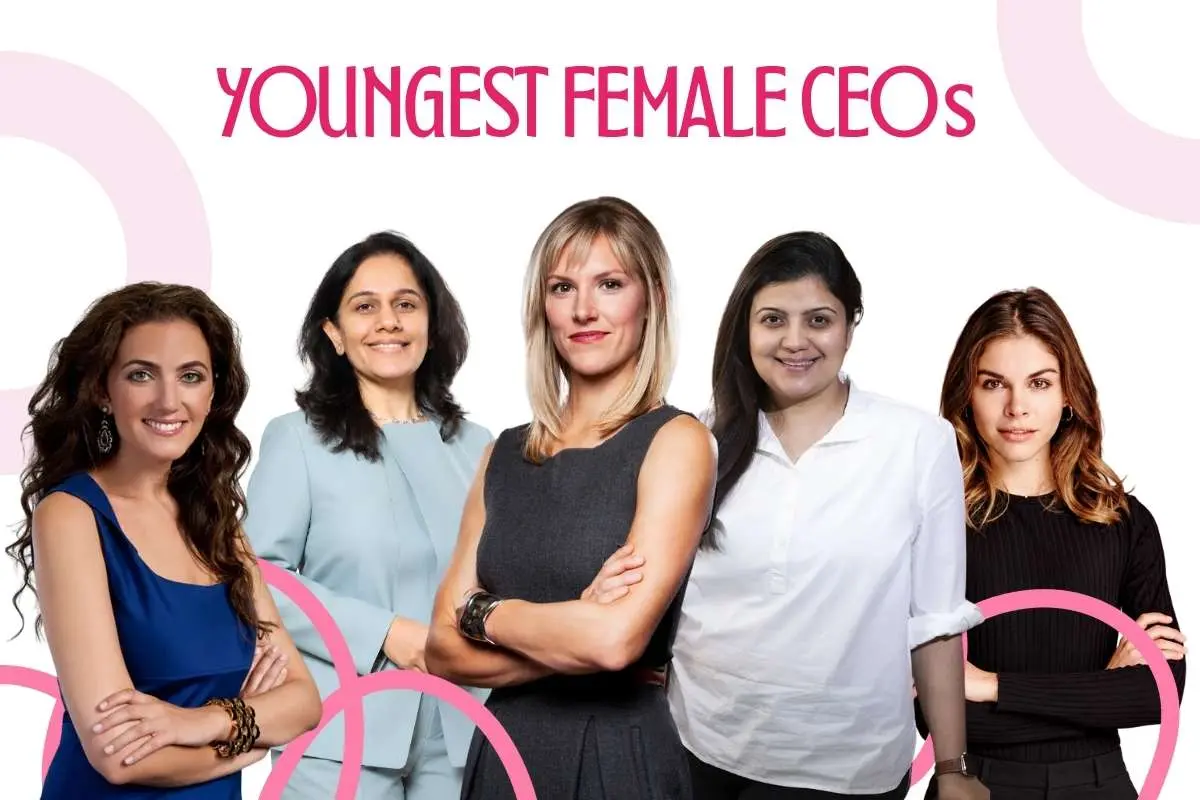
The youngest female CEOs have led businesses in technology, fashion, retail, education, and clean energy. Some took charge in their 20s, while others became CEOs in their early 30s. These youngest CEOs in the world show how business leaders can turn customer needs into new products, build strong business models, and grow companies across markets.
This list examines 10 youngest women CEOs, their ages at appointment, business strategies, measurable achievements, and leadership status in 2026. Some still lead their companies, while others have moved into board, founder, or advisory roles.
Their results also show why age alone is not a measure of business success. Strong products, sound operations, customer trust, and the ability to respond to market changes matter just as much.
How did we rank the youngest female CEOs?
This list uses the age at which each woman first held a verified CEO role. It includes current and former CEOs, with their latest known leadership status clearly stated.
The selection considers the following factors:
- Age at appointment: When the woman first became CEO, rather than when she founded a company or reached a major milestone.
- Company scale: Revenue, valuation, customer reach, store count, investment, or other relevant business measures.
- Business impact: How the company addressed a market need, developed its business model, or expanded its reach.
- Measurable results: Publicly available evidence of growth, innovation, operational progress, or commercial performance.
The profiles are presented from older to younger ages at first appointment. This is an editorial selection, not an official global record of every female CEO.
These young female CEOs have taken different paths to leadership, and their profiles show how they built their businesses and what they achieved along the way.
Who are the 10 youngest female CEOs and what have they achieved?
Let’s look at these female CEOs under 35, how old they were when they took charge, and what they have achieved in business.
1. Lynn Jurich
- Company: Sunrun, United States
- Age at first CEO appointment: 33
- 2026 status: Founder and Vice-Chair of Sunrun; former CEO
Lynn Jurich helped build Sunrun into a major residential solar energy business. She became co-CEO in 2012 and served as the company’s sole CEO from 2014 to 2021. Her leadership focused on making solar energy more accessible to homeowners through service agreements and financing models that reduce the need for large upfront payments.
Sunrun’s business model combines residential solar installations, energy storage, and long-term customer agreements. The company has since expanded into battery storage and broader home-energy services, giving customers more ways to manage their energy use.
Sunrun reported $2.96 billion in total revenue for 2025, up about 45% from 2024, and had more than 1.1 million customers at year-end.
2. Avani Davda
- Company: Tata Starbucks, India
- Age at CEO appointment: 33
- 2026 status: Former CEO; independent director at Emami
Avani Davda became the first CEO of Tata Starbucks in 2012, when the joint venture between Tata and Starbucks was preparing to enter the Indian market. She brought experience in the Tata Group and helped establish the operating structure, local strategy, and customer experience for a global coffee brand entering a diverse market.
Her work included adapting the Starbucks experience to Indian consumers while preserving the brand’s core identity. The business combined premium coffee offerings with local sourcing, careful site selection, and expansion into major urban markets.
Tata Starbucks opened more than 85 stores during Davda’s three-year tenure. The business has grown substantially since then.
3. Aditi Avasthi

- Company: Embibe, India
- Age at CEO appointment: 30
- 2026 status: founder and CEO
Aditi Avasthi founded Embibe in 2012 to help students prepare for competitive exams using data science and personalised learning tools. The platform was designed to identify gaps in a student’s understanding and provide targeted feedback, rather than offer the same study material to every learner.
Its business model combines learning content, practice tests, performance analysis, and technology designed to help students understand where they need to improve. This approach targets a large education market where exam results can shape access to higher education.
Embibe secured a major investment from Reliance Industries in 2018. The company reported that Reliance invested $180 million for a 73% stake, giving Embibe capital to expand its technology and reach.
4. Jennifer Hyman
- Company: Rent the Runway, United States
- Age at CEO appointment: 29
- 2026 status: Former CEO; Teri Bariquit became interim CEO in May 2026
Jennifer Hyman co-founded Rent the Runway to give customers access to designer clothes without requiring them to buy every item. The company built a rental model around subscriptions and individual rentals, allowing customers to change their wardrobes at a lower cost than buying every outfit.
The model also creates repeat business from customers who need different clothes for work, events, and daily use. Over time, Rent the Runway expanded its rental offer and added resale and other channels to make better use of its clothing inventory.
5. Emily Weiss
- Company: Glossier, United States
- Age at CEO appointment: 29
- 2026 status: Former CEO; Kyle Leahy took over in 2022
Emily Weiss built Glossier around a beauty blog, Into The Gloss, which gathered feedback from readers about the products they used and wanted. That audience gave the business a direct source of customer insight before it launched its own beauty products.
Glossier’s model relied heavily on online sales, community feedback, and products shaped by customer needs. This helped the brand stand out in a beauty market where established companies often relied on large retail networks and traditional advertising.
6. Sara Blakely

- Company: Spanx, United States
- Age at CEO appointment: 29
- 2026 status: Founder; no longer CEO
Sara Blakely built Spanx around a simple consumer problem: women needed comfortable, effective undergarments that worked with modern clothing. She developed the first product, secured a patent, and grew the brand without relying on a large initial investment or a traditional retail business structure.
Spanx expanded beyond shapewear into leggings, denim, activewear, swimwear, and other apparel. This gave the company more ways to sell to customers who already trusted the original product.
In 2021, Blackstone acquired a majority stake in Spanx at a $1.2 billion company valuation. The deal supported plans to expand the business’s online sales and product range. Blakely later moved away from the CEO role as the company appointed new leaders.
7. Katrina Lake
- Company: Stitch Fix, United States
- Age at CEO appointment: 28
- 2026 status: Former CEO; Matt Baer is the current CEO
Katrina Lake founded Stitch Fix to combine personal styling with data analysis. Customers share their style preferences and needs, while algorithms help select products for stylists to review. The business aims to make clothing recommendations more personal without requiring customers to shop through a traditional retail experience.
The model gives Stitch Fix a way to use purchase history, customer feedback, and returns data to improve future recommendations. Its blend of human stylists and technology became a key part of its business strategy.
Lake led the company from its founding in 2011 until 2021 and briefly returned as interim CEO in 2023. Stitch Fix generated $1.35 billion in revenue in fiscal 2026, up 6.4% from the prior year.
8. Julie Smolyansky
- Company: Lifeway Foods, United States
- Age at CEO appointment: 27
- 2026 status: President and CEO
Julie Smolyansky took over Lifeway Foods in 2002 and became the youngest female CEO of a publicly held company at the time. She helped grow the business around kefir and other fermented foods, bringing products with probiotic cultures into a wider US market.
Lifeway’s growth strategy combines a strong core product with new offerings that meet demand for protein-rich foods and products that support gut health. Its portfolio includes drinkable kefir, farmer cheese, and newer products aimed at consumers looking for convenient sources of protein and fermented foods.
9. Melanie Perkins
- Company: Canva, Australia
- Age at CEO appointment: 26
- 2026 status: Co-founder and CEO
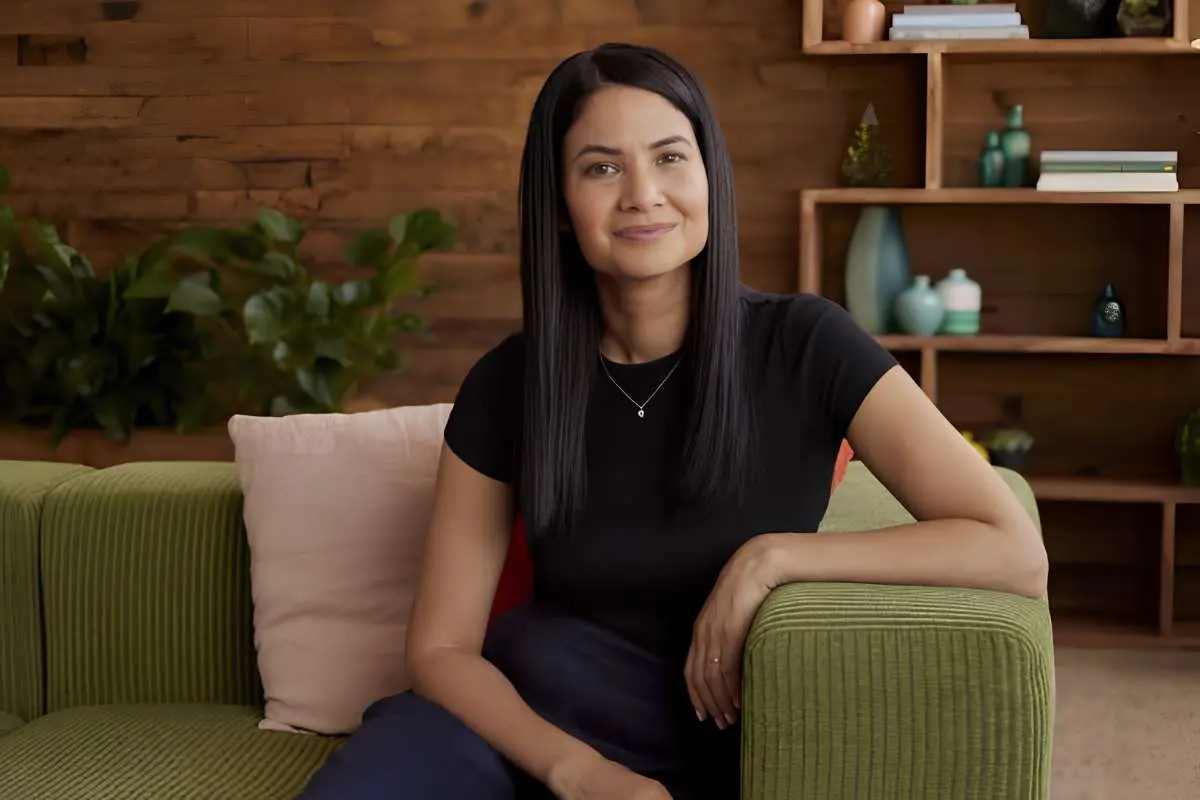
Melanie Perkins co-founded Canva to make design tools easier to use for people without professional design skills. Its online platform lets individuals, schools, businesses, and large teams create presentations, social media graphics, documents, and other visual content.
Canva’s business model combines free tools with paid plans for individuals and organisations. Templates, shared workspaces, and a broad set of design features encourage users to keep returning to the platform. More recently, Canva has expanded its AI tools and connected creative features to support a wider range of business tasks.
Canva reported $3.5 billion in revenue in 2025 and said it had reached 260 million monthly users. The company has also expanded its creative products beyond basic design work, with its Creative Operating System linking more of the content creation process.
10. Whitney Wolfe Herd
- Company: Bumble, United States
- Age at first CEO appointment: 25
- 2026 status: CEO as of October 2026
Whitney Wolfe Herd founded Bumble in 2014 with a dating model designed to give women more control over how conversations start. The company expanded its products around dating, friendship, and social connections, building a business around recurring digital engagement and paid features.
Bumble’s women-first positioning helped distinguish it from other dating apps. But maintaining user engagement, converting free users to paid plans, and competing with platforms such as Tinder and Hinge remain important business challenges.
What can businesses learn from the youngest female CEOs?
These leaders have worked in different sectors, but their experiences point to a few practical lessons.
- Solve a clear customer problem. Spanx focused on a specific clothing need, while Canva made design work easier for non-specialists. A clear problem gives customers a reason to try a product and keep using it.
- Build a business model that supports repeat use. Subscription services, paid software plans, repeat retail purchases, and long-term energy agreements can create more predictable customer relationships. The right model depends on how often customers need the product and what they are willing to pay.
- Use customer data to improve the product. Stitch Fix and Embibe show how feedback and performance data can help businesses tailor their services. Data matters when it leads to a better customer experience or a measurable improvement in results.
- Track performance, not publicity alone. Revenue, retention, margins, customer growth, and cash generation give a clearer view of a business than a private company’s valuation alone. As the examples above show, rapid expansion can coexist with operating losses or a change in leadership.
- Plan for the next stage of leadership. A founder’s strengths may help establish a company, but a larger business can need different skills as it grows. Leadership transitions at Rent the Runway, Stitch Fix, Glossier, Spanx, and Bumble show why succession planning is part of long-term business strategy.
Conclusion
The youngest female CEOs show that early leadership can take many forms. Some built new products and business models, while others led expansion in established industries. Their records also show that success depends on more than age: company growth, customer value, operational discipline, and leadership choices all matter.
Frequently asked questions
1. How can women prepare for CEO roles at a young age?
They can build leadership experience, learn business management, understand their industry, and develop strong decision-making skills.
2. Do young female CEOs usually lead startups or large companies?
Many lead startups or growing businesses, though some become CEOs of established companies. Their roles depend on the company and how they were appointed.
3. What challenges do women face when becoming CEOs at a young age?
They may face doubts about their experience, limited access to funding, and pressure to prove their leadership abilities.
4. Where can I find information about a CEO’s age at appointment?
Check official company announcements, annual reports, regulatory filings, and reliable news reports that confirm when the person became CEO.