Binary options trading is still a big deal in 2025. People like it because it’s super simple: you either win a set amount or you lose everything you bet. This makes it easy to jump into, but also incredibly risky, whether you’re a beginner or a veteran trader.
Basically, you’re just guessing if an asset’s price (like a stock or a currency) is going to go up or down in a short amount of time. Get it right, and you get a fixed profit. Get it wrong, and all your money is gone.
Lately, the technology has really changed how this works. We’re seeing more new trading platforms, computer programs (algorithms) doing the trading, and even AI getting involved.
However, there’s a serious downside: regulators and governments are watching very closely.
Why? Because there’s been a huge increase in scams, market manipulation, and regular people losing a lot of money. Today’s traders have a harder time figuring out if a broker is legitimate and avoiding more complex frauds. That’s why financial experts and authorities worldwide are issuing urgent warnings and telling everyone to be extremely careful.
8 Risk Factors in Binary Options Trading:
1. Regulatory Changes & Compliance

So, the rules around binary options trading got much tougher between 2024 and 2025 because governments are trying to protect everyday investors.
Here’s the breakdown of what happened globally:
- Europe: The main financial watchdog (ESMA) has kept its ban on this type of trading across all European Union countries.
- USA: Regulators like the SEC and CFTC basically said that most of these trading platforms are operating illegally because they haven’t registered properly.
- Asia: Countries like Indonesia and India have warned the public, making it really hard—or impossible—for foreign brokers to offer services there.
- Globally: A lot of major countries have now either totally banned or heavily restricted it, including the U.K., Germany, France, Australia, Israel, and Japan.
The simple takeaway for any trader is: Be extremely careful! Before you put any money into a broker, you absolutely must check with your local government’s financial regulator. Go to their official website, make sure the broker has a valid license, and cross-reference their registration numbers. If they aren’t properly registered, they are likely a scam.
2. High Risk of Fraud & Scams

You have to be extremely careful because scams related to binary options trading are everywhere.
Fraudsters are using every trick in the book: fake trading apps, copying real platform websites, and paying social media “influencers” to promise you easy money.
Here’s how these scams typically work:
- Once you deposit money, the fake platforms often won’t let you withdraw it.
- They might secretly change the payout rules.
- They sometimes even show you fake account statements to make you think you’re winning so you’ll put in more money.
Watch out for these big red flags:
- Random people calling you out of the blue to promote trading.
- Companies that don’t have a real, verifiable address.
- Huge deposit bonuses that seem too good to be true. (They are too good to be true!)
What should you do?
First, if you see something suspicious, report it right away to your financial regulator’s fraud hotline. Also, before you even think about putting money into any platform, you must verify the broker’s legitimacy. Check official regulator databases or trusted industry watchdog sites. It’s the only way to protect yourself.
3. All-or-Nothing Outcome Structure

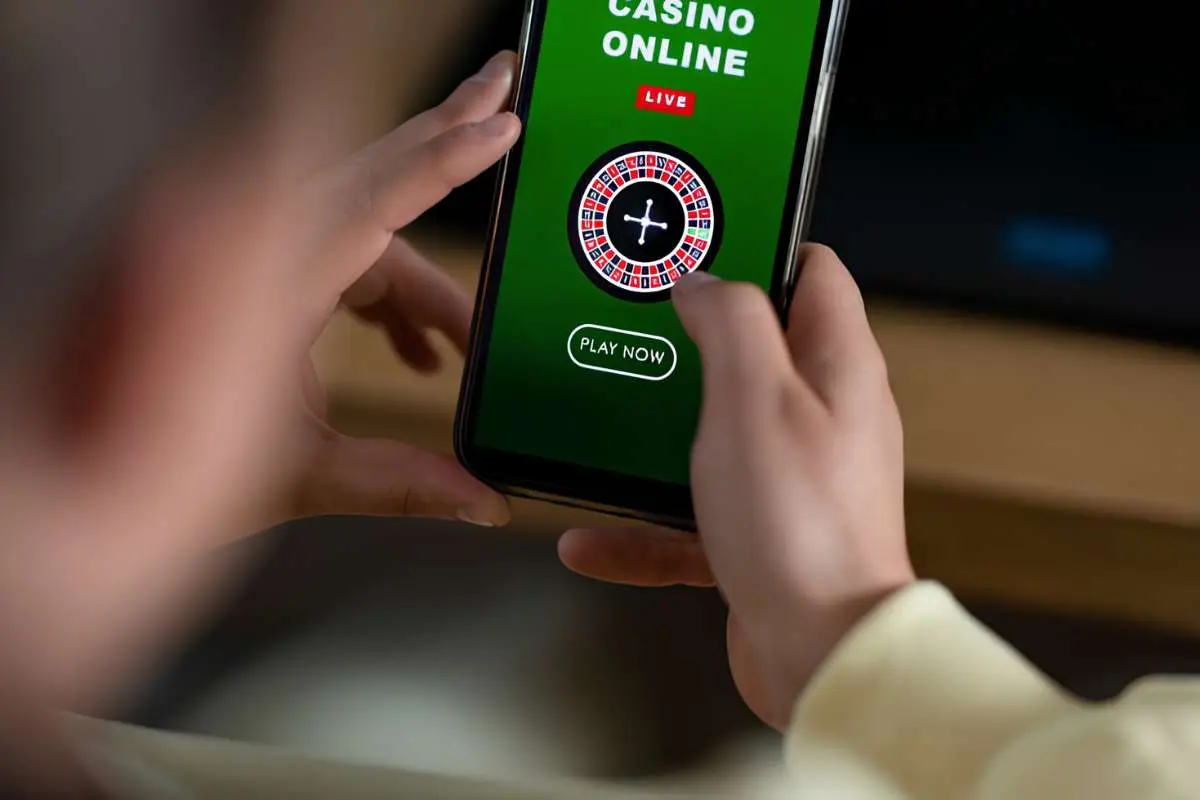
The structure of binary options trading is what makes it so risky, and honestly, a lot like gambling.
Here’s the deal: Unlike normal investments where you might only lose a little bit, this is an all-or-nothing situation. If you guess right, you get a fixed percentage back (sometimes up to 90% of what you bet). But if you guess wrong, you lose 100% of your money on that single trade.
Studies by financial regulators show that this system is brutal. More than 70% of regular people who try this trading lose money every year. Those loss rates are similar to what you see in a casino! That stark reality is why most traders ultimately fail in binary options trading—the simple win-or-lose structure is extremely hard to beat consistently.
4. Unpredictable Market Volatility

Binary options trading is incredibly difficult because the markets are so unpredictable.
Think about it: Big events like political crises, surprise announcements from the central banks (like the Federal Reserve changing interest rates), or even how well a major company performed can make prices suddenly shoot up or crash down. In 2025, for example, unexpected news about interest rates and oil supply caused massive, instant losses for a lot of traders.
Since you have to guess where a price will be in just minutes or hours, these sudden market swings make accurate timing almost impossible. This pressure-cooker environment is what sets binary options trading apart from slower, long-term investing, forcing traders to make split-second decisions with huge consequences.
5. Limited Trade Flexibility & Liquidity

The problem with binary options trading is that once you’re in a trade, you’re stuck.
Unlike trading stocks or currencies, where you can often change your mind or sell early, binary options trading doesn’t let you adjust the trade or get out before the time runs out. Your position is completely locked until the trade expires.
This makes managing risk really hard. For example, you can’t use common tools like a “stop-loss” (which automatically limits your loss) because the platform won’t allow it. Also, these platforms often won’t match you with someone on the other side of the trade, which means if your trade is losing badly, you can’t simply “unwind” or close it early to save some money. The trade is rigid, and you have to ride it to the very end.
6. Addictive Nature & Psychological Risks

Binary options trading can be seriously addictive, a lot like gambling.
Because the trades are so fast and the potential payouts are quick, it can easily lead to compulsive behavior. That constant temptation of fast money pushes people into making impulsive trades and emotional decisions, which usually means they end up losing more and more.
Behavioral studies show that people who trade often deal with a lot of stress, anxiety, and regret. To protect your mental health while doing binary options trading, you absolutely have to be disciplined: set strict limits on how much you’re willing to lose, and make sure you take regular, long breaks. It’s vital to protect yourself from the psychological strain.
7. Leverage & Capital Loss Amplification

A lot of binary options trading platforms try to hook you with something called leverage.
Leverage is essentially borrowed money that lets you bet much more than you actually have. While this can lead to bigger profits, it also dramatically increases your losses. New traders, especially those who don’t have a lot of money to start with, often take on too much risk, called “overleveraging.” This means they’re risking their entire account on just a couple of highly volatile trades.
To protect yourself, it’s wise to start small. Use the demo accounts the platforms offer first. This lets you get comfortable with how the platform works and the mechanics of binary options trading without committing any real cash. Once you move to a live account, only increase the size of your trades gradually. Don’t jump in big!
8. Misleading Marketing & False Promises

A massive problem with binary options trading is the deceptive marketing.
You see it everywhere: flashy ads promising “guaranteed” huge returns, fake endorsements from celebrities, or testimonials from “influencers.” These pitches completely hide the fact that you can lose all your money, and they play right into your FOMO (fear of missing out).
In 2025, a lot of these campaigns are still using fake photos and doctored performance charts to trick people.
Here’s how to spot a scam and protect yourself:
- Overblown profit claims (if it sounds too good to be true, it is).
- Pressure tactics to get you to sign up immediately.
- Refusal to show real, verifiable trading history.
Recognizing these red flags is the most important step you can take before getting involved with any binary options trading platform.
Consumer Protection & Safer Trading Tips
To navigate the complexities of Binary Options Trading responsibly, follow this practical checklist and leverage available resources before committing real capital:
Checklist
- Verify Broker Regulation: Confirm the broker’s license status on your national regulator’s website (e.g., SEC, FCA, ESMA). Ensure the registration number matches official records.
- Read Independent Reviews: Consult reputable finance forums and watchdog sites for unbiased user feedback. Beware of platforms with consistently poor withdrawal experiences or unresolved complaints.
- Start with Virtual Accounts: Use demo or paper-trading accounts to practice strategies, understand platform features, and gauge risk tolerance without risking actual funds.
Resources for Reporting Scams
- National Regulator Hotlines: File complaints or request investigations through dedicated fraud hotlines at your country’s financial authority.
- Investor Protection Agencies: Contact organizations such as FINRA’s Office of the Whistleblower or Europe’s ESMA investor portal for guidance and case referrals.
- Consumer Advocacy Groups: Reach out to nonprofit groups specializing in financial fraud for legal advice and support networks.
Professional Advice Reminder
Always consult a qualified financial advisor or certified investment professional before engaging in any trading activity. Personalized guidance can help assess suitability, manage risk, and align trading decisions with your overall financial goals.
Also Read:
- Excellent Crypto Wallets For Crypto Investing
- Smart Ways to Invest 30K in Property for Growth in 2025
- Top 7 UK Best Trading Platforms for 2025 Investors
Conclusion
Binary options trading is still a high-risk game in 2025. You’re constantly dealing with tough government rules, sudden market swings, and the huge risk of getting scammed.
The way it’s structured—with a fixed win-or-lose payout, no way to exit a bad trade early, and all the aggressive, misleading ads—only makes the risk worse and often leads to traders losing serious money.
So, how do you protect yourself?
The key is to be smart and careful:
- Stay updated on what the financial regulators are saying.
- Practice first using virtual (demo) accounts before you put in real cash.
- Get professional advice if you need it.
Ultimately, your success depends on discipline, setting realistic expectations (you won’t get rich overnight!), and being constantly on the lookout for deceptive platforms. Caution and doing your homework should be the foundation of every single trading decision you make.
Sources –