In any business that works with suppliers or outside service providers, managing these relationships can become complicated quickly. Vendor management software is a smart digital tool that helps companies manage all their vendors in one place. It makes communication easier, improves work processes, and helps everyone stay organised.
Understanding vendor management software
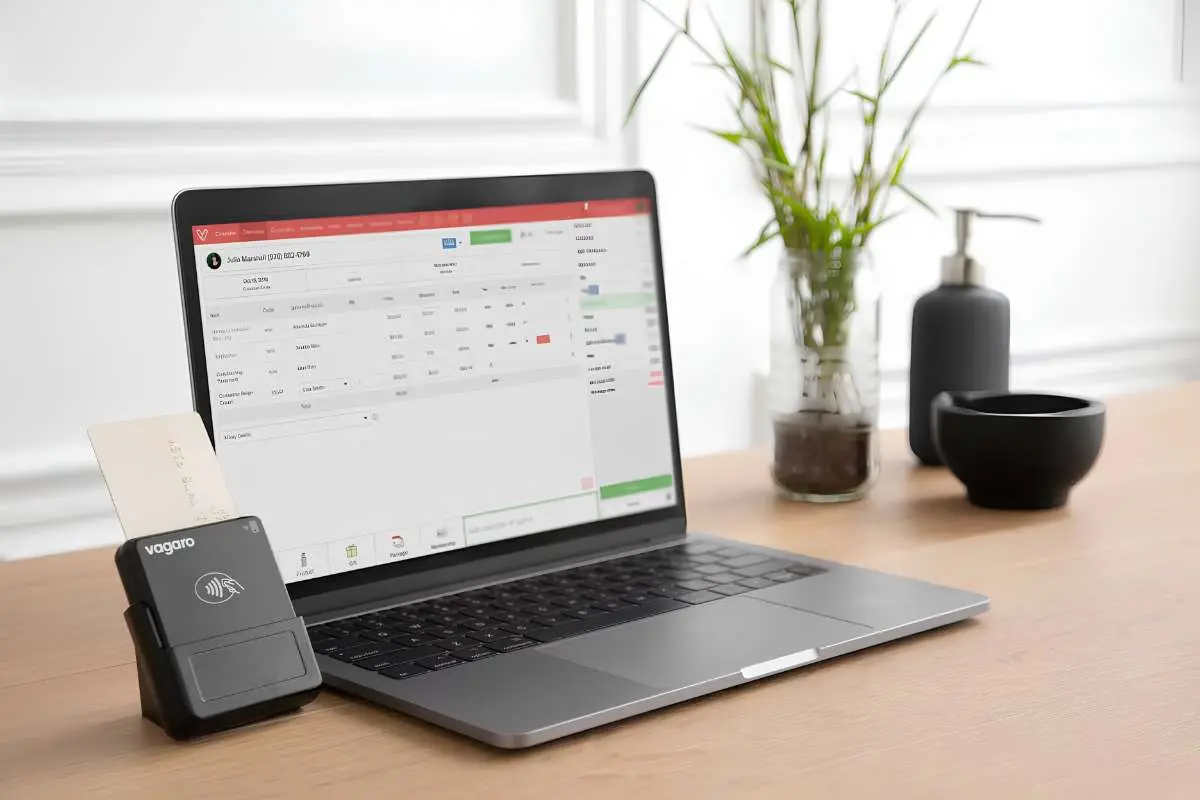
Vendor management software is a central platform that stores all information about your vendors. This includes details like contact information, contracts, invoices, and performance records. Instead of using spreadsheets or paper files, everything is kept together in one system that you can access anytime.
This software is especially useful for businesses that work with many suppliers, service providers, or temporary workers. It helps you measure and benchmark the productivity of vendors, track deliverables, and ensure satisfactory SLA.
Key Features of Vendor Management Software
Here are some of the main things vendor management software can do:
- Performance Tracking: You can monitor how well each vendor is doing. The software tracks aspects such as delivery times, quality of work, and any issues that may arise.
- Productivity Benchmarking: Measure and compare the productivity of your vendors.
- Reduce Overtime: The system tracks billable working hours of the vendors to optimize payroll and reduce overtime for cost savings.
- Compliance Monitoring: The software tracks important documents and certifications, ensuring that all vendors adhere to relevant rules and regulations.
How Vendor Management Software Improves Workforce Productivity?
Now, let’s look at how this software helps improve workforce productivity monitoring.
1. Saves Time and Reduces Manual Work

Before vendor management software, business leaders had to spend a lot of time on paperwork, emails, and phone calls to keep track of vendors. Now, most of these tasks are automated. This means your team can focus on more important work instead of getting stuck in administrative tasks.
2. Improves Communication and Collaboration
With all vendor information in one place, it’s easy for you to make data-driven decisions. This reduces confusion and enables teams to work together more effectively.
3. Better Workforce Productivity Monitoring
Vendor management software doesn’t just track vendors—it also helps you keep an eye on how your team is working with them. For example, you can see how quickly your team is processing orders, responding to vendor requests, or handling problems. This makes it easier to spot bottlenecks and improve efficiency.
4. Helps You Make Smarter Decisions
The software collects a lot of data about your vendors and your own team’s performance. With this information, you can see which vendors are doing well and which ones might need improvement. You can also see where your team is spending the most time and where you might need to make changes.
5. Reduces Risks and Mistakes

By keeping everything organized and automated, the software helps you avoid mistakes such as missed payments, lost contracts, or compliance issues. This means fewer problems for your team to deal with, which helps everyone stay productive.
6. Supports Growth and Scalability
As your business grows, you’ll need to work with more vendors. Vendor management software makes it easy to add new suppliers and maintain control over everything. This means your team can handle more work without getting overwhelmed.
Real-Life Benefits for Your Business
Here are some real ways that vendor management software can help your business:
- Faster Onboarding: You can bring new vendors on board quickly, so your team can start working with them right away.
- Better Negotiations: With vendor productivity data, you can compare prices and services easily and negotiate better deals.
- Improved Vendor Performance: You can track the performance of each vendor and take action if any issues arise.
- More Time for Important Work: Your team spends less time on paperwork and more time on tasks that help the business grow.
- Smoother Workforce Productivity Monitoring: You can see how your team is working with vendors and make changes to improve efficiency.
Choosing the Right Vendor Management Software
There are many different types of vendor management software available. When choosing one, look for features that match your business needs. Some things to consider include:
- Ease of use: The software should be easy for everyone to use, not just the IT team.
- Integration: It should seamlessly integrate with your other business systems, such as accounting or project management tools.
- Support: Good customer support is crucial if you encounter any issues.
- Scalability: The software should be able to grow with your business.
Tips for Getting the Most Out of Vendor Management Software
To get the best results from vendor management software, follow these tips:

- Train Your Team: Make sure everyone knows how to use the software and understands its benefits.
- Keep Data Up to Date: Regularly update vendor information and check for any errors.
- Utilize Analytics: Use the reports and analytics features to track workforce productivity and vendor performance.
- Encourage Feedback: Ask your team for feedback on how the software is working and what could be improved.
Conclusion
Vendor management software is a valuable tool for any business that works with suppliers or service providers. It helps track vendors, automate routine tasks, and streamline communication. One of its key benefits is workforce productivity monitoring, which enables you to see how your team and vendors are performing in real-time.
By simplifying performance tracking and enhancing collaboration, the software enables your team to work more efficiently. It also reduces manual errors and saves time on day-to-day operations.
If you’re looking to boost efficiency, reduce mistakes, and scale your business, vendor management software is a smart investment. Explore your options and see the difference it can make.