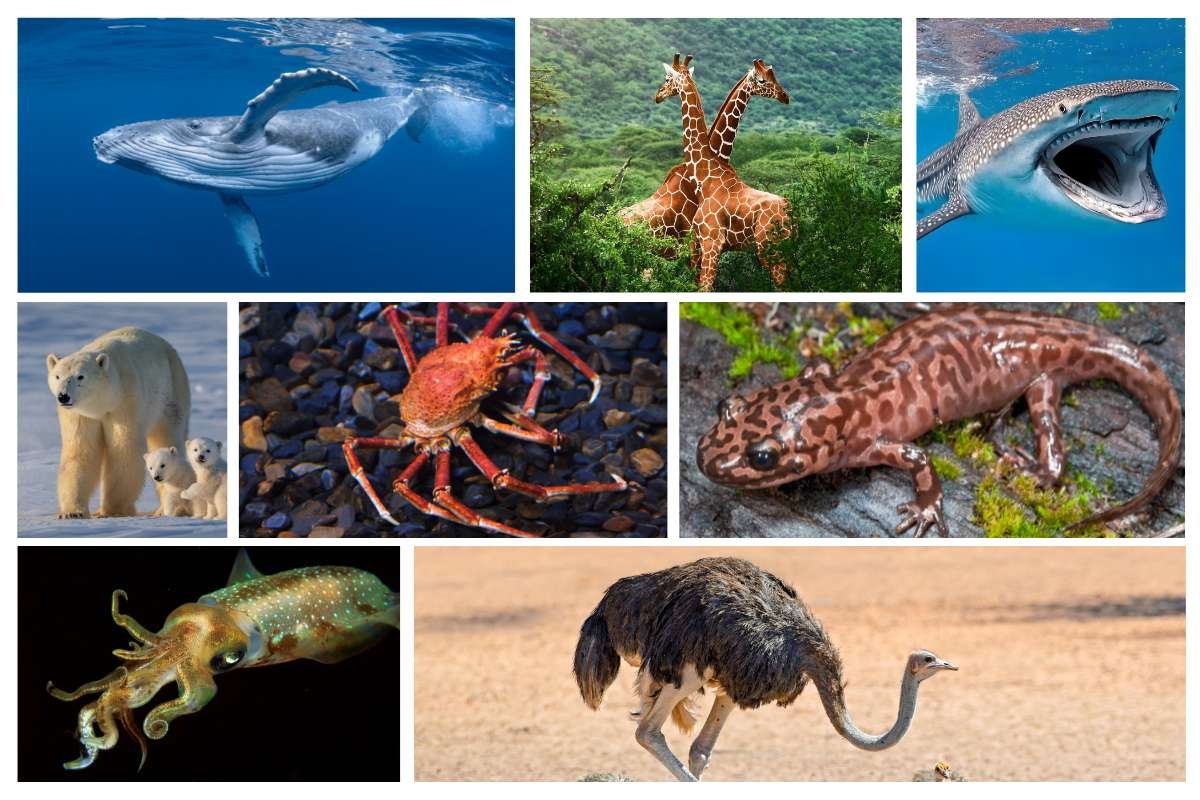
What is it about sheer size that captures human imagination? Perhaps it’s the reminder that despite our skyscrapers and machines, nature still holds records we cannot touch. The largest animals in the world are not just biological outliers; they are keystone species. They store carbon, shape forests, regulate marine ecosystems, and often, reflect the fragile balance between survival and extinction.
Marine biologist Dr. Sylvia Earle once said,
“When you look into the eye of a whale, you understand just how small you are.”
Meet the 12 Largest Animals in the World that still Walk, Swim, and Soar among Us
1. Blue Whale: The Largest Animal Ever to Exist
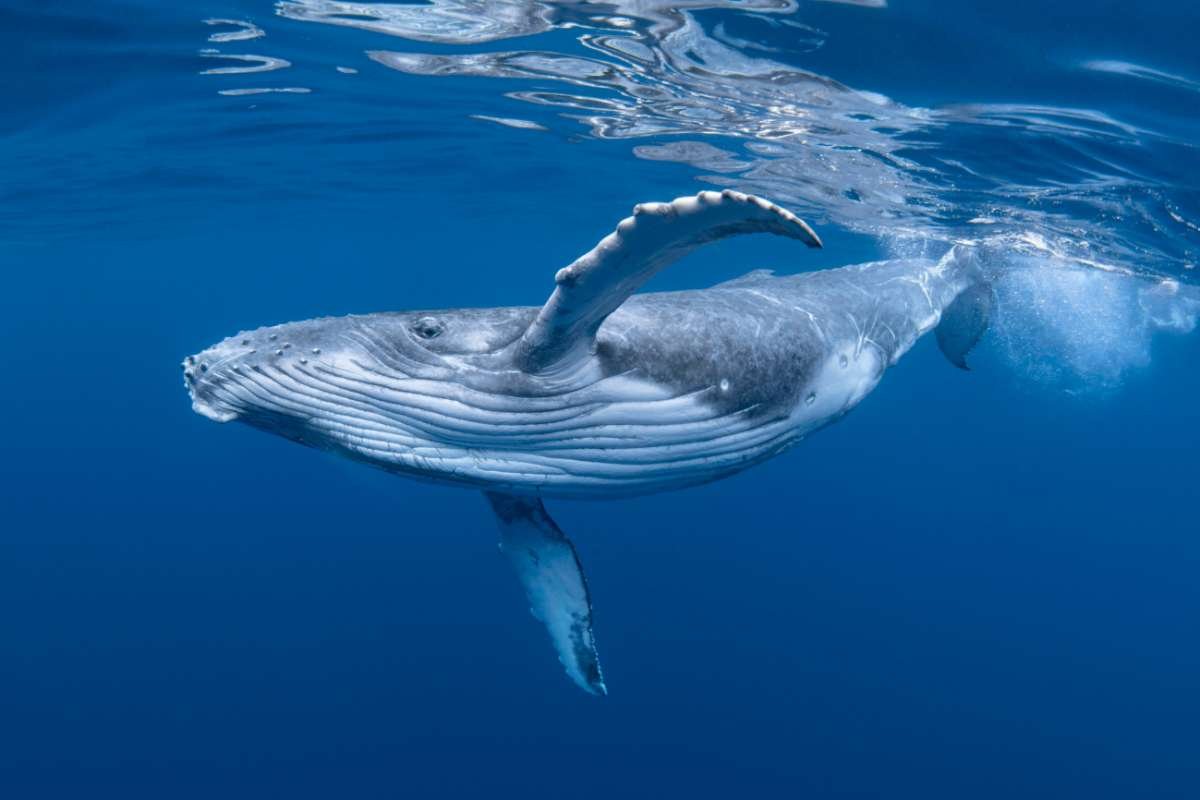
If size had a monarch, it would be the blue whale. Measuring up to 100 feet (30 meters) and weighing as much as 200 tons, the blue whale is the largest animal ever known, not just today, but in Earth’s history.
- Heart size: A blue whale’s heart weighs over 400 pounds, about the size of a small car.
- Diet: It feeds almost exclusively on krill, consuming up to 4 tons of krill per day during peak season.
- Population: Once hunted to near extinction, their numbers now hover between 10,000 to 25,000 worldwide (IUCN).
Despite their massive size, these creatures rely on some of the tiniest prey in the ocean. That contrast, the largest animal depending on the smallest, is a paradox of nature.
2. African Elephant: The Largest Land Animal
On land, no animal commands presence quite like the African elephant. Adult males weigh up to 14,000 pounds (6,350 kg) and stand 13 feet tall at the shoulder.
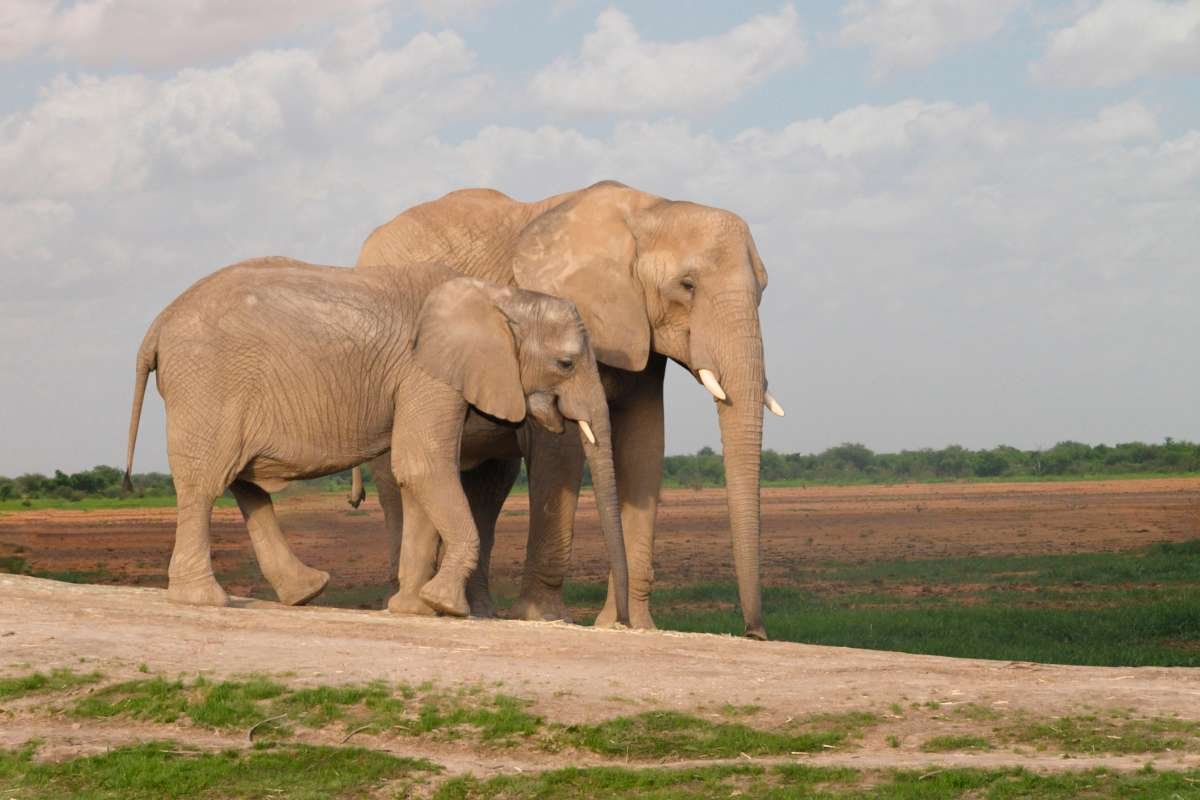
- Tusks: Each tusk can grow 10 feet long and weigh over 100 pounds.
- Diet: They consume 300 pounds of foliage daily.
- Conservation: About 415,000 remain in the wild, but poaching and habitat loss continue to threaten populations (WWF).
Elephants are not just big; they are intelligent. Studies show they recognize themselves in mirrors, grieve for their dead, and use tools. Their size and cognition make them one of the most extraordinary large animals in the world.
3. Giraffe: The Tallest Land Mammal
If the elephant dominates by weight, the giraffe reigns in height. Males stretch up to 18 feet (5.5 meters), with legs taller than most humans.
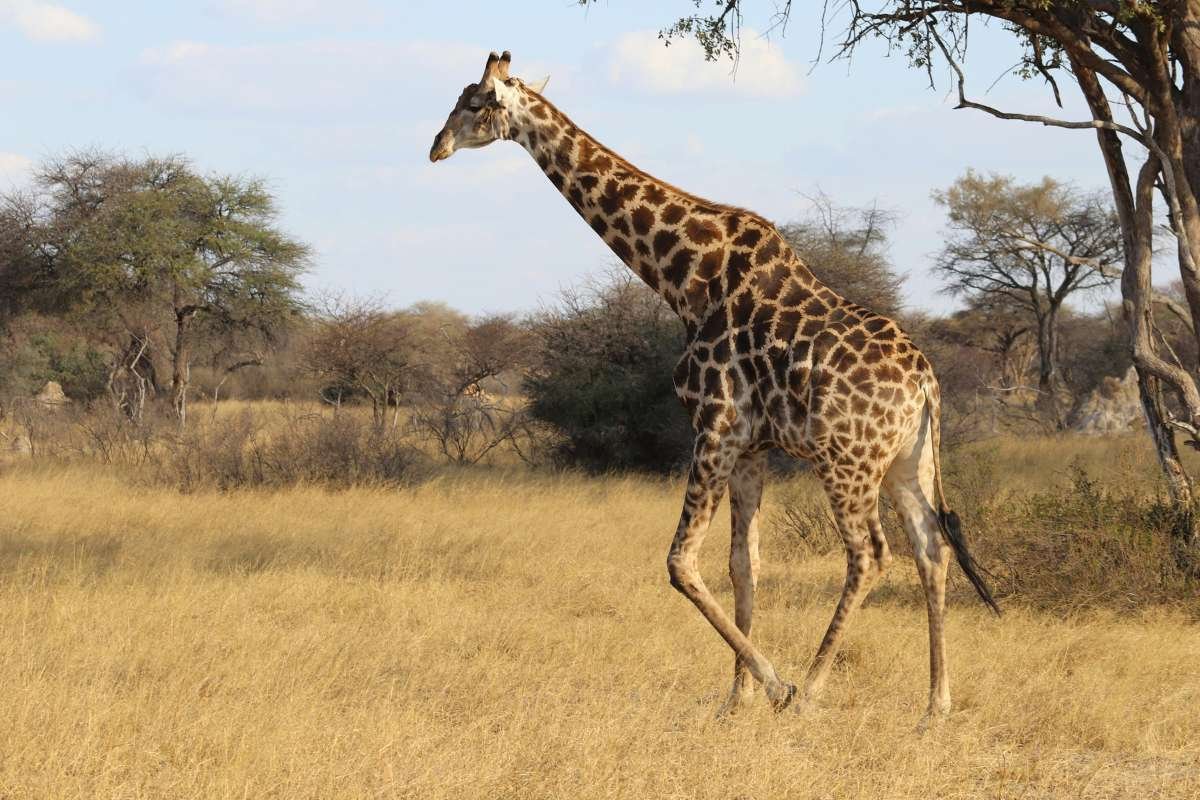
- Unique biology: To pump blood up that long neck, giraffes have a heart nearly 2 feet long, producing blood pressure twice that of humans.
- Diet: They browse 75 pounds of leaves daily, mostly from acacia trees.
- Speed: Despite their awkward appearance, giraffes run up to 35 mph.
Their towering reach allows them to access food no other herbivore can touch, a literal competitive edge in the savannah.
4. Saltwater Crocodile: Prehistoric Giant of the Reptile World
The saltwater crocodile, often called “saltie,” looks like a living fossil. Males can grow 20 feet long (6 meters) and weigh over 2,200 pounds (1,000 kg).
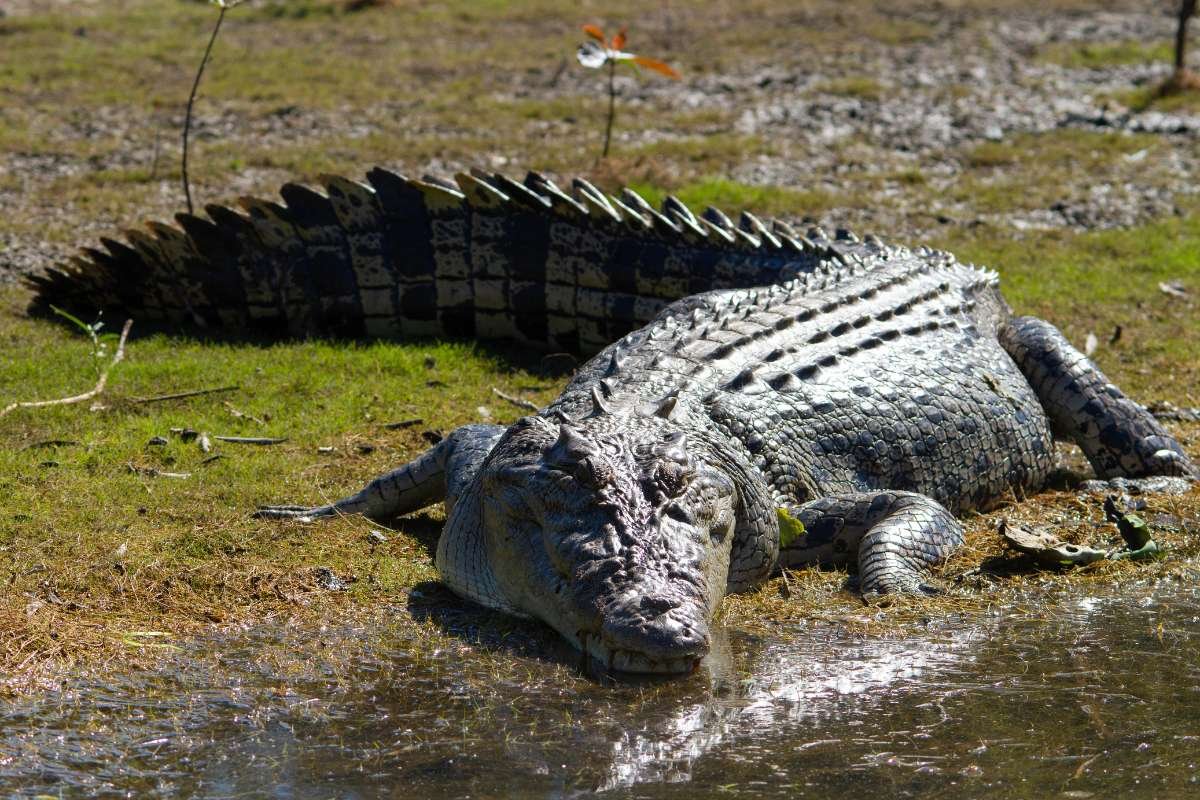
- Bite force: Their bite exerts 3,700 psi, the strongest in the animal kingdom.
- Range: From India to northern Australia, they dominate rivers, mangroves, and coastlines.
- Population: In Australia alone, strict protections have helped recover numbers to 100,000+ individuals.
Experts warn: while awe-inspiring, saltwater crocodiles are also highly dangerous. They remind us that the largest animals in the world can inspire both respect and fear.
5. Whale Shark: The Largest Fish on Earth
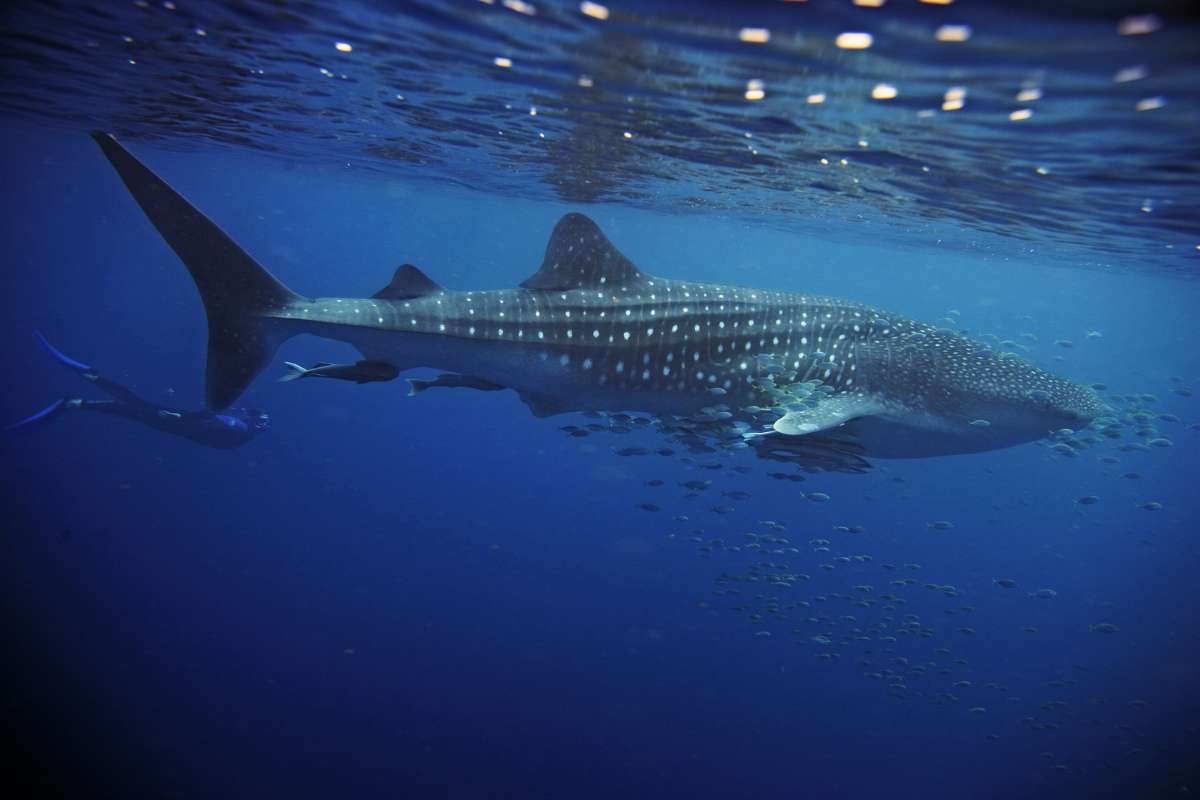
Gentle giants of the ocean, whale sharks reach 40 feet (12 meters) in length and weigh up to 47,000 pounds (21,000 kg).
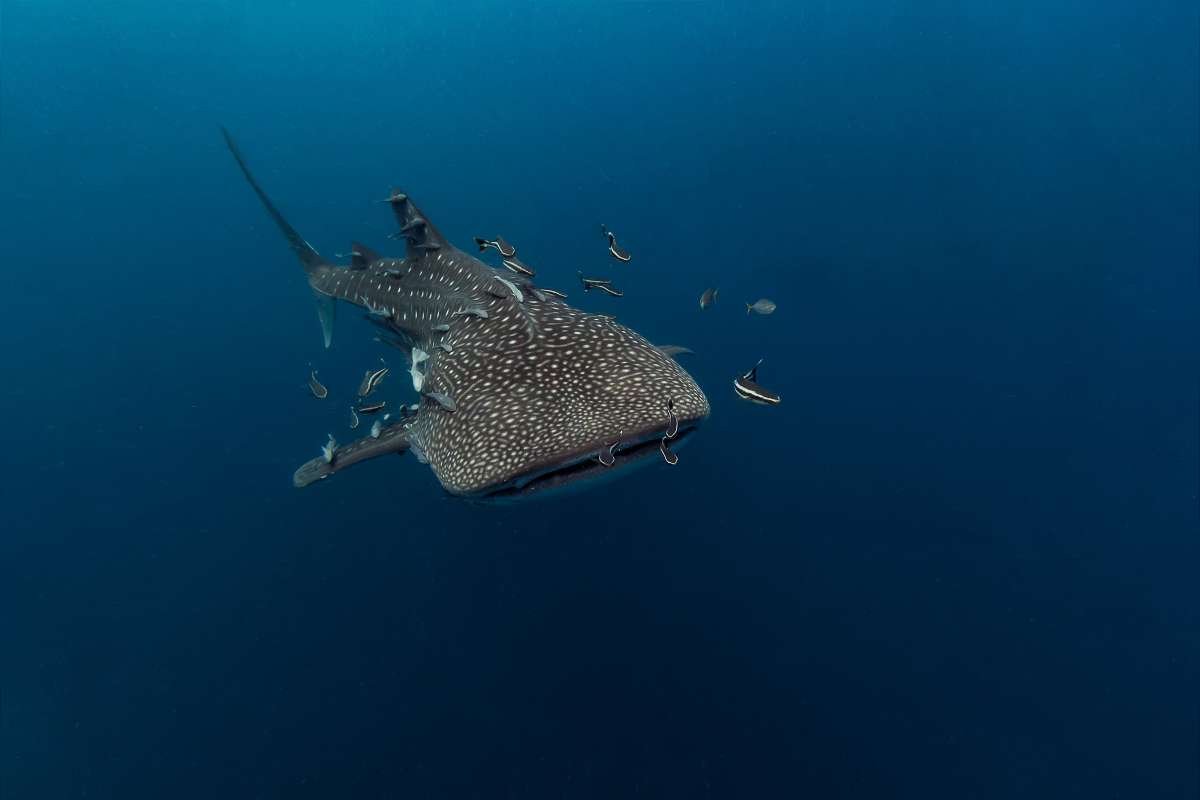
- Feeding style: They filter-feed on plankton, swallowing thousands of gallons of water per hour.
- Diving depth: They descend to 1,900 feet (580 meters) in search of food.
- Threats: Boat strikes and unregulated tourism endanger populations, now listed as endangered by IUCN.
Despite their size, divers describe whale sharks as calm and approachable. Their docile behavior makes them a favorite among marine ecotourists, offering people a glimpse of the largest animals in the world beneath the waves.
6. Ostrich: King of the Bird Kingdom
The ostrich may not fly, but it dominates the skies in another way; it is the heaviest living bird, weighing up to 345 pounds (156 kg) and standing 9 feet tall.
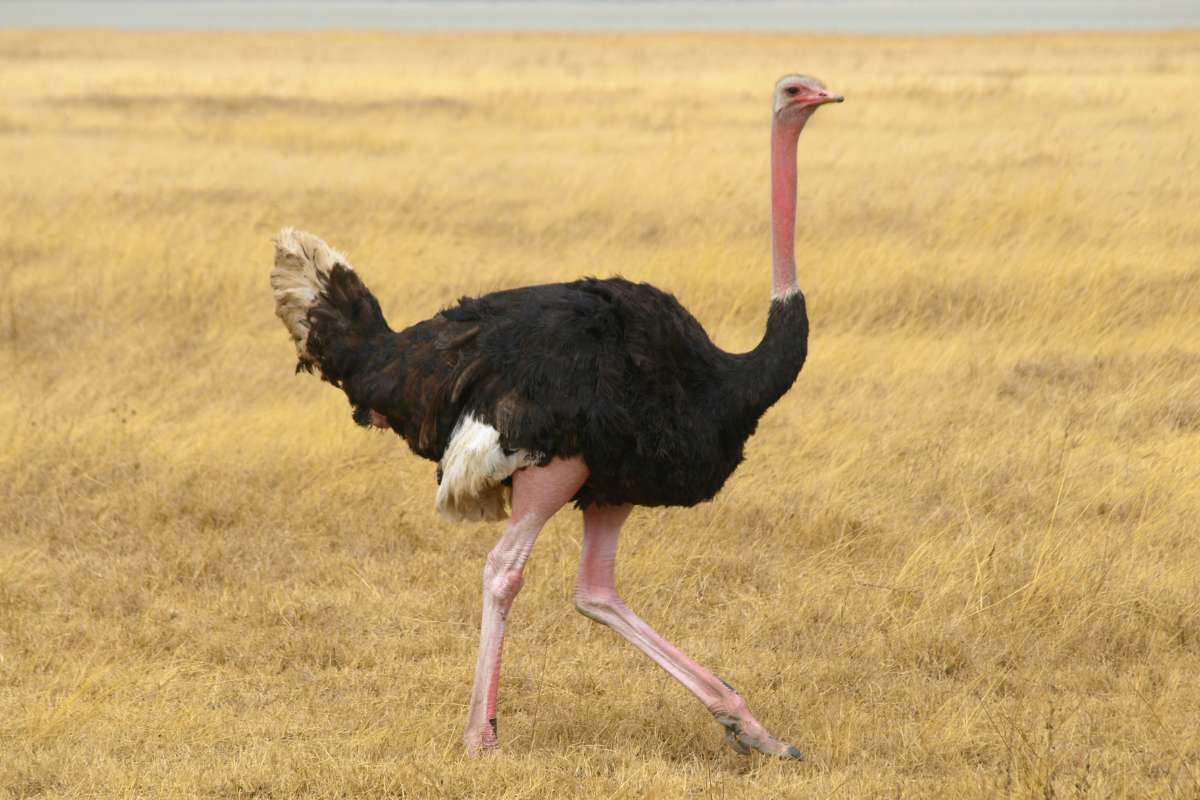
- Speed: They sprint at 45 mph, outrunning most predators.
- Defense: A single kick can kill a lion.
- Reproduction: Their eggs weigh 3 pounds (1.4 kg) each, the largest of any bird species.
Though categorized as “least concern,” ostriches are still hunted for meat, feathers, and leather. They represent how even the largest animals in the world can be vulnerable to human exploitation.
Read More: 10 Most Dangerous Animals in the World
7. Polar Bear: Apex Predator of the Arctic
The polar bear is the largest carnivorous land mammal, with males weighing up to 1,200 pounds (545 kg) and stretching 10 feet in length.
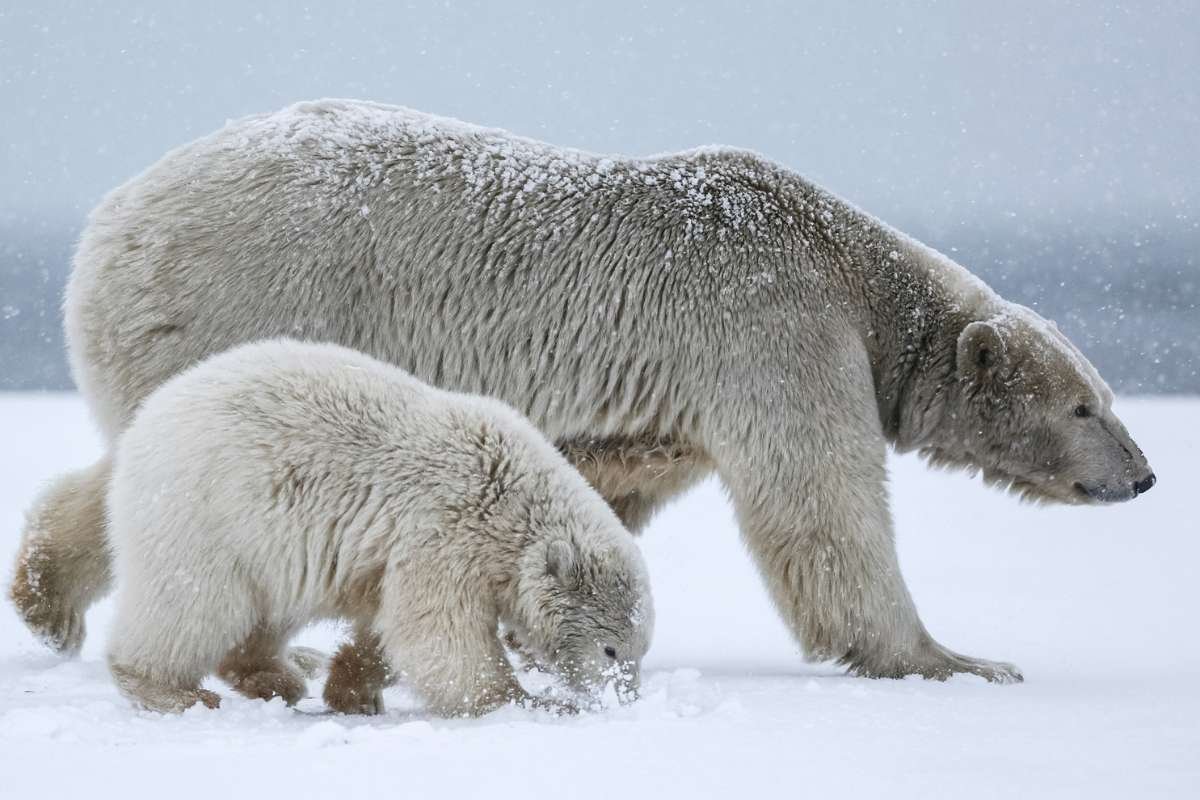
- Diet: They primarily hunt seals but adapt to scavenging in harsh conditions.
- Range: The Arctic’s melting ice threatens their survival, making them climate change’s most iconic victims.
- Population: Estimates suggest 22,000–31,000 remain (IUCN).
Marine biologist Dr. Ian Stirling observed:
“The polar bear is more than an apex predator; it is a barometer of Arctic health.”
Their shrinking habitat shows how fragile the fate of the largest animals in the world can be in the face of global warming.
8. Colossal Squid: A Deep-Sea Mystery
If myths of sea monsters had a biological inspiration, it was probably the colossal squid. Reaching lengths of 46 feet (14 meters), these creatures remain elusive.
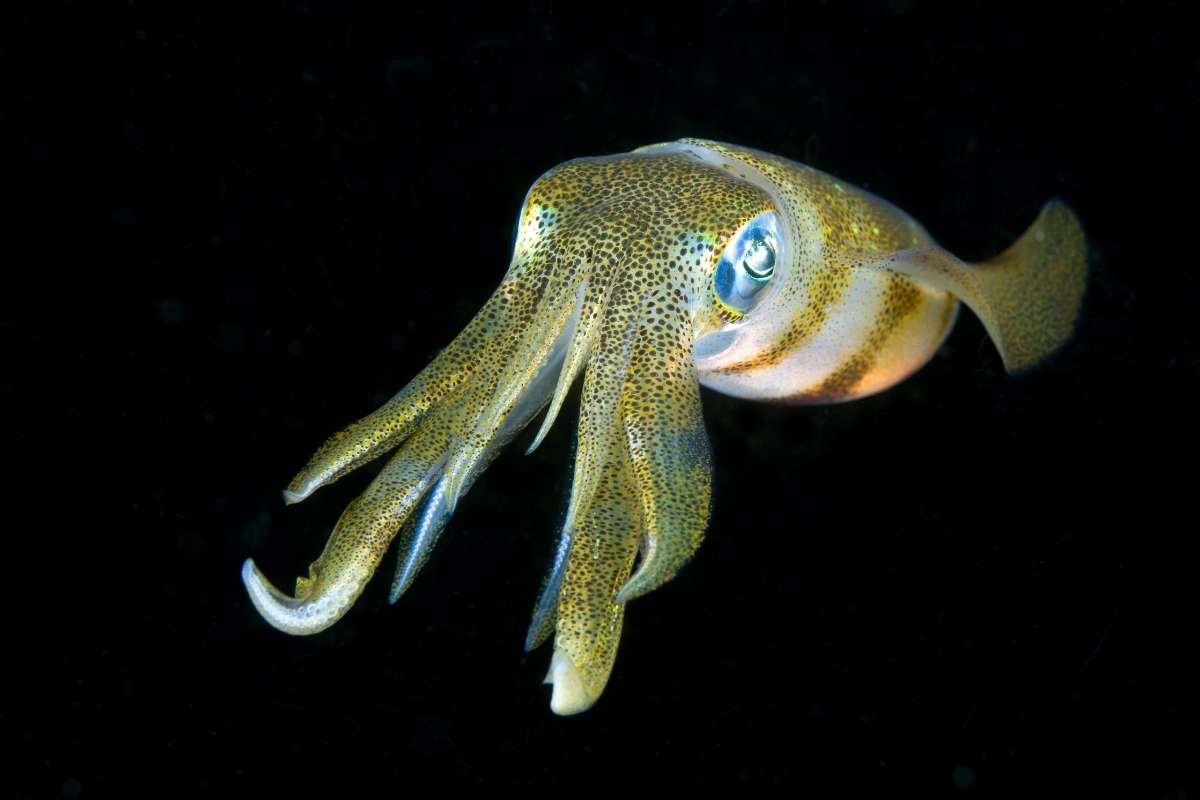
- Eyes: The largest in the animal kingdom, up to 10 inches across.
- Hooks: Unlike octopuses, they have swiveling hooks on tentacles for grasping prey.
- Habitat: Southern Ocean, at depths beyond 2,000 feet.
Most of what we know comes from stranded specimens or the stomachs of sperm whales. Even in 2025, the largest animals in the world still hold mysteries that science struggles to unravel.
9. Whale Shark’s Cousin: The Fin Whale – Runner-Up in Size
If the blue whale wears the crown, the fin whale sits just behind it. Known as the “greyhound of the sea,” the fin whale reaches 88 feet (27 meters) and weighs up to 160,000 pounds (72,600 kg).
- Speed: Fin whales can sprint at 20 mph, making them the fastest of the great whales.
- Diet: They consume up to 2 tons of fish and krill per day.
- Status: Listed as endangered, with 80,000 individuals worldwide (IUCN).
Marine scientist Howard Rosenbaum describes them as:
“The forgotten giants of the ocean—elegant, powerful, and critically important for marine ecosystems.”
Their decline from whaling reminds us that size offers no protection from human exploitation.
10. Japanese Spider Crab: The Largest Arthropod
Not every giant rules by weight or height. Some dominate with reach. The Japanese spider crab spans an astonishing 12 feet (3.7 meters) from claw to claw.
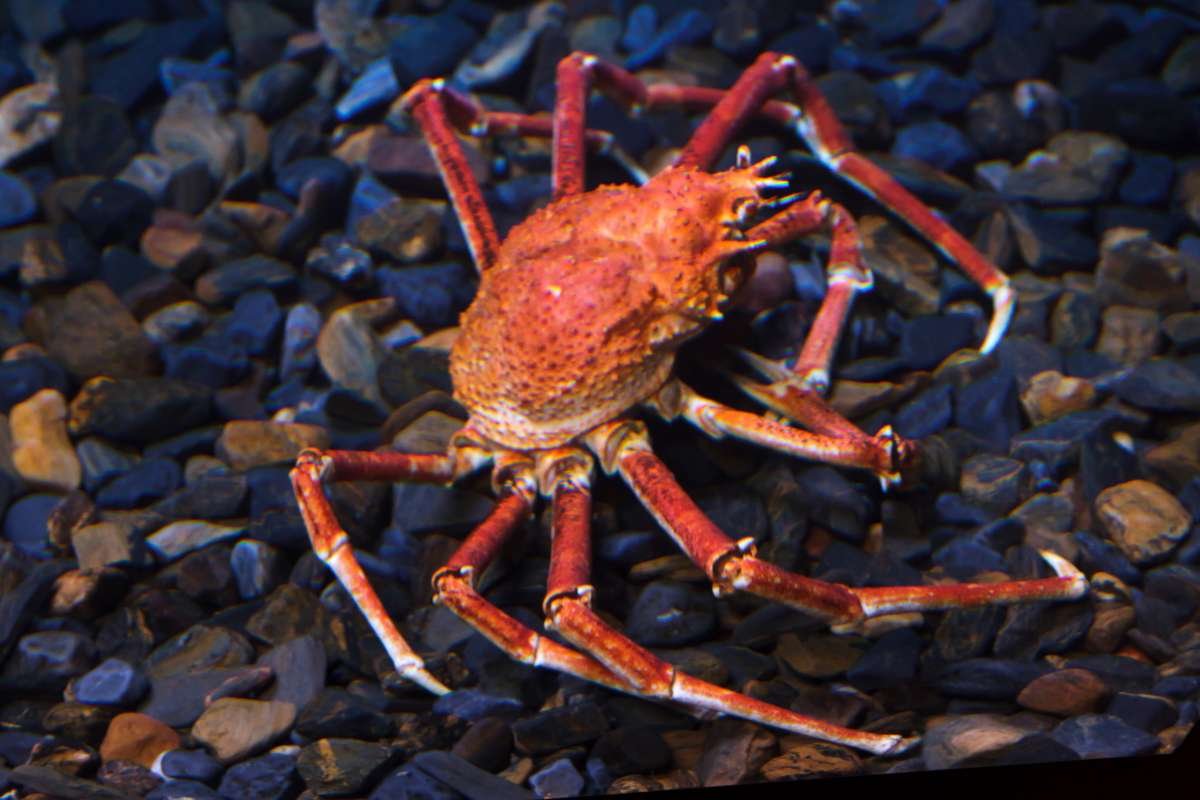
- Weight: Up to 42 pounds (19 kg).
- Habitat: Found off Japan’s Pacific coast at depths of 500–1,000 feet.
- Longevity: They can live up to 100 years, making them one of the longest-lived arthropods.
Their alien-like appearance makes them a curiosity for researchers and divers alike. Yet, overfishing has placed pressure on their populations. They represent how the largest animals in the world can be fragile in unexpected ways.
11. Goliath Beetle: The Heaviest Insect
When it comes to insects, size takes on a different scale. The Goliath beetle, native to Africa, can weigh up to 100 grams (3.5 ounces), as heavy as a small apple.
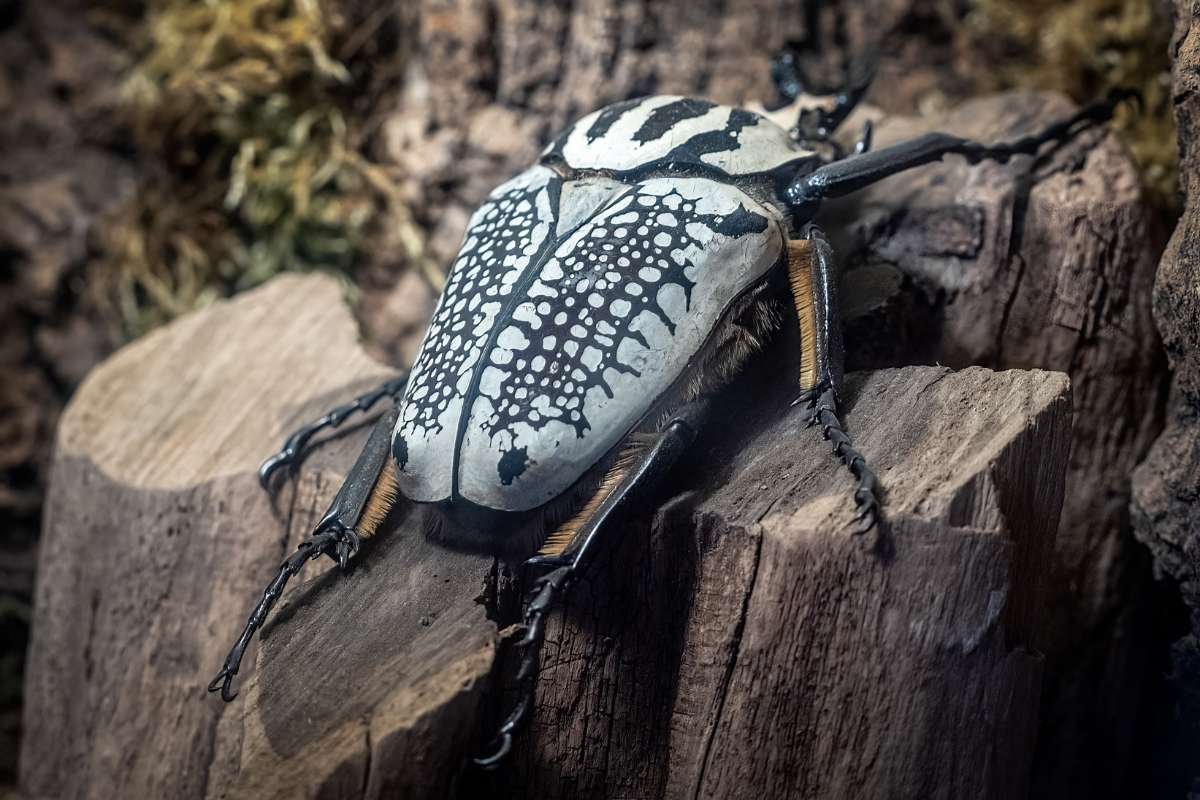
- Length: Up to 4.3 inches (11 cm).
- Diet: Adults feed on tree sap and fruit, while larvae consume decomposing wood.
- Cultural impact: Their size makes them popular in pet and research trades, raising concerns about overcollection.
While small compared to whales and elephants, the Goliath beetle earns its spot on the list as the insect world’s heavyweight.
12. Chinese Giant Salamander: Largest Amphibian
Hidden in cool mountain streams of China lives the Chinese giant salamander, the world’s largest amphibian. It grows up to 6 feet (1.8 meters) and weighs 140 pounds (64 kg).
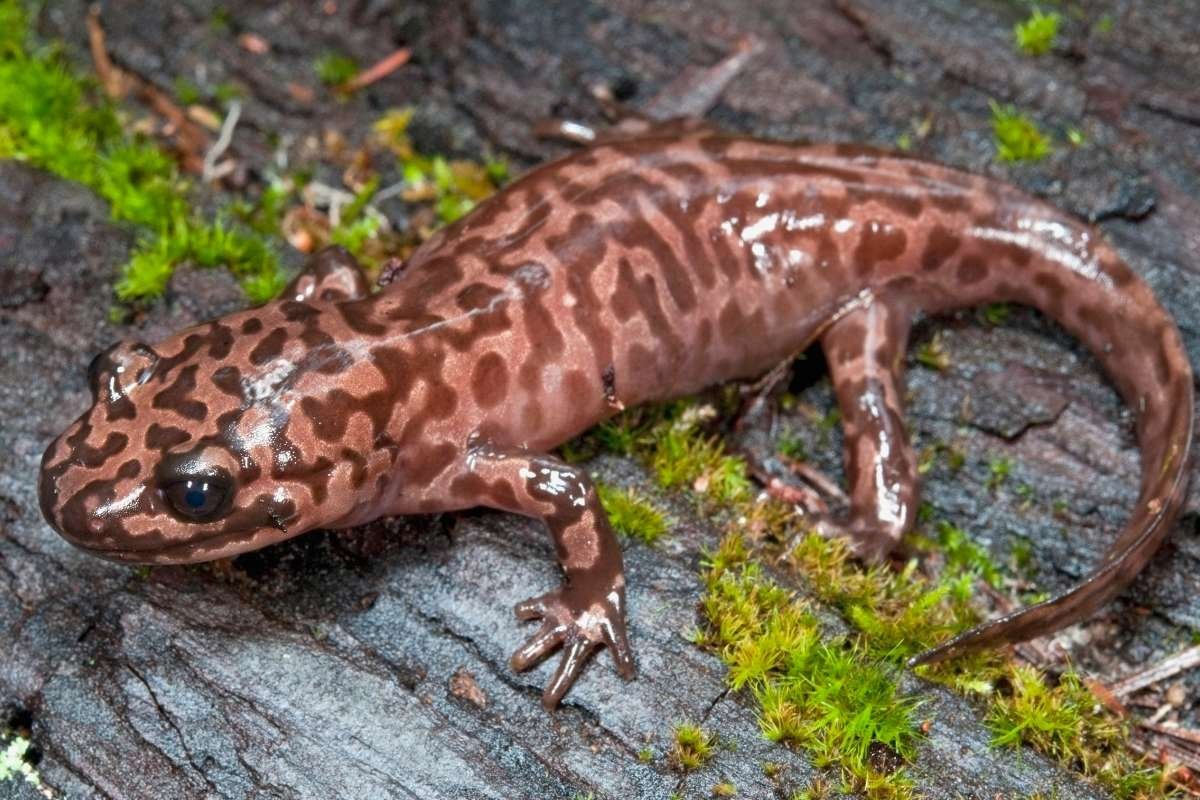
- Status: Critically endangered due to habitat loss and overharvesting.
- Diet: Carnivorous, feeding on fish, insects, and crustaceans.
- Lifespan: Over 50 years in the wild.
Dr. Jing Che, a herpetologist, notes:
“The giant salamander is a living fossil, a reminder of amphibians’ dominance before dinosaurs walked the Earth.”
Its dwindling numbers underscore how even the largest animals in the world can quietly vanish if conservation fails.
Why Size Matters in Evolution?
Large animals have advantages: protection from predators, the ability to travel long distances, and better thermoregulation. But size also carries costs, high food demands, slower reproduction, and greater vulnerability to environmental changes.
Dinosaurs once ruled by size, only to vanish when resources collapsed. Today’s giants face a similar test, not from asteroids, but from human activities.
Conservation Challenges Facing the Giants
Across ecosystems, the largest animals in the world are often the most threatened:
- Blue whales were nearly hunted to extinction in the 20th century.
- African elephants are being poached for ivory at alarming rates.
- Polar bears are losing habitat as Arctic ice melts.
- Whale sharks are endangered by unregulated tourism.
Conservation requires more than admiration. It needs policy, global cooperation, and individual responsibility. Protected areas, anti-poaching patrols, and sustainable tourism are proving effective but not enough on their own.
Final Thoughts: Why We Must Protect Nature’s Giants
From the blue whale’s heartbeat echoing through the ocean to the giraffe’s neck stretching into the sky, the largest animals in the world remind us of scale, fragility, and wonder. They are more than records in a textbook; they are living symbols of Earth’s extraordinary diversity.
And yet, every giant faces a modern challenge: habitat loss, climate change, or poaching. Their survival depends not just on science but on us, the storytellers and decision-makers of this era.
To preserve them is to preserve awe itself. Because once these giants are gone, no conservation law or photograph can bring them back.