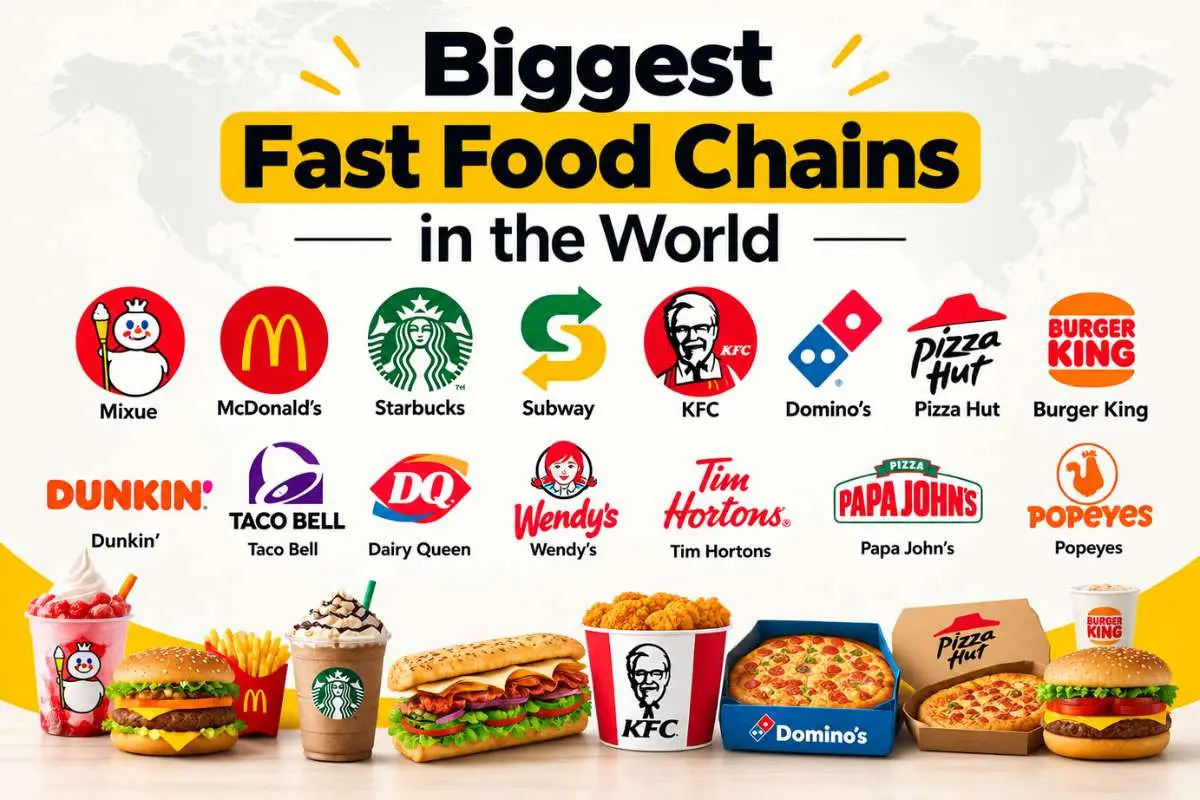
The biggest fast food chains in the world are not necessarily the ones that make the most money. In 2026, store count tells a very different story from revenue. McDonald’s operates more than 45,000 restaurants worldwide, while China’s Mixue has expanded to nearly 64,000 stores. Starbucks, KFC, Subway, and Domino’s also operate enormous international networks.
So, what actually makes a fast food chain “big”?
This ranking uses global restaurant count as the primary measure of size, while looking at systemwide sales and revenue separately. This distinction matters because franchise-heavy businesses can generate huge sales across their restaurant networks without reporting those sales as corporate revenue.
For readers comparing the biggest fast food chains, this approach provides a clearer picture of how physical reach, financial scale, and business structure differ.
Top 15 biggest fast food chains in the world in 2026
From a Chinese beverage-and-snack giant with nearly 64,000 locations to established global names such as McDonald’s, Starbucks, and KFC, the biggest fast food chains show how dramatically the industry has expanded.
The ranking also shows that the biggest fast food chains are not all built around the same format. Some depend heavily on franchising, while others combine company-operated and licensed locations.
How we ranked the biggest fast food chains in the world
The ranking is based primarily on global restaurant count, using the latest company-reported figures available for 2025 and 2026.
Restaurant count is used as the main measure because it provides a clearer comparison of a chain’s physical global footprint. Financial figures are presented separately because revenue, systemwide sales, and franchise sales are different measures and cannot be directly ranked against one another.
This methodology is particularly important when comparing the biggest fast food chains in the world, because a chain with fewer restaurants can generate more sales than a larger network.
Where available, the analysis also considers:
- Global restaurant count
- Countries and territories served
- Systemwide sales
- Company revenue where relevant
- U.S. restaurant count and sales
- Franchise versus company-operated models
Because companies report their financial and store data on different schedules, the latest available year can vary by brand.
| Rank | Fast Food Chain | Global Locations | Key 2025/2026 Scale Indicator |
| 1 | Mixue | 63,987 | 2026 store count |
| 2 | McDonald’s | 45,356 | $139B+ global systemwide sales in 2025 |
| 3 | Starbucks | 40,990 | $37.2B FY2025 revenue |
| 4 | Subway | Nearly 37,000 | 100+ countries |
| 5 | KFC | 33,897 | $36.4B system sales in 2025 |
| 6 | Domino’s | 22,142 | $20.1B global retail sales in 2025 |
| 7 | Pizza Hut | 19,974 | $12.8B system sales in 2025 |
| 8 | Burger King | 19,933 | 120+ countries through RBI |
| 9 | Dunkin’ | Nearly 10,000 | $13.1B U.S. system sales in 2025 |
| 10 | Taco Bell | 9,030 | $18.4B system sales in 2025 |
| 11 | Dairy Queen | 7,800+ | 20+ countries |
| 12 | Wendy’s | About 7,000 | $11.9B U.S. system sales in 2025 |
| 13 | Tim Hortons | 6,209 | 2026 restaurant count |
| 14 | Papa John’s | 6,083 | 50 countries/territories |
| 15 | Popeyes | 5,468 | 2026 restaurant count |
Note: Location counts are based on the latest company-reported figures available. Financial figures use each company’s own reporting definitions and are not directly comparable across brands.
1.Mixue
Mixue is the biggest surprise in the 2026 ranking. The Chinese beverage and snack chain had 63,987 stores worldwide as of June 30, 2026, including 59,609 in mainland China and 4,378 outside the country.
Its rapid expansion is driven overwhelmingly by franchising. Nearly all of its stores are franchise-operated, allowing the company to expand across cities and international markets without owning most of the restaurants itself.
Mixue has also moved beyond its traditional Chinese base, entering markets including Mexico, Kyrgyzstan, and Brazil.
Its scale shows how quickly Asian quick-service brands can build international footprints when low-cost formats and franchising are combined. It also makes Mixue a notable example of how the biggest fast food chains in the world are increasingly being shaped by growth outside traditional Western markets.
2. McDonald’s
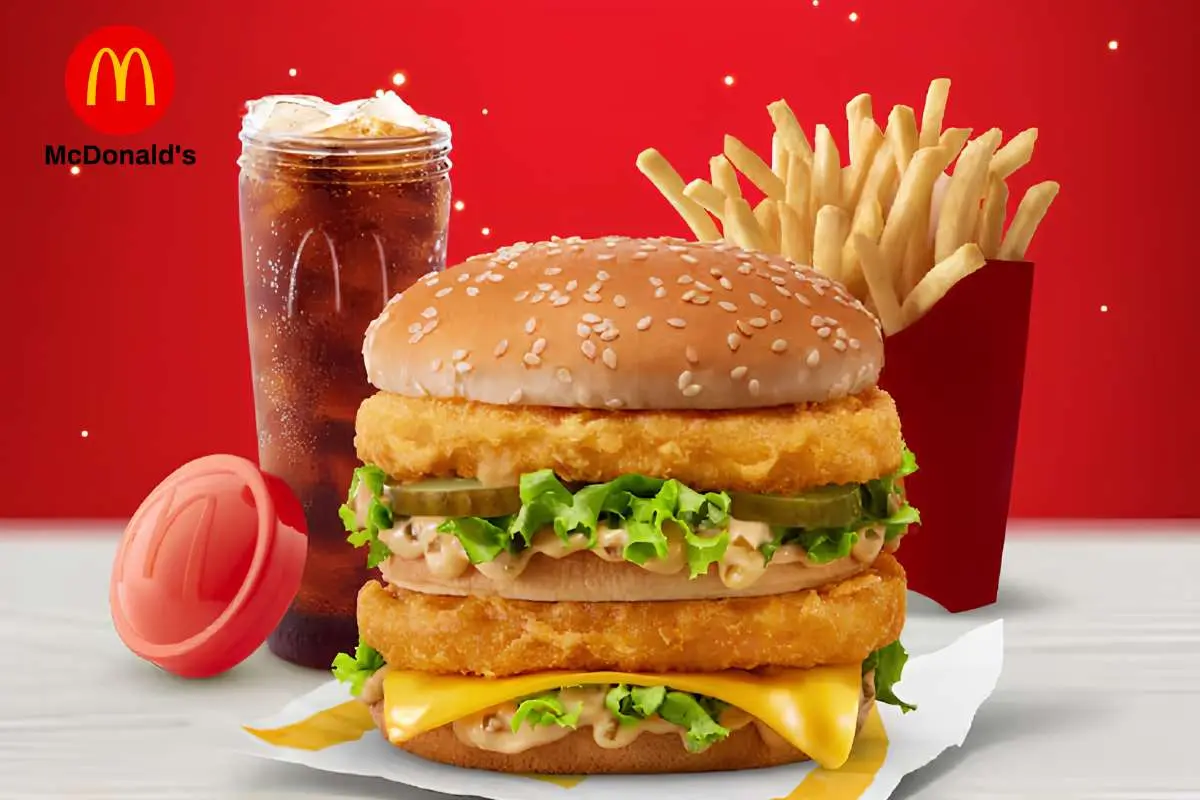
McDonald’s remains one of the world’s most recognizable restaurant businesses, with 45,356 restaurants at the end of 2025.
The network included 13,706 U.S. restaurants, 10,845 restaurants in International Operated Markets, 20,805 in International Developmental Licensed Markets, and corporate operations.
Its financial scale is even larger. McDonald’s reported more than $139 billion in global systemwide sales in 2025, up 7% year over year.
The company is also investing heavily in digital engagement. Its loyalty program had nearly 210 million 90-day active users across 70 markets in 2025.
McDonald’s remains a defining example when examining the biggest fast food chains, particularly because its restaurant footprint and systemwide sales are both exceptionally large.
3. Starbucks
Starbucks had 40,990 stores worldwide at the end of fiscal 2025, making it one of the largest global quick-service restaurant networks.
The U.S. accounted for 16,864 stores, while China had 8,011. The company operated across 89 markets.
Starbucks generated approximately $37.2 billion in fiscal 2025 revenue, showing why location count and financial scale can tell different stories.
Its model combines company-operated and licensed stores, giving the brand a broad international footprint while maintaining a strong presence in major urban markets.
Its position among the biggest fast food chains in the world also demonstrates how coffee-focused businesses can achieve enormous scale alongside traditional QSR brands.
4. Subway
Subway has nearly 37,000 restaurants across more than 100 countries, making it one of the world’s largest sandwich chains by physical footprint.
The company has historically relied heavily on franchising, which has allowed it to expand internationally without directly operating every restaurant.
Its international growth strategy remains important, with thousands of additional locations in development pipelines.
Subway’s position also demonstrates why restaurant count alone does not explain financial performance. A huge network can have very different sales productivity depending on market, format, and franchise structure.
Among the biggest fast food chains, Subway is therefore a useful example of how an extensive franchise network can create significant global reach.
5. KFC
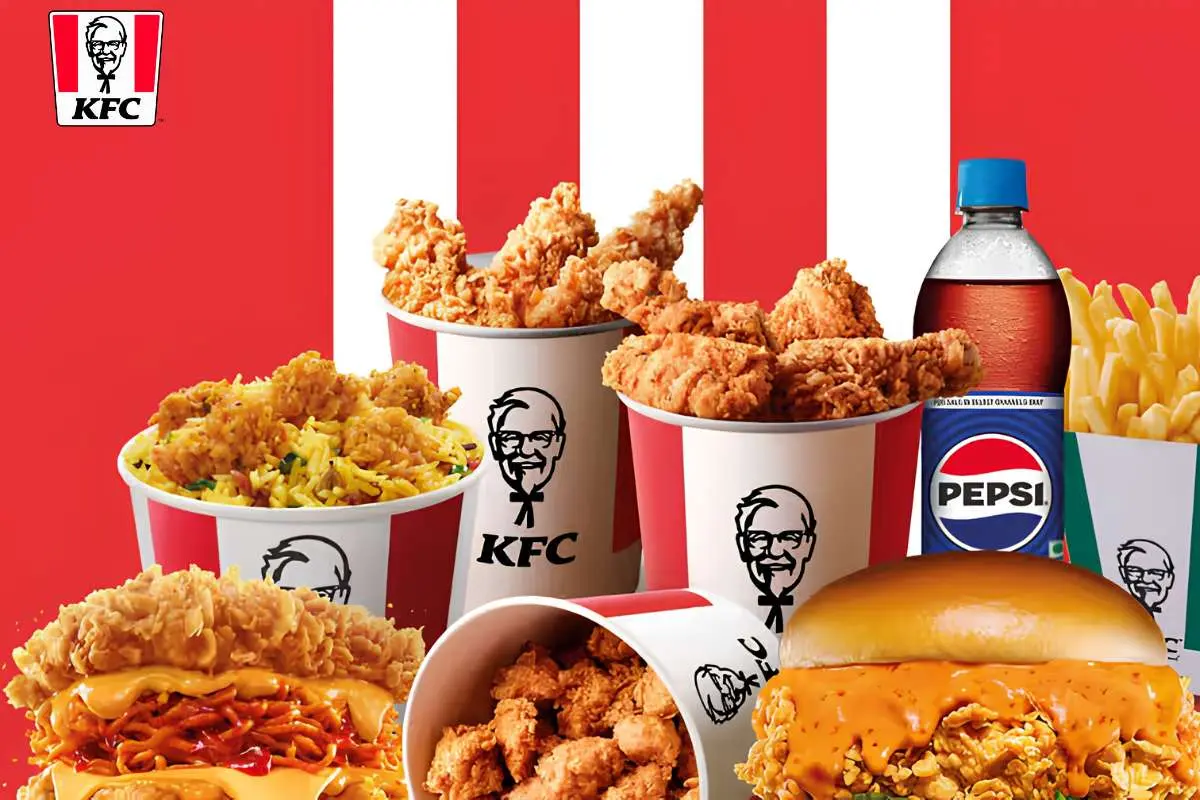
KFC had 33,897 restaurants across 149 countries and territories at the end of 2025, according to Yum! Brands.
About 90% of its restaurants were outside the U.S., making KFC one of the most internationally distributed major restaurant brands.
The chain generated approximately $36.4 billion in system sales in 2025.
KFC’s scale comes largely from franchising. About 99% of its restaurants were franchised, allowing the brand to maintain a massive global presence while limiting the amount of restaurant-level infrastructure directly owned by Yum!.
This international footprint places KFC firmly among the biggest fast food chains in the world by location count.
6. Domino’s
Domino’s operated 22,142 stores globally at the end of 2025, including 14,956 international stores.
Its global retail sales reached approximately $20.1 billion in 2025, with international retail sales slightly exceeding U.S. retail sales.
Domino’s is particularly notable for its technology-led operating model. Online ordering, delivery infrastructure, and franchise operations have helped it build a large network without relying on traditional dine-in restaurant formats.
Its international footprint also means that the brand’s growth is not dependent solely on the U.S. market.
Domino’s illustrates another feature of the biggest fast food chains: delivery-focused formats can achieve global scale without requiring the same physical restaurant model as traditional QSRs.
7. Pizza Hut
Pizza Hut had 19,974 restaurants across 108 countries and territories at the end of 2025.
The chain generated about $12.8 billion in system sales during the year.
Like KFC, Pizza Hut operates under Yum! Brands and relies overwhelmingly on franchisees.
About 99% of its restaurants were franchised in 2025.
Its footprint demonstrates the continuing strength of pizza as a globally adaptable quick-service category, with different formats used across markets.
Pizza Hut’s network helps explain the diversity found among the biggest fast food chains in the world, where menus and operating formats can vary substantially between markets.
8. Burger King
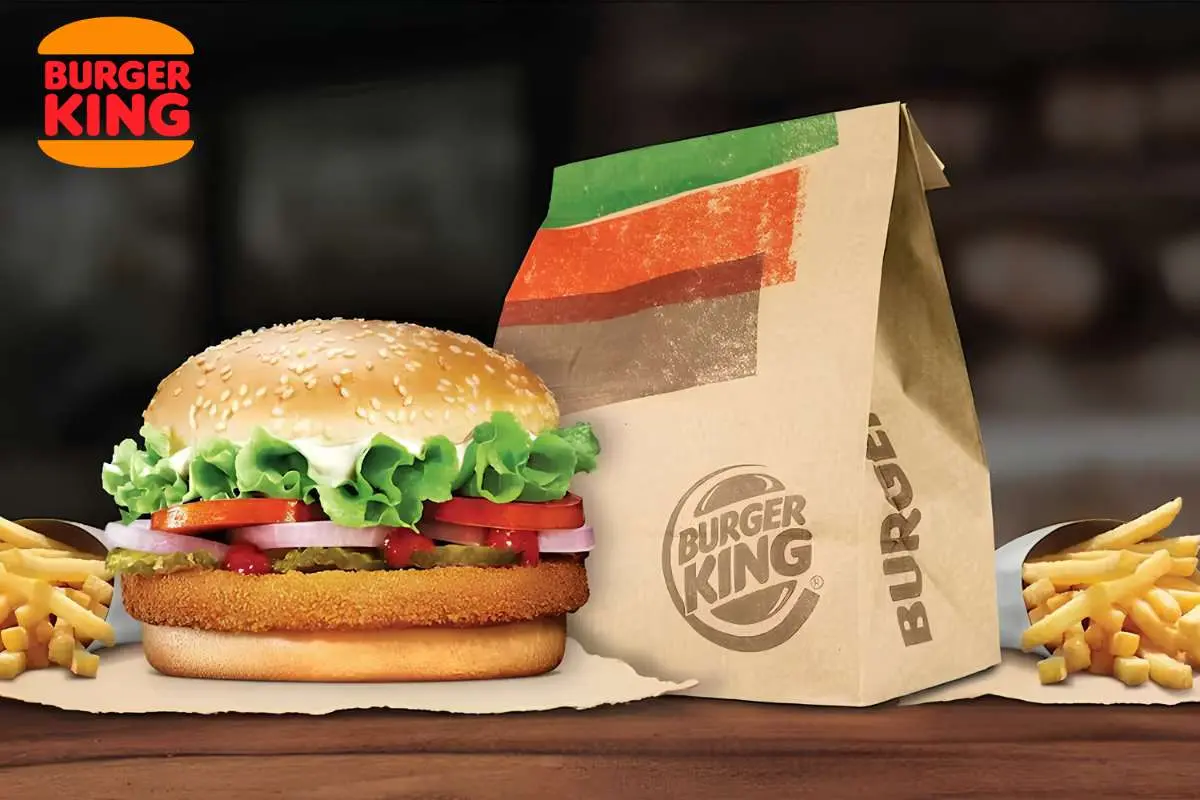
Burger King had 19,933 restaurants as of June 30, 2026, placing it just behind Pizza Hut by global location count.
The brand operates across a large international network under Restaurant Brands International, alongside Tim Hortons, Popeyes, and Firehouse Subs.
RBI had more than 33,000 restaurants across its four brands as of mid-2026, with more than 95% franchised.
Burger King’s growth strategy includes continued international expansion, including plans to significantly increase its presence in China.
Its network keeps Burger King among the biggest fast food chains and highlights the importance of franchising in global QSR expansion.
9. Dunkin’
Dunkin’ finished 2025 with 9,999 U.S. locations, putting it just short of the 10,000-store mark in its home market.
The chain generated approximately $13.1 billion in U.S. systemwide sales in 2025.
Its business is increasingly broader than traditional coffee and donuts. New beverage categories, frozen drinks, food products, and loyalty initiatives have helped the brand increase occasions beyond the morning coffee run.
Dunkin’s U.S. scale also highlights an important point: a brand does not need tens of thousands of international restaurants to become one of the largest QSR businesses by sales.
That distinction is important when comparing the biggest fast food chains in the world using both global reach and financial activity.
10. Taco Bell
Taco Bell operated 9,030 restaurants across 38 countries at the end of 2025.
The chain generated approximately $18.4 billion in system sales during the year.
Its U.S. footprint remains the core of the business, with 7,784 U.S. restaurants generating about $17.2 billion in U.S. systemwide sales in 2025.
International expansion remains part of Taco Bell’s growth strategy, but its U.S. business continues to account for most of its restaurant network.
Taco Bell shows why the biggest fast food chains can have very different geographic mixes even when they operate thousands of restaurants.
11. Dairy Queen
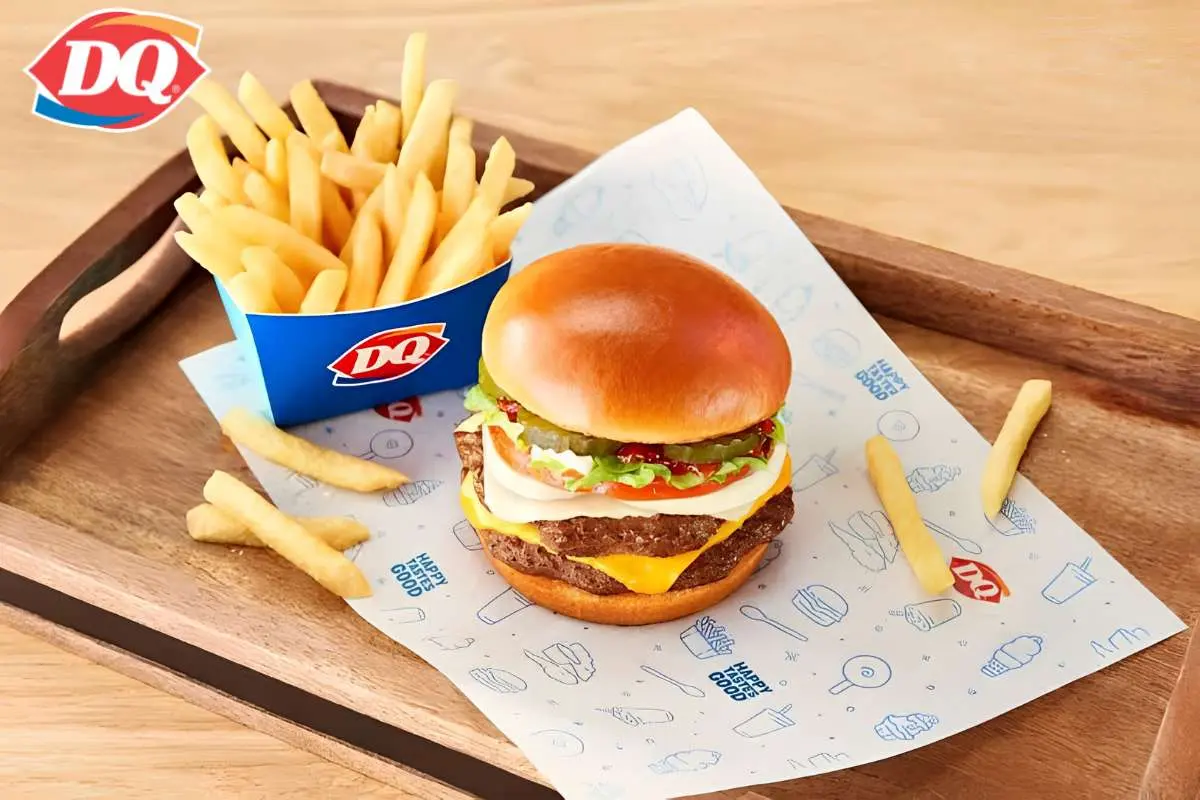
Dairy Queen has more than 7,800 restaurants across more than 20 countries.
The brand is particularly associated with soft-serve desserts, frozen treats, and burgers, giving it a somewhat different position from chains focused primarily on burgers, pizza, or coffee.
In the U.S., Dairy Queen generated approximately $5.0 billion in systemwide sales in 2025.
Its large global store base demonstrates the strength of a focused menu and franchise-led model.
Dairy Queen also shows that the biggest fast food chains in the world can build substantial networks around specialized product categories rather than broad menus.
12. Wendy’s
Wendy’s operates approximately 7,000 restaurants globally, with the majority located in North America.
In the U.S., the chain recorded 5,969 restaurants and nearly $11.9 billion in systemwide sales in 2025.
In 2026, the company has been focused on improving restaurant-level economics, operational consistency, and average unit volumes rather than simply pursuing aggressive unit growth.
That shift reflects a broader industry trend: large chains are increasingly balancing expansion with franchisee profitability and productivity.
For the biggest fast food chains, this shift shows that maintaining a large network also requires attention to the performance of individual restaurants.
13. Tim Hortons
Tim Hortons had 6,209 restaurants as of June 30, 2026.
The coffee and restaurant chain is part of Restaurant Brands International and remains one of the group’s major global brands.
Its footprint is concentrated in Canada, although the company continues to expand internationally.
Tim Hortons shows how a brand can maintain a large global network while retaining a strong connection to its home market. It is another example of the geographic diversity among the biggest fast food chains in the world.
14. Papa John’s
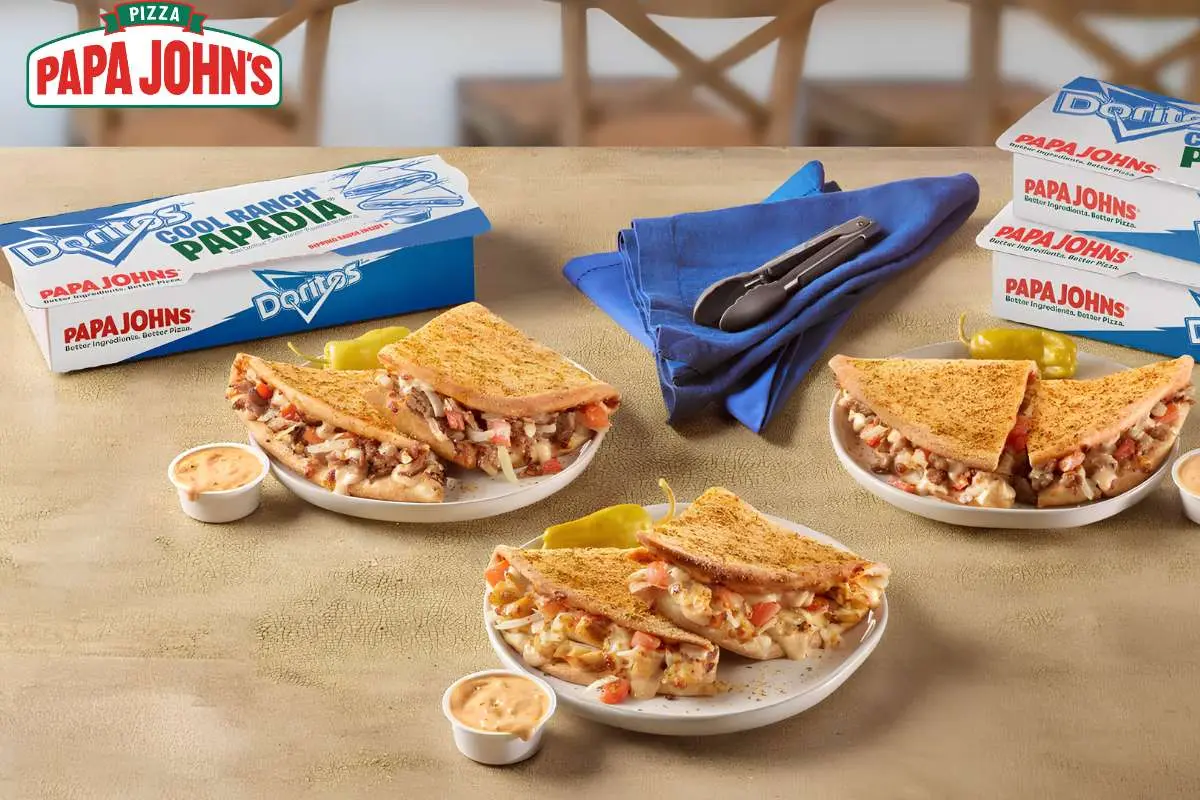
Papa John’s ended 2025 with 6,083 restaurants across 50 countries and territories.
Of these, 475 were company-owned, and 5,608 were franchised.
The chain’s model gives franchisees a major role in global expansion, particularly outside North America.
Like Domino’s and Pizza Hut, Papa John’s also benefits from the scalability of delivery-focused restaurant formats.
Its footprint illustrates how franchise-led expansion continues to shape the biggest fast food chains.
15. Popeyes
Popeyes had 5,468 restaurants as of June 30, 2026.
The brand is part of Restaurant Brands International and has expanded rapidly beyond its traditional U.S. base.
In 2025, Popeyes generated approximately $5.7 billion in U.S. systemwide sales, according to the QSR 50.
International expansion remains a major part of the brand’s strategy, including planned growth in markets such as Mexico.
Popeyes rounds out this list of the biggest fast food chains, showing how quickly a restaurant concept can expand when supported by franchising and international development.
Biggest fast food chains by revenue vs. By locations
A restaurant chain’s size can look very different depending on the metric being used.
By locations, Mixue leads this 2026 ranking with nearly 64,000 stores, followed by McDonald’s and Starbucks.
By global systemwide sales, McDonald’s operates on a much larger financial scale, reporting more than $139 billion in global systemwide sales in 2025.
Yum! Brands also illustrates the difference. Its three major brands in this ranking, KFC, Taco Bell, and Pizza Hut, generated about $68.3 billion in combined system sales in 2025. Yet Yum!’s corporate revenue was only about $2.9 billion from company sales because most restaurant-level sales belong to franchisees rather than Yum! Itself.
This is why systemwide sales, company revenue, and restaurant count should not be treated as interchangeable measures.
For anyone researching the biggest fast food chains in the world, separating these metrics prevents a store-count ranking from being mistaken for a revenue ranking.
| Measure | What It Shows | Example |
| Restaurant count | Physical global footprint | Mixue |
| Systemwide sales | Sales generated across the entire restaurant network | McDonald’s |
| Company revenue | Revenue recognized by the parent company | Starbucks |
| U.S. system sales | Scale within the U.S. market | McDonald’s, Taco Bell, Dunkin’ |
The 2026 fast food trends changing what we eat
The biggest fast food chains in the world are competing on more than restaurant count. Several technology and consumer trends are changing how these businesses operate.
1. AI is moving into everyday restaurant operations.
A 2026 restaurant technology benchmark covering 168 brands and more than 91,000 locations found that 73% were already investing in AI or planned to begin investing in 2026.
The biggest applications include marketing and personalization, predictive analytics, voice
ordering, inventory forecasting, and kitchen automation.
For large chains, these technologies could affect everything from customer ordering to restaurant-level efficiency.
2. Loyalty is becoming a major growth engine.
Restaurant technology data also shows the growing value of loyalty programs. In 2025, loyalty transactions increased significantly across the QSR sector, while members generally generated larger average checks than anonymous customers.
For major chains, loyalty programs are increasingly being used to personalize offers, increase visit frequency, and collect first-party customer data.
3. Drive-thru remains central
Drive-thru continues to represent a major share of QSR sales. Technology is increasingly being added to the drive-thru experience through digital ordering, voice AI, computer vision, and improved order management.
These developments matter because many of the biggest fast food chains in the world continue to depend heavily on high-volume, convenience-focused restaurant formats.
4. Store growth is becoming more selective.
The industry’s biggest chains are not simply racing to add locations. Many are also focusing on average unit volumes, franchisee economics, restaurant productivity, and operational efficiency.
This means future growth may be measured by sales per restaurant as much as by the number of restaurants added.
For the biggest fast food chains in the world, the next stage of expansion may therefore depend as much on improving existing locations as opening new ones.
What the biggest fast food chains reveal about the industry
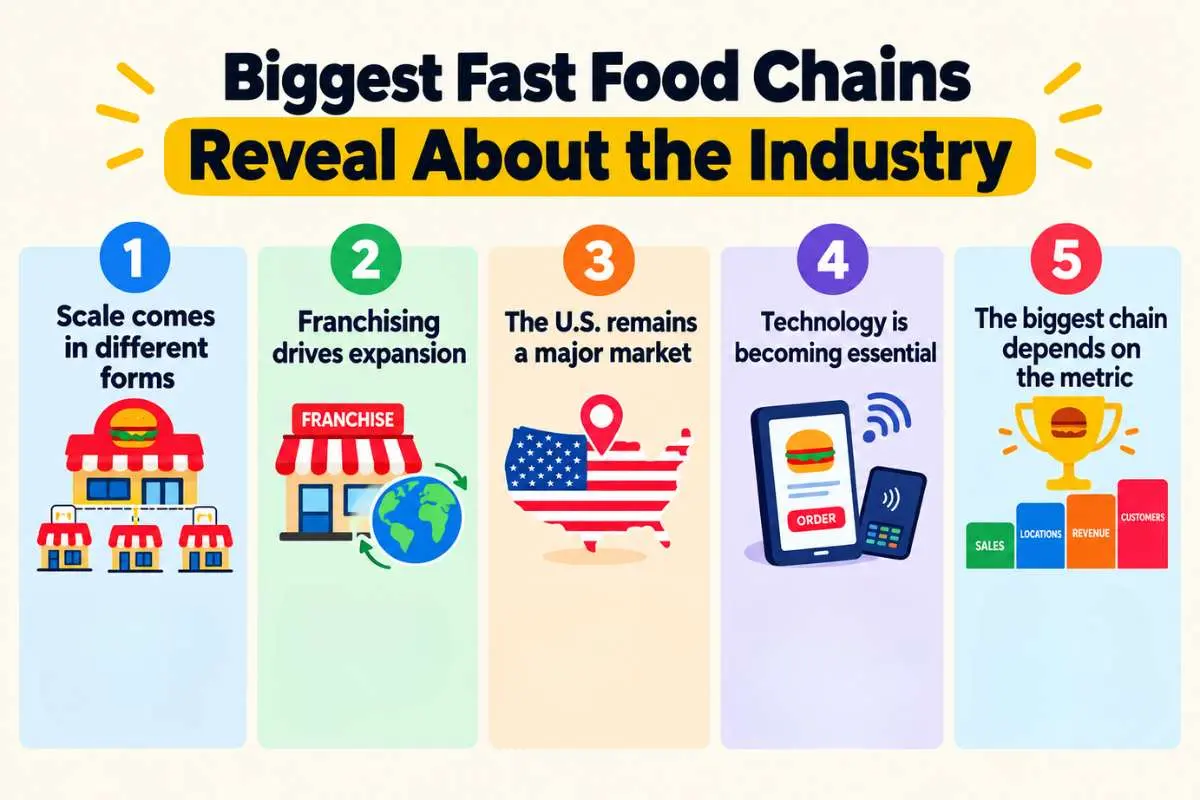
The 2026 ranking highlights a few key industry trends:
- Scale comes in different forms: Mixue and McDonald’s have huge footprints, but their markets and business models differ.
- Franchising drives expansion: KFC, Pizza Hut, Subway, and Burger King rely heavily on franchise networks.
- The U.S. remains a major market: It continues to generate billions in annual systemwide sales for leading QSR brands.
- Technology is becoming essential: AI, digital ordering, loyalty platforms, and automation are increasingly central to restaurant operations.
- The biggest chain depends on the metric: Rankings can change based on locations, sales, revenue, or other measures of scale.
Why the U.S. Market still matters?
The U.S. remains a major fast food market. In 2025, McDonald’s generated over $55 billion in U.S. systemwide sales, followed by Starbucks at $30.3 billion and Chick-fil-A at $23.9 billion. Taco Bell, Dunkin’, Wendy’s, Chipotle, and Burger King each exceeded $10 billion.
Chick-fil-A shows why location count alone can be misleading: its 3,287 U.S. restaurants generated nearly $23.9 billion in sales. Comparing the biggest fast food chains therefore requires looking at both domestic sales and global footprint.
Conclusion:
The biggest fast food chains in the world in 2026 reflect a much broader industry than the traditional burger-and-fries model.
Mixue’s nearly 64,000 stores show the speed at which new Asian QSR brands can scale.
McDonald’s combines a 45,000-plus global network with more than $139 billion in systemwide sales. Starbucks, Subway, KFC and Domino’s demonstrate the continued power of established international brands.
The key takeaway is simple: there is no single definition of “biggest.” Store count measures reach, systemwide sales measure the economic activity generated by the network, and company revenue measures what the parent business actually recognizes.
Looking at all three provides a more accurate picture of the biggest fast food chains in the world in 2026.
FAQs
1. Which is the biggest fast food chain in the world in 2026?
By global restaurant count, Mixue ranks first in this list with 63,987 stores as of June 30, 2026. It currently has the largest reported network among the biggest fast food chains in the world covered here.
2. Which fast food chain has the most restaurants?
Mixue has the largest reported restaurant network in this ranking, with nearly 64,000 locations worldwide. Its rapid expansion has changed the makeup of the biggest fast food chains.
3. Is McDonald’s the biggest fast food chain by revenue?
McDonald’s reported more than $139 billion in global systemwide sales in 2025. However, systemwide sales are not the same as company revenue, so financial rankings need to specify the metric used when comparing the biggest fast food chains.
4. Which fast food chain has the most locations in the U.S.?
Subway had 18,773 U.S. units in the 2026 QSR 50, more than McDonald’s, Starbucks, or any other brand in that ranking. U.S. location data can therefore produce a different picture from global rankings of the biggest fast food chains in the world.
5. Why are restaurant count and revenue different?
A company may franchise most of its restaurants. In that case, franchisees generate restaurant sales while the parent company records only its own revenue and franchise-related income. This can create a large difference between systemwide sales and corporate revenue, which is why the biggest fast food chains need to be compared using clearly defined metrics.