Ever dreamed a giant rock could make you feel like a motivational superhero or just make you laugh out loud?
Staring at the largest monoliths in the world is like facing ancient “rock stars”; they’re bold, unbreakable, sometimes mysterious, and always photogenic. These lumps aren’t just for statuesque selfies or dramatic movie scenes; they stand as proud reminders that nature and human history love a bit of dramatic flair.
Get ready for a rocky ride full of fun facts, weird histories, and enough boulder-sized inspiration to make you want to hug the nearest pebble. Yes, it’s big, weird, and wonderful, and these stones are here to rock your world.
Top 15 Largest Monoliths in the World 2026
Here are the top 15 ranked by size and cultural impact, each deserving its place on any enthusiast’s “largest monoliths in the world” bucket list. (For clarity, information is based on the best-available measurements up to 2026; heights and weights are approximate.)
1. Uluru (Ayers Rock), Australia

Location: Northern Territory, Australia
Height/Weight: Rises about 348 meters above the plain; circumference around 9.4 km
Uluru is widely accepted as the top example of the world’s largest monoliths because it is a single, massive sandstone block that stands alone in a flat desert. Its shape, size, and the fact that it is exposed above the ground as one huge rock make it a geological icon. Uluru formed over millions of years as the surrounding softer rock eroded, leaving the stronger arkose sandstone standing tall. It holds deep cultural meaning for the Anangu people, who have lived around it for thousands of years. Its color shifts during sunrise and sunset add to its fame, and it has been recognized by Guinness World Records as the largest sandstone monolith on Earth.
2. Ben Amera, Mauritania

Location: Sahara Desert, Mauritania
Height/Weight: Around 633 meters above the desert floor
Ben Amera stands out as one of the largest monoliths because it rises suddenly from the Sahara as a single, massive granite block. Its size makes it the second-largest recognized monolith after Uluru. It has remained largely untouched due to its remote desert location. The rock was shaped by wind erosion, temperature shifts, and natural fracturing over millions of years. Although fewer people visit it compared to Uluru, its sheer height and raw desert setting make it a natural giant with a mysterious and ancient presence in the Sahara.
3. Zuma Rock, Nigeria

Location: Niger State, Nigeria
Height/Weight: About 725 meters above its surroundings
Zuma Rock is one of Africa’s most dramatic entries in the list of the largest monoliths in the world. It is a huge igneous intrusion that rises almost like a skyscraper above the landscape. Its steep face and massive size make it a dominant landmark. Locals consider it sacred, and legends surround its spiritual energy. Over centuries, erosion stripped away surrounding materials, leaving this tall granite rock standing alone. Its size and unique human-face-like patterns on the surface make it one of the most striking natural monoliths on Earth.
4. Sugarloaf Mountain, Brazil

Location: Rio de Janeiro, Brazil
Height/Weight: About 396 meters above sea level
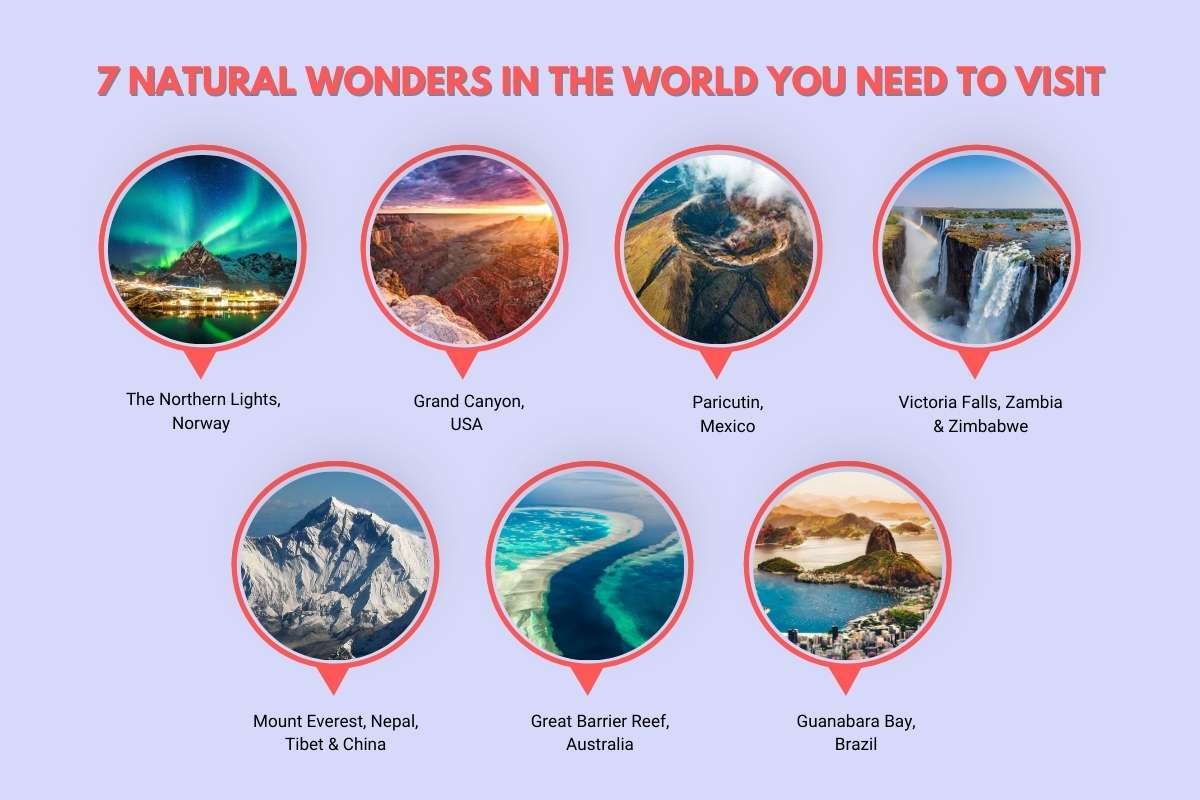
Sugarloaf Mountain earns a strong place among the largest monoliths because of its iconic dome-shaped granite form rising directly above Rio’s harbor. Although not the tallest, its exposure, shape, and geological purity make it a classic monolith. It formed due to the slow cooling of magma that later became exposed as softer rocks eroded. The mountain has been an important navigation landmark for centuries, and today it is one of Brazil’s most recognized natural features.

5. Sigiriya (Lion Rock), Sri Lanka

Location: Central Province, Sri Lanka
Height/Weight: About 180 meters above the plains
Sigiriya is one of the world’s largest monoliths because it is a massive volcanic rock column rising sharply from flat land. Its fame comes from both its size and its history. In the 5th century, King Kashyapa built a fortress and palace on top of it, turning the monolith into a royal stronghold. The rock’s origin lies in magma that hardened within a volcano millions of years ago. Over time, the outer part eroded, leaving the hardened center we see today. Its unique mix of geology and ancient civilization gives it a respected place among global monoliths.
6. Devils Tower, USA

Location: Wyoming, United States
Height/Weight: Around 386 meters above the plain
Devils Tower is considered the largest monolith due to its distinctive structure and huge size. It is a massive igneous formation made of columnar basalt that rises like a pillar. Native American tribes consider it sacred, and stories about its formation appear in many cultural legends; that’s why it is one of the largest monoliths in the world. Geologists believe it formed when magma cooled underground and later became exposed as softer surrounding rocks eroded. Its straight, vertical columns make it one of the most recognizable monoliths in the world.
7. Rock of Gibraltar

Location: Gibraltar (British Territory)
Height/Weight: About 426 meters high
The Rock of Gibraltar stands out due to its massive limestone formation rising at the entrance of the Mediterranean Sea. Its size and strategic location gave it great military value throughout history. The monolith formed from Jurassic limestone layers uplifted by tectonic activity. Over time, erosion created cliffs and caves. It has been used by many civilizations, including the Moors, the Spanish, and the British, making it both a natural and historical monument.
8. Peña de Bernal, Mexico

Location: Querétaro, Mexico
Height/Weight: Rises about 350 meters above the town
Peña de Bernal is one of the tallest volcanic plug monoliths and naturally belongs to the largest monoliths in the world. It formed when ancient lava cooled inside a volcano, leaving a hard rock core. Over millions of years, erosion removed the outer layers, exposing the giant stone tower. Local legends and energy beliefs surround it, and it draws thousands of visitors during equinox festivals. Its size and dramatic shape make it an impressive natural landmark.
9. El Peñón de Guatapé, Colombia

Location: Antioquia, Colombia
Height/Weight: About 220 meters above the terrain
El Peñón de Guatapé is included among the world’s largest monoliths because it is a massive granite block that rises sharply from the surrounding land. It formed from cooled magma deep underground. Over ages, the surrounding rock eroded and the monolith became exposed. Locals long admired it, and today it features a famous staircase built in a crack along the rock, allowing people to climb to the top. Its unusual textures and height make it a standout natural structure.
10. Pedra da Gávea, Brazil

Location: Rio de Janeiro, Brazil
Height/Weight: About 842 meters in elevation
Pedra da Gávea is a notable monolith, although geologists debate its classification. It is a huge granite and gneiss rock formation rising near the Atlantic coast. The rock contains unique patterns that some interpret as ancient carvings, though this is unproven. Wind and rain shaped it over millions of years, and its enormous size has made it a famous challenge for hikers and climbers.
11. Mount Augustus, Australia

Location: Western Australia
Height/Weight: About 715 meters above the surrounding land
Mount Augustus often appears in discussions about the largest monoliths in the world, although experts debate whether it is a true monolith. It is much larger in area than Uluru, but it may not be a single block of rock. Instead, it may be part of a folded structure. Still, its sheer size and ancient geology, estimated to be over a billion years old, make it one of Earth’s most impressive rock formations.
12. Savandurga, India

Location: Karnataka, India
Height/Weight: About 1,226 meters in elevation
Savandurga is one of India’s most famous entries in the largest monoliths, known for its massive granite hill. It formed from volcanic activity and weathering that exposed the hard rock. Historically, it served as a natural fortress for local rulers. The steep slopes, caves, and forested base make it a popular trekking spot. Its size and prominence above the landscape give it a place in the global list.
13. Aso Rock, Nigeria

Location: Abuja, Nigeria
Height/Weight: About 400 meters above the plains
Aso Rock is a monumental granite block. It dominates the skyline of Nigeria’s capital and is deeply tied to the country’s history and governance, and easily ranks largest monoliths in the world. Government buildings sit at its base. The monolith formed from volcanic activity and erosion long before human settlement. Its size and national symbolism make it an important natural landmark.
14. El Capitan, USA

Location: Yosemite National Park, California
Height/Weight: Nearly 900 meters of vertical rise
El Capitan is a towering granite wall, even though some classify it as part of a larger massif. It is famous for its sheer vertical face, which often includes the largest monoliths in the world, attracting elite rock climbers from around the world. It formed from cooled granite uplifted by tectonic forces. Over time, glaciers carved away surrounding rock, exposing the huge vertical cliff we see today. Its size and iconic shape make it one of the most recognizable rock formations on Earth.
15. Madhugiri Betta, India

Location: Karnataka, India
Height/Weight: About 485 meters above terrain
Madhugiri Betta is a massive granite hill and a strong entry in the world’s largest monoliths list. It formed through volcanic processes and erosion that left a rounded rock rising above farmlands and villages. Historically, kings built a fort along its slopes, adding cultural depth to its natural form. Its large size, smooth surface, and imposing presence make it an important geological landmark in southern India.
How do they calculate these Rankings of the Largest Monoliths in the World?
Ranking the largest monoliths in the world involves several geological and measurement challenges. Here’s how experts approach it, in plain terms:
1. Definition of Monolith:
First, geologists clarify what counts as a monolith: a single massive rock, or rock formation, made of one continuous piece of rock (igneous, metamorphic, or sedimentary) with minimal joints, generally exposed above its surroundings. The term comes from Greek monós (single) + líthos (stone).
2. Measurement of Height/Prominence:
The height (or rise) above the surrounding terrain is measured, how far the rock rises from its base plain or surrounding landscape. That tells us how “tall” it appears. Sometimes elevation is given, but what matters for “largest monoliths in the world” is the rise or exposed portion.
3. Circumference or Surface Extent:
Experts sometimes measure the horizontal extent, its circumference, or footprint, to judge how “massive” the rock is. A rock that is very wide but of modest height may still rank highly.
4. Volume or Mass (Weight):
Some rankings include estimated volume or weight of the rock mass, though direct measurement is hard. Using surface area, height, and rock density, approximate mass can be calculated. This adds a sense of “largest” in terms of material.
5. Exposed vs. Embedded:
Because many large rocks extend underground, only the exposed portion is compared. Some lists note that the bulk of the rock may be hidden below the surface. For example, the source of one list states that there is no official, authoritative ranking because many monoliths extend underground.
6. Validity and Consensus:
Because definitions and measurements vary, what counts as a monolith, how much height makes “largest”, no single world body maintains a definitive ranked list of the world’s largest monoliths. Different travel/geology sites produce their own.
7. Geological and Historical Verification:
Verification includes geological study (rock type, formation), historical sources (age, exposure), and, in some cases, cultural/human documentation (e.g., local naming, use).
So when we talk about the “largest monoliths in the world,” we are relying on the best available measurements and widely-recognised claims, but must accept there is variation.
Facts & Stats Related to This Blog
- According to the Guinness World Records, the largest exposed sandstone monolith in the world is Uluru, which rises 348 m above the surrounding plain.
- One travel list identifies Uluru, Zuma Rock, Sugarloaf Mountain, Sigiriya, Devils Tower, Ben Amera, and Torres del Paine as among “the world’s largest natural monoliths”.
- A Treehugger article states that although there is no definitive official ranking of the largest monoliths in the world, examples listed include Uluru, Ben Amera, El Capitan, Peña de Bernal, Devils Tower, Sigiriya, El Peñón de Guatapé, and Zuma Rock.
- The word monolith stems from the Greek “monolithos,” meaning “single stone”.
- There are variations and debates: for instance, whether Mount Augustus counts as the largest monolith in the world or whether its formation disqualifies it.
FAQs
1) Which is the largest monolith on Earth?
Uluru (Ayers Rock) in Australia is often called the largest exposed sandstone monolith. However, definitions vary, so some sources list other rocks depending on how “monolith” is defined.
2) Why are monoliths important?
Monoliths help us understand Earth’s history, geology, erosion, and ancient cultures. Many of the largest monolithsin the worldare major landmarks, spiritual sites, and natural wonders.
3) What makes Uluru special?
Uluru stands out for its huge size, colour-changing surface, and deep cultural meaning for the Anangu people. It is widely recognised as one of the top monoliths in the world.
4) How are monoliths formed?
They form when hard rock survives erosion while softer rock around it disappears. Over millions of years, this leaves a single massive rock rising from the ground.
5) What is the difference between Uluru and Mount Augustus?
Uluru is accepted as a true monolith because it is one solid rock. Mount Augustus is bigger in area but may be part of a larger rock system, so some geologists don’t classify it as a single monolith.
Conclusion
Every time you laugh at a rock joke or pump your fist at a marvellous tale, remember: the largest monoliths in the world are proof that standing tall, being a bit odd, and never moving when life gets tough are “rock solid” qualities.
These famous boulders bring stories of awe, smiles, and inspiration long after you leave their shadow. Keep calm and rock on, these stone giants will always be there, showing that mother nature and human curiosity make the best blockbuster team.
Thanks for reading
see next
“15 Largest Pyramids in the World Reveal Ancient Power and Modern Surprises“