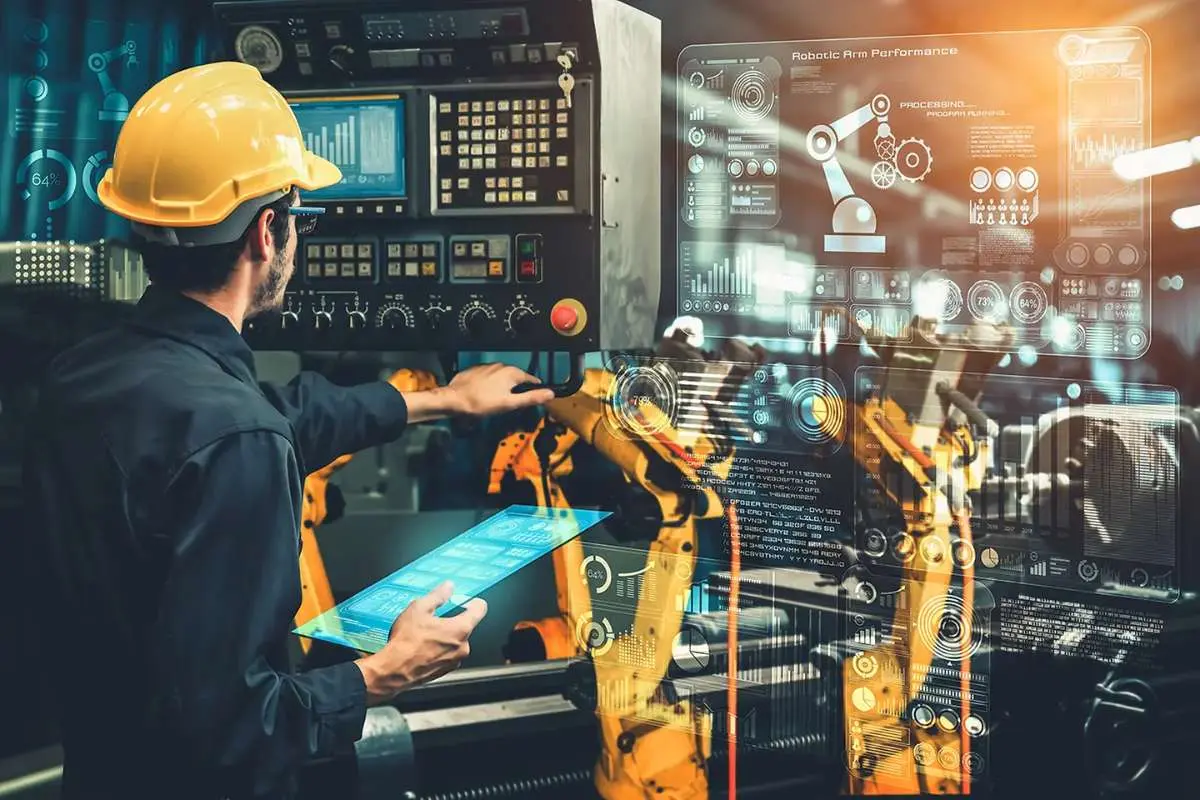
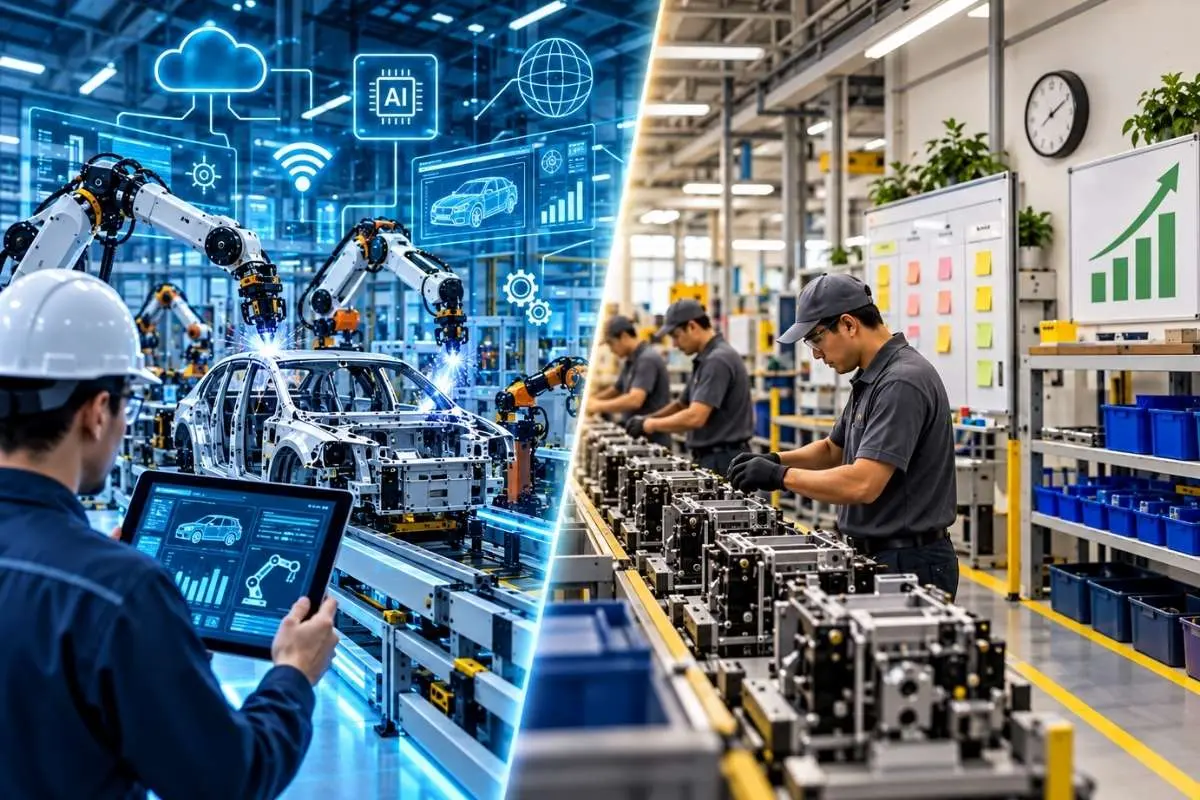
Manufacturers face growing pressure to focus on Future-Proofing Equipment that can withstand extreme conditions without sacrificing performance. From ocean rigs to desert sites, these systems must last longer, work harder, and demand less maintenance. By combining strong materials, smarter design, and advanced monitoring, they aim to extend equipment life while ensuring reliability in the harshest environments.
This approach focuses on creating durable tools that handle heat, corrosion, vibration, and dust with less risk of failure. Each improvement reflects a step toward more dependable, low-maintenance systems that operate efficiently in demanding environments.
5 Future-Proofing Equipment Strategies for Harsh Environments:
1. Advanced corrosion-resistant coatings
Manufacturers now focus on improving coating materials to extend equipment life in demanding environments. They use specialized formulas that block moisture, chemical contact, and salt exposure. These coatings prevent rust and surface damage that would otherwise shorten the lifespan of parts.
Many new coatings rely on ceramic, polymer, or nanocomposite layers. Each type offers different protection levels based on the environment—such as offshore, desert, or industrial sites. Engineers test these coatings under conditions that mimic heat, humidity, and chemical exposure.
Some companies add self-healing properties to coatings. When small scratches appear, the material repairs itself and keeps the surface sealed. This reduces the need for frequent maintenance and keeps equipment working longer.
By combining advanced materials and testing, manufacturers create coatings that perform better and last longer than older versions. This steady progress makes machinery more reliable where corrosion once caused costly failures.
2. Use of stainless steel 316L components
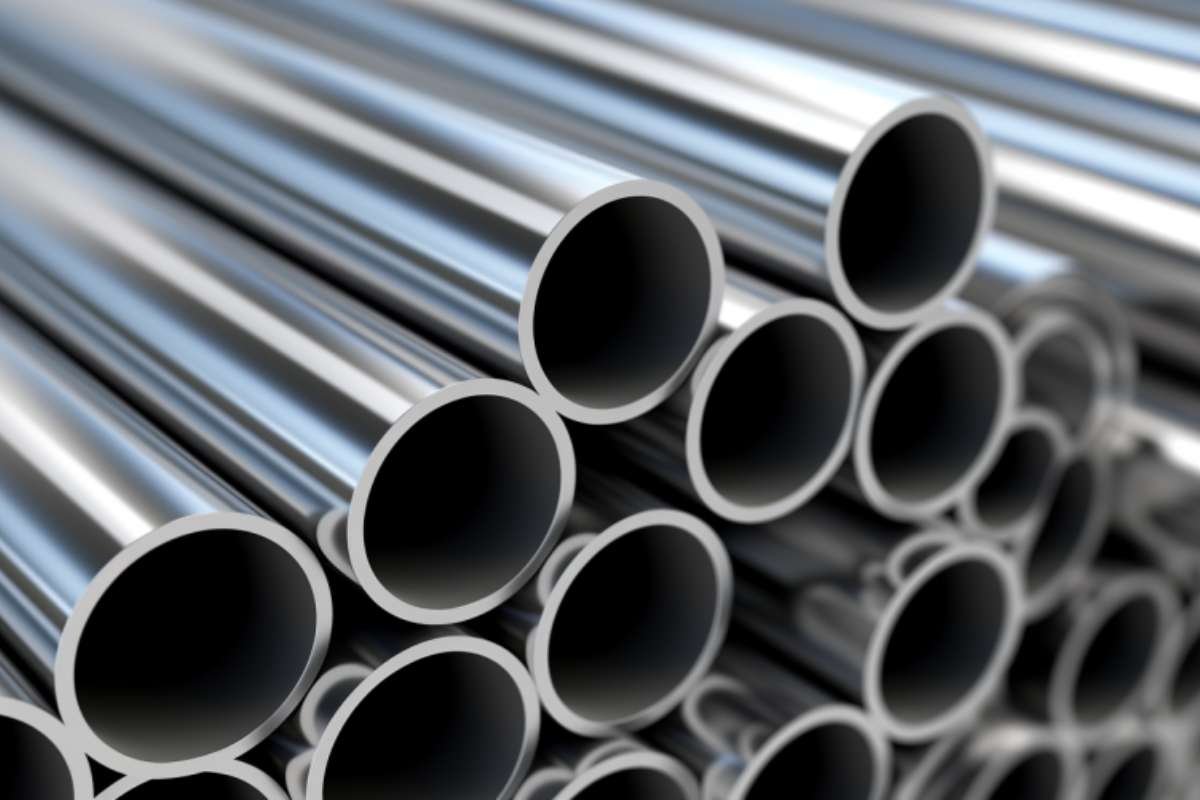
Manufacturers often choose stainless steel 316L because it resists corrosion from moisture, salt, and chemicals. This grade holds its strength in both hot and cold conditions, which helps equipment last longer in harsh environments.
Its low carbon content reduces the risk of rust or metal fatigue. That means welds and joints stay durable even when exposed to high pressure or vibration. In marine, food processing, and chemical industries, this reliability prevents frequent part replacement.
316L also provides a clean, non-reactive surface that supports hygienic design. It is easy to clean and maintain, making it suitable for sensitive applications where contamination control matters. Many companies apply it to enclosures, fittings, and stainless steel nameplates for lasting identification.
Future-Proofing Equipment often involves using stainless steel nameplates to ensure labels remain readable after exposure to heat, chemicals, or outdoor weather. By combining etched or printed markings with corrosion‑resistant material, manufacturers can maintain consistent records and support safety compliance in demanding environments.
3. Integration of vibration dampening mounts
Manufacturers use vibration dampening mounts to protect equipment from constant movement and impact. These mounts reduce stress on sensitive parts and prevent small vibrations from causing long-term damage.
They often choose rubber, silicone, or specialized polymers for flexibility and durability. Each material absorbs energy differently, allowing engineers to match mount characteristics to the machine’s weight and operating conditions.
By isolating vibration at its source, the mounts help maintain alignment and precision in rotating or moving components. This reduces wear on bearings, connectors, and fasteners over time.
Modern designs also combine mounts with sensors that track motion and performance changes. This helps technicians detect early signs of imbalance or mechanical fatigue before major repairs are needed.
4. Deployment of sealed electrical enclosures
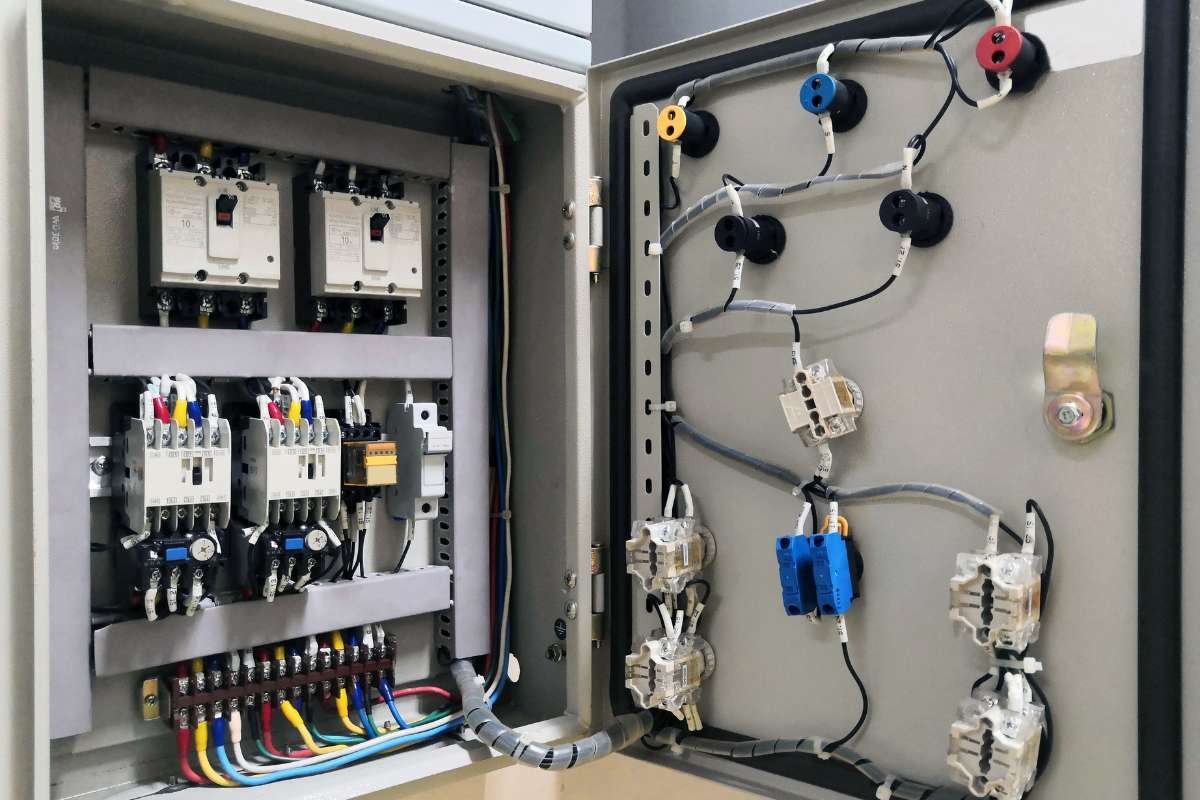
Manufacturers use sealed electrical enclosures to protect sensitive components from dust, moisture, and debris. These enclosures help maintain consistent performance even when equipment operates in areas with high humidity or airborne particles.
They design the enclosures with precise gaskets and seals that block water and contaminants. Many use standardized ratings, such as IP or NEMA, to confirm the level of protection. This allows engineers to match enclosure performance to the conditions of the field.
In environments with salt, oil, or chemicals, corrosion is a major risk. Sealed enclosures reduce this problem by preventing direct contact between harmful substances and internal circuits. This extends the service life of electrical parts and reduces maintenance needs.
Future-Proofing Equipment often requires manufacturers to select durable materials such as stainless steel or reinforced plastics for housings. Rigorous testing under extreme temperatures and vibration ensures that seals remain secure over time. By applying these practices, they achieve reliable operation even in the most demanding conditions.
5. Implementation of real-time sensor monitoring
Manufacturers now rely on real-time sensors to track how machines perform under extreme conditions. These sensors measure vibration, temperature, humidity, and pressure. They send data instantly, allowing maintenance teams to respond before issues cause downtime.
Continuous monitoring helps detect small changes that could indicate wear or contamination. By catching these signals early, companies prevent equipment damage and extend service life. This approach supports more accurate maintenance scheduling.
Many manufacturers integrate sensors with cloud-based systems for faster data analysis. This makes it easier to compare performance across multiple sites. The collected information also helps engineers improve future equipment designs.
Real-time monitoring provides a reliable way to maintain safety and efficiency in harsh settings. It ensures machines operate within safe limits and reduces unexpected failures.
Engineering Challenges and Environmental Factors
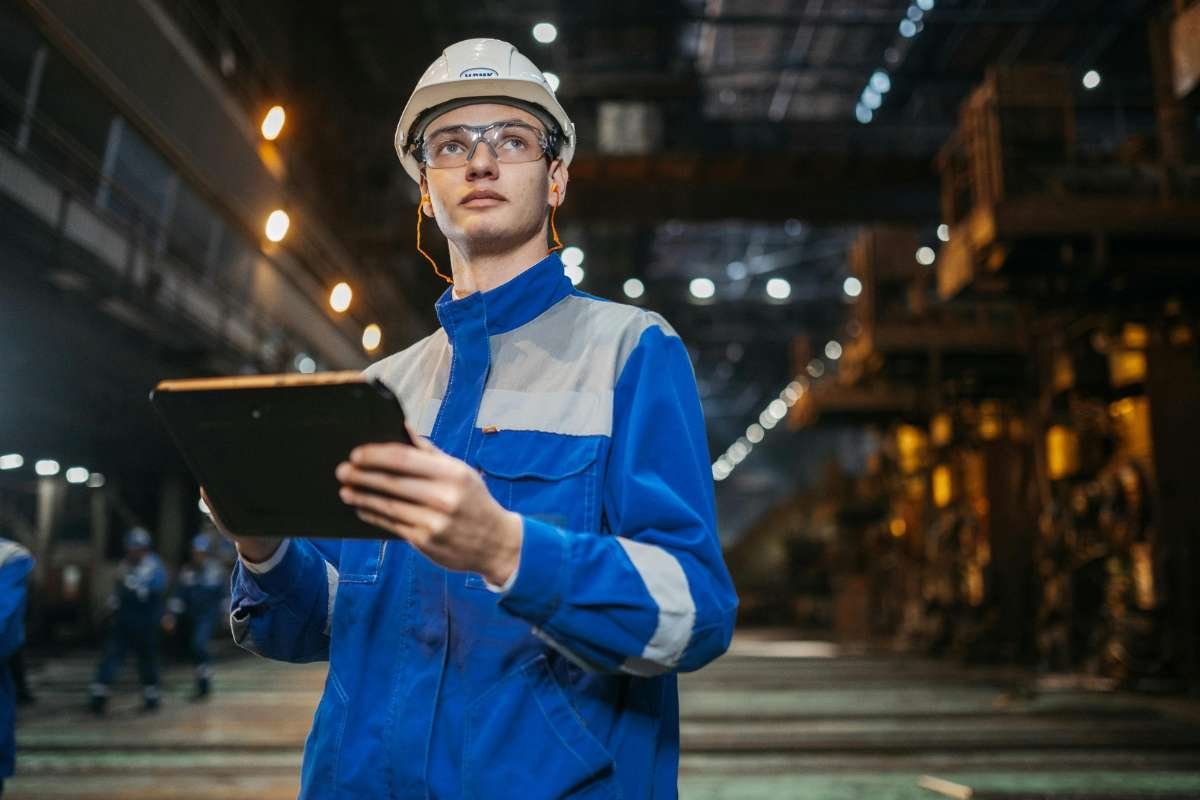
Future-Proofing Equipment requires manufacturers to carefully manage the interaction between materials, temperature, and moisture. Without early design considerations, chemical reactions, heat swings, and water intrusion can shorten equipment life or reduce performance. By addressing these factors upfront, reliability and durability are significantly improved in harsh conditions.
Corrosion and Material Degradation
Corrosion weakens metals through chemical reactions with oxygen, salt, and other contaminants. In marine or desert climates, this process can accelerate quickly due to high salinity or wind-blown sand. Common areas at risk include structural joints, fasteners, and exposed piping.
Engineers counter corrosion by selecting materials like stainless steel, titanium, or nickel-based alloys. Protective coatings such as zinc plating or epoxy paints create barriers that slow oxidation. In addition, anodizing aluminum increases surface hardness and resistance to pitting.
Environmental monitoring also plays a role. Sensors track humidity and surface temperature to predict corrosion rates. Design teams use this data to plan maintenance schedules or modify coatings for longer field life. Proper sealing and controlled galvanic pairing between metals further reduce the risk of degradation.
Temperature Extremes and Thermal Stress
High and low temperatures strain mechanical systems and electronics. Metals expand and contract, which can cause warping, cracking, or loosening of joints. Thermal cycling, where equipment repeatedly heats and cools, accelerates fatigue in welds and composite materials.
To handle this, manufacturers use materials with matched coefficients of thermal expansion. For instance, engineers combine carbon-fiber composites with lightweight metals to balance strength and flexibility. Electronic components receive thermal insulation and are mounted on heat sinks or cooling plates for consistent operation.
Testing chambers simulate extreme climates to assess system stability. Designers apply thermal analysis software to predict stress concentrations before production. These steps ensure that equipment maintains dimensional accuracy and functionality across wide temperature ranges.
Moisture and Humidity Impact
Future-Proofing Equipment requires careful protection against moisture, which can promote corrosion, short circuits, and mold growth inside sealed enclosures. Even trace humidity may reduce electrical insulation and cause premature wear on moving parts. In high‑altitude or coastal areas, wide humidity swings further challenge seals and adhesives, making robust design essential for long‑term reliability.
Manufacturers reduce water damage using IP-rated enclosures, compressible gaskets, and hydrophobic membranes. Internal desiccant packs absorb excess moisture, while conformal coatings shield circuit boards from condensation.
Regular environmental testing verifies seal integrity and checks for leaks. Proper material pairing—like using silicone or neoprene seals—maintains flexibility under pressure and temperature changes. These preventive strategies preserve reliability and extend service intervals in moisture-prone conditions.
Innovative Technologies Enhancing Equipment Durability
Manufacturers strengthen equipment life by protecting materials from corrosion, heat, and wear, and by adding digital tools that prevent failures before they occur. These improvements reduce downtime and extend maintenance intervals in extreme conditions.
Advanced Coatings and Surface Treatments
Future-Proofing Equipment often depends on modern coatings that block moisture, chemicals, and abrasion before they can damage exposed parts. Ceramic coatings withstand high heat and severe friction, enabling engines and turbines to perform reliably in tough environments. Polymer-based coatings provide strong barriers against corrosion in marine and industrial settings, while nickel, zinc, and chromium plating help limit oxidation on metal surfaces, extending equipment life.
Many companies use plasma spraying or physical vapor deposition (PVD) to apply coatings with strong adhesion and precise thickness. These methods improve hardness and reduce surface friction. In addition, nanostructured films add extra durability by filling microscopic gaps that allow cracks to form.
| Coating Type | Primary Benefit | Common Applications |
| Ceramic | Heat resistance | Turbines, exhaust systems |
| Polymer | Corrosion protection | Offshore equipment, pipelines |
| Metal plating | Oxidation control | Machinery parts, tools |
Regular testing of these coatings, such as salt spray or abrasion tests, helps ensure consistent performance under stress.
Smart Sensors for Condition Monitoring
Future-Proofing Equipment increasingly relies on smart sensors that constantly track temperature, vibration, and pressure to detect wear before failure occurs. By identifying even small changes, maintenance teams can act early rather than waiting for damage, preventing costly and unexpected shutdowns while ensuring long‑term reliability.
Sensors now connect through wireless networks and edge computing systems that process data on-site. This reduces delays and enables faster decision-making in remote locations. Algorithms can analyze the data to identify abnormal trends.
Some manufacturers use self-powered sensors that harvest energy from heat or motion, lowering maintenance needs. The collected data often feeds into predictive maintenance software, which schedules service at the most efficient time. As a result, equipment operates longer with fewer interruptions and lower repair costs.
Read Next: The Impact of Manufacturing Maintenance Software on Equipment Lifespan