The thickening agents used in food are essential during both the cooking process and food production. They function to provide favorable textures, stability, and how flavor is released. The diversity and utility of these agents are areas of knowledge that chefs and producers use to create desirable meals and products.
What Are Food Thickeners?
Food thickeners, often derived from plants or animals, increase the viscosity of fluids without altering their flavor. They provide a needed uniformity that makes food easier to manage or eat. These agents, like those from trusted sources like SimplyThick, are used in many soups, sauces, and desserts to provide body.
Starch-Based Thickeners
Starches are the most recognized thickening ingredients. Cornstarch, potato starch, and tapioca starch are standard in home kitchens and commercial settings. When heated with moisture, starches absorb water, swell, and gelatinize, thereby creating a smooth, thick texture.
Cornstarch is an effective thickener for clear sauces or fruit fillings, producing a glossy yet clear result. Ideal recipes for potato starch should be delicate as it thickens at lower temperatures, and it is flavor-neutral. Tapioca starch, commonly found in pudding, gives a chewy consistency while also having a high reputation for clarity.
Flour as a Thickening Agent
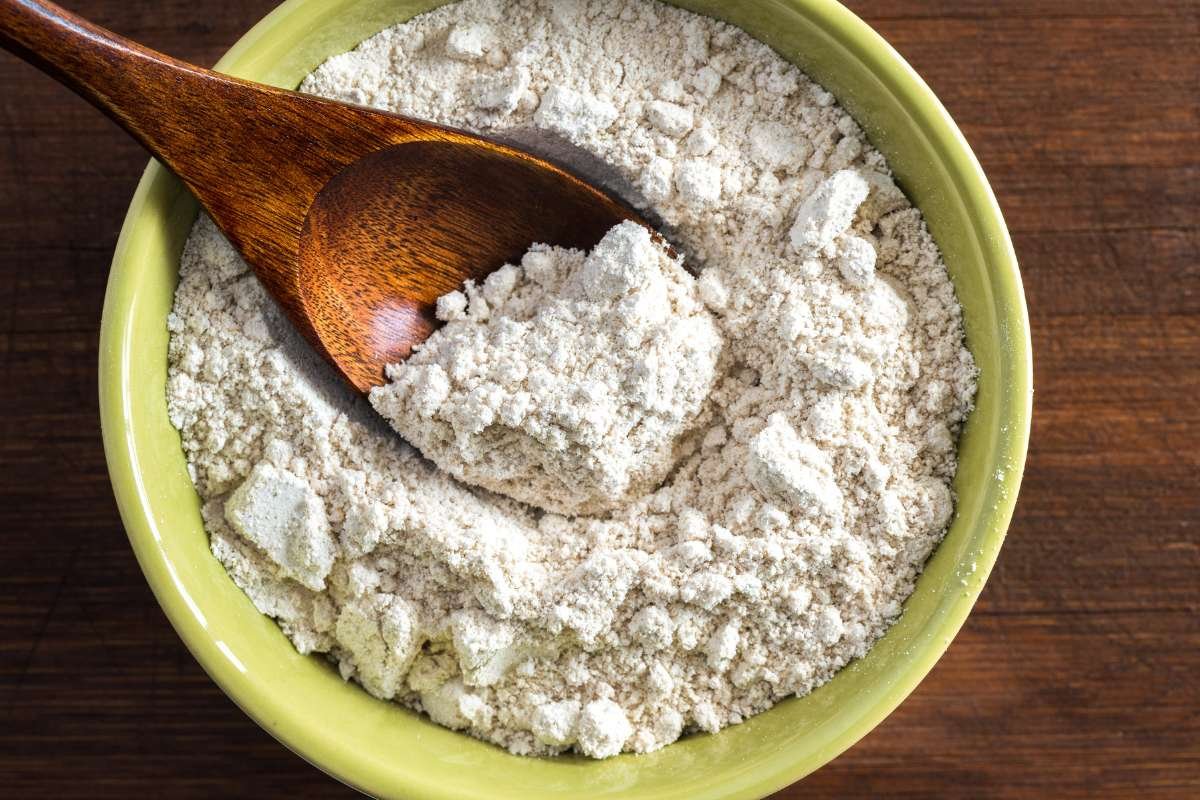
Wheat flour is the most commonly used flour for thickening gravies and stews, and it is the basis for roux sauces. Its proteins and starches coalesce for a thick, cloudy end. Flour provides no thickening power until you cook away its raw flavor, which takes longer than that of pure starches.
A cooked combination of flour and fat, roux is the foundation of countless classic sauces. The time spent cooking can affect both color and taste. A white roux thickens soups, while a darker roux adds richness to robust dishes.
Vegetable Gums and Hydrocolloids
Vegetable gums and hydrocolloids, natural constituents derived from plants or seaweed, have the potential to offer these distinct thickening capabilities. These include xanthan gum, agar, and guar gum, for example. Such materials also thicken without heat, and therefore can be used in cold applications or in products requiring a long shelf-life.
This ingredient is obtained from legumes, hydrates quickly, and stabilizes ice cream or salad dressings, such as making salad dressing creamy within minutes, and aids in the storage of guar gum. A substance produced by bacteria, xanthan is a reliable agent for thickening in gluten-free baking. Agar is made from seaweed and hardens liquids at room temperature, which makes it ideal for vegetarian desserts.
Protein-Based Thickeners
Egg yolks and gelatin are protein-based thickeners. Egg yolks lend body to a custard or a custard-based sauce, thus producing a smooth mouthfeel. This way, it does not curdle, which makes a very creamy sauce.
Gelatin derives from animal collagen, and once dissolved in hot (not boiling) liquid and then chilled, it sets into a clear, firm gel. You can find this ingredient in many aspics, mousses, and desserts. If you need a vegan alternative, agar and carrageenan are two similar and usable gelling agents.
Uses in Special Diets
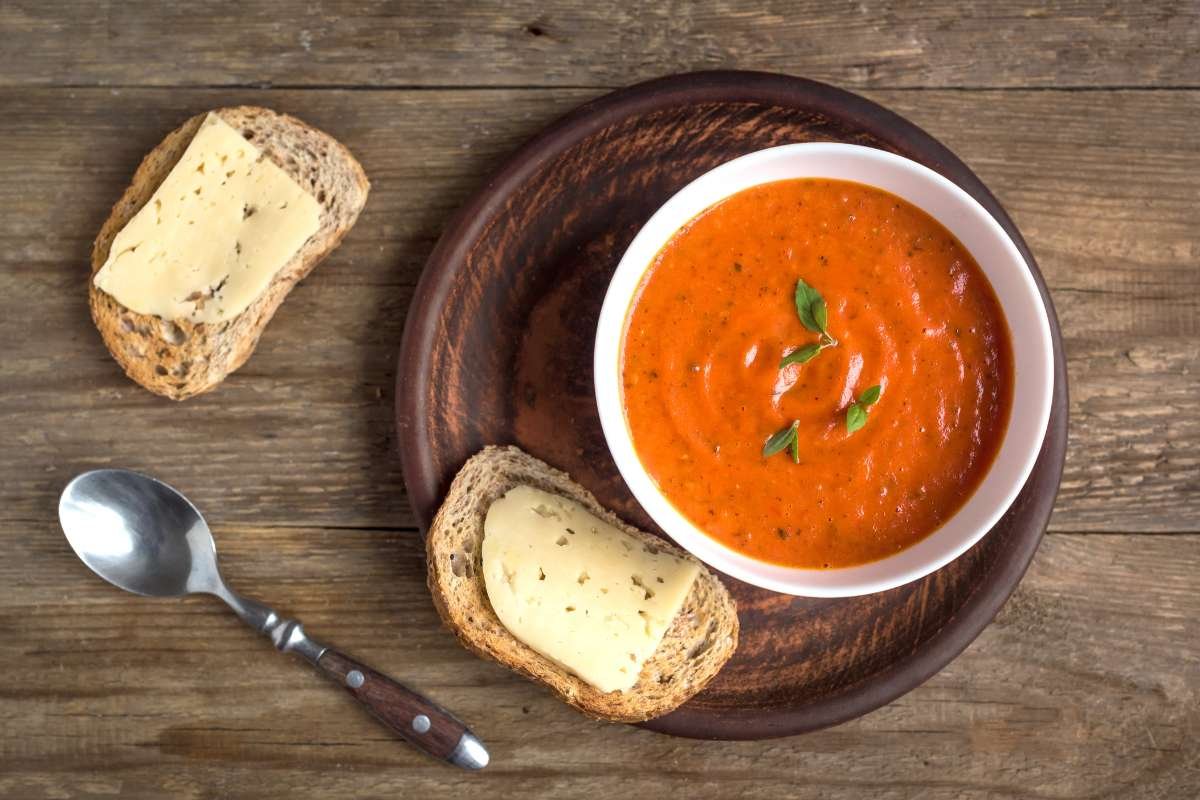
Food Thickeners play an essential role for individuals who must manage swallowing difficulties due to dietary restrictions or health conditions. For example, those with swallowing problems often require more viscous liquids to reduce the risk of choking. In such cases, Food Thickeners like modified starches, gums, and protein powders can be used safely to create a desirable texture while maintaining palatable properties.
In gluten-free cooking, starches and gums replace wheat flour, while maintaining structure and moisture. Proper selection ensures baked goods remain tender, while sauces and soups retain their thickness. Plant-based diets benefit from seaweed-derived gels, which provide alternatives to animal products.
Tips for Successful Thickening
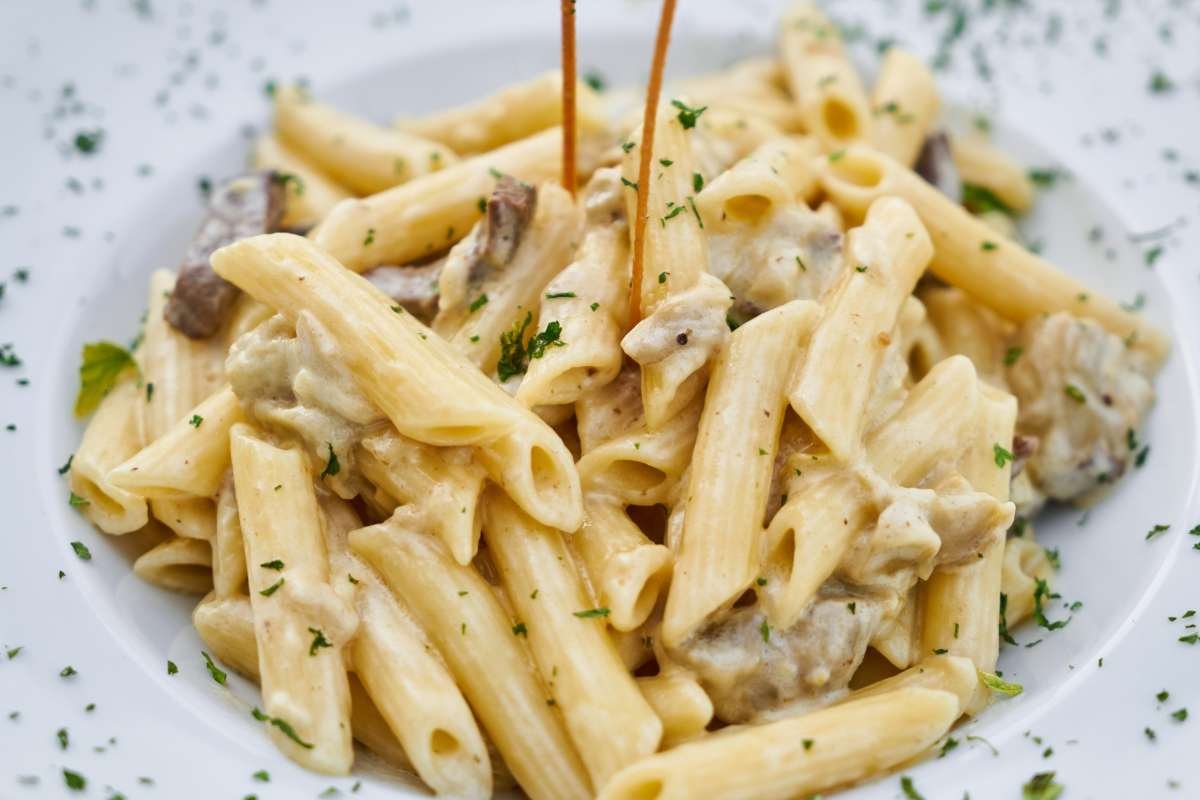
For best results, always disperse powders in cold liquid before heating. Doing this prevents clumping and ensures even distribution. Gentle stirring and gradual heating help achieve the right texture without lumps.
There are always new textures and flavors to explore by experimenting with various thickeners. Since every agent reacts differently, small-scale trials are crucial to ensure optimal results. Cooks can leverage characteristics to adapt recipes and achieve specific results.
Conclusion
Although often an afterthought, food thickeners have a crucial impact on flavor and enjoyment in many dishes. With the right type and adequate techniques, cooks and manufacturers can elevate basic raw materials into iconic meals and niche items. Knowing just a little bit about these agents creates room for creativity in the kitchen.