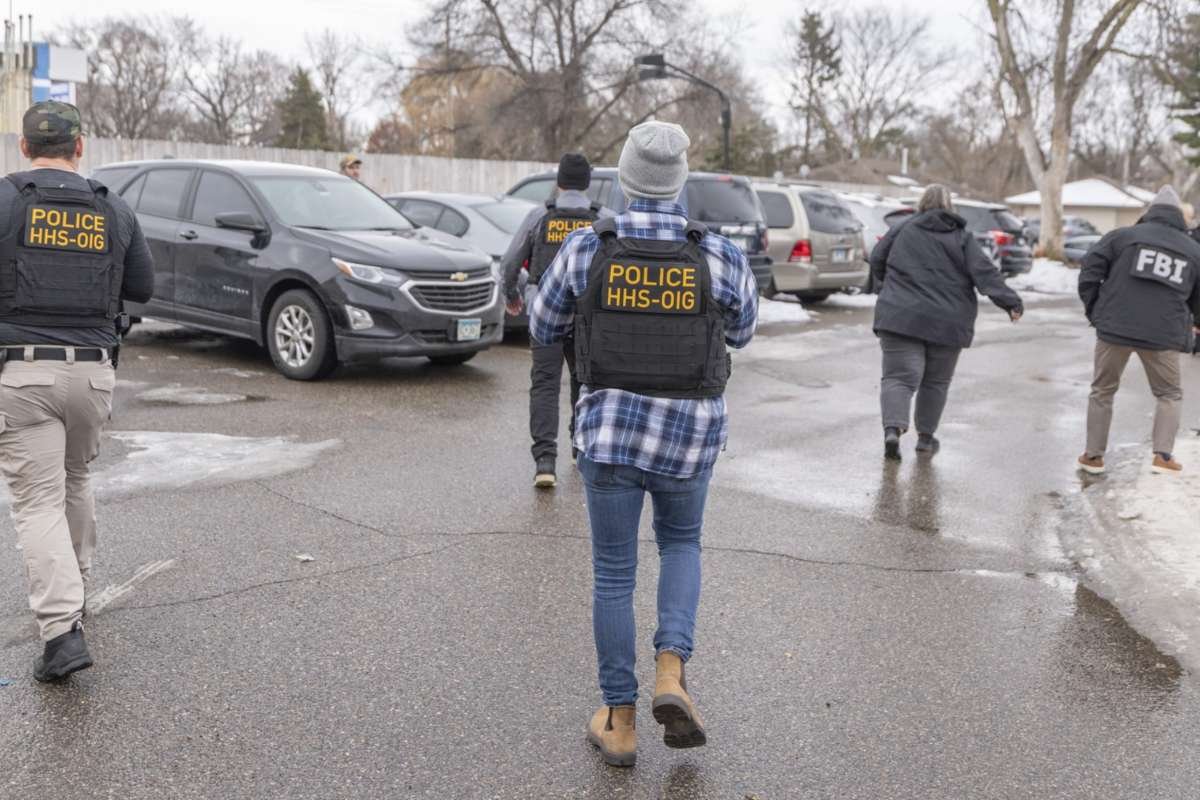
Key Points:
- FBI in Minnesota cracks down on $250M pandemic fraud.
- Political debate rises over oversight failures and reforms.
- Fraud probe widens to other aid programs nationwide.
Federal authorities have significantly escalated their investigation into large-scale fraud operations in the FBI in Minnesota after uncovering a scheme involving an estimated $250 million in misused public funds. The Federal Bureau of Investigation has deployed additional agents, financial analysts, and prosecutors to the state, signaling a broader crackdown on what officials describe as deeply entrenched abuse of federal assistance programs.
FBI Director Kash Patel stated that the uncovered case represents only a fraction of a much larger problem. According to the bureau, the scheme exploited pandemic-era food assistance programs intended to support vulnerable children. Instead, funds were allegedly siphoned through sham organizations, falsified meal counts, and fabricated service records. The investigation has already led to dozens of indictments and convictions, with charges including wire fraud, money laundering, and conspiracy.
Officials emphasized that the bureau’s intensified presence began well before recent online attention brought renewed focus to the issue. Investigators believe that similar methods may have been used across multiple programs, prompting a comprehensive review of financial records, nonprofit operations, and funding approvals statewide.
Political Fallout and Public Scrutiny Grow
The revelations have sparked intense political debate and public scrutiny in the FBI in Minnesota. Opposition lawmakers have criticized state oversight mechanisms, arguing that systemic failures allowed fraudulent organizations to operate unchecked for years. They have called for tighter controls, enhanced auditing standards, and greater accountability within state agencies responsible for distributing federal funds.
State leadership, however, has defended its response, pointing to ongoing reforms aimed at strengthening fraud detection and prevention. Officials maintain that audits were expanded, high-risk programs were shut down, and law enforcement referrals were made once irregularities were identified. The state has reiterated that fraud undermines public trust and diverts resources away from those who genuinely need assistance.
At the same time, community leaders and advocacy groups have urged caution against broad generalizations. They warn that focusing on specific communities risks unfair stigmatization and stress that criminal investigations should remain evidence-based and targeted at individuals responsible for wrongdoing, not entire populations.
Broader Implications and What Comes Next
Federal investigators believe the Minnesota case may be part of a wider pattern of fraud linked to emergency relief programs introduced during the COVID-19 pandemic. Authorities are now examining whether similar networks operated across healthcare, housing, education, and social welfare programs, potentially pushing total losses into the billions.
The FBI has indicated that financial tracking efforts will continue, with a focus on recovering misused funds and identifying additional co-conspirators. Officials have also warned that individuals found guilty may face severe legal consequences beyond prison sentences, including asset forfeiture and, where applicable, immigration-related actions.
As the investigation expands, the FBI in Minnesota is expected to remain a focal point in the national conversation around safeguarding public funds and reforming oversight of large-scale aid programs. Law enforcement agencies have made it clear that further arrests and charges are likely, reinforcing the message that fraud against public programs will be pursued aggressively and without exception.