Law firms expanding into EMEA or APAC quickly find that traditional systems cannot keep up. Teams need fast information sharing, consistent security, and unified client service across multiple time zones. Cloud platforms provide the infrastructure for this growth, supporting distributed work, compliance, and standardized operations.
The American Bar Association reports rising cloud adoption driven by firms seeking reliability and collaboration. Expansion also complicates billing, access, and conflict checks, pushing firms to consolidate tools and adopt cloud platforms built for global workflows.
What Cross-Border Law Firms Need From the Cloud?
Scaling is more than copying your workflows into another region. Each jurisdiction adds new rules, expectations, and risks. Research from Matteroom on global legal operations shows that privacy, AI oversight, and regional data practices vary widely between EMEA and APAC, and firms need flexible systems to handle that mix.
Below are three core challenges that global law firm management software faces:
- Handling data residency without slowing down collaboration
- Managing time zone workflows between dispersed teams
- Keeping billing, compliance, and access controls standardized
These challenges show why global law firm management software needs cloud platforms that can scale without extra complexity.
Seven Pillars of global law firm management software
1. Data Residency and Compliance

EMEA and APAC both include regions with strict data-residency requirements. Some countries require that client data never leave national borders. Others allow cross-border transfers only with strong contractual and security frameworks.
Cloud platforms with region-specific storage, encryption controls, and clear audit logs make it possible for firms to manage these requirements without running different tools in every office.
2. Cross-Border Conflict Checks
Conflict databases must stay accurate regardless of office location. When firms rely on local servers or spreadsheets, they risk duplicates, delays, or missed matters.
Cloud-based conflict tools can run checks in real time by giving every office access to the same global data. This lowers risk and makes opening new matters significantly faster.
3. Multilingual Billing and Localized Finance
Global operations mean different tax codes, currencies, invoice formats, and client expectations. Firms need billing that can be adapted by region while still syncing with a central system. This ensures partners can understand firm-wide performance and prevents offices from drifting into siloed finance practices.
4. Time Zone Workflows

When teams are twelve hours apart, workflow automation becomes essential. Simple things like approval chains or client document sharing need routing logic that accounts for who is online, who is off shift, and how work should move overnight.
5. SSO, Role-Based Access, and Security
International firms constantly onboard and offboard people. SSO and role-based access give IT teams tighter control while avoiding inconsistent permissions. Security guidance from the ABA’s TechReport emphasizes the importance of unified authentication policies and documented access audits when firms operate globally.
6. Vendor Risk and Disaster Recovery
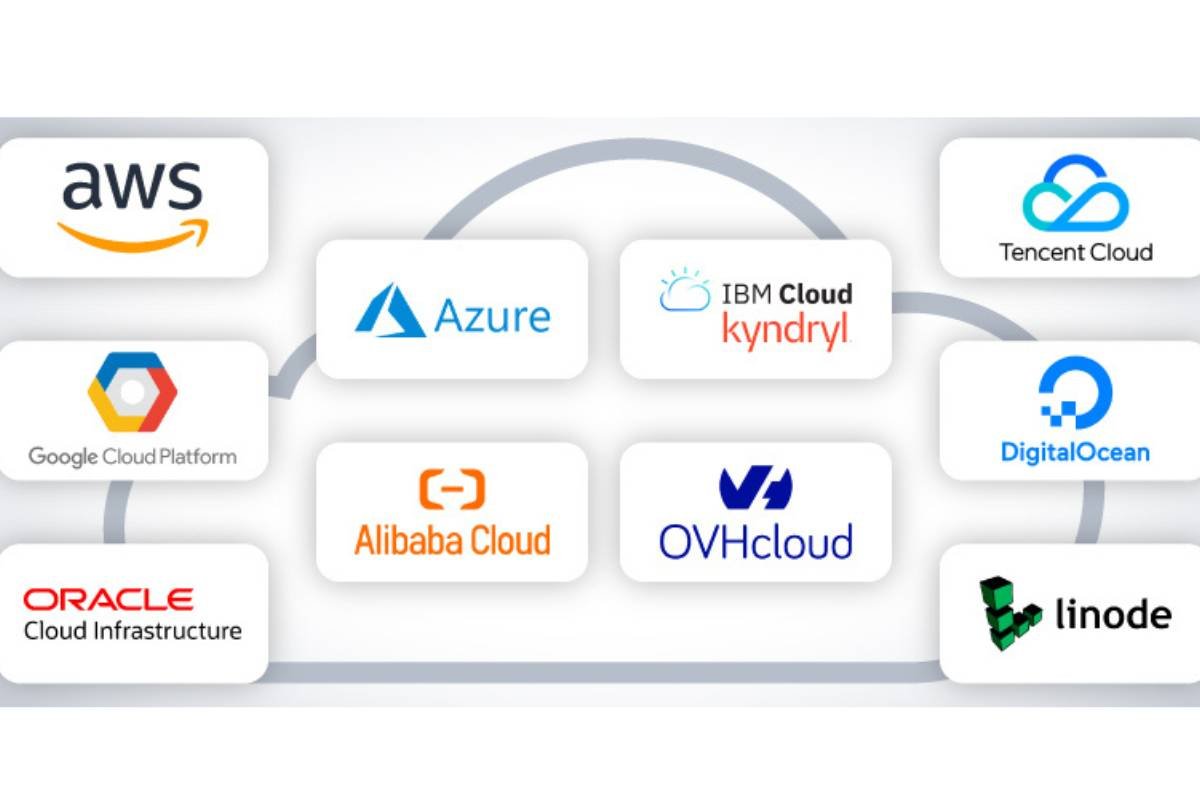
Global law firm management software needs vendors that support multiple regions, multiple availability zones, and clear incident response protocols. Backup locations, redundancy, and recovery time objectives matter more when a firm operates in multiple jurisdictions.
A cloud vendor with distributed infrastructure can ensure that an outage in one region does not disrupt work elsewhere.
What a Cloud Practice Platform Must Provide?
When firms choose technology to support international growth, they often evaluate whether their systems can consolidate work onto a single accessible platform. This is where features like unified matter management, automated billing rules, and secure document workflows become essential. A clear view of modern platform expectations emerges from a concise look at law firm management software, which shows how firms use consolidated tools to support timekeeping, billing, security controls, and remote collaboration.
An Example of Cloud-Driven Consolidation
A mid-sized London firm expanding into Singapore and Dubai initially uses separate billing and document systems, making reporting inconsistent, conflict checks manual, and IT onboarding slow. After shifting to a single cloud platform, billing aligns across regions, matter data is centralized, discovery and review work across offices, and timekeeping connects directly to global finance.
The cloud removes the friction of siloed systems, giving the firm unified workflows and smoother international operations. This improved global visibility isn’t just operational; it extends to establishing authority online as well. Building a solid website’s backlink profile supports a law firm management software’s search engine presence, helping new international offices become trusted, recognizable names in their local markets.
Preparing People for the Shift
Technology is only half the challenge. Firms need training, clear workflows, and leadership support to drive adoption. When teams understand consolidation’s value, systems deliver real impact. Watching cloud trends and the success of firms helps guide smoother global expansion.