Strong customer relationships sit at the heart of sustainable business growth. Regardless of sector, companies that understand their customers, respond quickly, and communicate consistently are better positioned to retain clients and grow revenue. Customer Relationship Management (CRM) systems exist to support exactly that goal, providing structure, visibility, and control over every stage of the customer journey.
This article explores what CRM for business growth are, why they matter, and how different industries use them to operate more effectively.
What a CRM Really Does
A CRM is more than a digital address book. It is a central platform that stores customer details, interaction history, sales activity, and operational notes in one accessible place. Emails, calls, quotes, jobs, and follow-ups are connected to a single customer record, allowing teams to see the full picture rather than fragmented information spread across inboxes and spreadsheets.
By centralizing data, CRMs reduce guesswork and ensure that every customer interaction is informed and consistent.
Why Businesses Rely on CRM Systems
As businesses grow, managing relationships manually becomes increasingly difficult. CRM for business growth helps teams stay organized and proactive rather than reactive.
Key benefits include improved visibility across sales and service activity, reduced administrative workload through automation, and clearer accountability across teams. Managers gain insight into pipelines and performance, while front-line staff benefit from having the right information at the right time.
Most importantly, CRMs help businesses respond faster and more personally, which directly impacts customer satisfaction.
CRM and Sales: Creating Structure and Momentum
Sales processes often involve multiple touchpoints, follow-ups, and decision-makers. Without a CRM, opportunities can stall or be forgotten altogether.
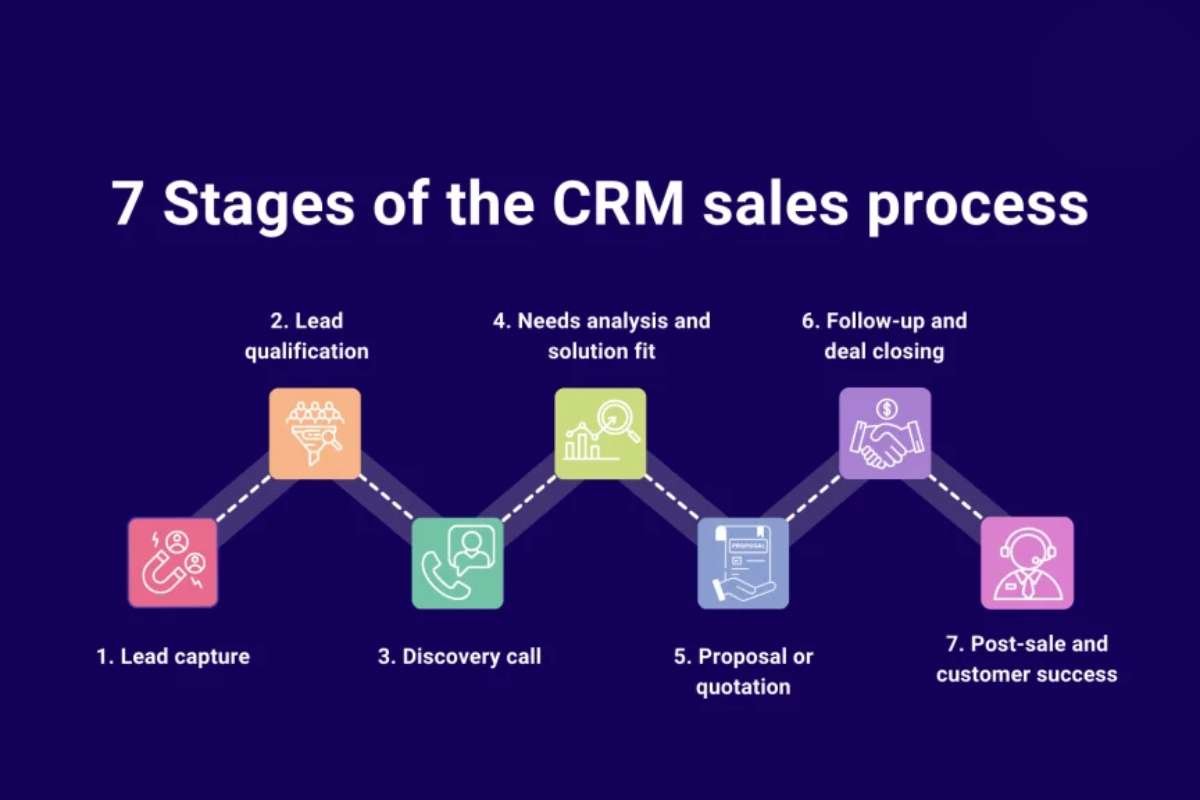
CRMs create structure by tracking leads, scheduling follow-ups, and visualizing pipelines. Sales teams can see where prospects are in the buying journey and prioritize their efforts accordingly. Automated reminders and task management help maintain momentum without relying on memory or manual notes.
This structure supports consistent performance rather than sporadic wins.
CRM and Customer Service: Consistency Builds Trust
Customer service teams benefit enormously from having immediate access to previous interactions, preferences, and issues. A CRM ensures that customers do not have to repeat themselves and that support staff understand context before responding.
Faster resolution times and more informed conversations lead to stronger trust. Over time, this consistency becomes part of a brand’s reputation rather than just an internal efficiency gain.
Industry-Specific CRM Use Cases
While core CRM functions remain similar, how they are used varies by industry.
Professional services firms rely on CRMs to manage long-term client relationships, proposals, and ongoing communication. Retail and ecommerce businesses use CRMs to track purchase history, segment audiences, and personalize marketing efforts. Healthcare and wellness providers use CRMs to manage appointments, follow-ups, and patient communication while maintaining appropriate sensitivity.
Trade and field-service businesses benefit from CRMs that connect customer records to quotes, jobs, scheduling, and installers. In sectors such as flooring, where customer projects involve multiple stages and on-site work, using a solution built for that environment matters. Tools such as flooring CRM software allow businesses to manage customer relationships alongside estimating, job tracking, and communication, ensuring that marketing promises align with operational delivery.
CRM and Marketing: From Data to Relevance
CRMs play an important role in modern marketing strategies. By tracking customer behavior and interaction history, marketing teams can segment audiences more effectively and deliver relevant messaging rather than broad, generic campaigns.
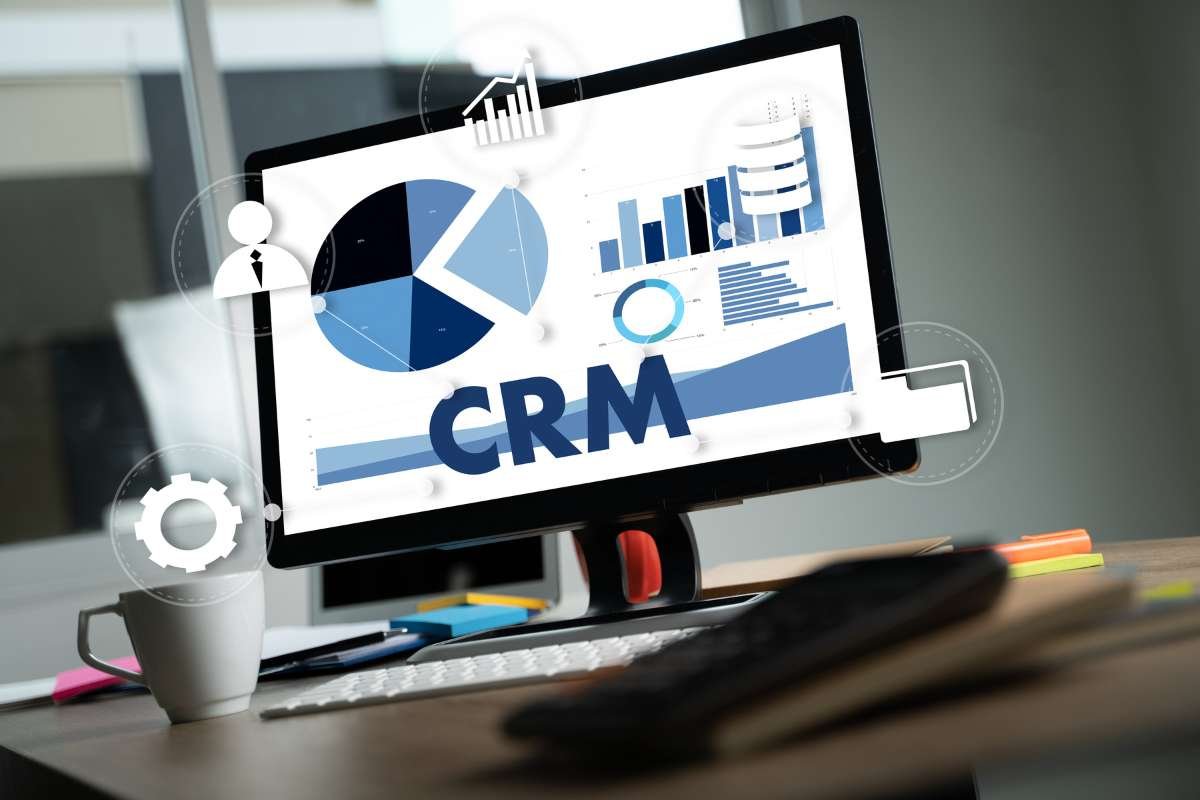
This data-driven approach improves engagement rates and helps marketing efforts support sales rather than operate in isolation. Over time, CRM insights also highlight which channels and messages generate the most valuable customers.
Choosing the Right CRM
Not all CRM systems are created equal. Businesses should consider ease of use, industry alignment, scalability, and integration with existing tools. A CRM should support existing workflows rather than force teams into rigid processes that slow them down.
Adoption is critical. Even the most powerful CRM delivers little value if teams do not use it consistently. Simplicity, relevance, and clear benefits often matter more than an extensive feature list.
The Long-Term Value of CRM Systems
CRMs deliver value over time rather than overnight. As data accumulates, patterns emerge, decision-making improves, and customer relationships deepen. Businesses gain clarity over what works, where resources are best allocated, and how customers actually move through their journey.
Rather than acting as a single tool for one department, a CRM for business growth becomes the backbone that connects sales, service, marketing, and operations.
Why CRM Investment Pays Off

Investing in a CRM for business growth is ultimately an investment in clarity and consistency. Businesses that understand their customers are better equipped to serve them, retain them, and grow alongside them.
When implemented thoughtfully and aligned with industry needs, CRM systems stop being seen as software and start functioning as a strategic asset that supports both daily operations and long-term growth.