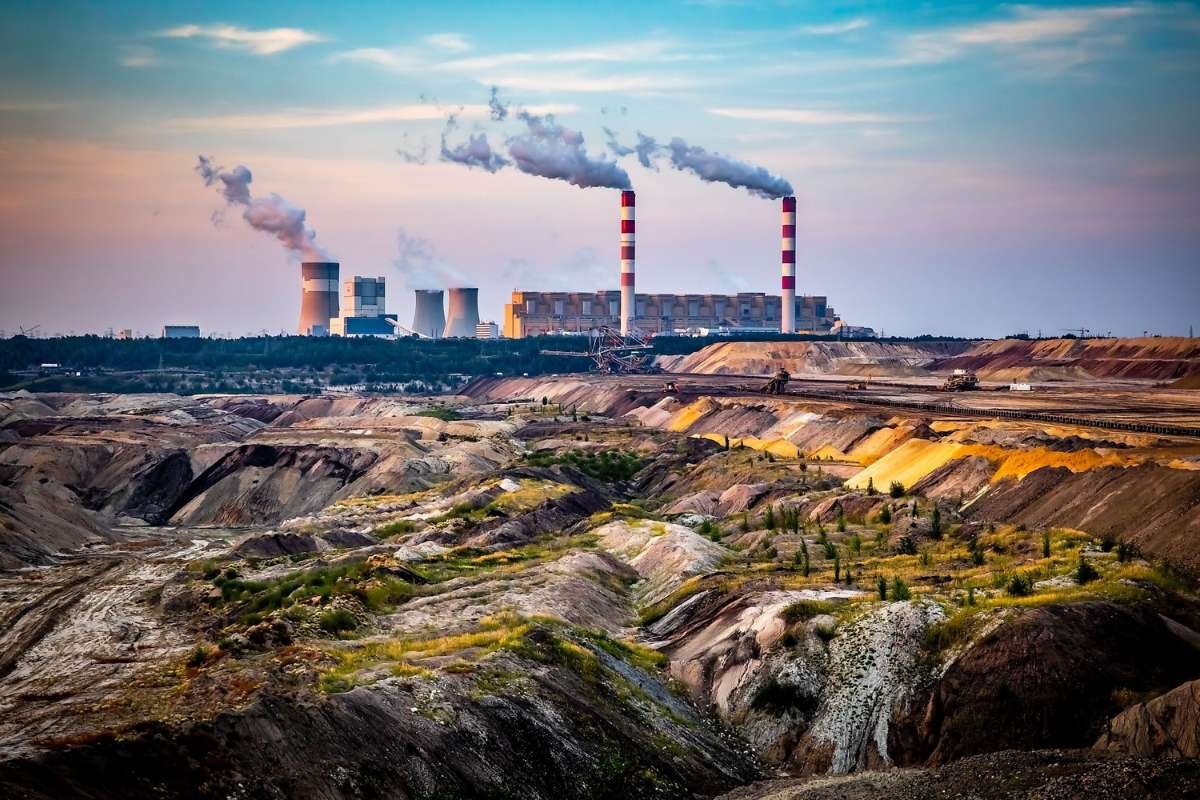
When was the last time you thanked a coal mine? Probably never.
Coal mines do not glow in the sun like solar panels or spin proudly like wind turbines. Yet here is a surprising fact: coal still generates over 35% of the world’s electricity. That quiet power comes from deep underground. The largest coal mines in the world are not just holes filled with dust and machines. They are massive working ecosystems with trucks taller than houses, workers on round-the-clock shifts, and timelines older than many modern cities.
If energy had a strength contest, these mines would win without flexing. While debates about the future get louder, these mines stay focused. They dig, load, move, and deliver power every single day. No drama. No spotlight. Just steady work. That kind of reliability may not look exciting, but it keeps the world running, and that makes it hard to ignore.
Why Coal Mines Still Matter in 2026?
Coal mines continue to play a significant role in the global energy system in 2026. The largest coal mines in the world continue to supply electricity to homes, offices, hospitals, and schools every day. Many power plants depend on coal because it provides steady energy without sudden breaks. This reliability matters most during heatwaves, cold winters, and peak usage hours when electricity demand rises sharply.
Many developing countries still rely on coal for affordable and stable power. Building large solar or wind systems takes time, money, and strong infrastructure. Coal power plants already exist and can run day and night. Renewable energy is growing fast, but it still depends on weather conditions. Coal fills the gaps when sunlight fades or wind slows down.
Coal also supports major industries. Steel production depends on coal to produce strong and durable metal. Cement factories use coal to maintain high heat levels needed for construction materials. Without coal, large-scale buildings, roads, bridges, and railways would become harder and more expensive to build.
Energy security remains another key reason coal matters. Countries want control over their energy supply. Local coal mines reduce dependence on imported fuels. This stability protects economies during global energy crises. Millions of people work in coal mining, transport, power generation, and equipment manufacturing. Their livelihoods depend on these operations.
The role of coal mines may change over time. Cleaner technologies and regulations continue to grow. Still, in 2026, their impact remains strong, practical, and deeply connected to how the world functions every day.
Top 15 Largest Coal Mines in the World in 2026
Below is a deeper and clearer look at some of the largest coal mines in the world. Each mine plays a major role in global energy supply. The details are explained in simple words so anyone can understand their scale and importance.
1. North Antelope Rochelle Mine
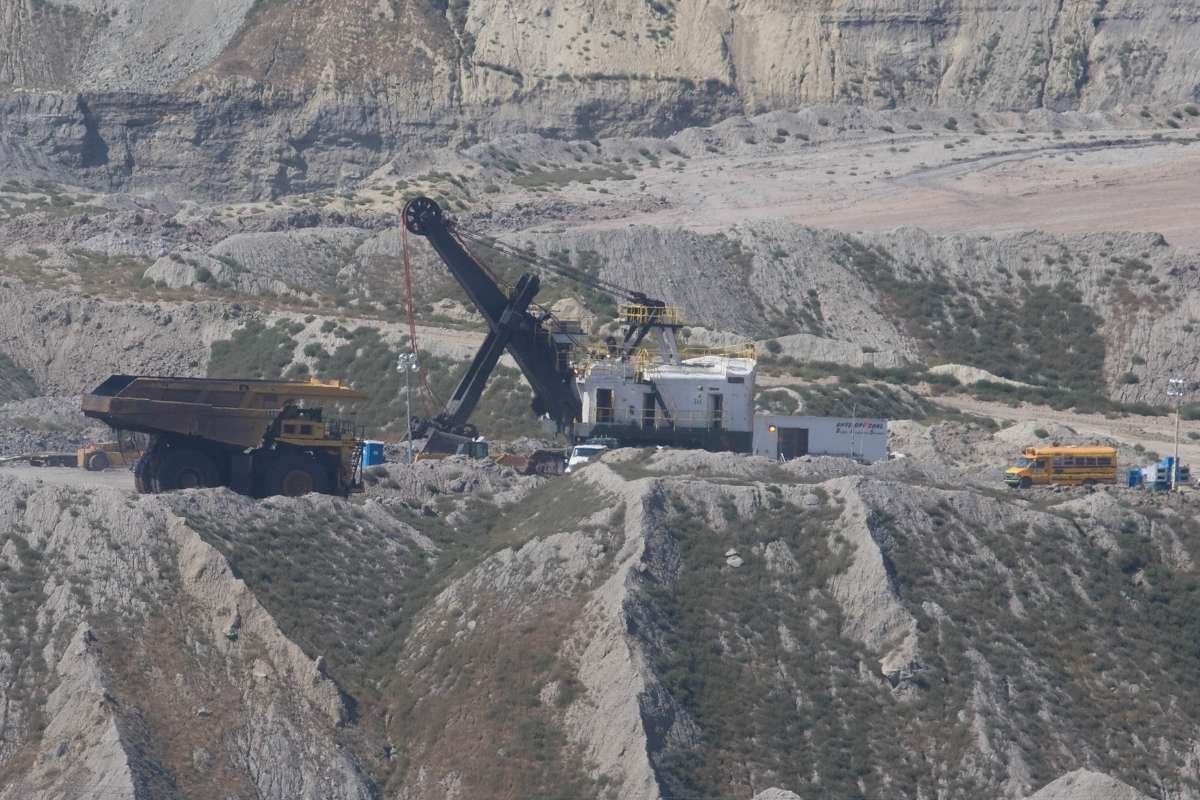
- Country: United States
- Owner: Peabody Energy
- Annual Production: Over 80 million tons
- Start Date: 1983
- Estimated Revenue: Around $3 billion per year
North Antelope Rochelle Mine is located in Wyoming and stands as the largest coal mine in the United States. Many experts call it the backbone of American coal production. The mine spreads across a huge land area and uses some of the most advanced mining machines available today.
Massive trucks, electric shovels, and conveyor systems move coal nonstop. The coal from this mine mainly goes to power plants across several US states. These plants rely on their steady supply to produce electricity for millions of homes. Because of its size, efficiency, and output, this site remains one of the most reliable energy sources in the country.
2. Black Thunder Mine
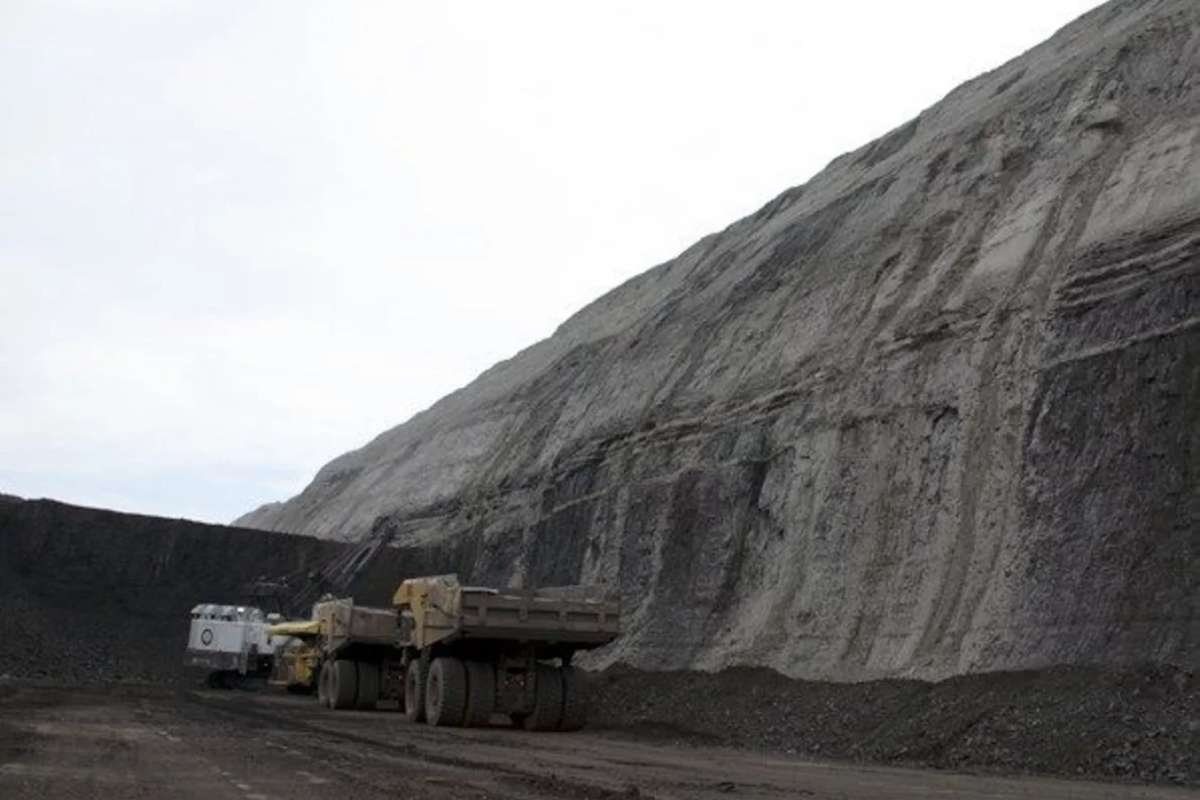
- Country: United States
- Owner: Arch Resources
- Annual Production: Around 70 million tons
- Start Date: 1977
- Estimated Revenue: Close to $2.5 billion
Black Thunder Mine is located very close to North Antelope Rochelle in Wyoming. Together, these two mines form one of the largest coal-producing regions on Earth. Black Thunder has operated for decades and continues to maintain strong production levels.
The mine focuses on surface mining, which allows large volumes of coal to be extracted efficiently. It’s coal mainly supports electricity generation across the US. Strong logistics, skilled workers, and modern equipment help this mine remain competitive even as energy markets change.
3. Peak Downs Mine
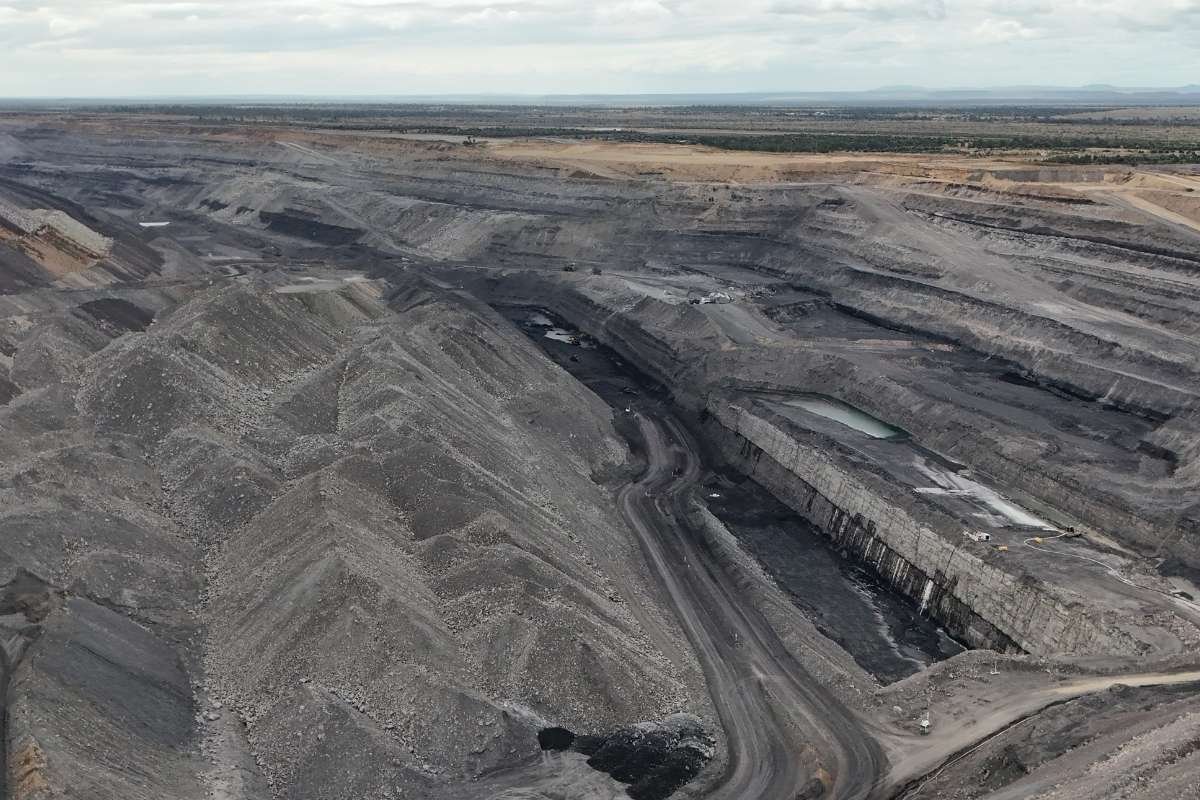
- Country: Australia
- Owner: BHP
- Annual Production: About 40 million tons
- Start Date: 1972
- Estimated Revenue: Nearly $4 billion
Peak Downs Mine is one of Australia’s most important coal operations. It produces metallurgical coal, which is essential for making steel. Without this type of coal, large-scale construction and manufacturing would slow down.
The mine operates with strict quality controls because steelmakers demand consistent coal grades. Most of its output is exported to global markets, especially Asia. Peak Downs plays a major role in infrastructure development worldwide, from bridges to skyscrapers.
4. Goonyella Riverside Mine
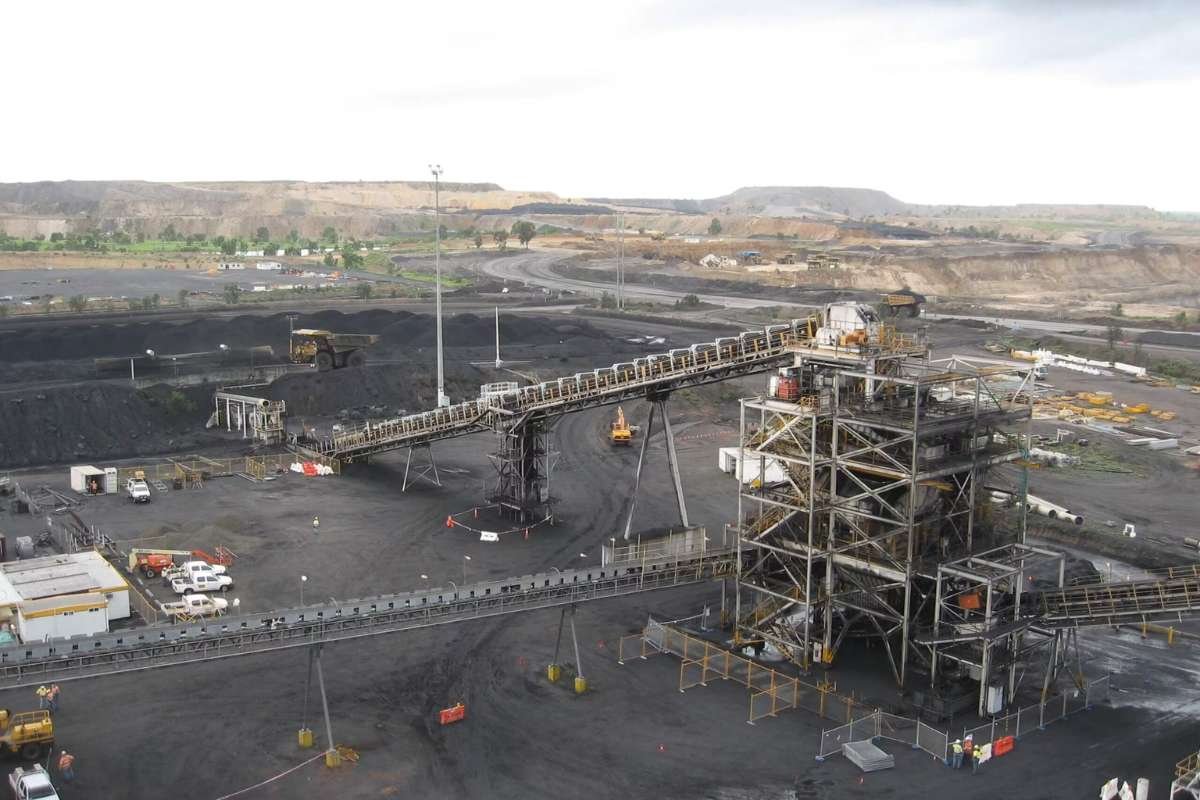
- Country: Australia
- Owner: BHP
- Annual Production: Around 25 million tons
- Start Date: 1971
- Estimated Revenue: About $3.2 billion
Goonyella Riverside Mine is known for producing high-quality coal with strong global demand. It supports steel plants across many countries and contributes heavily to Australia’s export earnings.
This mine benefits from advanced rail and port connections, which help move coal quickly to international buyers. Long-term contracts and stable output keep its operations strong. Goonyella Riverside remains a key pillar in the global steel supply chain.
5. Haerwusu Mine
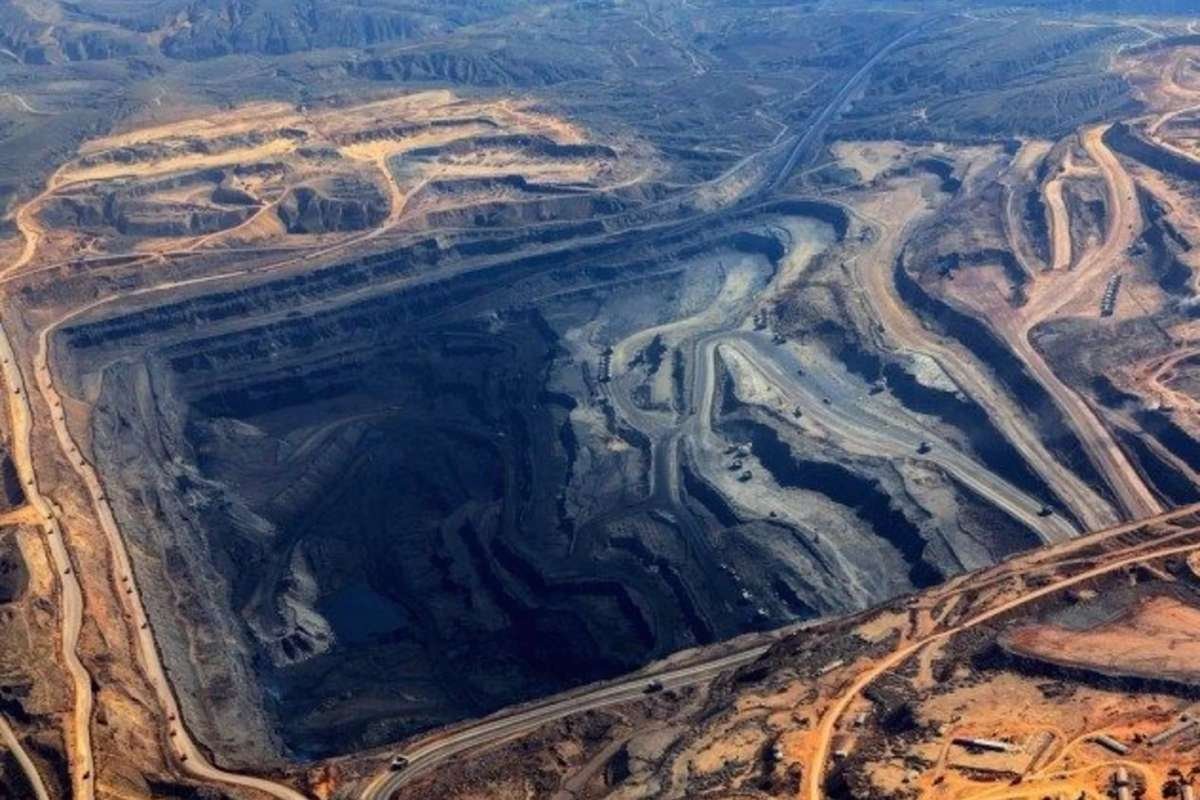
- Country: China
- Owner: Shenhua Group
- Annual Production: Over 20 million tons
- Start Date: 2008
- Estimated Revenue: Around $2 billion
Haerwusu Mine is one of the largest open-pit coal mines in China by land area. It stands out for its heavy use of automation and modern technology. Large parts of the mining process rely on smart systems that improve safety and efficiency.
The coal from Haerwusu mainly supports China’s power generation needs. Its location and scale allow it to supply energy at a steady pace. As one of the largest coal mines in the world, it shows how technology and scale work together in modern mining.
6. Raspadskaya Mine

- Country: Russia
- Owner: Evraz Group
- Production: Around 18 million tons per year
- Start Date: 1973
- Revenue: Around $1.6 billion annually
Raspadskaya Mine sits in the Kemerovo region of Siberia and plays a major role in Russia’s coal industry. It mainly produces coking coal, which is essential for making steel. Steel plants depend on this coal to build bridges, railways, buildings, and machinery.
The mine uses underground mining methods and modern safety systems. Over the years, the operator has improved ventilation, monitoring, and worker protection. Raspadskaya supports heavy industries across Russia and supplies coal to global markets, especially in Asia and Europe.
7. Sangatta Mine
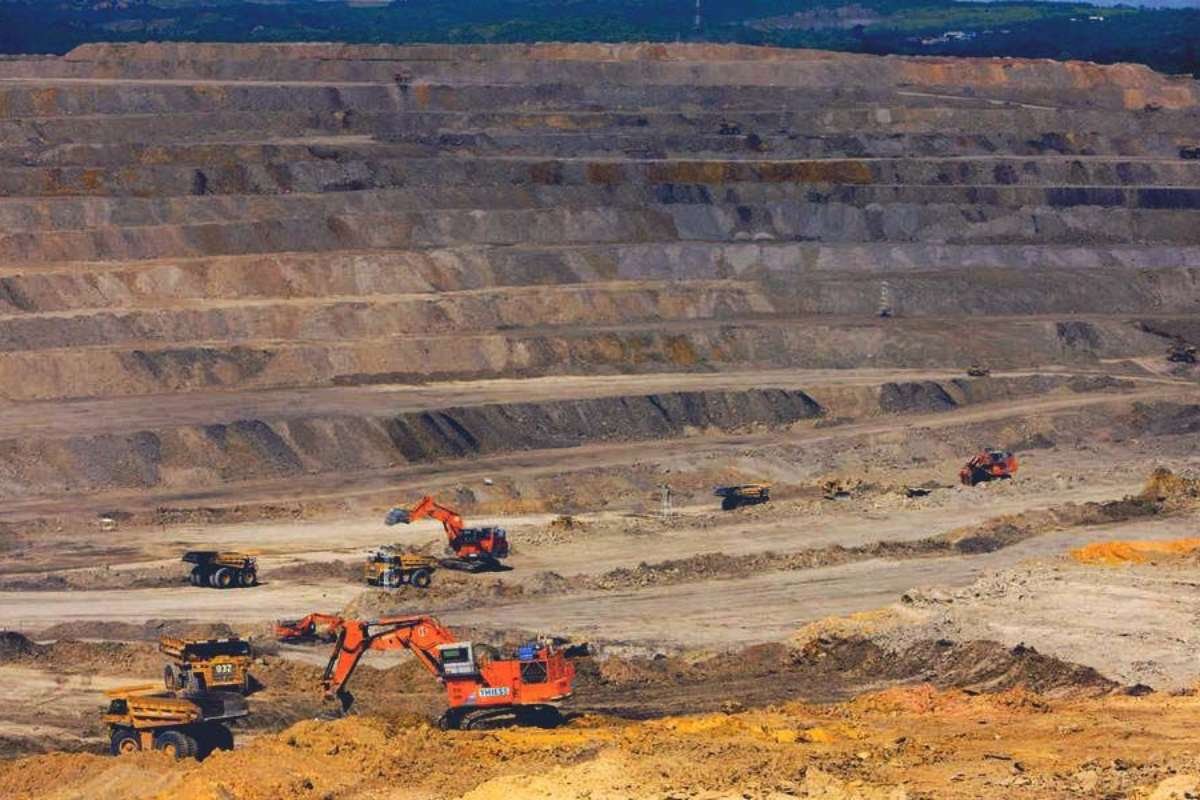
- Country: Indonesia
- Owner: Kaltim Prima Coal
- Production: Around 50 million tons per year
- Start Date: 1992
- Revenue: Over $4 billion annually
Sangatta Mine is one of the largest open-pit coal mines in Asia. It is located in East Kalimantan and covers a vast area. Huge machines remove coal in large volumes every day. Most of the coal produced here goes to export markets, which explains its high revenue.
Countries across Asia rely on Sangatta coal for electricity generation. The largest coal mines in the world follow large-scale operations with strong logistics support, including ports and transport systems. Sangatta also invests in land restoration and local community development.
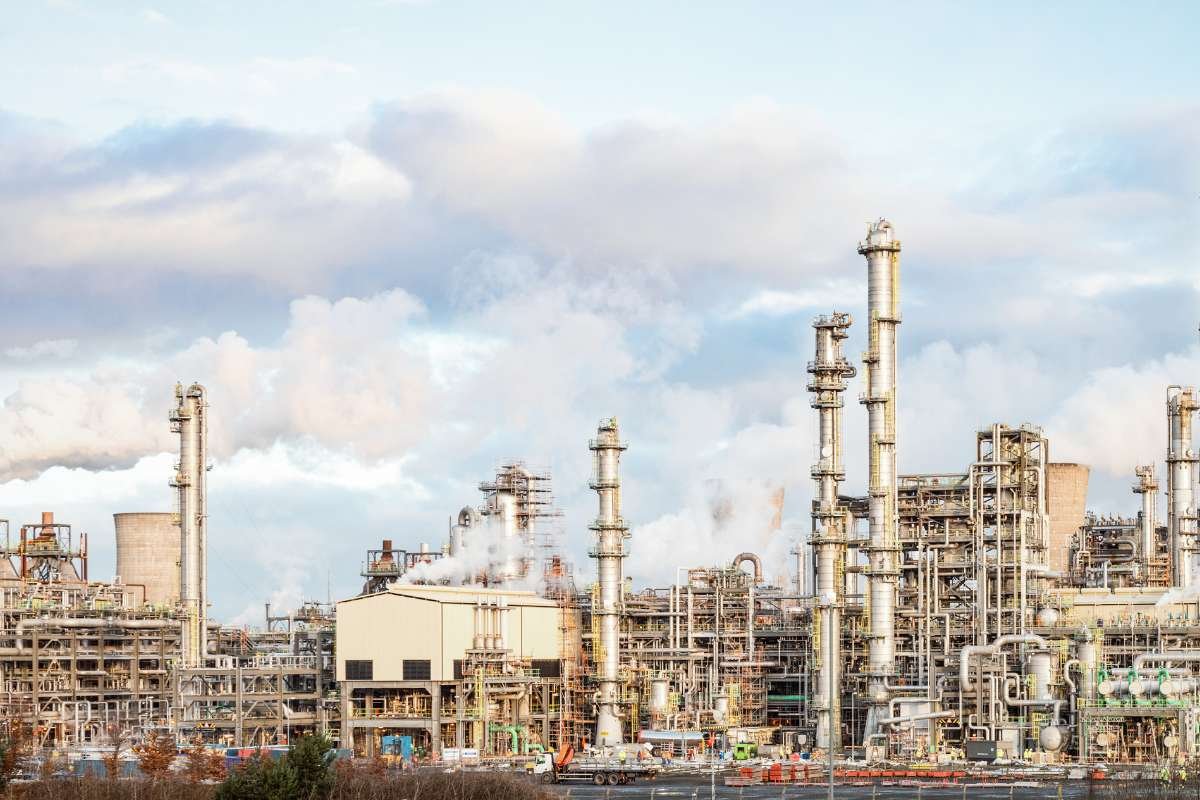
8. Tutupan Mine
- Country: Indonesia
- Owner: Adaro Energy
- Production: Around 30 million tons per year
- Start Date: 1983
- Revenue: Around $3 billion annually
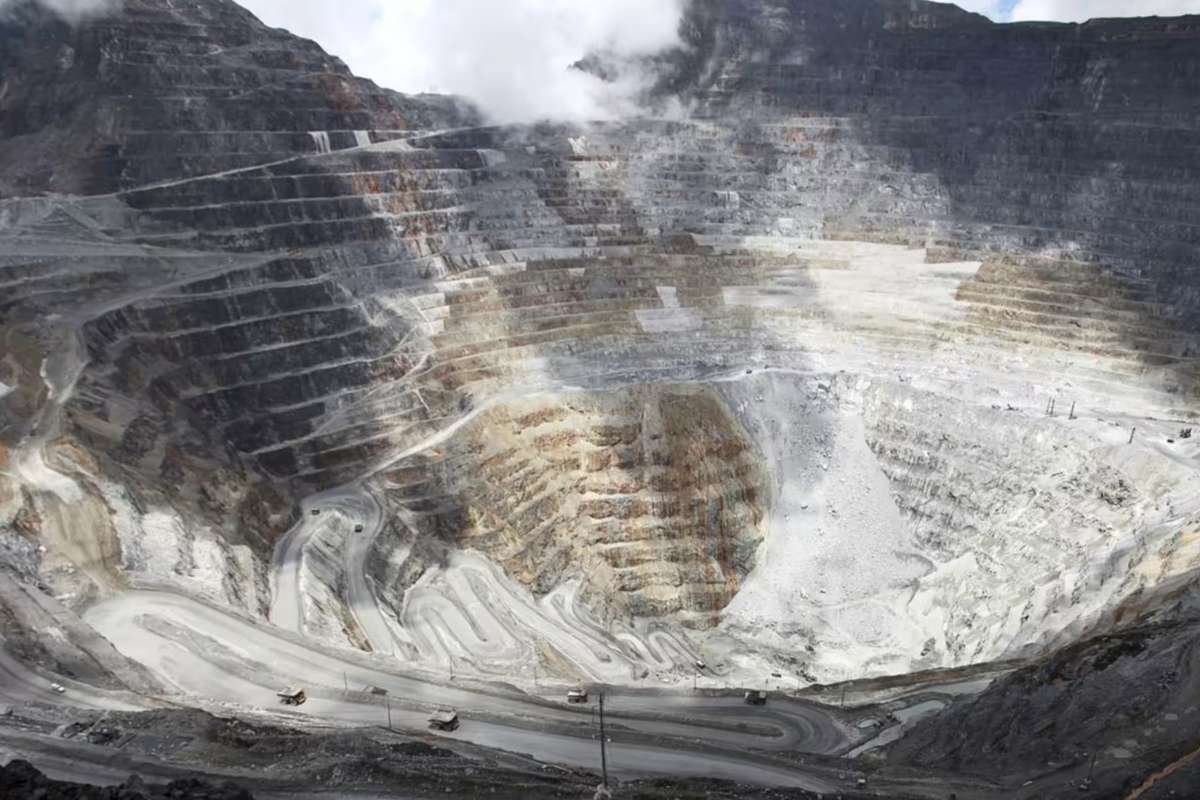
Tutupan Mine is one of Indonesia’s most productive coal sites. It mainly produces thermal coal, which power plants use to generate electricity. This coal helps meet rising energy demand across Asia.
The mine operates as an open-pit project and uses efficient mining equipment to keep costs low. Tutupan is known for stable output and consistent quality. Adaro Energy also focuses on environmental management, including water control and land rehabilitation. The mine plays a key role in regional energy security.
9. Jharia Coalfield
- Country: India
- Owner: Bharat Coking Coal Limited
- Production: Around 20 million tons per year
- Start Date: 1894
- Revenue: Around $1.5 billion annually
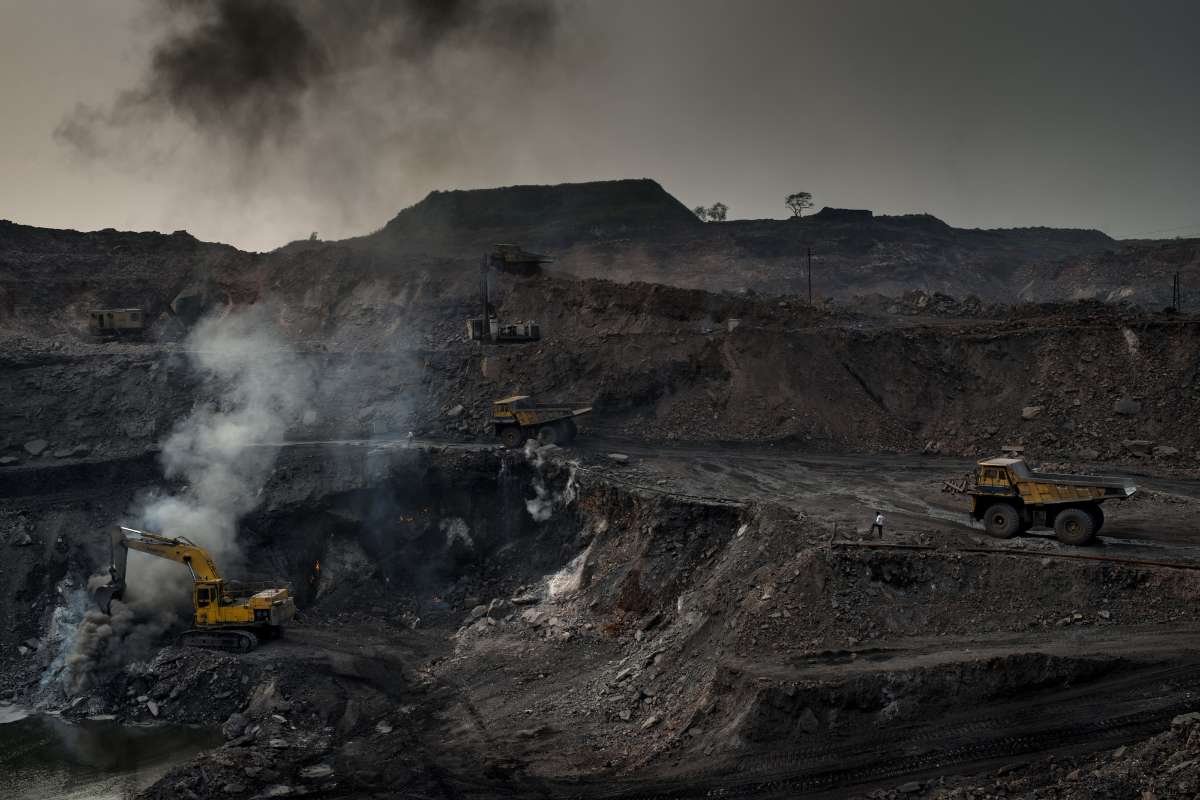
Jharia Coalfield is one of the oldest coal mining areas in the world. It sits in Jharkhand and has supported India’s industrial growth for more than a century. The coal from Jharia is mainly coking coal, which is vital for steel production. Major steel plants in India depend on this supply.
Mining here involves both underground and surface methods. The region faces challenges like old mine fires, but ongoing efforts focus on safety, rehabilitation, and better resource use. Jharia remains crucial to India’s steel sector.
10. Gevra Mine
- Country: India
- Owner: Coal India Limited
- Production: Around 70 million tons per year
- Start Date: 1981
- Revenue: Around $4 billion annually
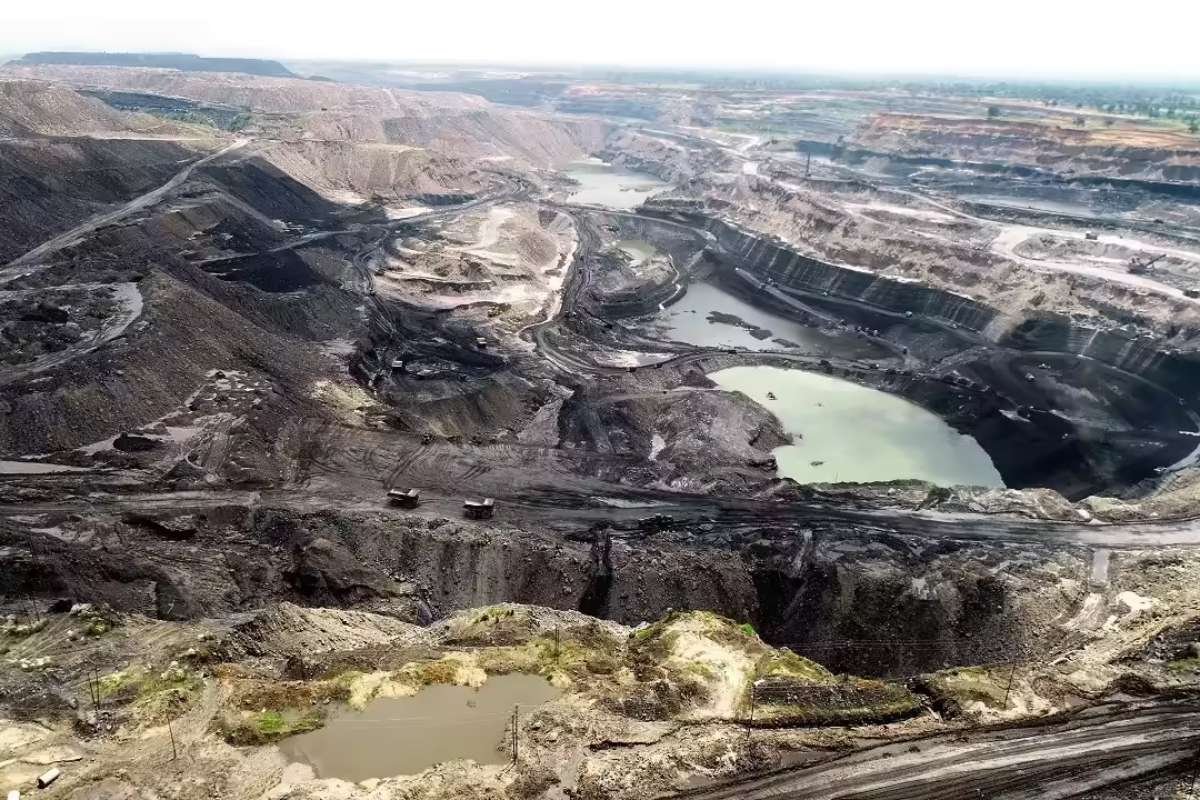
Gevra Mine is the largest coal mine in Asia by production volume. It is located in Chhattisgarh and operates as a massive open-cast mine. The coal from Gevra mainly goes to thermal power plants across India. These plants supply electricity to millions of homes and industries.
The mine runs with large dumpers, excavators, and conveyor systems. Gevra also creates employment for thousands of workers. Its steady output makes it the backbone of India’s power sector.
11. Cerrejón Mine
- Country: Colombia
- Owner: Glencore
- Production: 32 million tons
- Start Date: 1985
- Revenue: Around $2.7 billion
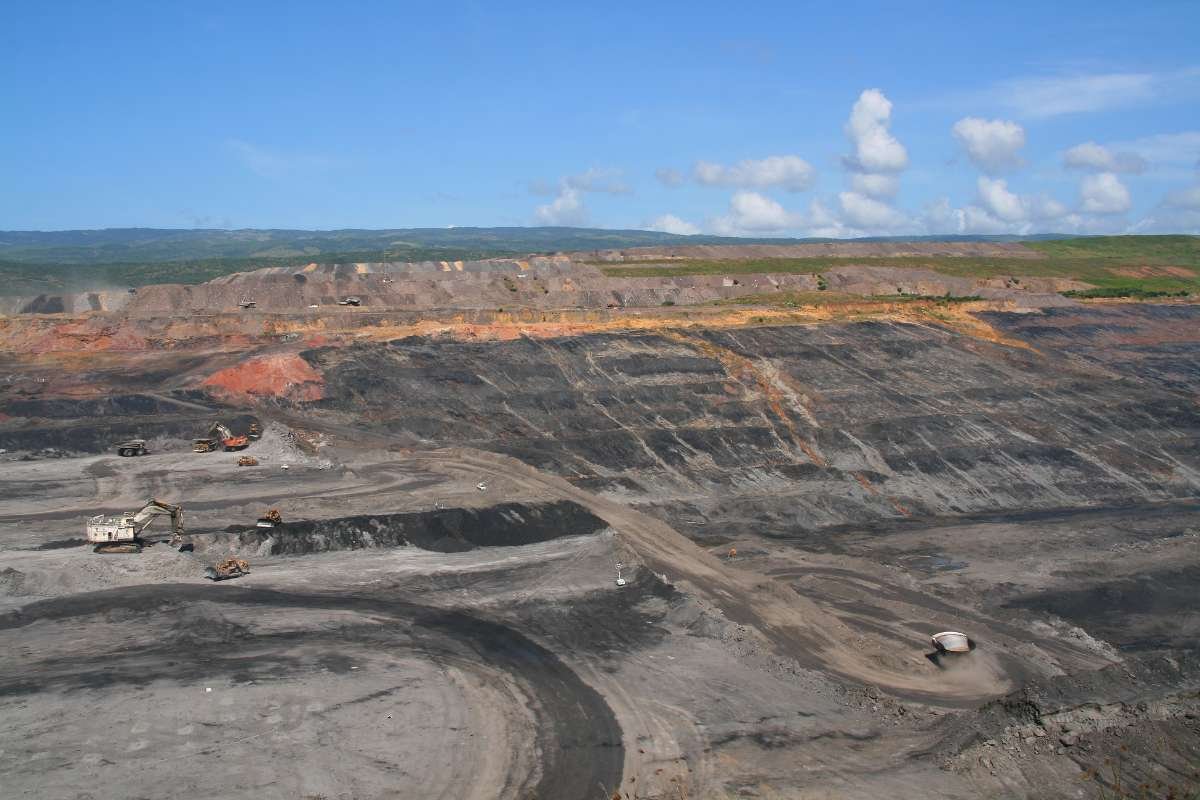
The Cerrejón Mine is one of the most important coal mines in South America. It is located in northern Colombia and has operated continuously since 1985. Glencore owns the mine and manages it at a very large scale. Every year, Cerrejón produces around 32 million tons of coal. Most of this coal is exported to European countries, where it supports electricity generation and industrial use.
Cerrejón plays a major role in Colombia’s economy. It provides thousands of direct and indirect jobs. The mine also supports local communities through infrastructure, healthcare, and education programs. Due to its size, Cerrejón requires long railway lines and a dedicated port system to move coal efficiently. Its long history and steady output make it one of the most reliable coal operations in the region.
12. Moatize Mine
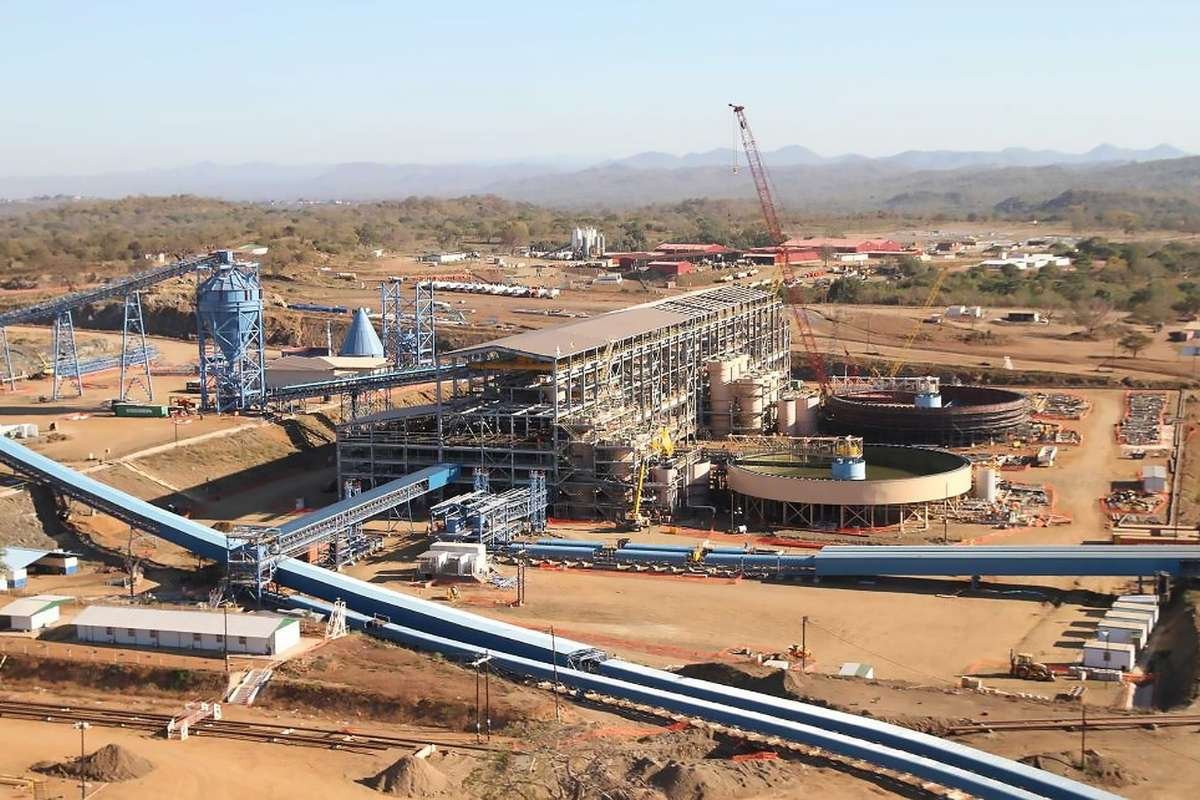
- Country: Mozambique
- Owner: Vulcan Resources
- Production: 15 million tons
- Start Date: 2011
- Revenue: About $1.2 billion
The Moatize Mine is located in central Mozambique and began production in 2011. Vulcan Resources currently owns and operates the mine. Moatize produces around 15 million tons of coal each year. Its coal is mainly used for steel production and power generation across global markets.
This mine has helped Mozambique gain attention in the global mining industry. Moatize continues to expand its operations and improve transport links to export ports. International investors closely watch this mine due to its growth potential. It has also created employment opportunities and supported regional development. Moatize stands as a strong example of how coal mining can drive economic growth in emerging economies.
13. El Cerrejón North Zone
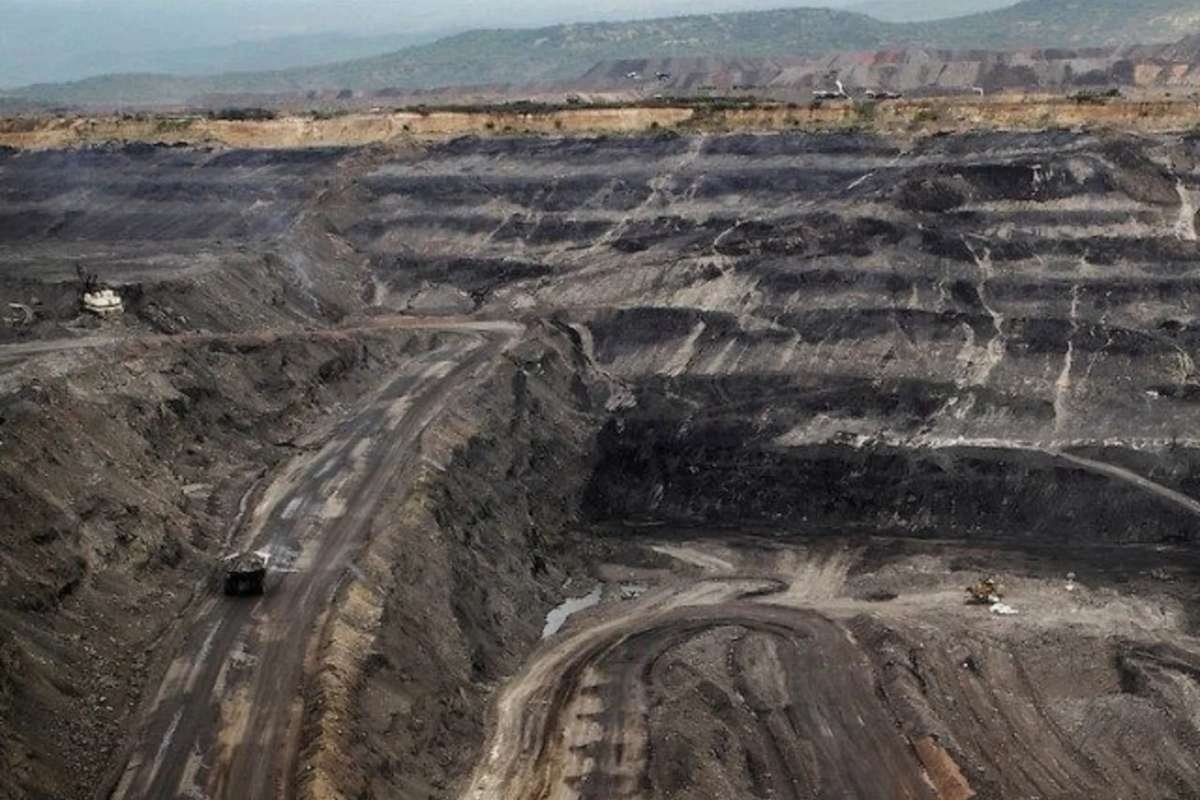
- Country: Colombia
- Owner: Glencore
- Production: 20 million tons
- Start Date: 2000
- Revenue: Nearly $1.8 billion
The El Cerrejón North Zone is an important extension of the main Cerrejón mining area in Colombia. It started operations in 2000 and is also owned by Glencore. This section alone produces nearly 20 million tons of coal each year. Its output adds significant strength to Cerrejón’s total production capacity.
The North Zone allows better planning and smoother mining operations across the larger Cerrejón site. It helps maintain steady supply levels for export markets, especially Europe. The zone uses modern equipment to improve safety and productivity. By spreading operations across multiple zones, Cerrejón reduces pressure on a single mining area and ensures long-term sustainability.
14. Shendong Coalfield
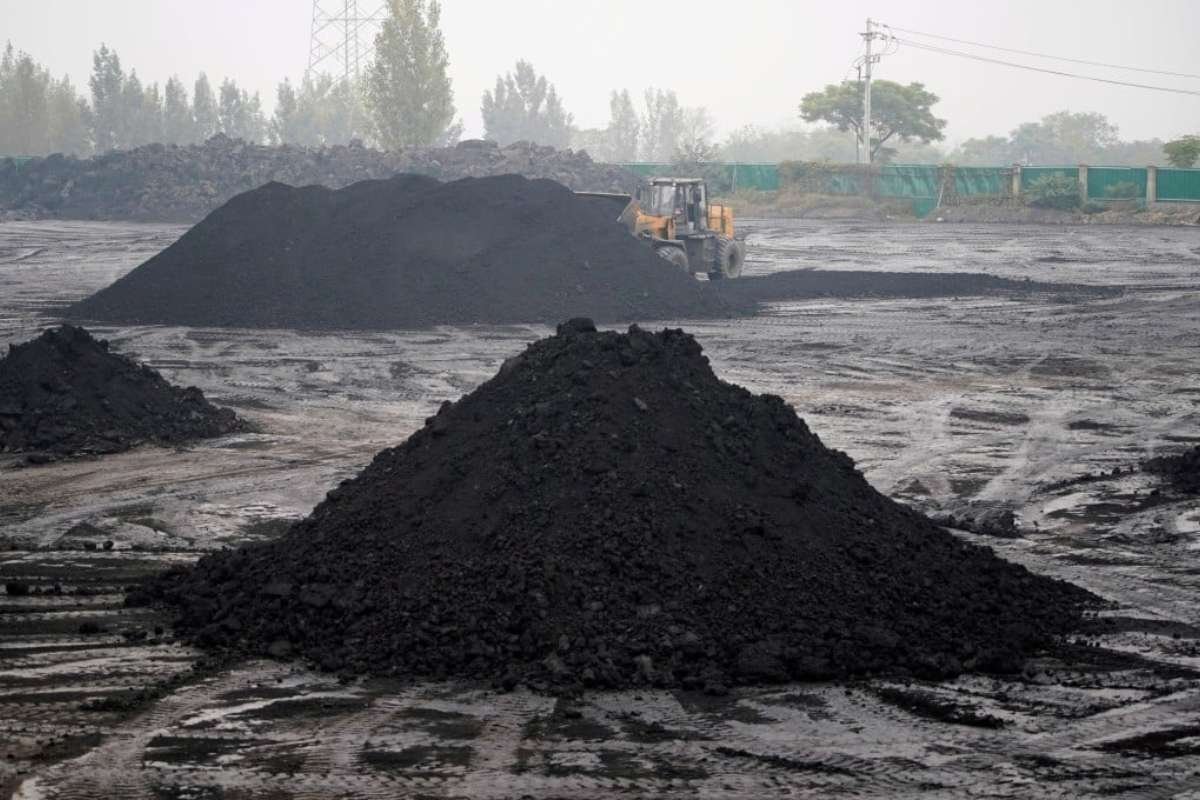
- Country: China
- Owner: China Energy Group
- Production: 100 million tons combined
- Start Date: 1997
- Revenue: Over $6 billion
The Shendong Coalfield is one of the most advanced coal mining regions in China. It is owned by China Energy Group and began large-scale operations in 1997. Combined production from this coalfield reaches around 100 million tons per year, making it one of the highest-producing coal regions globally. Its annual revenue exceeds $6 billion.
Shendong stands out for its strong focus on safety and automation. Many mining processes here use smart systems, remote monitoring, and automated machinery. These tools reduce risks for workers and improve efficiency. Shendong has become a benchmark for modern coal mining and is often cited as a leader among the largest coal mines in the world.
15. New Acland Mine
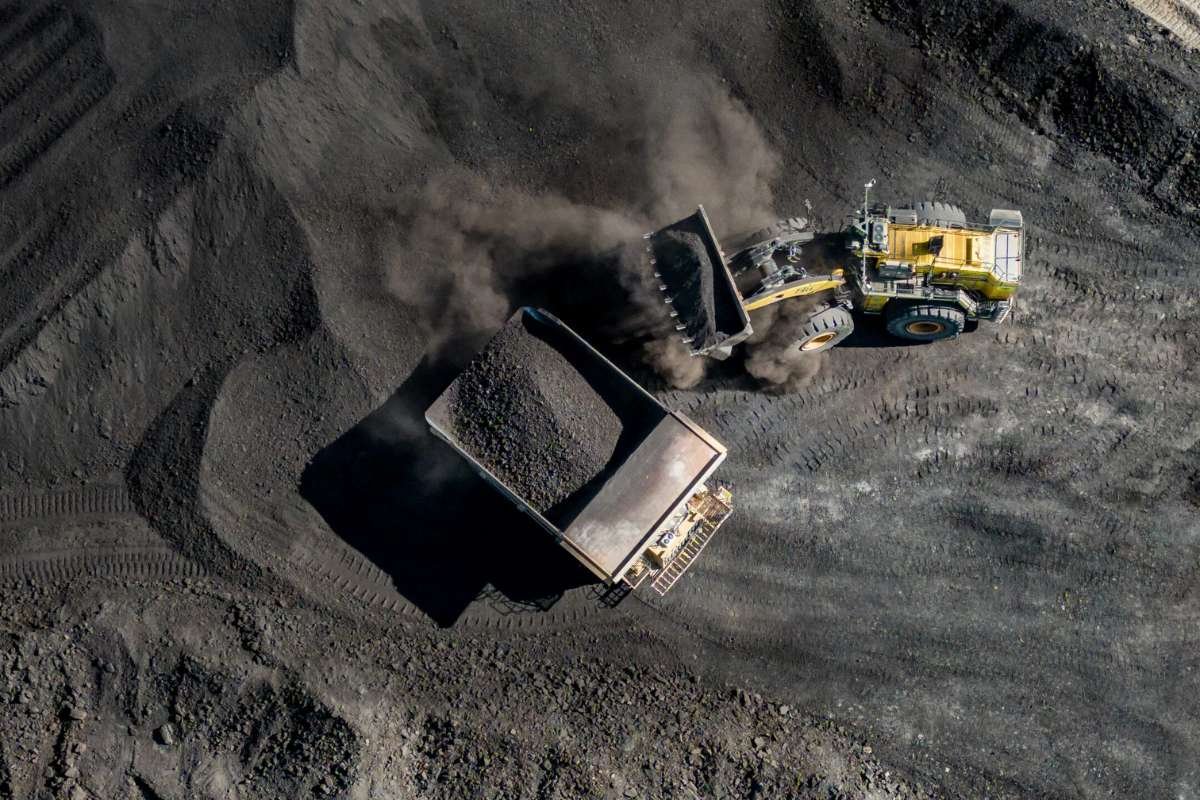
- Country: Australia
- Owner: New Hope Group
- Production: 10 million tons
- Start Date: 2002
- Revenue: Around $900 million

The New Acland Mine is located in Queensland, Australia, and started production in 2002. It is owned by the New Hope Group. The mine produces around 10 million tons of coal each year and earns close to $900 million in annual revenue. Most of its coal supplies domestic power stations.
What makes New Acland unique is its focus on responsible mining. Along with coal production, the mine invests heavily in land restoration and environmental care. After mining sections are completed, the land is rehabilitated for future agricultural use. This balanced approach helps the mine maintain long-term operations while protecting local ecosystems and communities.
Environmental Balance and Future Outlook
The largest coal mines in the world now operate under stronger environmental expectations than ever before. Governments, investors, and communities all want cleaner operations. As a result, mining companies are changing how they work. Many mines use modern machines that burn less fuel and release fewer emissions. New transport systems reduce dust and limit air pollution around mining areas.
Land recovery has also become a priority. After coal is removed, companies reshape the land, replace topsoil, and plant native trees and grass. Some restored areas return to farming, wildlife use, or water storage. This step helps protect nature and supports local livelihoods long after mining ends.
Worker safety receives more attention as well. Mines now rely on automated equipment, remote-controlled machines, and real-time monitoring systems. These tools reduce human risk and improve overall efficiency.
Looking ahead, some coal mines plan a slow and controlled reduction in output. Others invest in carbon capture projects to limit climate impact. Coal use may decline, but it will not disappear quickly. Energy systems need stability. A careful transition gives economies time to adapt, workers time to reskill, and industries time to build reliable alternatives.
Conclusion
The largest coal mines in the world remind us that strength often works quietly. As the introduction said, they do not chase attention. They carry weight. These mines power cities, support jobs, and keep systems stable while the world plans change. Progress needs honesty.
Transition needs patience. Until new systems fully take over, these mines will keep doing what they have always done. They dig deep, deliver power, and hold the line, one ton at a time.
FAQs
1. Are the Largest Coal Mines in the World still expanding?
Some expand cautiously. Others stabilize output to match energy policies.
2. Which country has the largest coal mines
China, the United States, and Australia lead in scale and output.
3. Do these mines use modern technology?
Yes. Automation, AI monitoring, and safety systems are common now.
4. Will coal mining stop soon?
Coal use will decline slowly. Energy demand still supports mining in many regions.
5. Why do these mines earn so much revenue?
High demand, large volume, and long-term supply contracts drive earnings.