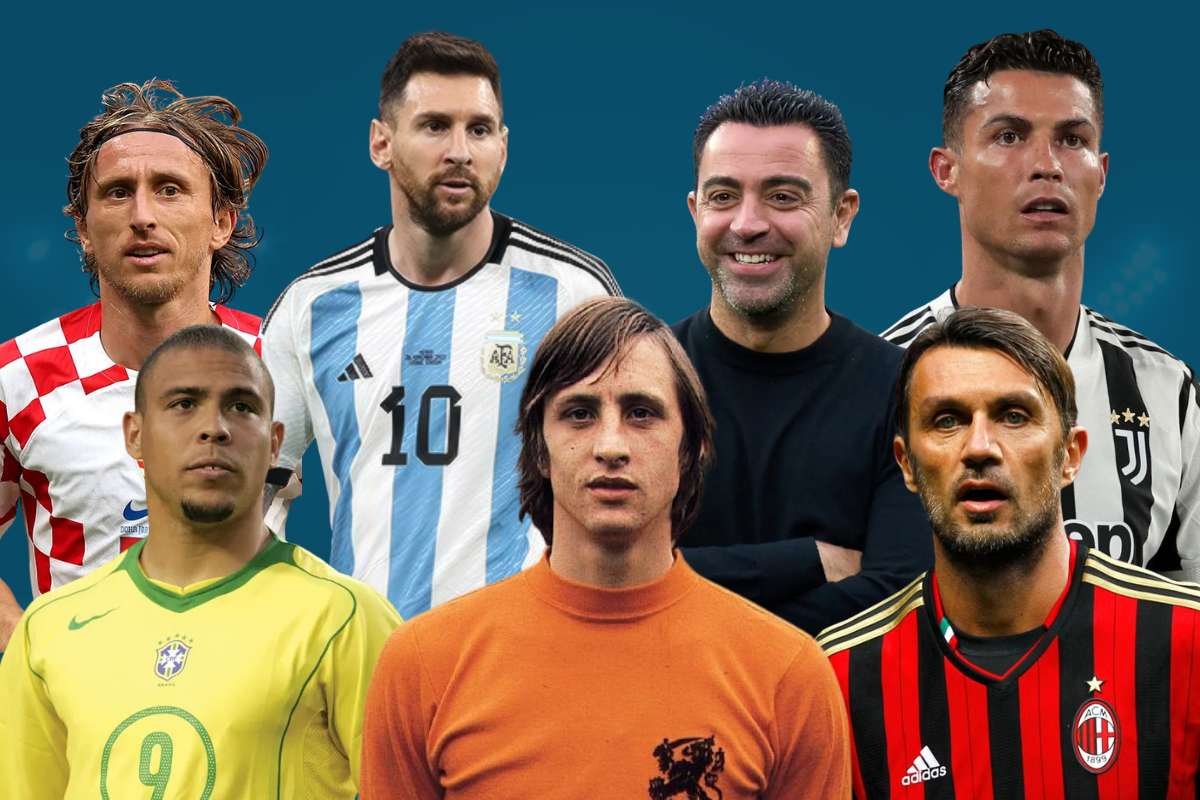
For decades, football fans have debated who truly deserves the title of the greatest soccer player of all time. The discussion continues across homes and sports communities, as each generation defends the era it believes set the highest standard for talent. Pelé has his supporters. Maradona commands fierce devotion. Cristiano Ronaldo’s longevity speaks for itself. However, Messi’s 2022 World Cup victory may have finally put an end to the endless conversation, though not everyone’s ready to accept it.
The challenge has always been the same: comparing the greatest soccer players of all time. The ones who never faced each other, who played by different rules, who trained under completely different systems, and who performed in vastly different levels of competition. How do you weigh a striker from the 1950s against one from the 2020s? How do you measure a defender’s worth when the game has changed so much? These are the fundamental questions behind every “GOAT” debate.
What separates the greatest soccer players isn’t just statistics or trophies, though those matter. It’s their ability to dominate during their era, to adapt across different leagues and systems, to stay relevant for years or even decades, and ultimately, to change how football itself is played and understood.
In this article, we’ve ranked the 18 greatest soccer players of all time, influential figures whose impact and ability place them in a league of their own.
What Defines The Legendary Soccer Players?
When you try to rank the greatest soccer players of all time, you can’t just look at goals or trophies. The real test of greatness comes down to how a player performs under pressure, whether they can adapt to different teams and eras, and whether they change how the game is played.
This is why rankings disagree so much. Some focus entirely on statistics. Others swear by World Cup performances. Some insist that individual awards, such as the Ballon d’Or, say everything. The truth is, determining who belongs in the category of the greatest soccer players requires looking at multiple angles, understanding what made each player exceptional in their own time, and then comparing them fairly across different decades.
We’ve built a transparent framework using seven weighted factors.
Factor 1: Goal Involvement & Technical Excellence
Consistency across competitions matters more than peak performance. Messi scored in various leagues (La Liga, Ligue 1, MLS), the Copa América, and in the Champions League knockout rounds. For defenders like Paolo Maldini, it’s positioning and reading the game. Anyone can have a great season. The real test is doing it year after year.
Factor 2: Championship Pedigree
Pelé won three World Cups. Maradona won one, but almost single-handedly. Messi finally won in 2022, resolving football’s biggest “what if.” Cristiano Ronaldo won the Champions League five times across different clubs. When the best players compete, winning becomes harder. Multiple World Cups, Champions Leagues, and domestic titles prove that someone performs when everything matters.
Factor 3: Individual Awards & Recognition
Messi’s eight Ballon d’Or awards are unprecedented. Three came when Cristiano Ronaldo was at his peak, making them even more significant. When someone wins awards repeatedly, it signals genuine dominance, not voter bias. Hall of Fame selections, FIFA Team of the Century picks, and consistent Team of the Year honors paint a picture of how peers and experts viewed a player’s standing.
Factor 4: Longevity & Consistency
Anyone can be brilliant for a season or two. Truly great players stay at the top for a decade or longer. Cristiano Ronaldo played at an elite level from his twenties into his forties, thanks to his obsessive dedication to fitness. Messi maintained excellence for over two decades. Franz Beckenbauer stayed relevant into his late thirties. Paolo Maldini played at the highest level for 25 years. Longevity demonstrates a player’s ability to adapt to various game eras, teammates, and tactical systems.
Factor 5: Tactical Innovation & Influence
Some players changed the system itself. Johan Cruyff revolutionized how attacking players moved off the ball. Franz Beckenbauer invented the modern sweeper-libero position and proved that a defender could be a team’s primary playmaker. Zinedine Zidane redefined the number 10, blending technical skill with physical presence in an unprecedented way. Ronaldinho’s style influenced a generation of young players. Greatness means moving the game forward.
Factor 6: Era Adjustment & Competition Context
A striker in 1958 played in a completely different world than one in 2025. Training methods, medical support, and the global talent pool were vastly different. You must account for these differences without penalizing older players for being from a different era. A player like Maradona dominated across multiple eras and leagues. Pelé was unquestionably one of the most dominant players of his time. The question is: If this player played in another era, would they still be extraordinary? The truly great ones would have been.
Factor 7: Cultural & Global Impact
Pelé’s emergence from poverty in Brazil made him a global symbol of possibility. Football’s international growth is tied directly to his visibility. Maradona became a national symbol in Argentina. Messi became a global icon without polarizing anyone. Cristiano Ronaldo revolutionized how athletes approach fitness and fan engagement at an age when most retire.
The greatest soccer players of all time rank high across most of these categories. This framework provides clarity about why certain players deserve their ranking, a quality that the historical debate has always lacked.
The 18 Greatest Soccer Players Of All Time
THE PANTHEON (The Undisputed Legends)
1. LIONEL MESSI | ARGENTINA | Second Striker
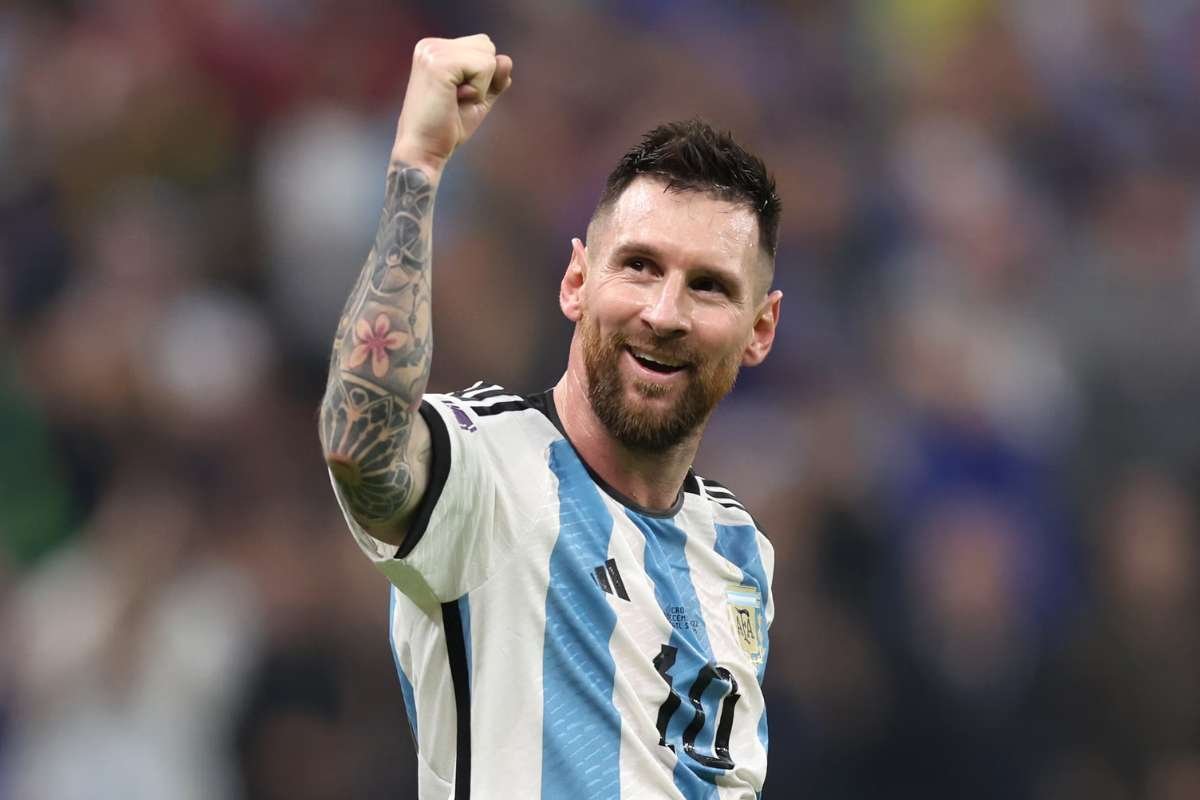
Career Span: 2003 to Present (2026)
Career Highlights: Eight Ballon d’Or awards (more than anyone in history), 10 La Liga titles, 4 UEFA Champions League trophies, 2022 FIFA World Cup winner, 2 Copa América championships (2021, 2024), 109 or more international goals, 860 or more career goals
Clubs: Barcelona (2003 to 2021), Paris Saint-Germain (2021 to 2023), Inter Miami (2023 to Present)
Fan Following: People from every country and every Team supported him. Even Brazilian fans rooted for him in the 2022 World Cup. Cristiano Ronaldo fans respected him. This kind of universal respect is rare in the world of football.
International Achievements:
- 2022 FIFA World Cup winner (he led Argentina through the knockout rounds and scored the crucial penalty in the shootout)
- 2 Copa América championships (2021, 2024)
- Picked for the FIFA World Cup All-Star Team twice
- Selected for FIFA’s best Team 17 times
Why Number One?
Messi ended the most significant debate in sports when he won the 2022 World Cup. For 20 years before that, he was performing at levels that most players will never reach. He scored in different leagues. He scored under different coaches. He scored against different types of defenders.
His 860 career goals came at a rate that made other strikers look ordinary. Real greatness means doing it consistently in various situations. Messi did that better than anyone in the history of football. He was not just the best goal scorer; he was also a skilled player. He was the most complete attacking player the game has ever seen.
2. PELÉ | BRAZIL | Second Striker or Forward
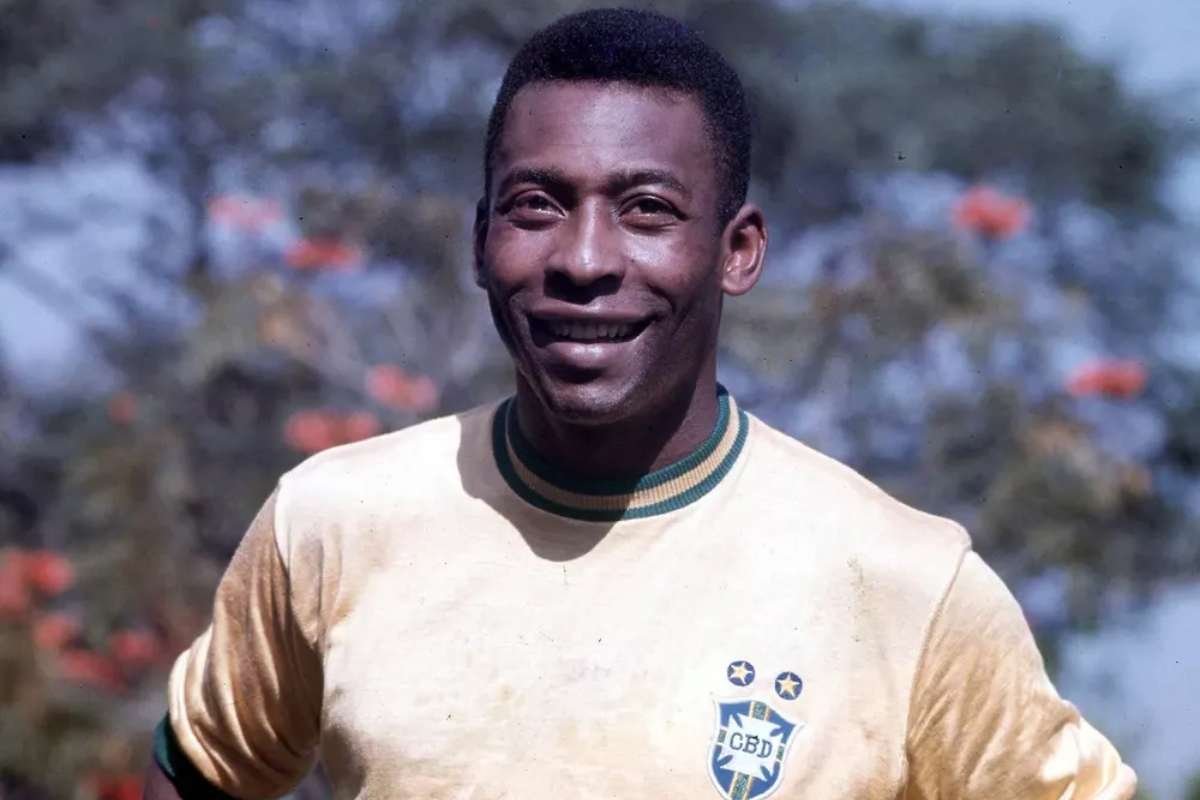
Career Span: 1956 to 1977
Career Highlights: Three FIFA World Cup championships (he was only 17 when he won his first), recognized as Player of the Century, included in TIME magazine’s 100 Most Important People of the 20th century, claimed 1000 or more career goals, and Brazil’s all-time leading goal scorer
Clubs: Santos (1956 to 1974), New York Cosmos (1975 to 1977)
Fan Following: He was more than just a player. He showed the world that this sport mattered. Kids everywhere wanted to play football because of him. He represented the idea that a poor kid from Brazil could become the best in the world.
International Achievements:
- Three World Cup championships (1958, when he was 17, 1962, 1970)
- 77 international goals in 92 matches
- Made Brazilian football famous globally
- Was the first football player to become a worldwide celebrity
Why Number Two?
Apart from ‘just’ playing football, Pelé made the entire world care about football. Before him, football was primarily a regional sport. After him, it became global. His influence made him an influential addition to the list of the greatest soccer players of all time.
He won three World Cups at different points in his career (as a young player, as a veteran, as a leader). That has never been done before or since. The reason he ranks below Messi is simple: most of his career was spent outside the top European leagues, and the level of competition he faced differed from that of modern times. However, nobody should ever forget that he changed sports forever. He made football into what it is today.
3. DIEGO MARADONA | ARGENTINA | Attacking Midfielder or Forward
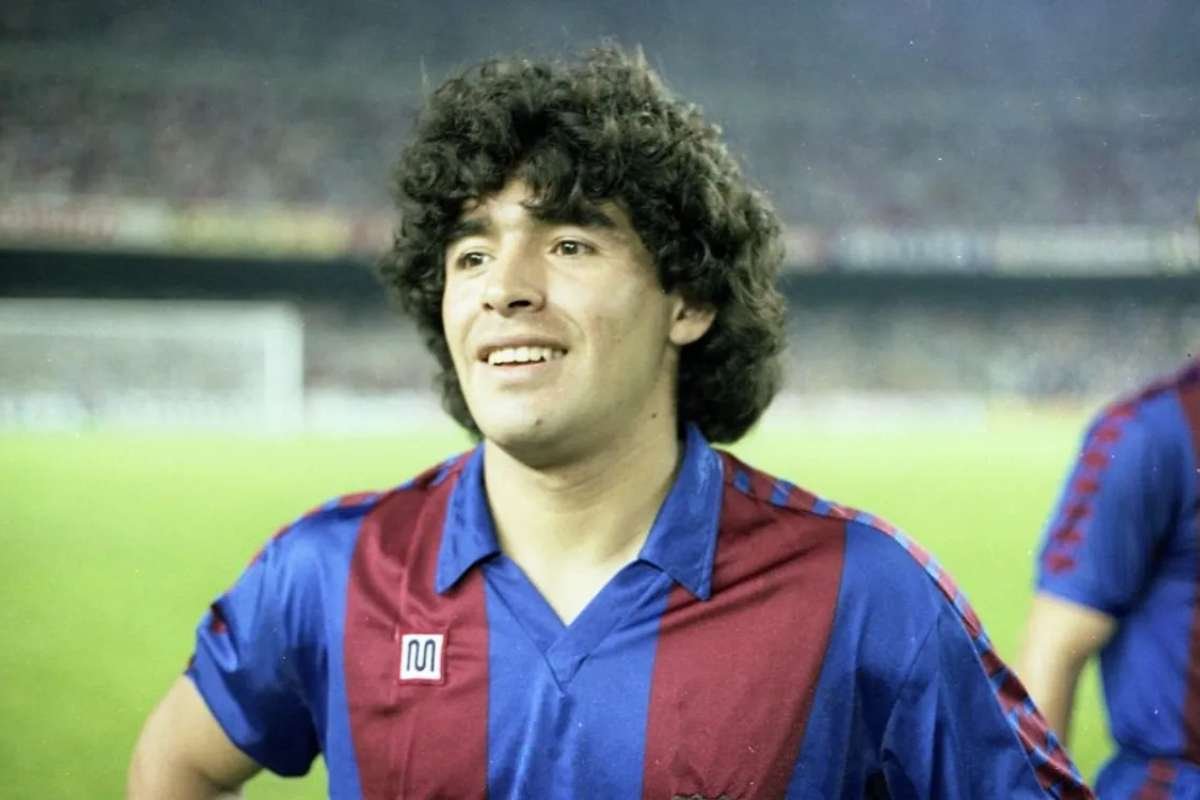
Career Span: 1976 to 1997
Career Highlights: 1986 FIFA World Cup champion (he basically won it by himself), selected as the best player at the 1986 World Cup, 2 Argentine Primera División titles, 2 Coppa Italia titles, took Napoli from a struggling team to Serie A champions, selected as Serie A’s best player in 1985
Clubs: Argentinos Juniors, Boca Juniors, Barcelona, Napoli, Sevilla, Newell’s Old Boys, back to Boca Juniors
Fan Following: In Argentina, he is not seen as just a great player. He is seen as a national hero. In Naples, his picture is on the walls everywhere. People who saw him play in 1986 still talk about him with emotion and respect decades later.
International Achievements:
- 1986 FIFA World Cup champion (he scored eight goals and made five assists in that tournament)
- 1990 FIFA World Cup runner-up (lost in the final to West Germany)
- 62 international goals
- Chosen as South American Player of the Year twice
- Took Argentina to a World Cup final without having many great players around him
Why Number Three?
No credible ranking of the greatest soccer players of all time can exclude Maradona. If you watch the 1986 video, you’ll see something special. Maradona did not just play football. He controlled the game completely. The 1986 World Cup was the most dominant single-tournament performance any player has ever had. He scored when his Team needed to win and created goals when that was what mattered most.
He carried a team that did not have world-class players and made them World Cup champions. Then he did something even harder. He went to Napoli, a team that was struggling, and led them to become Italian champions. That is a bigger achievement than most people realize. His career was shorter than those of Messi’s or Pelé’s, but at his peak, no player was more powerful or brilliant than Maradona.
MODERN GOATS (Players Who Dominated Their Times)
4. CRISTIANO RONALDO | PORTUGAL | Winger or Striker
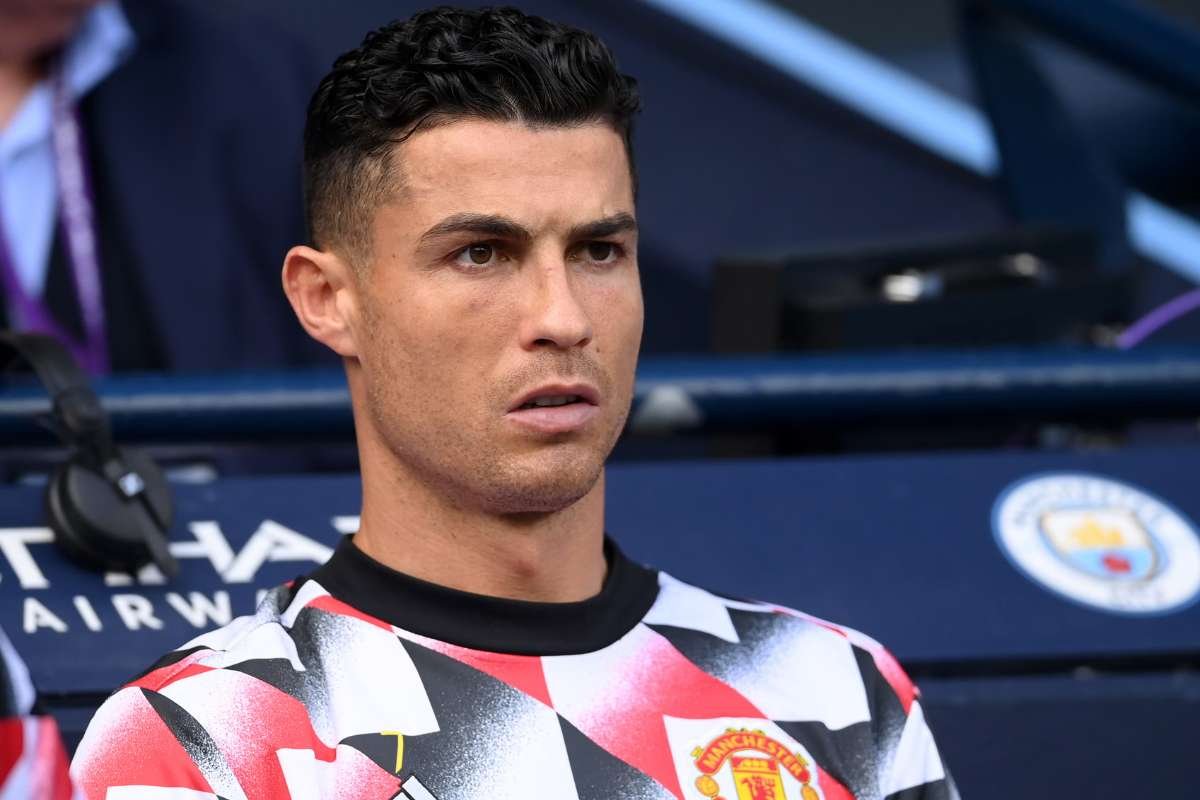
Career Span: 2002 to Present (2026)
Career Highlights: Five Ballon d’Or awards, five UEFA Champions League championships, seven titles in Europe’s top leagues (three in England, two in Spain, two in Italy), 130 or more international goals (the men’s record), 890 or more career goals, 2016 European Championship winner
Clubs: Sporting CP, Manchester United (two different times), Real Madrid, Juventus, Al Nassr, Al Hilal
Fan Following: He became a global icon due to his dedication to his body and work ethic. When he trains or plays, people watch. His social media presence has more followers than some countries have people. He changed how athletes think about maintaining their physical fitness in later life.
International Achievements:
- 2016 UEFA European Championship winner (Portugal’s first major trophy)
- Made it to several Euro semi-finals and finals
- Played in four different World Cups consistently
- Holds the men’s record for international goals
- Portugal’s greatest ever football player
Why Number Four?
What makes Ronaldo special is his consistent excellence. He played at the absolute highest level for more than 22 years, a level of longevity that defines the standard for the greatest soccer players of all time. He started as a fast winger who relied on speed. By his late thirties, he was a striker who scored from close range.
He changed himself completely. He won championships in four different European countries, a feat that is almost unheard of. His 890 career goals prove that he did not have just one or two great seasons. He had a great career from start to finish. The thing that holds him back from ranking higher is that he never dominated a World Cup tournament the way Maradona or Messi did. However, his consistency, his big-game goals, and the way he continually improved himself put him ahead of almost every other player in history.
5. JOHAN CRUYFF | NETHERLANDS | Forward or Attacking Midfielder
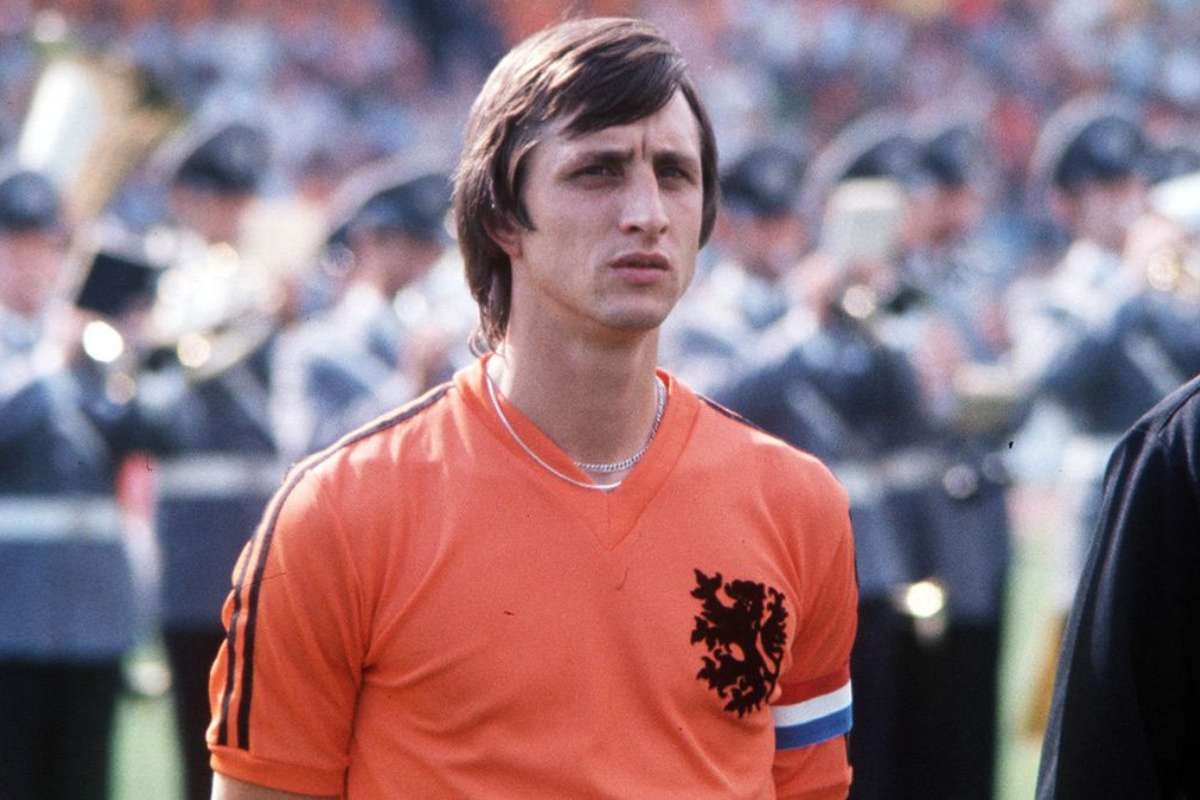
Career Span: 1964 to 1984
Career Highlights: Three Ballon d’Or awards, 1974 World Cup runner-up (many say that was the best single tournament performance ever), three European Cup wins, nine Dutch league titles, created the idea of “Total Football” that coaches still study today, completely changed how attacking players move and position themselves
Clubs: Ajax (came back multiple times), Barcelona, Los Angeles Aztecs, Fiorentina
Fan Following: Football coaches around the world respect him most of all. He did not just play the game. He changed how the game is played. Managers study videos of him to learn how to coach better.
International Achievements:
- 1974 World Cup runner-up (he led the Netherlands to the final)
- 48 international goals in 48 matches (this goal rate is elite level)
- Created Dutch football’s most significant era
- Selected for the all-time World Cup team by experts
Why Number Five?
Cruyff did not just play well. He completely changed the sport. He invented new ways for attackers to move. He created new skills. He made coaches think differently about how teams should play.
The Cruyff Turn is something every young player learns today. When you combine tactical genius with excellent technical ability, that is rare. He played in two World Cup finals (lost both times), which shows he performed at the highest level. But the objective measure of how great Cruyff was is this: coaches still watch his games. Kids still practice his moves. That is the mark of a truly legendary player.
6. FRANZ BECKENBAUER | WEST GERMANY | Defender or Libero
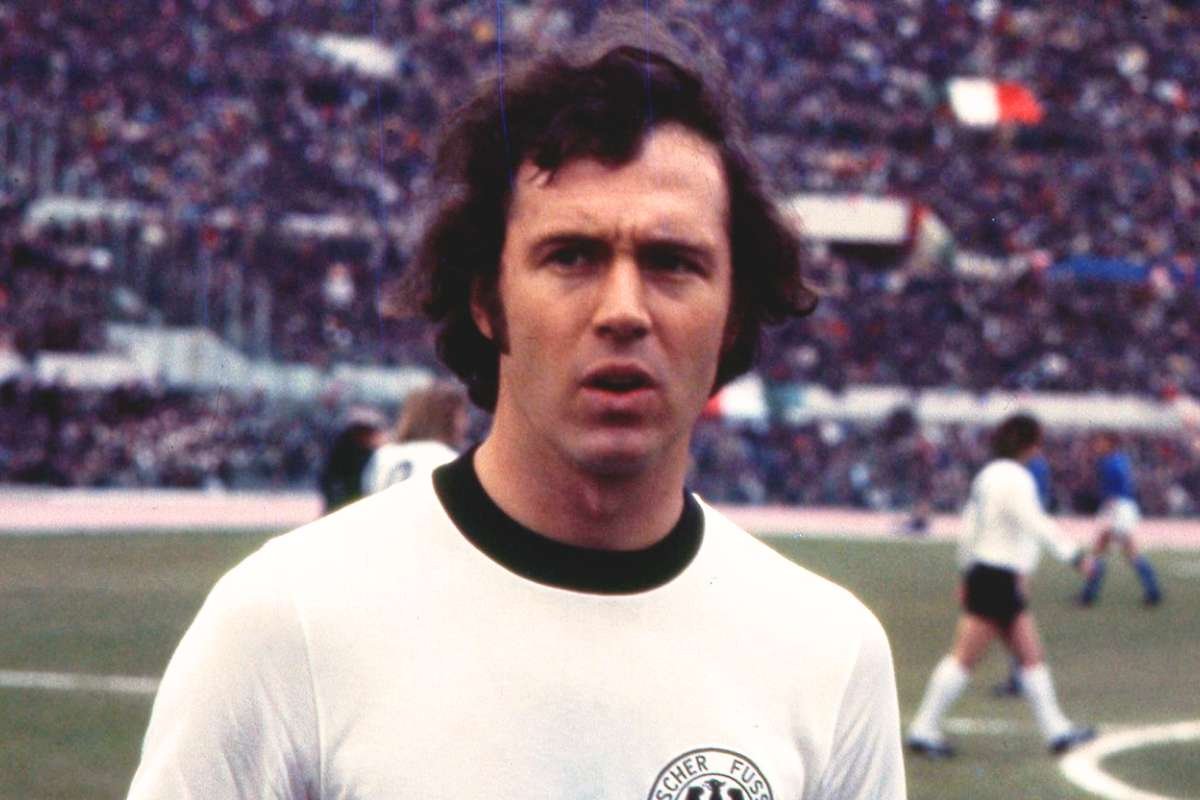
Career Span: 1964 to 1977
Career Highlights: Two Ballon d’Or awards (this is very unusual for a defender), 1974 World Cup winner (he was the captain), 1972 European Championship winner, three European Cup wins, and invented the modern sweeper position that defenders still use today
Clubs: Bayern Munich (two different periods), New York Cosmos, Hamburg
Fan Following: German football fans see him as a complete player. He could defend with anyone, but he could also run the Team from the back. Other defenders try to copy what he did.
International Achievements:
- 1974 World Cup champion (as captain)
- 1972 European Championship champion
- Over 50 international matches
- Led Bayern Munich to European championships
Why Number Six?
Beckenbauer is the only defender on this entire list ranked this high. That fact alone tells you how special he was. Before him, defenders were just defenders. After him, defenders could run the Team and create goals. Before Beckenbauer, nobody expected a defender to be excellent with the ball at his feet.
After him, that became the standard. He won Ballon d’Or awards because he truly deserved them, not because of some kind of novelty vote. His 1974 World Cup performance showcased a winning mentality that extended beyond being a good player. The reason he does not rank higher is that he did not score many goals. But for a defender, his impact is the greatest ever.
7. ZINEDINE ZIDANE | FRANCE | Attacking Midfielder or Second Striker
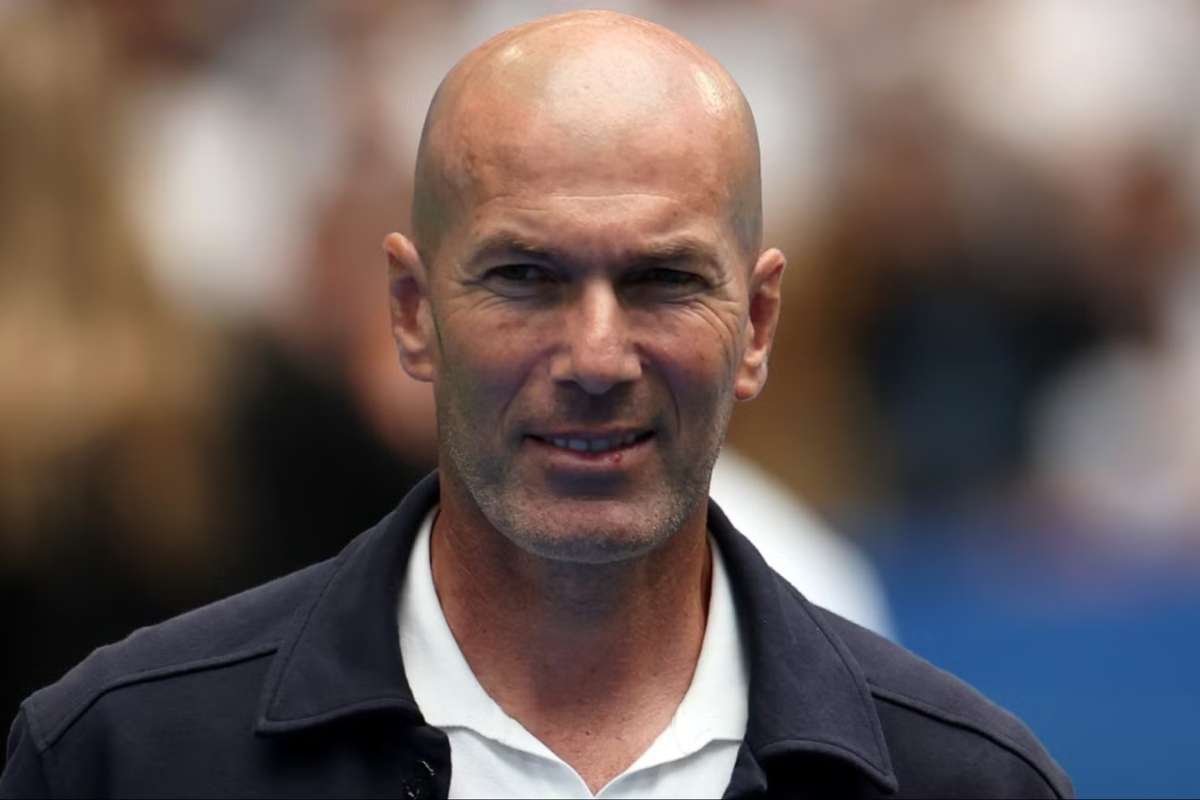
Career Span: 1989 to 2006
Career Highlights: Selected for Ballon d’Or in 1998, 1998 FIFA World Cup winner (scored two goals in the final), 2000 European Championship winner, 2002 Champions League winner (scored the winning goal with a beautiful volley), won titles in La Liga and Serie A, played with perfect technique and strength together, credentials that firmly place him with the greatest soccer players of all time.
Clubs: Cannes, Bordeaux, Juventus, Real Madrid
Fan Following: People admired his graceful play on the field. When he played, his Team always seemed better. Other players wanted to learn from him.
International Achievements:
- 1998 FIFA World Cup winner (shared the award as best player of the tournament)
- 2000 European Championship winner
- 2006 World Cup runner-up
- 108 international matches
Why Number Seven?
Zidane changed what people thought an attacking midfielder could do. He had perfect technique, but he also had physical power. That combination was rarely seen before. His 2002 Champions League goal is still the most beautiful volley in the history of the competition. When games were most important, Zidane played his best. That is what separates good players from great ones. What stands out about him is that his teams improved significantly when he was on the field. That is the definition of greatness.
8. RONALDO NAZÁRIO (R9) | BRAZIL | Striker
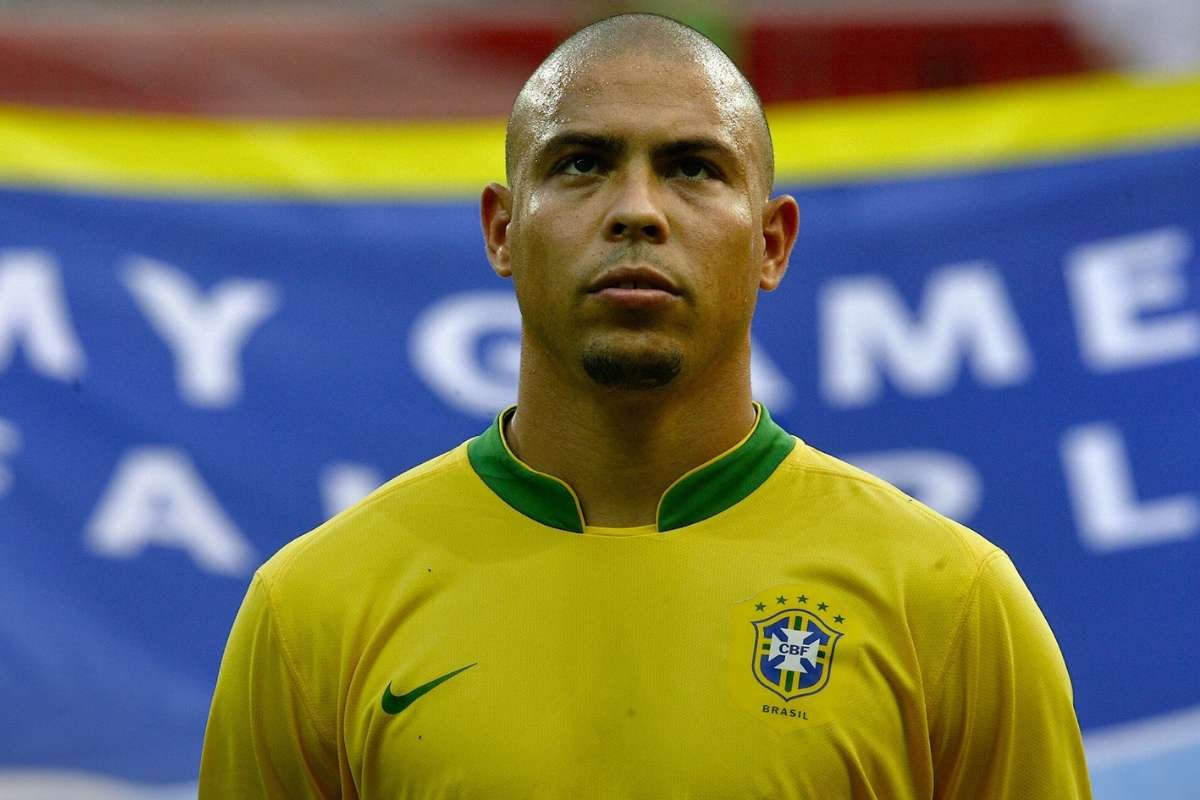
Career Span: 1993 to 2011
Career Highlights: Two Ballon d’Or awards, two FIFA World Cup championships (1994, 2002), scored 47 goals in just 49 Barcelona matches (1996-97 season), two Serie A titles, scored eight goals at the 2002 World Cup, and came back from two serious knee injuries that could have ended his career.
Clubs: PSV Eindhoven, Barcelona, Inter Milan, Real Madrid, AC Milan, Corinthians
Fan Following: People loved him for his raw power and speed. His comeback from injury is one of the greatest sports stories ever told. Players who have returned from serious injuries still cite Ronaldo as proof that it is possible.
International Achievements:
- 1994 FIFA World Cup winner (when he was only 17 years old)
- 2002 FIFA World Cup winner (after missing years with injuries)
- 62 international goals
- Two Copa América championships
- Led Brazil to multiple tournament victories
Why Number Eight?
When Ronaldo played for Barcelona in 1996 and 1997, he was the most potent striker anyone had ever seen. He combined explosive speed with strength and technical skill in a way that made him almost impossible to defend against. Then his knees got seriously injured.
This should have ended his career. Instead, he fought back and won another World Cup. That comeback is almost unbelievable. A striker should not be able to perform at the highest level after that kind of injury. But Ronaldo did. The reason he does not rank higher among the greatest soccer players of all time is that his tenure as an elite player was shorter than that of others. However, those few years when he was at his best were truly special.
CHAMPIONSHIP ARCHITECTS (Builders of Legacies)
9. ALFREDO DI STÉFANO | ARGENTINA or SPAIN | Second Striker
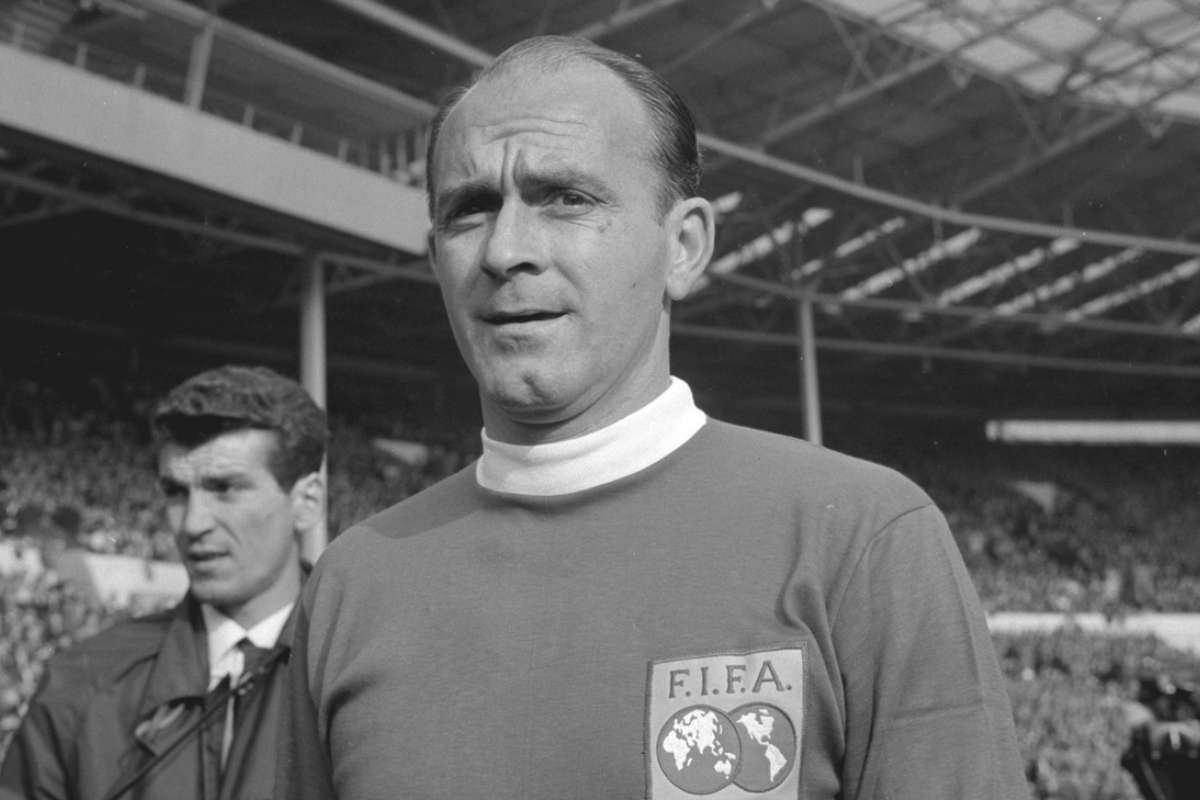
Career Span: 1945 to 1964
Career Highlights: Two Ballon d’Or awards, five European Cup championships in a row (1956 through 1960), eight La Liga titles, selected as the top goal scorer five times, founded Real Madrid’s dynasty that still exists today, and was the most complete forward of his time.
Clubs: Millonarios (in Colombia), Real Madrid, Español
Fan Following: Spanish fans see him as the man who built Real Madrid. His picture and name are forever linked to the club.
International Achievements:
- Played for both Argentina and Spain (the rules were different then)
- Built Real Madrid into Europe’s most excellent club
- Set the standard for how modern football clubs should perform
Why Number Nine?
Di Stéfano was unlike modern players because he did everything. He scored, he defended, he created goals for teammates, and he made his Team better. His five European Cups in a row from 1956 to 1960 is the most dominant period any club has ever had. Real Madrid was so good because of him.
The reason he does not rank higher is that he spent much of his early career outside the top European leagues (in Colombia) and played before football became global. However, his effect on Real Madrid and on European football cannot be overstated.
Read More:
- Legends Never Retire: The Oldest Professional Soccer Players Still Playing
- Legacy Under Pressure: 25 of the Best Female Footballers in the World
10. MICHEL PLATINI | FRANCE | Attacking Midfielder
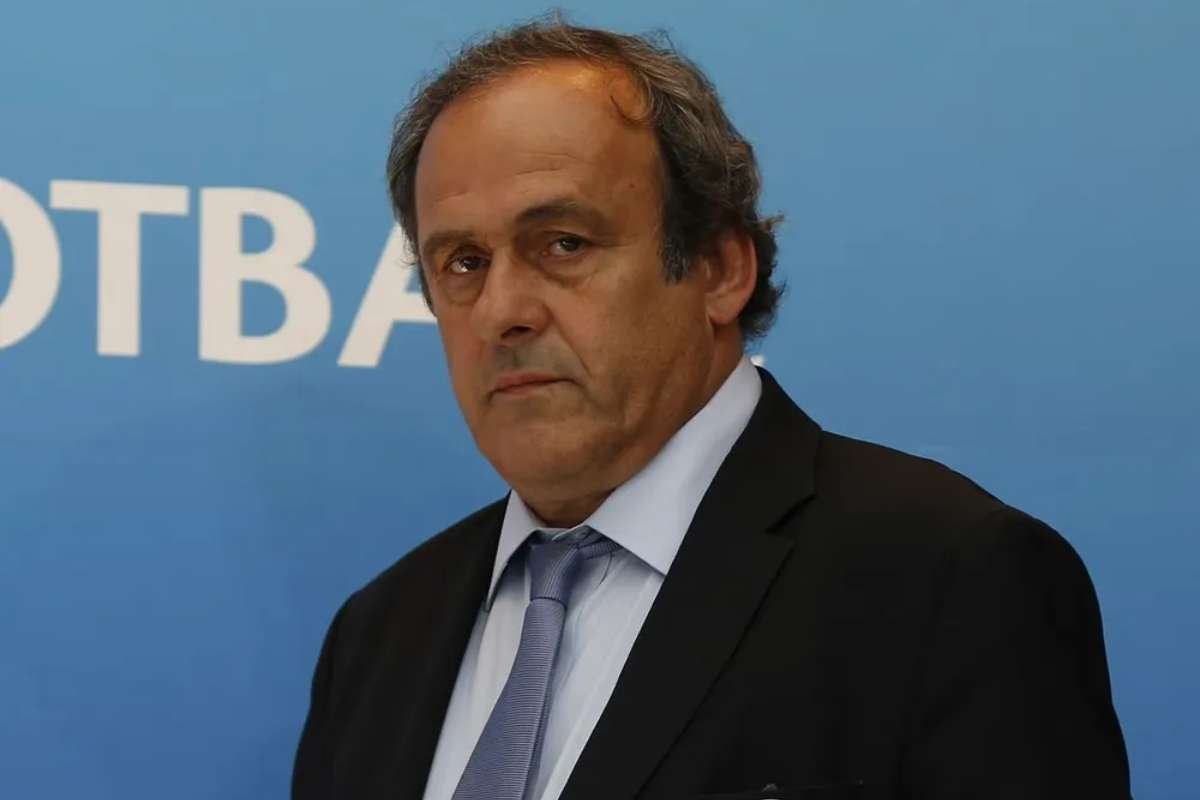
Career Span: 1972 to 1987
Career Highlights: Three Ballon d’Or awards in a row (1983, 1984, 1985), 1984 European Championship winner and best player of the tournament (scored nine goals in five matches), European Cup winner, two Serie A titles, and selected as the league’s top goal scorer four times.
Clubs: Nancy, Saint-Étienne, Juventus, France 98
Fan Following: French fans regard him as their most outstanding player of all time. People remember how elegant he was and how many goals he scored from midfield.
International Achievements:
- 1984 European Championship winner (his performance is still considered the best by a midfielder at a tournament)
- 72 international goals
- Captained France to the Euro championship
- Built the French Team into champions
Why Number Ten?
Platini’s 1984 European Championship is still one of the best tournaments any single player has ever had. Nine goals in five matches from midfield is something people still talk about decades later. He won Ballon d’Or awards three years in a row when that award really meant something. He played in Italian football, a tough league, and dominated it. His peak was mainly in the 1980s, so that some people may have forgotten about him today, but his actual achievements were genuine and impressive.
11. GARRINCHA | BRAZIL | Right Winger
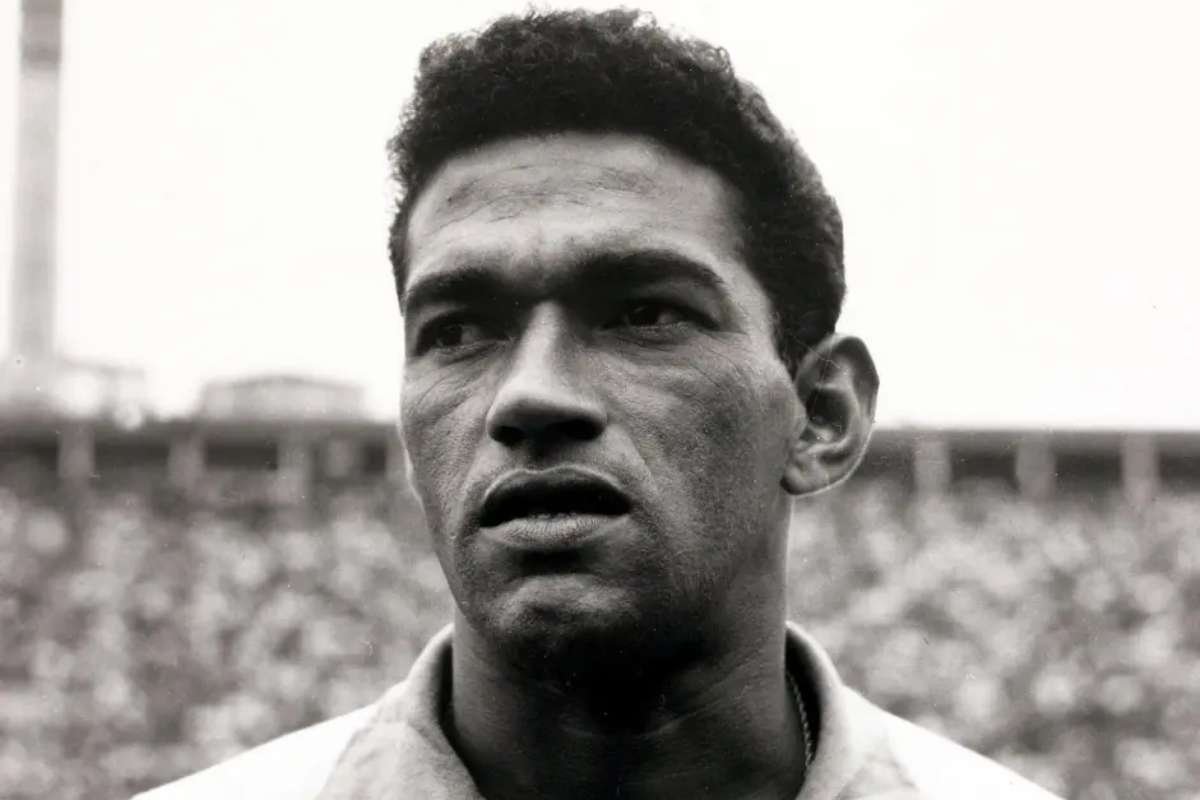
Career Span: 1953 to 1972
Career Highlights: Two FIFA World Cup championships, selected as the best player at the 1962 World Cup, pioneered modern winger football with his athleticism and speed, claimed to have scored 530 or more career goals, and helped make Brazilian football famous.
Clubs: Botafogo, Corinthians, Flamengo, Atlético Junior
Fan Following: In Brazil, he is remembered as a player who brought joy to the game. He made football fun and made people smile.
International Achievements:
- Two World Cup championships (1958, 1962)
- Won the 1962 World Cup as the best player, even though Pelé got hurt during the tournament
- Defined Brazilian samba football for the whole world
- Showed that Brazil could win without just relying on their most famous player
Why Number Eleven?
Garrincha proved that a team could win a World Cup without its best player present. Pelé was hurt during the 1962 tournament, so Garrincha had to lead them. That is a rare kind of individual impact, especially when discussing the greatest soccer players of all time. He was the original samba-style winger, bringing joy and creativity to the position.
The reason he does not rank higher is that, compared to modern great players, his game was more limited (he was a brilliant dribbler and runner, but did not do as many different things). His club career was also not as prestigious as his international career. But what he did for how football is played and enjoyed is huge.
12. GERD MÜLLER | WEST GERMANY | Striker
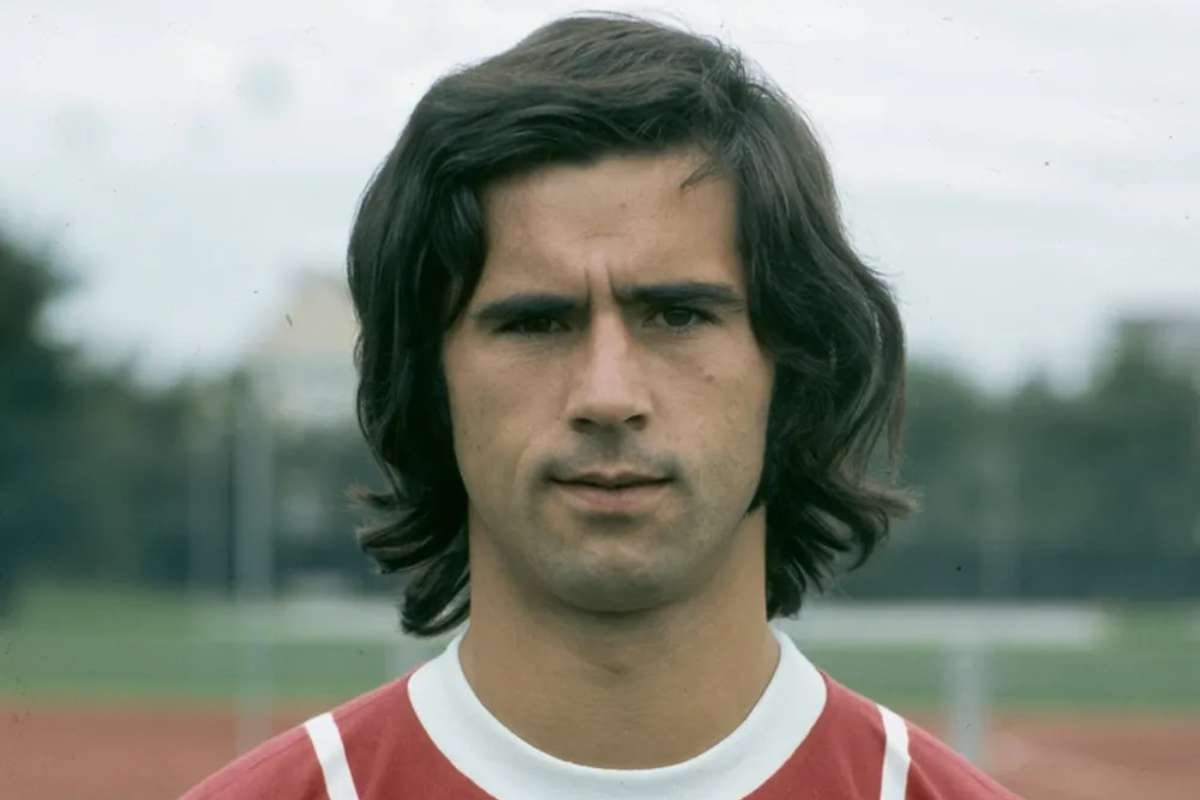
Career Span: 1964 to 1979
Career Highlights: Selected for Ballon d’Or in 1970, 1974 FIFA World Cup winner (scored the winning goal in the final against the Netherlands), 1972 European Championship winner, 68 international goals in 62 matches (this is an excellent rate), three European Cup wins, selected as the league’s top goal scorer four times.
Clubs: TSV 1860 München, Bayern Munich, AS Roma
Fan Following: German fans remember him as a striker who scored when it mattered most. Defenders feared him because he was so efficient.
International Achievements:
- 1974 FIFA World Cup winner (he scored the goal that won the final)
- 1972 European Championship winner
- 68 international goals (the most for Germany at the time he retired)
- Scored multiple goals in tournament finals
Why Number Twelve?
Müller was a pure goal scorer. His goal for the game ratio at the international level is still perfect today. He won a World Cup and a European Championship. He was the striker that other teams had to be most careful about. Teammates called him “The Bomber” because he finished so well.
The reason he does not rank much higher is that his job was very specialized. He was a finisher rather than someone who did many different things in football. But if you want to know what the perfect goal scorer looks like, watch Müller.
13. RONALDINHO | BRAZIL | Winger or Attacking Midfielder
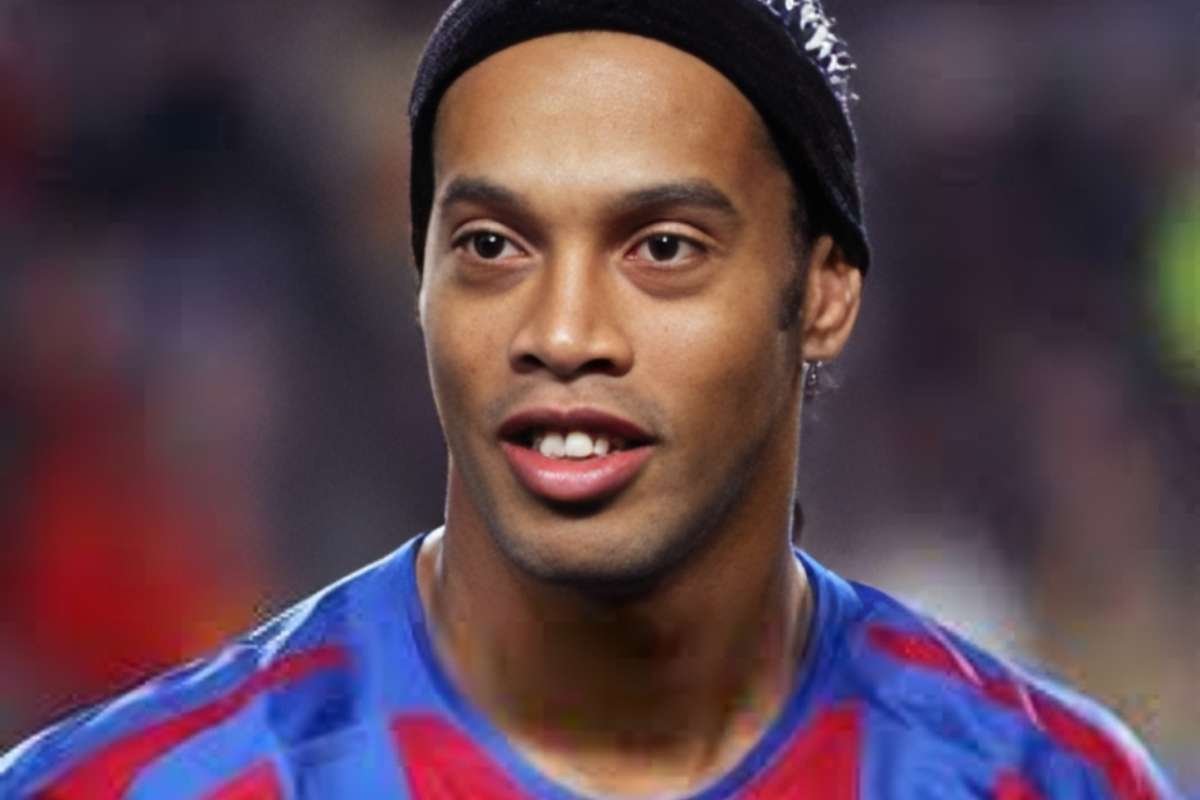
Career Span: 1998 to 2015
Career Highlights: Selected for Ballon d’Or in 2005, 2002 FIFA World Cup winner, two La Liga titles (his Barcelona years were special, and people still talk about them), selected as World Player of the Year twice (2004, 2005), one Copa América championship, and made people love watching football again by making it beautiful.
Clubs: Grêmio, PSG, Barcelona, AC Milan, Atlético Mineiro, Flamengo, Querétaro
Fan Following: People around the world loved watching him because football looked like art when he played. Kids everywhere wanted to do his tricks.
International Achievements:
- 2002 FIFA World Cup winner
- 33 international goals
- Copa América winner
- Showed Brazilian attacking football at its best
Why Number Thirteen?
Ronaldinho’s best years at Barcelona, from 2003 to 2006, were truly magical. He had incredible physical gifts, but he also played with an artist’s mind. Football looked beautiful when he played. Kids worldwide learned his moves because they wanted to play like him. His very best level lasted three or four intense years. After he left Barcelona, he never returned to that level of play again. He lost some of his hunger and his motivation. That hurt his ranking. However, at his peak, he was an absolutely great player.
LEGACY BUILDERS (Transforming Their Positions)
14. PAOLO MALDINI | ITALY | Left Back or Defender
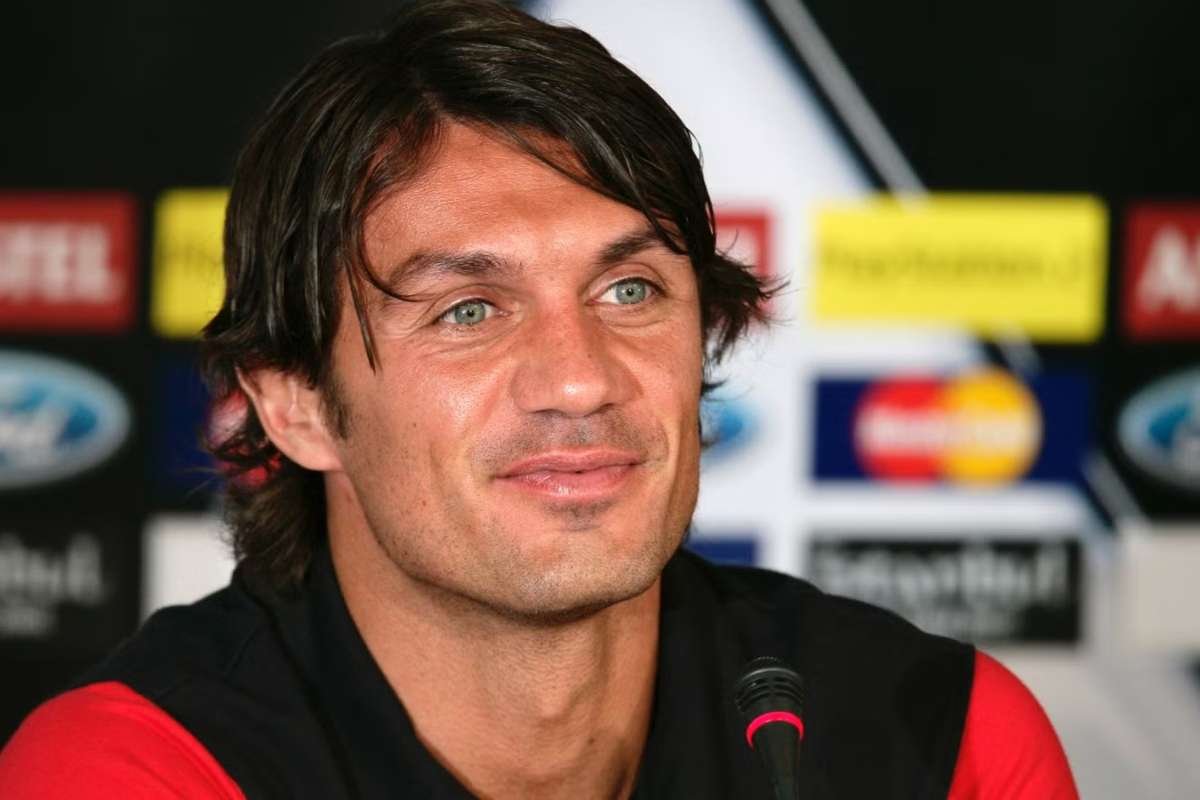
Career Span: 1984 to 2009
Career Highlights: Five UEFA Champions League championships, seven Serie A titles, played 902 matches for AC Milan (the club record), was at the 1994 World Cup final when Italy lost (he was the anchor of their defense), and stayed at an elite level for 25 continuous years.
Clubs: AC Milan (his entire career)
Fan Following: Football people respect him as a complete professional. He aged beautifully and never seemed to get worse.
International Achievements:
- 126 international matches
- 1994 FIFA World Cup runner-up
- 2000 European Championship runner-up
- Italy’s most outstanding defender ever
Why Number Fourteen?
Maldini did something almost impossible. He played at the very highest level for 25 straight years. At left back, which is a physically demanding position, is extraordinary. He won five Champions Leagues, which is one of the highest totals ever. He played over 900 times for the same club and showed no significant decline with age. What makes him special is consistency.
He was not flashy, but he was always perfect. The reason he does not rank higher among the greatest soccer players of all time is that defenders do not get as much individual recognition as players who score goals. His greatness was more about helping his Team play well than dominating matches himself.
15. ANDRÉS INIESTA | SPAIN | Attacking Midfielder or Winger
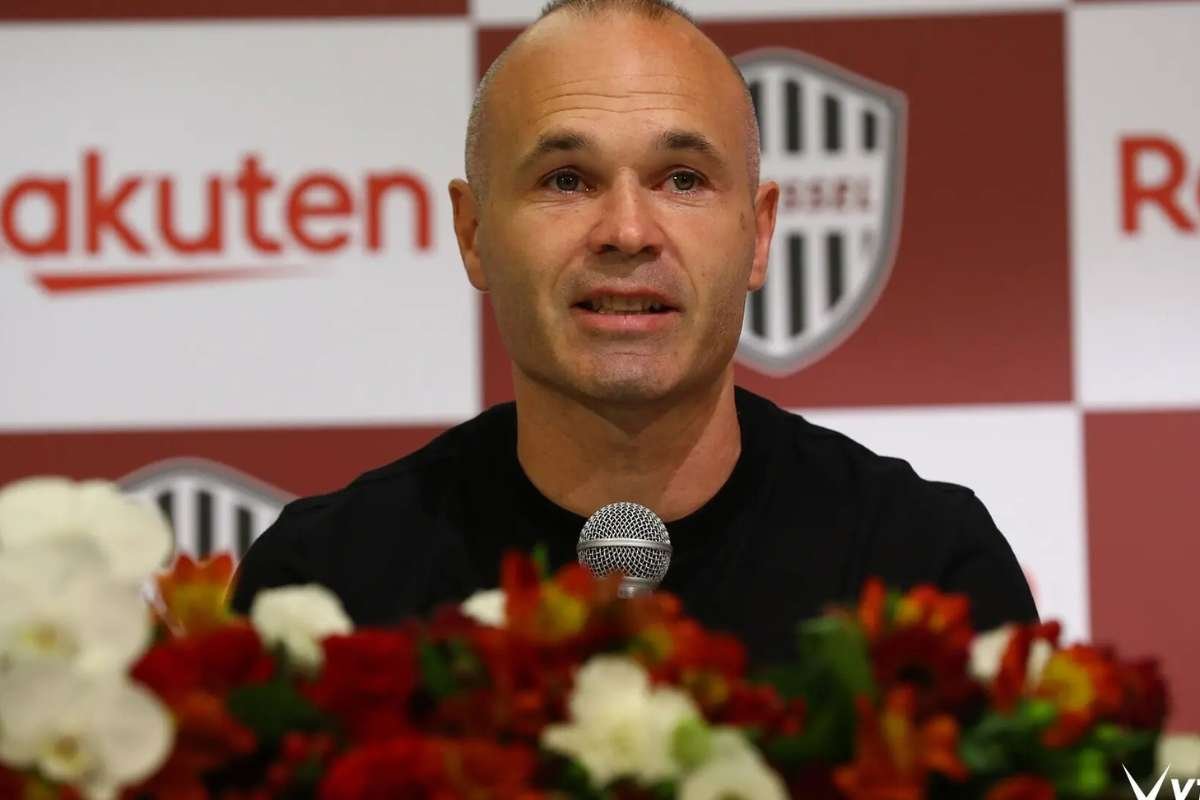
Career Span: 2000 to 2018
Career Highlights: 2010 FIFA World Cup winner (he scored the goal that won the tournament), two European Championship wins (2008, 2012), four UEFA Champions League titles, nine La Liga titles, selected as UEFA’s best male player in 2012, scored 35 international goals
Clubs: Barcelona, Vissel Kobe
Fan Following: People respect him for his grace. He was humble and let his football do the talking.
International Achievements:
- 2010 FIFA World Cup winner (he scored the tournament-winning goal in the final)
- Two European Championship wins (2008, 2012)
- 131 international matches
- Helped Spain win everything from 2008 to 2012
Why Number Fifteen?
Iniesta was the most beautiful midfielder of his generation. His passing was exact, and his movement off the ball was perfect. What made him special was that he did not just give the ball and move. He scored the World Cup winner in 2010, which demonstrates that he can also finish. He won many championships, but often his job was making other players better. His elegance and consistency were remarkable, but his lower goal involvement and the way he needed a perfect team around him kept him from ranking higher as one of the greatest soccer players of all time.
16. XAVI HERNÁNDEZ | SPAIN | Central Midfielder
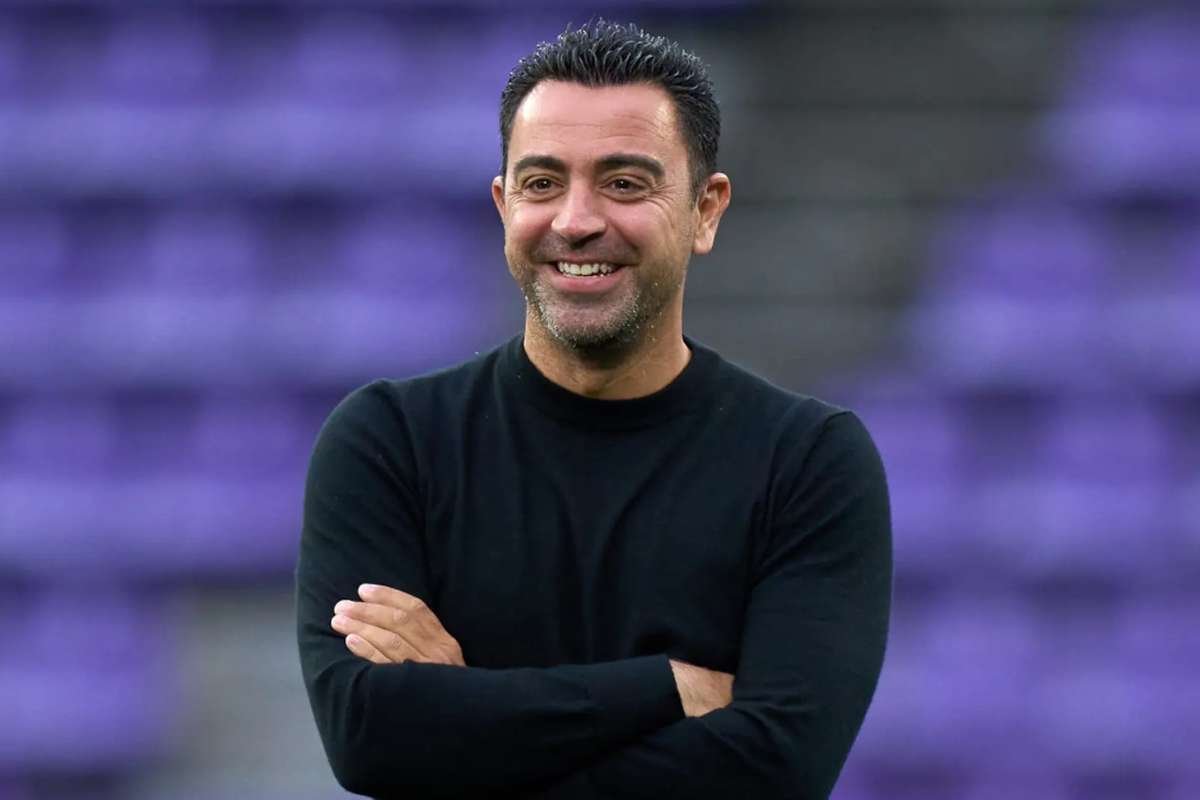
Career Span: 1998 to 2019
Career Highlights: 2010 FIFA World Cup winner, two European Championship wins, four UEFA Champions League titles, eight La Liga titles, holds the record for assists at the highest level of football, and created 25 or more goal-scoring opportunities in multiple seasons.
Clubs: Barcelona, Al Sadd
Fan Following: People who understand football respect how he controlled matches. He changed what a midfielder could do.
International Achievements:
- 2010 FIFA World Cup winner
- Two European Championship wins (2008, 2012)
- 133 international matches
- Led Spain’s midfield for over a decade
Why Number Sixteen?
Xavi was the best at passing and controlling the midfield ever. His assist record is genuinely extraordinary. He could slow down a game or speed it up based on what his Team needed. The problem is that assists do not receive as much value as goals.
His greatness depended on having elite players around him (Barcelona’s midfield and Spain’s attacking players). When the system changed or when he did not have those players, his impact was less. However, when everything was right around him, he was the heart of championship teams.
17. MARCO VAN BASTEN | NETHERLANDS | Striker
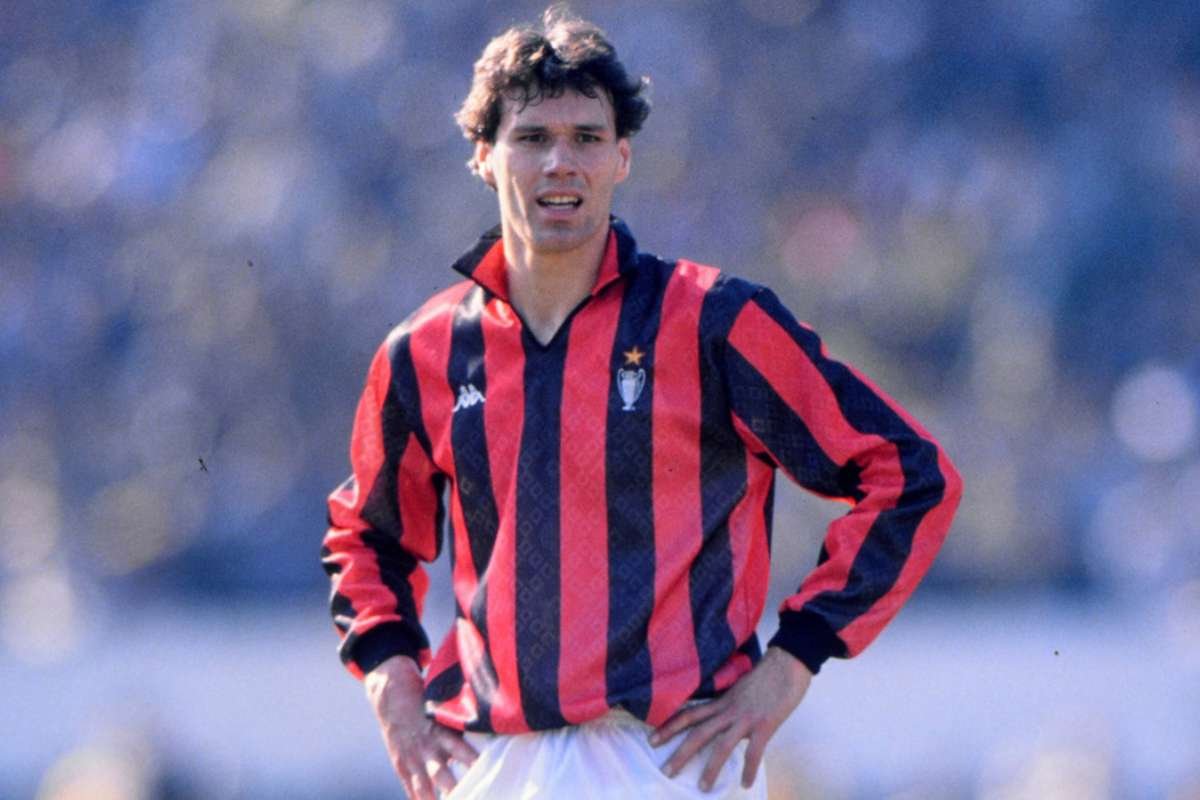
Career Span: 1982 to 1993
Career Highlights: Three Ballon d’Or awards in a row (1988, 1989, 1992), 1988 European Championship winner, two European Cup wins, three Serie A titles, combined technical skill with physical power better than almost any striker ever; his career ended early because of injuries, achievements that define the greatest soccer players of all time.
Clubs: Ajax, AC Milan, Ajax again
Fan Following: Dutch fans remember him as a complete number nine. He was strong but also very technical.
International Achievements:
- 1988 Euro winner (he scored the winning goal in the final)
- 50 international goals in 61 matches
- Played in several Euro finals
- Led the Netherlands back to being great
Why Number Seventeen?
Van Basten was a complete striker. He was powerful, he had technique, he had intelligence, and he could finish. His winning goal for Euro 1988 showed a striker at his absolute best. He won the Ballon d’Or award three times, a feat achieved in a very competitive field. The main issue is that severe injuries ended his career much earlier than it should have. His time at his very best level was only about six or seven years. If he had stayed healthy, he could have ranked higher. But his peak was genuinely elite.
18. LUKA MODRIĆ | CROATIA | Central Midfielder
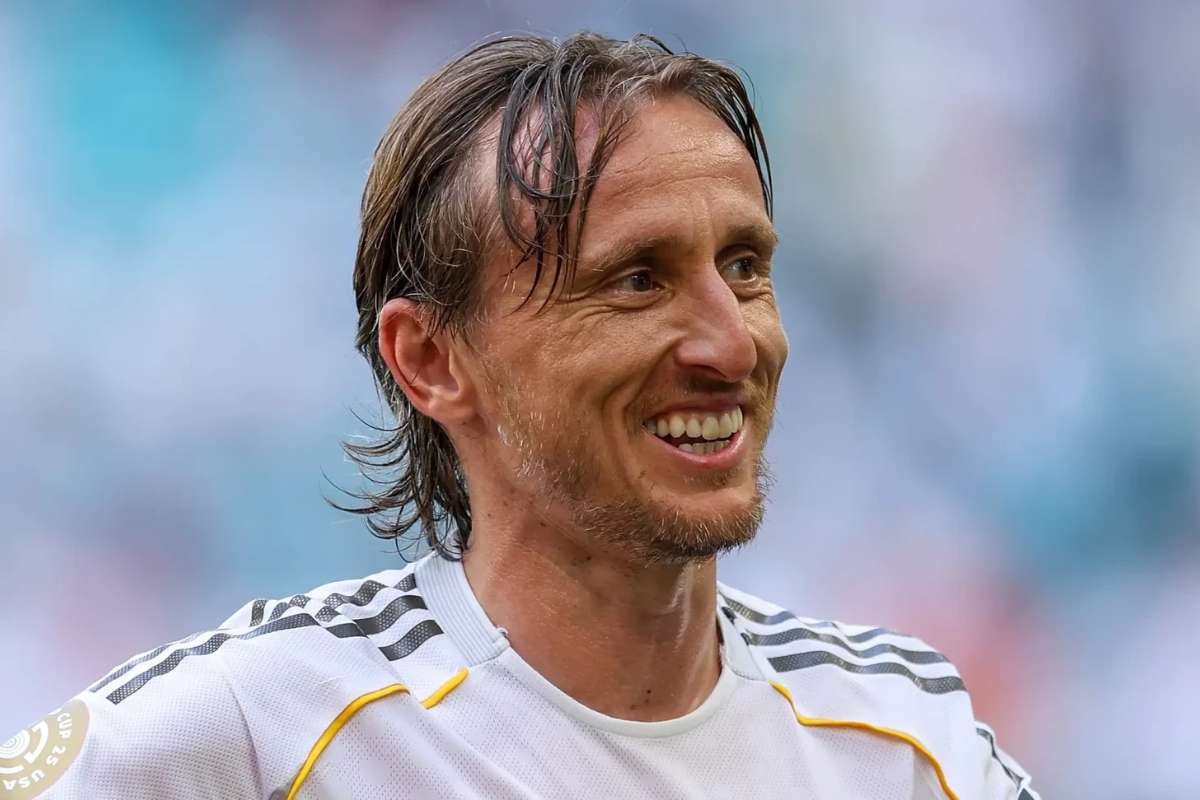
Career Span: 2003 to Present
Career Highlights: Won the Ballon d’Or in 2018 (broke the Messi and Ronaldo winning streak), 2018 FIFA World Cup runner-up (he led Croatia to the final), six UEFA Champions League championships, four La Liga titles, selected as the best player in the world in 2018
Clubs: Dinamo Zagreb, Real Madrid
Fan Following: People loved that he was from a small country, yet he still played at the highest level. He showed leadership and never stopped working.
International Achievements:
- 2018 FIFA World Cup runner-up (he led unfancied Croatia to the final)
- 2020 Euro semi-finalist
- 161 international matches
- Croatia’s most outstanding player ever
Why Number Eighteen?
Modrić did something special. His place among the greatest soccer players of all time became undeniable when he won the Ballon d’Or while Messi and Ronaldo were still performing at elite levels. That proves he was genuinely great. He led a small nation that lacked many star players to a World Cup final. That kind of leadership is rare. He won six Champions League titles, which puts him in very exclusive company.
The reason he ranks 18 rather than higher is that his best years (2014 to 2018) were shorter than most other greats. He also played in a support role rather than as the most important player on the Team. However, what he achieved and how he did it (with fewer star players around him) deserves respect.
Read More:
- Who is the Richest Footballer in the World? You Might Be Surprised
- Best Soccer Coaches in the World: Who Leads Football’s New Era in 2026
Conclusion
Messi’s 2022 World Cup victory brought to a close long-standing arguments. It was the final achievement that confirmed his place at the very top of the game. That moment placed him alone at the top among the greatest soccer players of all time.
That does not diminish the rest of this list. The remaining seventeen names represent a level of greatness that goes far beyond goals and trophies. Pelé turned football into a global obsession. Maradona carried a flawed team to World Cup glory through sheer force of will. Cruyff reshaped how coaches and players perceive and utilize space and movement. Beckenbauer redefined leadership from the back.
Each of these eighteen figures delivered something football had never seen before. They performed under the highest pressure, won the biggest competitions, and stayed elite across multiple seasons.
New stars like Kylian Mbappé may one day enter this conversation. For now, these eighteen define the standard. Study them. Understand them. This is what greatness in football truly looks like.