Sustainable UAE Construction is becoming a key priority for firms as environmental regulations and client expectations continue to evolve. Balancing these green initiatives with profitability can be challenging, as traditional practices often increase costs or reduce efficiency. Consequently, companies need strategic solutions that enable eco-friendly operations without compromising financial performance.
Digital transformation offers a pathway to achieve this balance. Construction firms are already revolutionizing delivery and resource management through digital solutions.By adopting ERP systems (including region-specific platforms such as ERP Dubai), companies can integrate project planning, resource allocation and cost tracking into a unified framework.
The result is clear: firms can optimize operations and increase profitability, while adopting sustainable practices. Implementing ERP not only promotes sustainability but also strengthens accountability and strategic planning. With actionable insights and streamlined workflows, firms can achieve both environmental and financial targets.
Why Sustainability Matters for UAE Construction Firms?
Sustainability is no longer optional for businesses, as the landscape of Sustainable UAE Construction is now defined by tighter rules and frameworks. The government has introduced mandates such as the Dubai Green Building Regulations & Specifications, which seek to reduce energy, water, and material consumption in new buildings. Adapting to these standards is now a prerequisite for any firm looking to remain competitive in the region’s evolving market.
At the same time, rising client expectations and ESG demands require contractors to deliver greener outcomes while maintaining profit margins. The challenge is that green practices often involve higher upfront costs, so firms must find ways to integrate sustainability while protecting their bottom line.
The reasons behind the strong demand for the sustainability:
- Regulatory and market pressure. Government frameworks like the Estidama Pearl Rating System (Abu Dhabi) and the green building regulations in Dubai are pushing building projects to higher sustainability standards.
- Cost savings & operational efficiency. Sustainable buildings tend to use less energy and water, generate less waste, and therefore lead to lower running and maintenance costs — reducing the lifetime cost burden for firms.
- Risk management & reputation. Sustainability reduces dependency on scarce resources, mitigates waste‑risk, enhances resilience and strengthens stakeholder trust — factors that matter in a region with intense development activity.
- Market differentiation. Increasingly, clients, investors and tenants in the UAE place a premium on eco‑friendly or “green” buildings. This creates a competitive edge for contractors that can deliver sustainably.
- Long‑term value creation. Firms that align with sustainability goals can future‑proof their operations, tap into new green markets and integrate circular economy practices — potentially improving profitability over time.
The Cost Dilemma: Green Practices vs Profit Margins
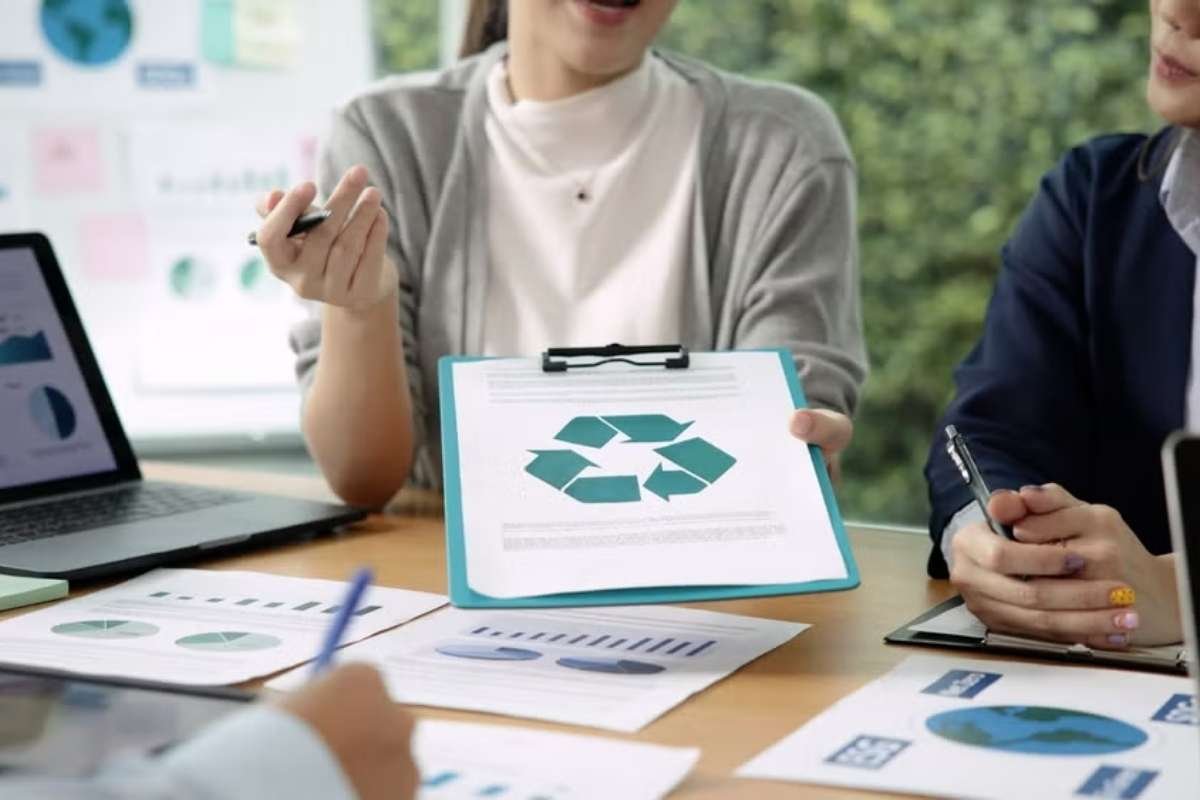
While Sustainable UAE Construction brings significant long-term benefits—such as energy efficiency, lower lifecycle costs, and market premiums—it also introduces immediate upfront cost pressures. Eco-materials often carry a higher price tag, waste-reduction processes can require specialized workflows, and new compliance or data-tracking obligations can add significant administrative overhead. Navigating these initial expenses is the primary hurdle for firms aiming to align with the region’s green vision.
In a sector with tight margins and high competition like UAE contracting, this creates a dilemma: how to adopt greener practices without sacrificing profitability. Sustainability must be integrated in a way that supports — rather than undermines — cost control.
How ERP Supports Profitability While Protecting Profits?
A construction-specific ERP system helps firms realize the full potential of Sustainable UAE Construction by providing real-time visibility and built-in controls. Instead of viewing green initiatives as cost centers, the system ensures that each sustainable choice is both financially measurable and operationally practical. By unifying data across the job site and the back office, these platforms turn environmental goals into measurable drivers of business growth.
With modules that connect procurement, materials, waste and energy use, firms can monitor both environmental and financial performance in tandem — turning sustainability into a controllable part of the business rather than a burden.
Sustainable Material Sourcing & Procurement Modules
Modern construction ERPs offer procurement modules that empower firms to prioritise sustainable suppliers (e.g., recycled content, lower embodied carbon, local sourcing).
These modules also track orders, deliveries, material certificates and usage, helping to optimise cost and waste. By knowing exactly what was ordered, when it arrives and whether it meets specification, contractors minimize cost overruns and sustainability penalties.
Key actions:
- Incorporate sustainability criteria (certifications, transport footprint) into supplier evaluation.
- Link procurement to project cost-code and sustainability goals, so each purchase reflects both cost and environmental impact.
- Use ERP data to negotiate better terms with sustainable suppliers, gain volume benefits, and pass savings into margins.
Waste-Reduction and Resource-Optimisation Workflows

Waste in materials, labour idle time and equipment under-utilisation hit both cost and sustainability targets. A tailored ERP supports workflows that reduce these wastes.
For instance:
- Inventory tracking shows when materials are over-ordered or sit unused, reducing cost and waste.
- Equipment hours and labour utilisation captured in real-time ensure resources are deployed efficiently and idle time minimised.
- Workflows for re-use, off-cuts and recycling can be embedded into the system, with reporting on volumes and cost-savings.
By reducing waste through workflow automation and real-time tracking, UAE construction companies improve profitability while advancing sustainability.
Energy Monitoring, Emissions Tracking and Lifecycle Cost Control
Sustainability also means tracking energy use, fuel consumption, equipment emissions, and embodied carbon—and a good construction-ERP is equipped to capture this within the framework of Sustainable UAE Construction. Additionally, these digital systems allow firms to monitor their environmental footprint in real-time, ensuring that every project phase aligns with both regional mandates and corporate ESG goals.
- Lifecycle cost control helps firms compare materials or equipment not just on upfront cost but total cost of ownership and environmental impact.
- Emission data can feed into corporate ESG or green-building certification submissions, creating additional value and margin opportunities.
- By aligning decisions around energy/fuel use and emissions with cost data, contractors can choose equipment or processes that deliver long-term savings and green credentials.
Linking Sustainability KPIs and Financial KPIs
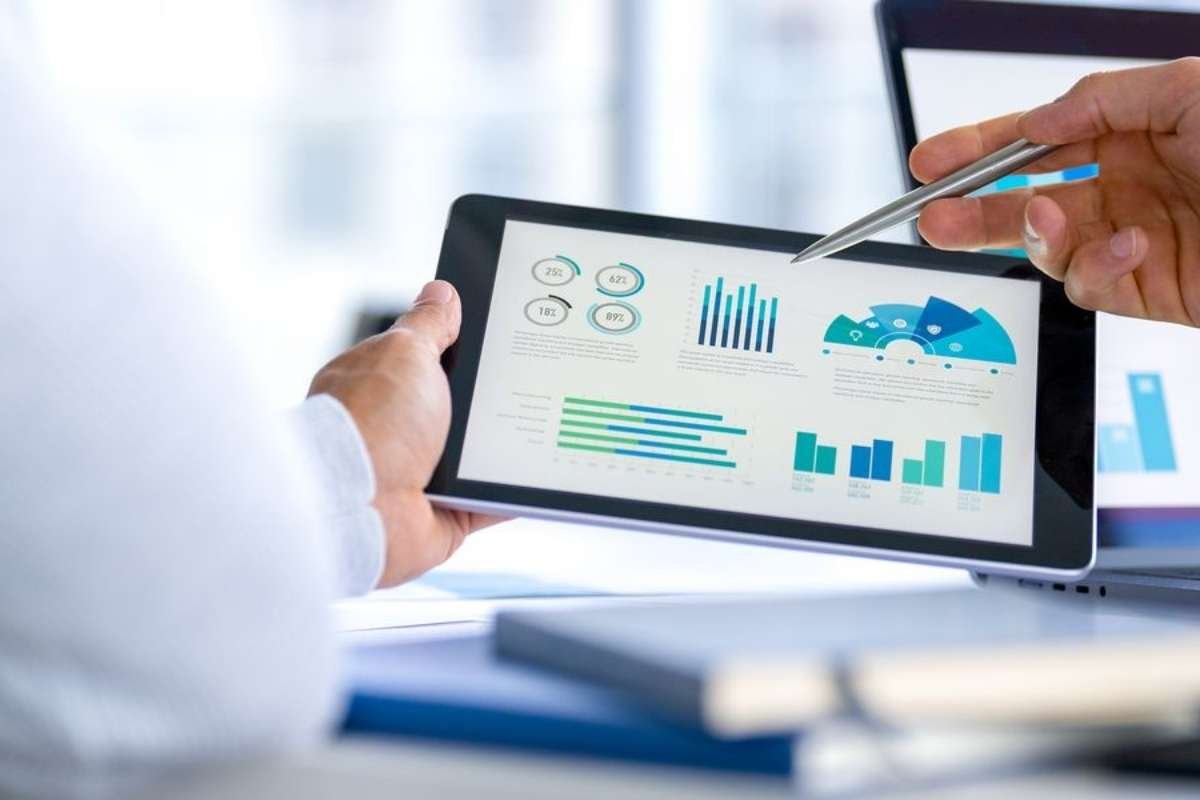
The crux of embedding sustainability without harming margins lies in connecting sustainability metrics (e.g., waste reduction, emissions, recycled content) with financial KPIs (cost per unit, margin, return on investment). ERP systems enable this linkage by consolidating data across operational, financial and sustainability domains.
List of actionable linkages:
- Waste kg per m² → cost of waste disposal + rework cost
- Equipment idle hours → fuel/emission cost + margin lost per hour
- Recycled-content materials usage → cost differential + marketing/green-premium value
- Carbon emission per project phase → potential carbon-tax exposure + brand value enhancement
By embedding dashboards that show both green and financial KPIs side by side, management can make decisions for Sustainable UAE Construction where “doing good” maps directly to “doing well.” This unified view ensures that environmental performance is never isolated from the fiscal health of the project, allowing for balanced and informed strategic choices.
Practical Steps for UAE Construction Firms Implementing ERP for Sustainability
To fully leverage a construction‑ERP in support of sustainability — without sacrificing profitability — UAE construction firms should consider the following practical steps:
- Define clear sustainability KPIs early. Identify metrics such as material waste per m², CO₂ emissions per project phase, percentage of recycled content, and energy/fuel usage on site. A tailored ERP will help track these.
- Map workflows to sustainability outcomes. Connect procurement, site logistics, material use and maintenance through the ERP so that deliveries, usage and waste‑streams are visible and optimised.
- Select ERP modules aligned with green goals. Look for modules that support sustainable procurement (supplier rating by recycled content/transport footprint), inventory/consumption tracking, mobile field data capture and dashboards for carbon/emissions.
- Implement in phases and manage change. Roll out core functions (procurement, inventory, cost tracking) early, then layer in sustainability‑tracking features. Train teams, appoint sustainability champions, and embed KPI review into routine workflow.
- Link sustainability metrics with cost‑control and profit analysis. Use the ERP to compare actual material usage, waste and idle equipment cost against budget. Demonstrate how greener practices ‑ less waste, fewer reworks, better logistics ‑ also preserve margin.
- Monitor, analyse and continuously improve. With data flowing from the ERP, review dashboards for deviations (e.g., excess waste, late deliveries, idle plant). Act on insights: renegotiate supply contracts, adjust scheduling, reuse surplus materials, refine workflows.
By following these steps, contractors can ensure that their ERP isn’t just a compliance tool, but a strategic driver of Sustainable UAE Construction operations and profitability. This digital approach allows firms to move beyond simple box-ticking and instead leverage sustainability as a core pillar of their business growth and market resilience.
Conclusion
The UAE’s construction sector is at a critical crossroads: sustainability has become non-negotiable, while profit margins remain under pressure from cost inflation and project complexity. A well-implemented, construction-specific ERP system provides a viable solution to balance both imperatives.
But it won’t happen overnight. Success depends on the persistent alignment of technology, processes, and culture, with data serving as the unifying thread. Firms that embrace this approach will not only meet sustainability mandates but also transform them into a competitive advantage.
Ultimately, the message is clear: sustainability and profitability are not mutually exclusive. With the right systems, strategies, and mindset, firms can champion Sustainable UAE Construction to deliver greener projects, stronger margins, and resilient growth for the future.