In a world where the blind lead the blind, choosing the right eyewear can feel surprisingly unclear. Eyewear trends are often guided by style hype or marketing, rather than comfort, vision, or value. People are being influenced by fashion trends that lack real insight, which makes choosing good eyewear confusing.
Warby Parker entered the eyewear market as a premium brand, offering prescription glasses, sunglasses, and contact lenses, while also providing accessible eye exam services. Through polished design and reasonable pricing, the company offers a contemporary alternative for consumers seeking quality eyewear through digital platforms and thoughtfully designed retail stores.
Purpose of the Case Study
This case study explores how Warby Parker shaped a recognisable brand, challenged established eyewear retail norms, and maintained consistent growth while remaining aligned with its social responsibility commitments.
The Company behind the Frames
What started as a simple question about expensive glasses soon turned into a bold business idea. Warby Parker was founded in 2010 in Philadelphia by Jeffrey Raider, Andrew Hunt, Neil Blumenthal, and David Gilboa, with a clear aim to challenge high prices and limited options long associated with established eyewear brands. The company later set its headquarters in New York City, placing itself at the centre of design and retail culture.
By 2025, Warby Parker operated around 275 retail locations across the United States and Canada, supported by a large workforce. Operating within the eyewear retail segment, the brand combines online platforms with physical stores, competing against traditional optical chains and digital-only sellers through design quality and service-focused retail experiences.
Seeing Business Differently: Warby Parker’s Model
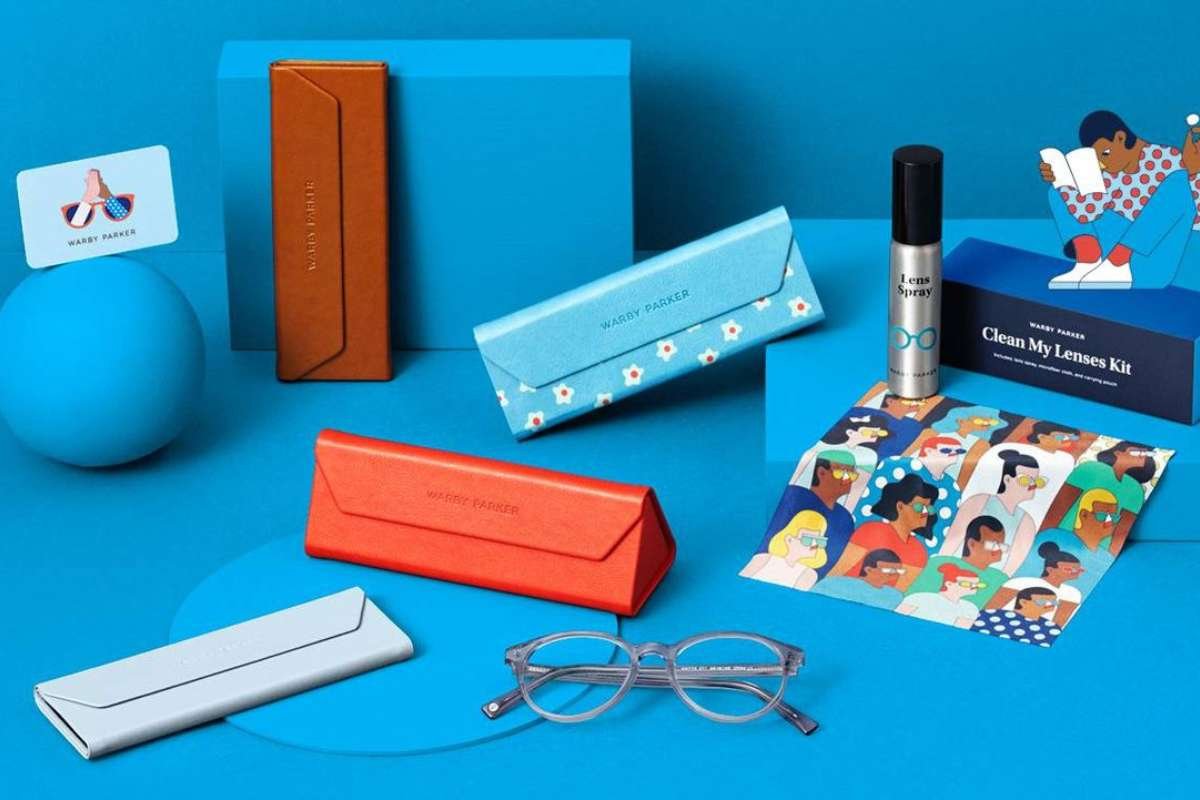
Warby Parker’s model centres on control, transparency, and customer experience, combining direct sales with innovative tools to transform how people shop for eyewear.
- Direct-to-Consumer Foundation: Warby Parker operates without intermediaries, selling eyewear through its own website and branded stores. This structure gives the company direct oversight of product design, pricing decisions, and every stage of customer interaction.
- Clear and Fair Pricing: Frames are priced starting at approximately US$95, with prescription lenses included. This straightforward pricing approach removes confusion, builds confidence, and reduces hesitation during purchase decisions.
- Connected Shopping Channels: The brand blends digital access with physical retail spaces. Customers browse online, use mobile tools, and visit stores for fittings or eye exams, creating a seamless shopping experience without reliance on a single channel.
- Experience-Led Innovation: Virtual try-on technology allows users to preview frames through smartphones or computers. Earlier initiatives, such as the Home Try-On program, encouraged customers to test multiple frames at home, easing the decision process.
- Purpose Within the Model: The “Buy a Pair, Give a Pair” commitment ensures eyewear donations for underserved communities with every purchase. This initiative remains central to the company’s identity and customer appeal.
- Personalised by Design: Through quizzes and digital engagement, Warby Parker gathers first-party data to tailor product suggestions, making the buying experience more relevant and intuitive.
By combining clear pricing, seamless access, innovative tools, and a social mission, Warby Parker turns eyewear shopping into an experience that is as thoughtful as it is simple.
Find Your Perfect Look
When it comes to eyewear, Warby Parker turns choice into an experience. The brand offers prescription glasses, sunglasses, contact lenses, and comprehensive eye exams, catering to a variety of vision needs.
Frame styles cover classic and modern silhouettes for men and women:
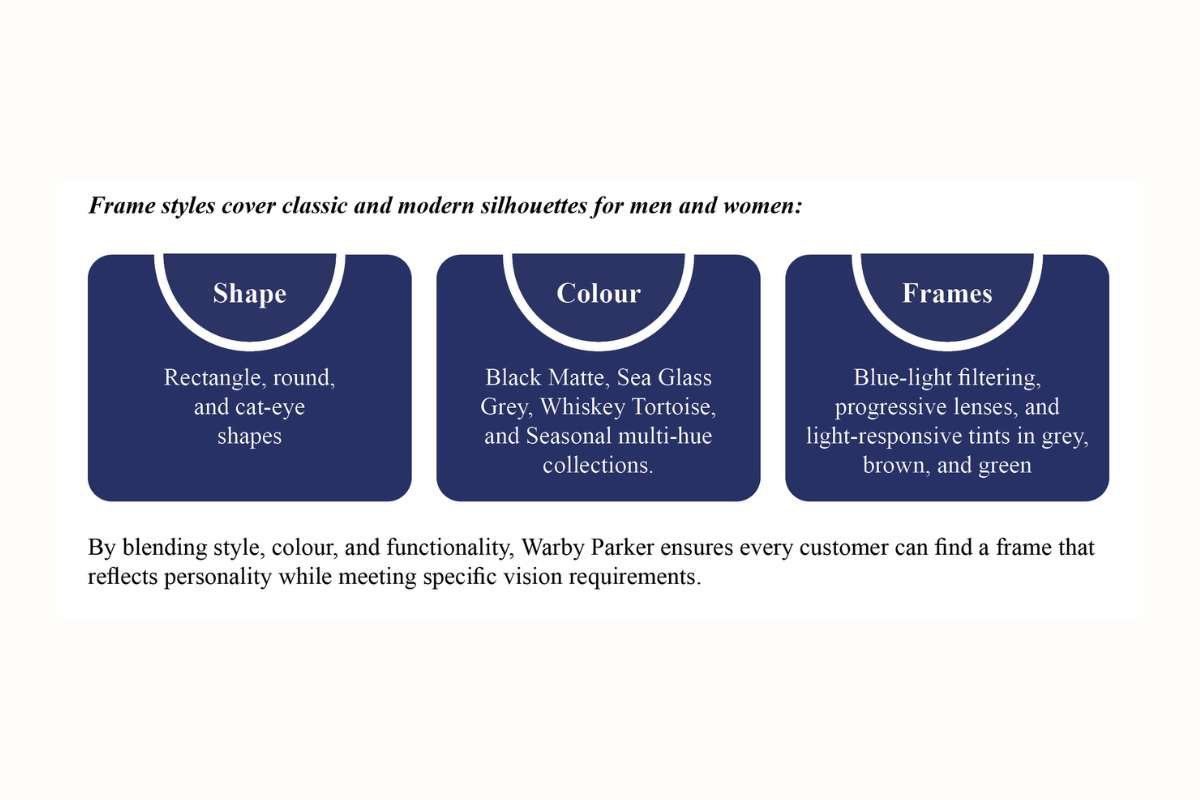
| Shape | Rectangle, round, and cat-eye shapes |
| Colour | Black Matte, Sea Glass Grey, Whiskey Tortoise, and Seasonal multi-hue collections. |
| Frames | Blue-light filtering, progressive lenses, and light-responsive tints in grey, brown, and green |
By blending style, colour, and functionality, Warby Parker ensures every customer can find a frame that reflects personality while meeting specific vision requirements.
Read More: Glossier – Reimagining Beauty Through Community, Simplicity, and Digital Intimacy
Marketing that Feels Personal
Warby Parker approaches marketing with a focus on people rather than promotion, using storytelling and digital touchpoints to create meaningful connections. The brand communicates with clarity and warmth, allowing customers to feel involved rather than targeted. This approach supports long-term engagement, encourages advocacy, and keeps the brand present across everyday digital interactions.
- Human-centred storytelling: Emotional narratives that highlight purpose alongside products
- Social media engagement: Real user content and conversations that encourage interaction
- Referral advocacy: Incentives that turn satisfied customers into brand supporters
- Mobile-first experience: Apps and platforms designed for easy browsing and purchasing
- Strategic collaborations: Partnerships with lifestyle brands and micro-influencers
- Educational content: Emails and style guidance that build familiarity and trust
Together, these elements create a marketing approach that feels natural rather than promotional. By focusing on conversation and shared values, Warby Parker builds trust and lasting customer relationships.
Voices from the Reddit Community
Online discussions offer an unfiltered look at how customers experience Warby Parker in everyday use. Reddit threads, in particular, reveal a mix of appreciation and critique that highlights the gap between expectation and reality.

- What Customers Appreciate: Several users praise the brand for stylish, current frame designs paired with reasonable quality. Fast delivery and smooth ordering experiences are frequently mentioned as positive first impressions.
- Recurring Concerns: Some customers report inconsistency in frame widths, with limited size availability across certain colours. Others note delays in lens preparation, mixed satisfaction with lens clarity, and slower responses from customer service during busy periods.
- Observed Product Limits: A few buyers describe the frames as lighter than expected, raising concerns about long-term durability.
Note: Reddit feedback reflects independent consumer opinions and informal experiences. These insights help assess real-world perceptions but do not represent official statements by Warby Parker.
Growth, Strategy, and Market Position
Warby Parker’s growth shows a steady shift into a hybrid retail model that balances ecommerce with a strong physical presence across North America. The company holds a multi-billion-dollar valuation and remains widely recognised within the eyewear market.
Strategic research efforts, including collaborations with technology firms such as Google, signal ambitions that extend beyond traditional eyewear and point toward smart, digitally enhanced products. Within a competitive environment shaped by legacy optical chains and low-cost online sellers, Warby Parker maintains a clear and differentiated position.
Comparative Snapshot:
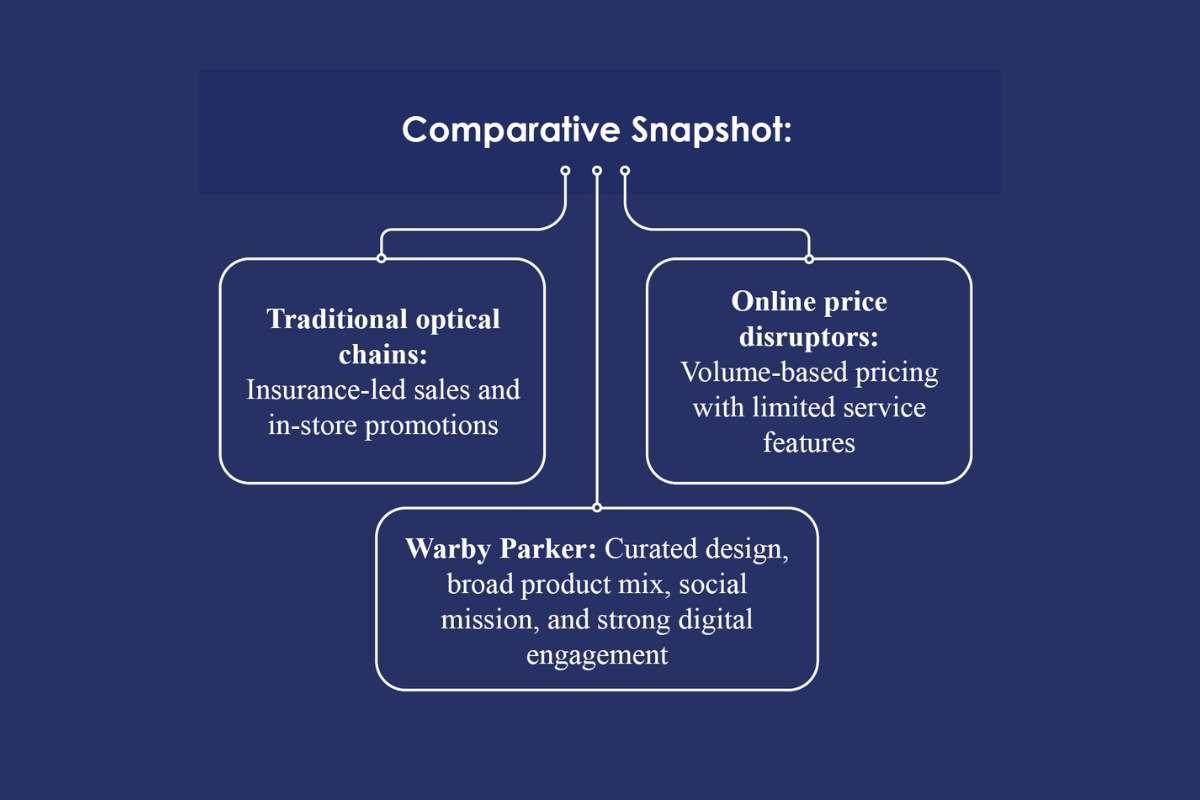
- Traditional optical chains: Insurance-led sales and in-store promotions
- Online price disruptors: Volume-based pricing with limited service features
- Warby Parker: Curated design, broad product mix, social mission, and strong digital engagement
Key Takeaways for Business Strategy Students
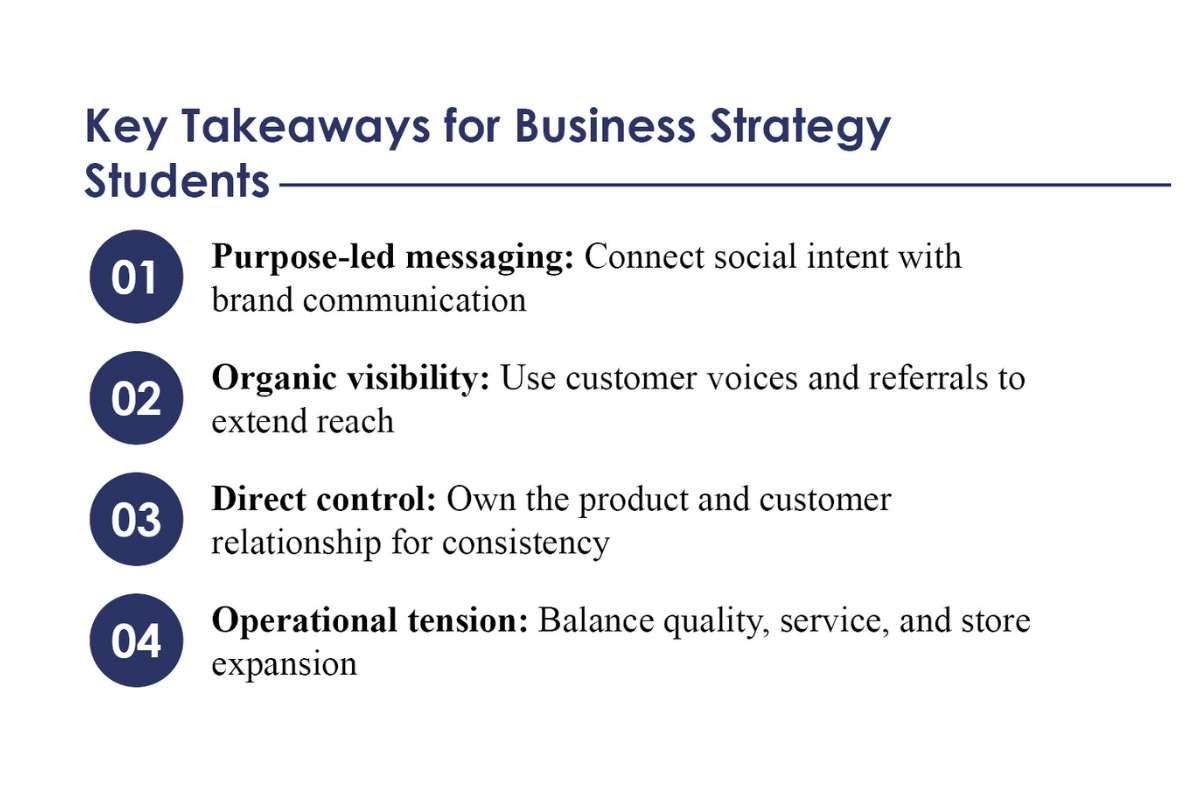
- Purpose-led messaging: Connect social intent with brand communication
- Organic visibility: Use customer voices and referrals to extend reach
- Direct control: Own the product and customer relationship for consistency
- Operational tension: Balance quality, service, and store expansion
Read More: Zoomcar’s Impact: Urban Mobility Connecting Cars, Users, and Opportunities
Conclusion
Warby Parker demonstrates how clarity in purpose, pricing, and design can reshape a traditional retail category. Through direct customer relationships, thoughtful product choices, and people-focused communication, the brand challenges long-standing industry norms. While customer feedback highlights areas that require attention, the company’s balanced approach to growth, technology, and social commitment positions it as a compelling case of modern brand-building with practical business lessons.