We all love and trust certain brands. We all look for quality in their products and for them to live up to their promises. But even the most successful brands can have a difficult period in their history. Maybe there will be less growth and more competition. Maybe things that at one point seemed simple will become complicated.
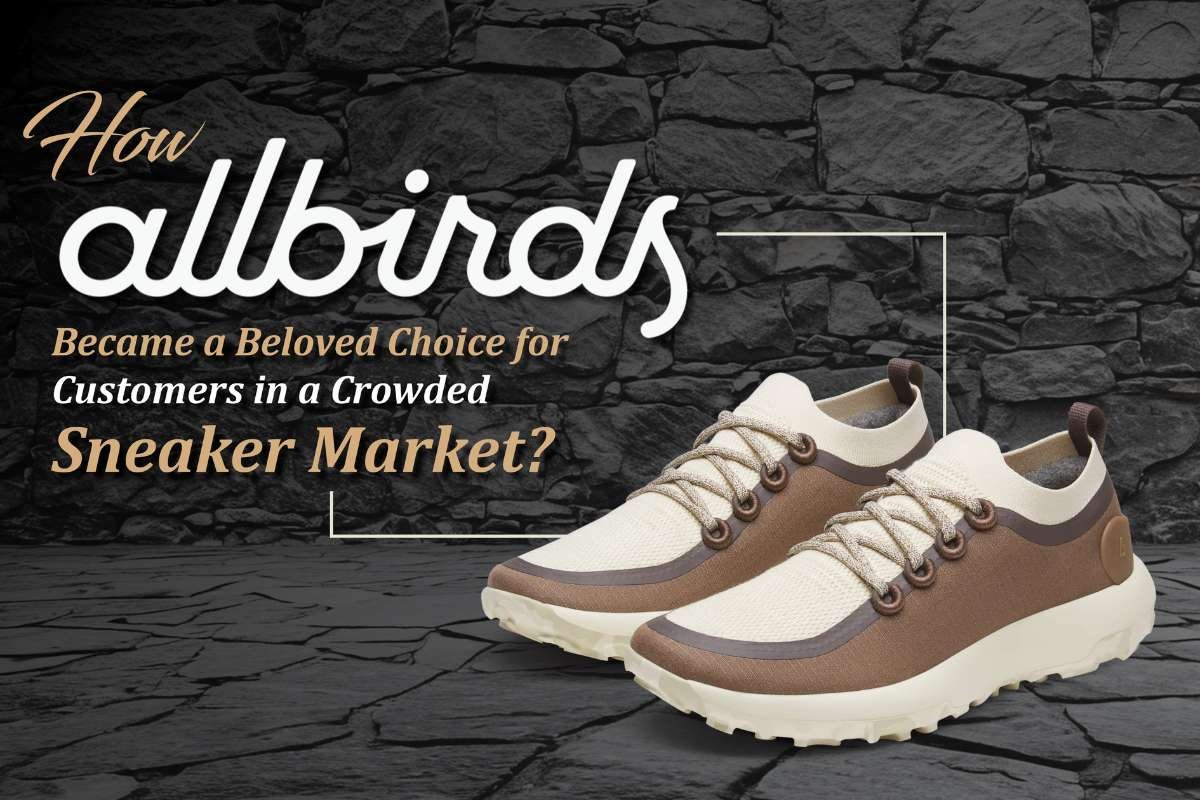
A competitor of Allbirds, which had soft, comfortable, and eco-friendly shoes, had to face such an issue in 2025. The Wool Runner had become popular among its users, and an IPO had thrilled them. People trusted the brand for comfort and sustainability. Still, new competitors, changing market conditions, and operational pressures meant Allbirds needed to pause, think carefully, and make smart decisions to protect its reputation and customer trust.
This case study illustrates how it was able to address such issues and improve its products and operations to ensure that it maintained its long-term growth strategy consistent with the factors that made this company unique.
The Vision Behind the Brand
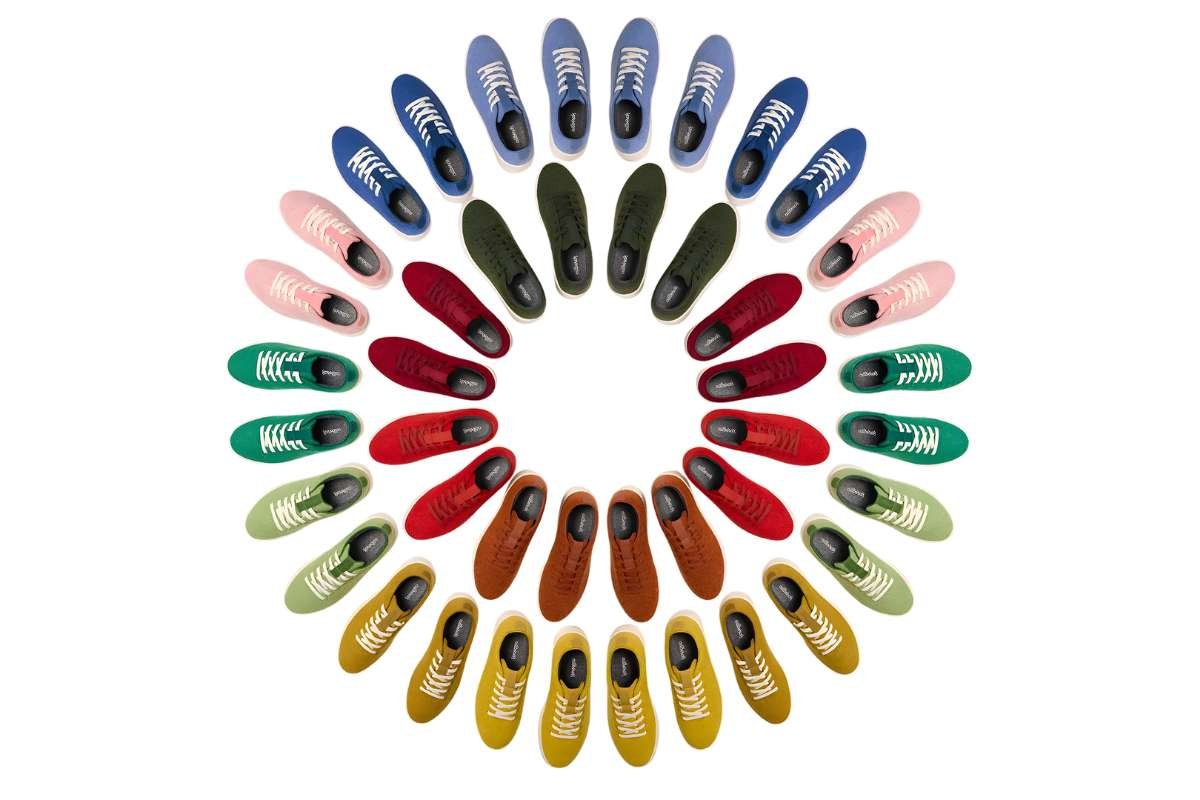
Allbirds was founded in 2016 with a clear and simple goal: to create shoes that were comfortable, practical, and kind to the environment. Instead of using standard materials, the company chose natural ones like soft merino wool, eucalyptus fiber, and sugarcane-based foam. This made their shoes feel different from anything else in the crowded sneaker market.
The Wool Runner quickly became a favorite for many people. Professionals wore them to work, travelers loved them for long walks, and everyday users appreciated how lightweight and soft they felt. Selling directly to customers allowed it to hear feedback, make improvements, and ensure every pair met their high standards.
Sustainability was more than just a selling point. It was part of every shoe, every store, and every message the brand shared. Carbon footprint labels and responsible sourcing gave customers confidence that choosing Allbirds meant making a thoughtful, eco-friendly decision without giving up comfort, style, or practicality.
A Crowded Market for Eco-Friendly Shoes
After going public, Allbirds faced new pressures. Investors expected steady growth, clear profits, and predictable results. At the same time, the footwear market was becoming more competitive. Big brands started offering eco-friendly shoes, and smaller startups copied parts of its approach.
By 2025, it reported Q3 revenue of about 33 million dollars. The brand was still popular, but growth had slowed compared to earlier years. Several factors played a role. The eco-friendly shoe market was crowded, which made it harder for it to stand out. Frequent product launches and many variations made operations more complicated without consistently attracting new buyers. Customers were also spending more carefully and became more selective about premium-priced shoes. Expansion and higher costs for stores and operations put additional pressure on profit margins.
Rather than rushing decisions or making sudden changes, Allbirds took a careful approach. The company focused on understanding the challenges, learning from them, and making thoughtful adjustments to strengthen its foundation for the future.
Focusing on the Products Customers Love
One of Allbirds’ strongest moves in 2025 was to concentrate on its core products.
- Wool Cruisers were refreshed in multiple colors to offer choice while keeping the collection simple.
- Wool Runner and Waterproof Wool Sneakers were improved for comfort, durability, and fit.
By enhancing the products customers already loved, it reinforced the quality and reliability that first built its reputation. Every update focused on creating a better daily experience, showing that the company values its customers’ needs.
Read More:
- You’ll Never Guess the Price Tag of These Most Expensive Shoes Ever Sold
- How to Buy Shoes Online and Make Sure They Fit?
Durable and Eco-Friendly
Sustainability remained central to Allbirds, but the way it was communicated shifted. In the past, marketing focused mostly on carbon footprints and environmental impact. While important, this message alone was no longer enough to grab attention.
In 2025, it showed how its shoes fit into everyday life. They highlighted comfort for long days at work, practicality for travel, and durability while still being environmentally friendly. Special collaborations and creative campaigns brought fresh excitement without losing the brand’s values. By showing purpose and real-life benefits, Allbirds made it easy for customers to understand why the shoes mattered and why they were worth choosing.
Improving How the Company Works
Behind the scenes, Allbirds made operational changes to ensure the business could grow sustainably. Product lines were simplified to reduce complexity and focus on the best-selling items. Demand forecasting was improved to prevent overstock and waste. Costs were carefully managed without compromising quality. The store expansion was strategic, targeting markets where the brand could have the greatest impact.
These operational adjustments created a stronger, leaner company that could maintain high standards while preparing for steady, sustainable growth.
Sustainability in Everyday Terms

Sustainability has always been at the heart of Allbirds. In 2025, the brand focused on showing it in a way people could feel and use every day. Materials were eco-friendly and made the shoes more comfortable, better fitting, and long-lasting.
It also shared the realities of how its shoes are made, being open and honest about production. This transparency built trust and showed that the company cares about both the planet and its customers.
Future Plans
Allbirds treated 2025 as a year to strengthen its foundation. The company focused on delivering consistent, high-quality products, maintaining operational efficiency, keeping customer trust, and continuing innovation in sustainable materials.
Financial guidance for Q4 2025 showed cautious optimism. Seasonal demand, focused product offerings, and operational improvements set the stage for steady growth. The key takeaway is that slowing down to fix the basics is a smart strategy. It allows a brand to maintain trust, improve operations, and prepare for long-term success.
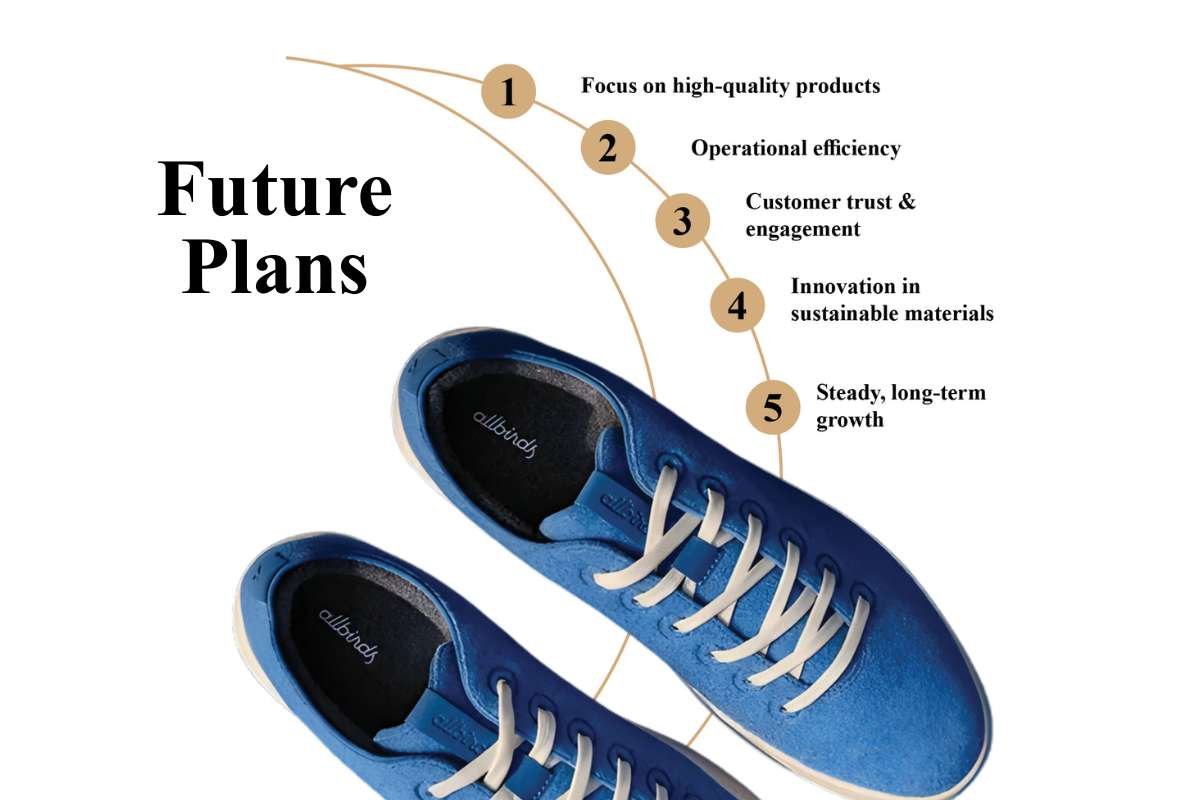
- Focus on high-quality products
- Operational efficiency
- Customer trust & engagement
- Innovation in sustainable materials
- Steady, long-term growth
Read More:
- Frames that Changed the Game: The Warby Parker Story
- Glossier – Reimagining Beauty Through Community, Simplicity, and Digital Intimacy
Even Popular Brands Face Tough Times
Allbirds’ story shows that even a well-loved brand can face challenges and come out stronger. By focusing on the products customers love, sharing clear and relatable messages, improving how the business works, and staying true to its commitment to sustainability, the company built a stronger foundation for the future.
The 2025 reset proves that careful planning, honesty, and keeping customers at the center are more important than chasing fast growth. It shows that a brand built on trust, comfort, and strong values can overcome challenges and continue to succeed.