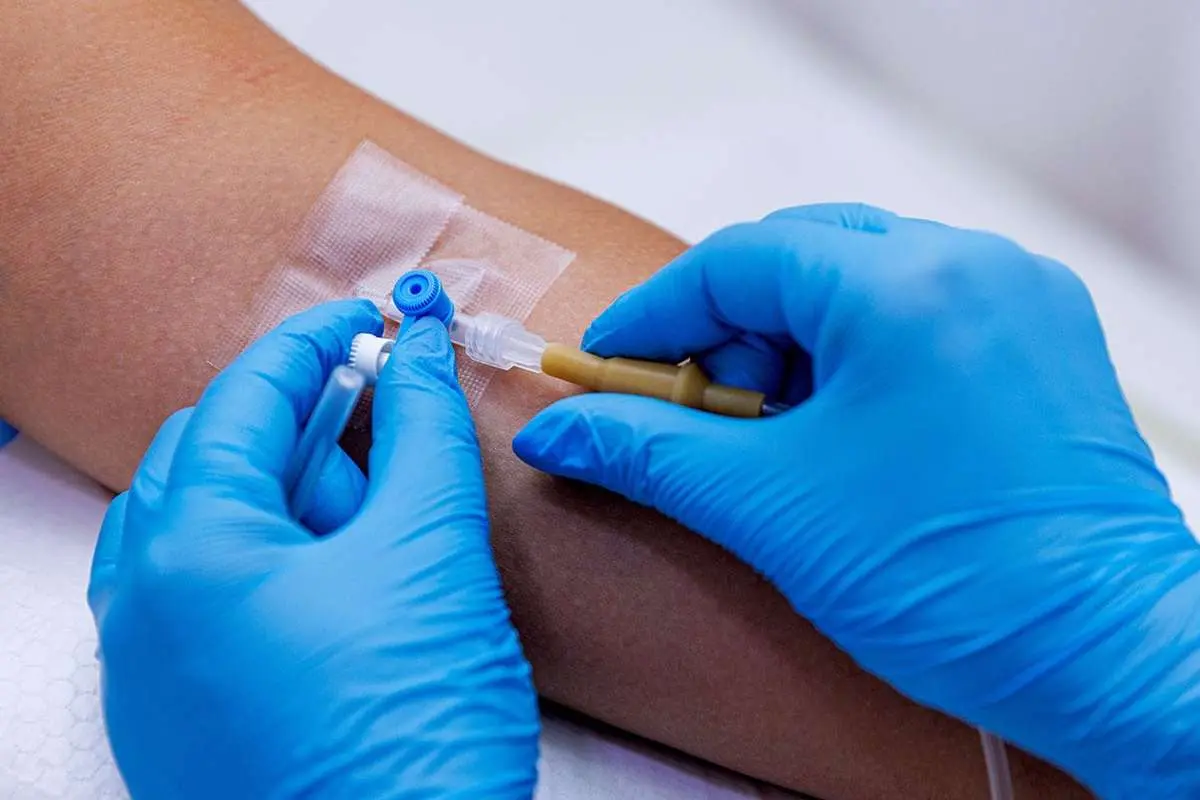
Rising patient demand, an aging population, and systemic problems have created an acute shortage of healthcare workers in the U.S. (and around the world). While all areas of healthcare are impacted, one of the deepest shortages is among nursing staff.
The U.S. is experiencing an ongoing nursing shortage that appears to be worsening over time. According to data from the Bureau of Labor Statistics (BLS), there will be over 189,000 job openings for RNs each year until 2034, but right now, there isn’t enough trained personnel to meet the demand.
Besides impacting patients, this shortage is also problematic for hospitals, clinics, and even healthcare entrepreneurs. You can’t do your job or operate in the field without a solid team.
The good news is that, as an employer in the healthcare system, focusing on nurse pipeline development allows you to produce well-trained professionals ready to join your team. If you’re here to learn how, you’re in the right place, so keep reading.
Steps to Build Your Nurse Pipeline
The nursing shortage is exacerbated because educational institutions struggle to keep up with demand, highlighting the urgent need for nurse pipeline development. The main reasons are a shortage of teaching faculty and limited clinical training opportunities. Add to this the fact that the COVID-19 pandemic exposed just how taxing it is to be a healthcare worker, and you have the perfect trifecta for the current staff shortages.
So, what can you do as a healthcare entrepreneur or hospital administrator?
Here are a few ideas:
1. Employee Upskilling

As an entrepreneur or healthcare organization, you have a facility, which is one of the puzzle pieces nurse schools desperately need.
Plus, the talent you’re seeking may already be on your payroll as CNAs, MAs, or even administrative staff. These people are already aligned with your organization’s culture and goals. All they need is the training and certification to become RNs or PAs.
The logical solution would be to create a Bridge Program with a local community college where you provide the facility, and they provide the curriculum and accreditation. As the program grows, you will be able to provide the college with teaching assistance as well. Overall, it’s a win-win situation.
2. Tuition Front-End Programs
Most entry-level staff cannot afford the upfront cost for community college and the additional expenses of preparing to become a nurse. So, by creating a system where your company pays the tuition in exchange for a 3-year work commitment (a Work-Study Bond), solves everyone’s problems.
To make things easier for employees who are upskilling, you can offer free access to valuable resources, like an NCLEX-RN or an NCLEX-PN review course that helps test candidates verify their exam-readiness.
Bundle everything up in an easy-to-understand package and offer it as an onboarding bonus. It’s a great way to attract top talent in the area and boost employee loyalty, which, in turn, reduces turnover expenses.
3. Paid Clinical Apprenticeships
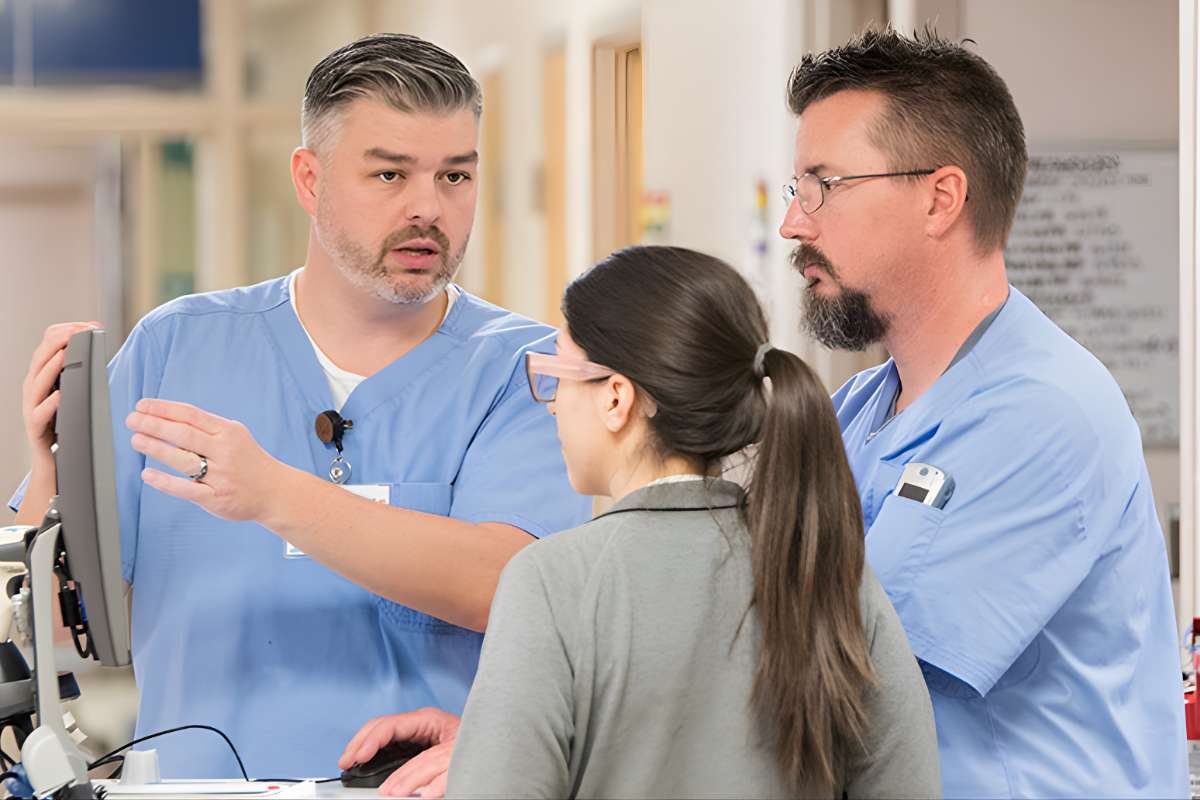
Just because a person graduates nursing school doesn’t mean they are “floor ready.” Even though RNs and PAs have practical educational modules, it doesn’t compare with real-life situations where stress runs high, and chaos surrounds you on all sides.
To improve nurse pipeline development, you can create a 6-month Transition-to-Practice (TTP) system, where post-grads are allowed to practice their soft clinical skills in the real world. Things like high-volume charting, family communication, and specific EHR workflows are often brushed over in school in favor of more pressing matters.
You can also incentivise current senior nursing staff to train the new recruits in exchange for a Perceptor Bonus. It’s a great way to help employees who need more money and make it easier for newcomers to integrate.
4. An International-to-Local Pipeline
Sometimes, there just aren’t enough local people interested in healthcare. In this case, your pipeline can extend beyond the state borders, even into another country. This usually includes visa sponsorship (EB-3 or H-1B), but creates a permanent workforce. It’s up to you to weigh in the pros and cons.
To incentivize interested international candidates to join your team, create a virtual NCLEX Prep Hub where they can prep for the exam and improve their English proficiency.
In Summary
There you have it: four systems or programs that healthcare organizations and entrepreneurs can implement to create their own floor-ready nurse pipeline development programs. Sure, it may be a bit challenging to start, but the benefits far outweigh the initial difficulties.