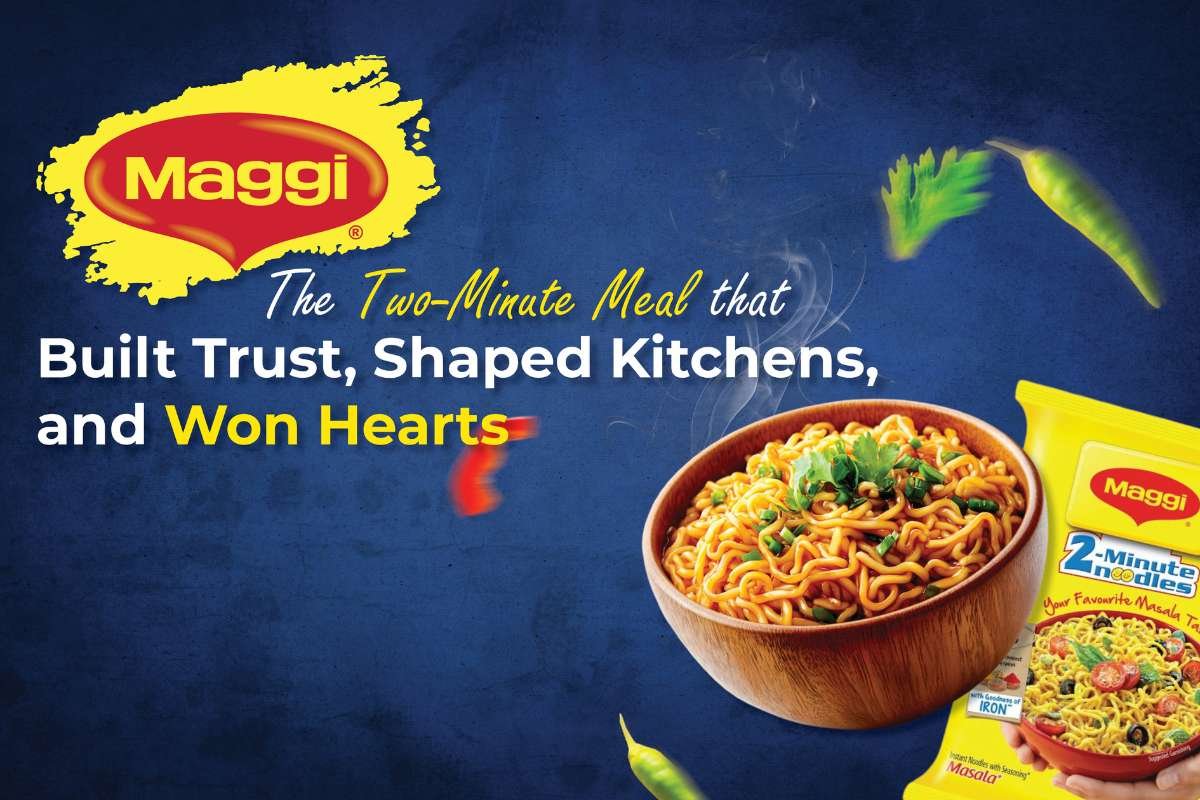
We can’t promise a two-minute read here, even though Maggi itself is ready in two minutes. Some stories deserve a little more time, especially when food memories are involved. Maggi began as a simple idea in Switzerland, created to help families prepare quick and nourishing meals without fuss. Over the years, the brand has gained a foothold in kitchens worldwide after being acquired by Nestlé.
Today, Maggi stands for more than instant noodles, with products that support everyday cooking in many forms. Its appeal lies in ease, familiarity, and shared moments around the stove. Across age groups and regions, Maggi continues to feel like a trusted kitchen companion rather than just a packaged food.
The Years that Shaped Maggi’s Journey
Long before Maggi became a quick fix for hunger, its story unfolded through clear moments that shaped its identity. Think of it as a timeline worth pausing over.
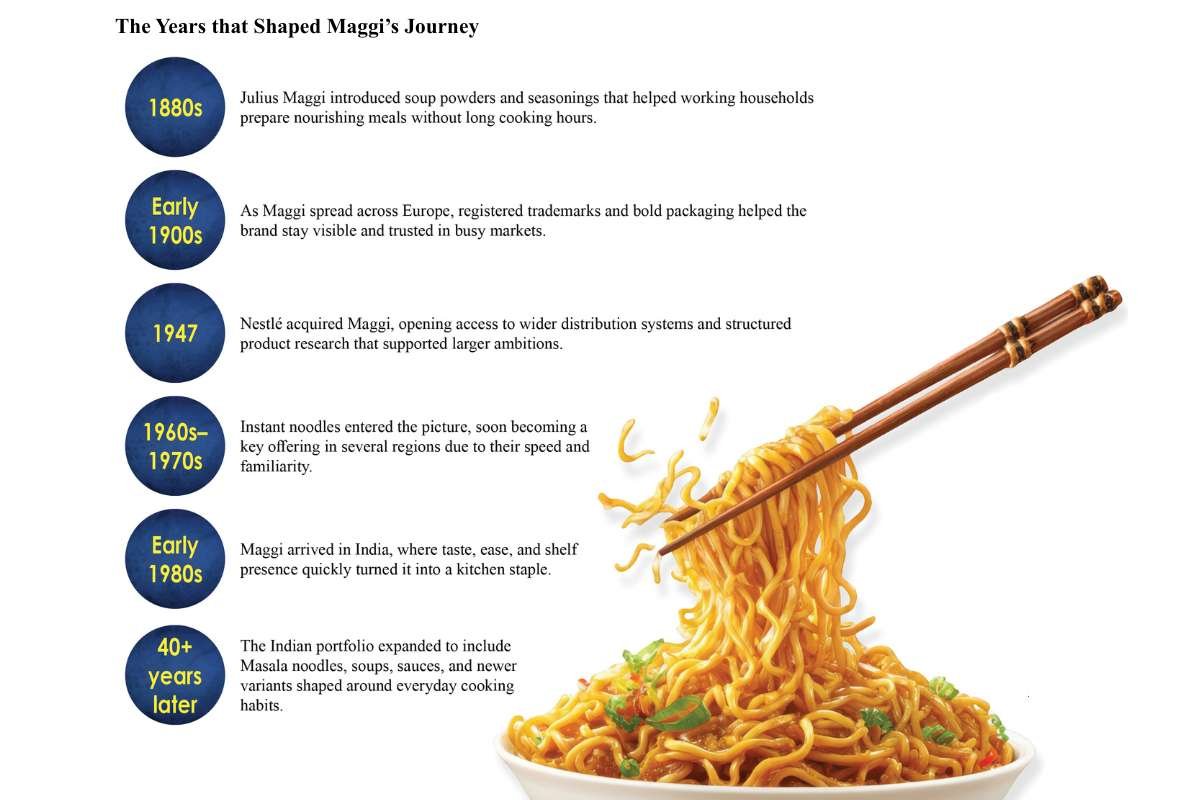
- 1880s: Julius Maggi introduced soup powders and seasonings that helped working households prepare nourishing meals without long cooking hours.
- Early 1900s: As Maggi spread across Europe, registered trademarks and bold packaging helped the brand stay visible and trusted in busy markets.
- 1947: Nestlé acquired Maggi, opening access to wider distribution systems and structured product research that supported larger ambitions.
- 1960s–1970s: Instant noodles entered the picture, soon becoming a key offering in several regions due to their speed and familiarity.
- Early 1980s: Maggi arrived in India, where taste, ease, and shelf presence quickly turned it into a kitchen staple.
- 40+ years later: The Indian portfolio expanded to include Masala noodles, soups, sauces, and newer variants shaped around everyday cooking habits.
Each milestone added a layer, turning Maggi into a brand built on timing, relevance, and shared food moments.
When Trust Was Tested, and Earned Back
A brief pause in Maggi’s journey became a defining moment that challenged trust and proved the power of accountability and return.
The Setback
In 2015, Maggi faced a major crisis when food safety concerns triggered a nationwide ban in India. The noodles vanished from shelves and daily routines, sparking public debate and regulatory scrutiny. Sales dropped sharply, and competitors filled the gap, putting years of consumer trust to the test.
The Return
Nestlé acted quickly, recalling products, cooperating with authorities, and completing safety tests. After legal clearance, Maggi returned later that year with clear messaging on quality, sparking an emotional welcome and regaining market leadership within months.
This episode showed that a brand’s true strength lies in its ability to rebuild trust, reconnect with consumers, and turn challenges into lasting lessons.
You may also like:
The Real Influence of a Two-Minute Classic
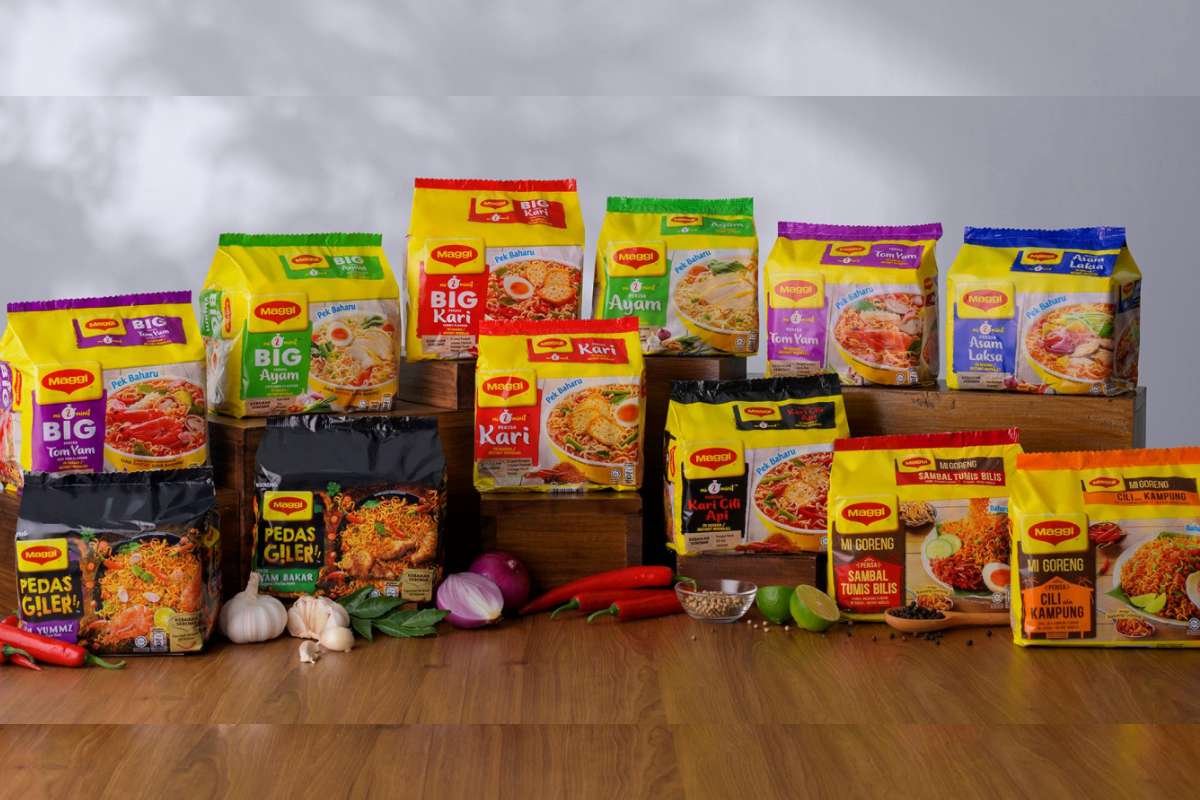
Maggi’s influence stretches well beyond a fast meal, settling quietly into daily habits and food decisions. The two-minute noodles became a trusted choice for students managing deadlines, households juggling packed schedules, and urban kitchens where time is often limited. Speed played its part, yet familiar taste turned convenience into a regular habit rather than an occasional fix. Gradually, this shifted how meals were approached, with quick preparation earning its place without feeling like a shortcut.
The brand’s role carries economic significance as well. In India, Maggi has remained a key contributor to Nestlé India’s business, at certain points accounting for close to thirty percent of overall sales. Across global markets, instant noodles continue to attract steady demand, reflecting a lasting preference for easy meal options.
Affordability further extends Maggi’s reach. Its pricing suits varied income groups, allowing it to appear in both metropolitan homes and smaller towns. Behind every packet stands a broad network of manufacturing units, suppliers, and distribution partners that support employment and related trade. On the cultural front, “Maggi” entered everyday speech, becoming a familiar expression for quick comfort food that feels warm, simple, and deeply personal.
Why Maggi Still Rules the Noodle Aisle
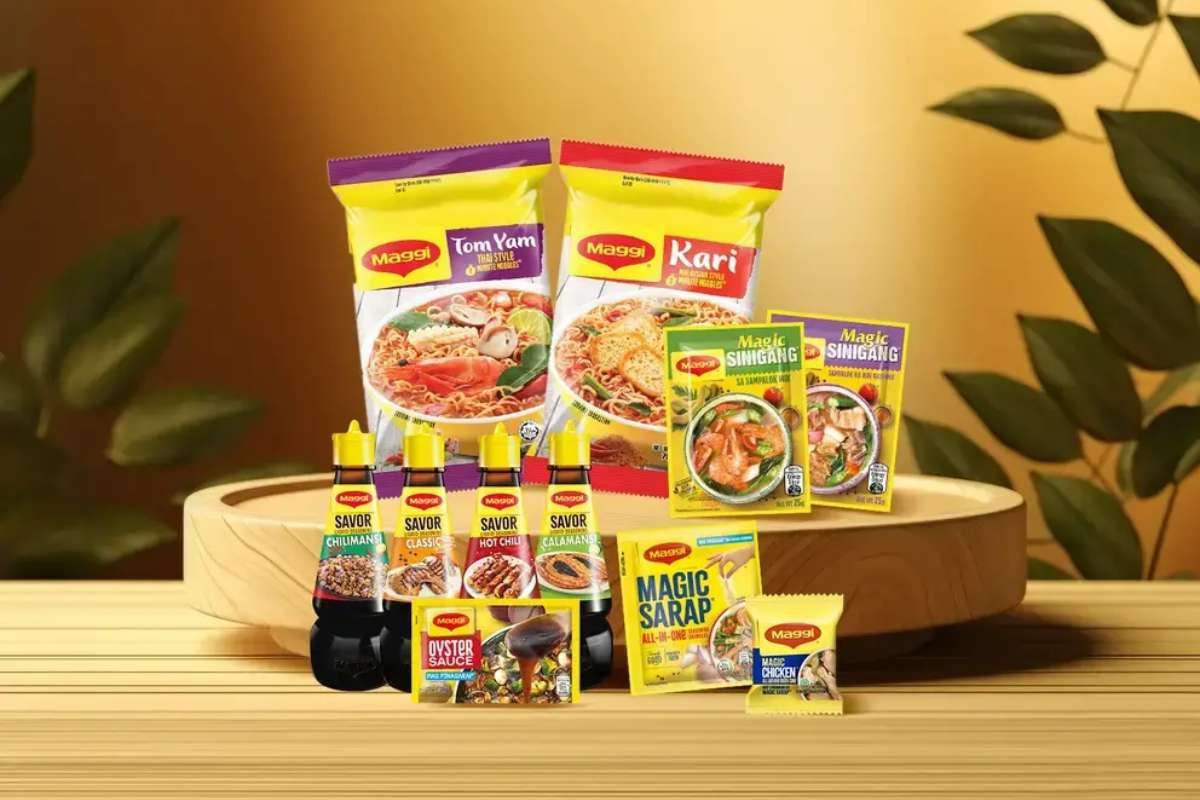
In a category packed with choices, Maggi continues to hold a position that few brands manage to claim for long. Its presence on shelves reflects scale, recall, and steady consumer preference built over decades.
Market Position: In India, Maggi commands close to sixty percent of the instant noodles segment, a level of dominance regained after the 2015 setback. The country remains one of the brand’s largest and most influential markets, shaping both volume and visibility.
Sales Momentum: Consistent sales performance and regular additions to the product range signal steady demand. Rather than relying on familiarity alone, Maggi maintains relevance through variety and availability.
Brand Worth: A separate public valuation for Maggi is rarely disclosed. Still, strong sales figures, category leadership, and long-term presence point toward high commercial value.
Competitive Set: Maggi operates alongside established names such as Top Ramen and Knorr, while also facing regional noodle brands across Asia that cater to local tastes.
Even in a crowded segment, Maggi remains a benchmark brand, measured as much by recall and reach as by numbers on a chart.
What Works, What Risks, What’s Next for Maggi
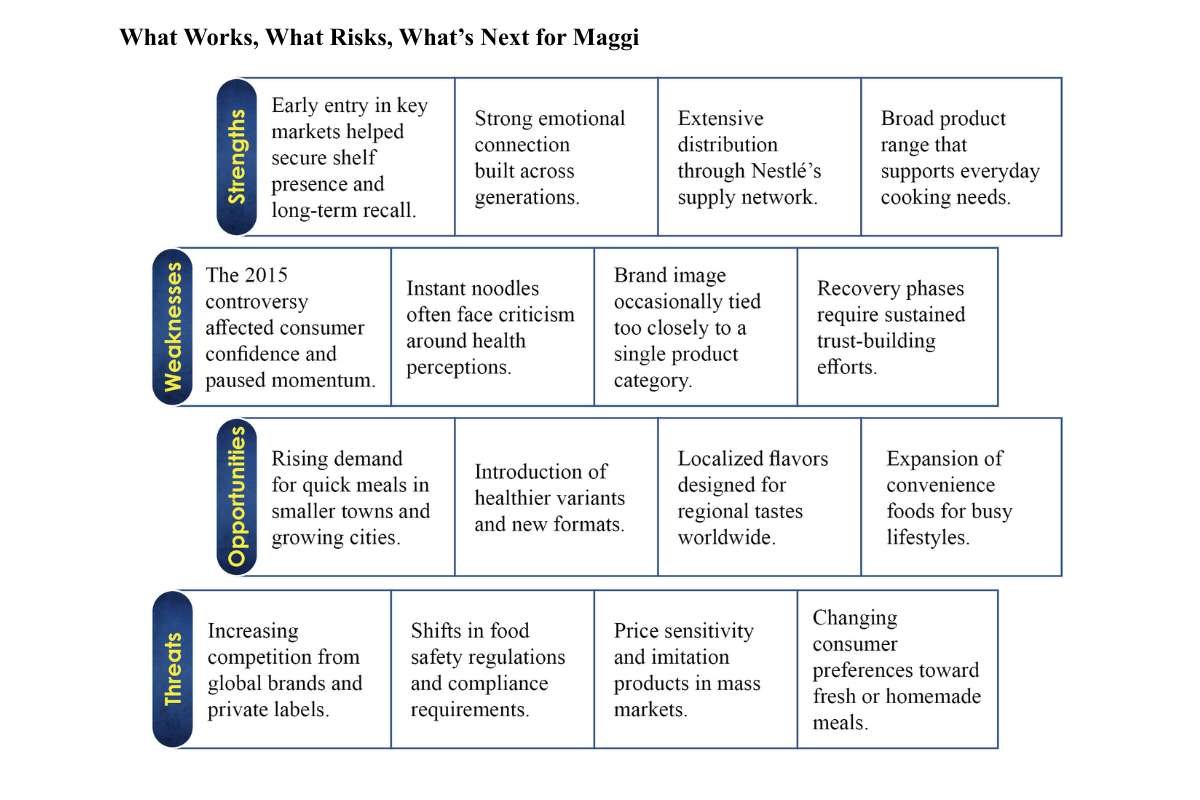
Every established brand carries strengths, limitations, and future possibilities, and Maggi fits that reality. Decades of presence have built familiarity, while certain moments have tested public trust. A SWOT view places these elements together, offering a clear snapshot of where the brand stands today and what it must navigate ahead.
| Strengths | Weaknesses | Opportunities | Threats |
| Early entry in key markets helped secure shelf presence and long-term recall. | The 2015 controversy affected consumer confidence and paused momentum. | Rising demand for quick meals in smaller towns and growing cities. | Increasing competition from global brands and private labels. |
| Strong emotional connection built across generations. | Instant noodles often face criticism around health perceptions. | Introduction of healthier variants and new formats. | Shifts in food safety regulations and compliance requirements. |
| Extensive distribution through Nestlé’s supply network. | Brand image occasionally tied too closely to a single product category. | Localized flavors designed for regional tastes worldwide. | Price sensitivity and imitation products in mass markets. |
| Broad product range that supports everyday cooking needs. | Recovery phases require sustained trust-building efforts. | Expansion of convenience foods for busy lifestyles. | Changing consumer preferences toward fresh or homemade meals. |
Together, these factors explain why Maggi remains influential while still needing careful balance between familiarity, responsibility, and relevance.
Don’t miss:
Closing Note
Maggi’s story shows how a simple kitchen idea can grow into something deeply familiar without losing its charm. Across decades, it has stayed close to everyday life, adjusting to changing routines while holding on to comfort and ease. Challenges have shaped caution, success has built confidence, and memory has kept the brand rooted in homes. Whether as a quick meal or a shared moment, Maggi continues to sit quietly in the background of daily life, reminding us that food does more than fill plates, it holds time, habit, and emotion together.