Flickering black-and-white clips from over a century ago spark endless curiosity about the first movie ever made. That question leads straight into dusty archives and assertions among film fans. What counts as the definitive first? A quick burst of motion from 1888, or something with a real story later on?
Louis Le Prince’s Roundhay Garden Scene from 1888 stands out. At just over two seconds long, it shows his family strolling in a garden, captured on paper film with a single-lens camera he built himself. Many call this the first movie ever made because it’s the oldest one still around today. Others point to Eadweard Muybridge’s 1878 photograph of a horse galloping or to the Lumière brothers’ 1895 train arrival, which supposedly scared audiences right out of their seats.
The truth comes down to how you define a movie. Does it need a plot, sound, or just moving pictures? These early experiments kicked off everything from silent epics to today’s blockbusters.
In this article, we look at the leading players, find some forgotten stories, and see how these early creators still influence the films we watch in 2026.
Motion Photography Roots (1870s Experiments)
Back in 1878, folks argued over whether a galloping horse ever lifted all four hooves off the ground at once. Eadweard Muybridge settled that bet with The Horse in Motion. He lined up 12 cameras along a track, each triggered by a tripwire as the horse charged past. The breakthrough? An 11-frame sequence showing the animal airborne mid-gallop. Muybridge projected these stills through his zoopraxiscope, a spinning disk that made them flicker into smooth action.
This setup counts as the first stop-motion film. No single camera has yet rolled continuous footage. Instead, Muybridge pieced together photos to mimic reality. That crude trick proved that motion could be captured and replayed, blowing open the door to animation. Think of later hits like Chicken Run or Coraline, they owe a nod to his battery of shutters clicking away.
Even with its limits, like jerky frames and no plot, Muybridge’s work grabbed attention worldwide. Leland Stanford, the railroad tycoon who funded it, got his answer and sparked a revolution. Preserved in high resolution and displayed in museums, these frames mark one of the earliest steps toward cinema and where it truly began.
Breakthrough: The First True Motion Picture (1888)
The first movie ever made was Louis Le Prince‘s Roundhay Garden Scene in 1888. Clocking in at 2.11 seconds, this clip captures four people, Le Prince’s family, walking and laughing in a Leeds garden. He shot it using a single-lens camera on paper film, a massive leap from snapping stills one by one.
Le Prince earned the nickname “Father of Cinematography” for good reason. Before him, no one had recorded continuous motion like this. His 16-lens prototype from 1886 paved the way, but Roundhay proves it worked. Restored versions today run smoother at higher frames, letting modern eyes catch every twitch and smile.
Tragedy cut his work short. Le Prince vanished in 1890 on a trip to meet Edison, leaving bigger projects lost forever. Some blame the rivalry over patents. That mystery keeps film buffs talking, especially with 2026 AI recreations guessing what his full films might have looked like.
Global Rivals and Early Showmen (1890s)
→ Kinetoscope Peephole Era: Dickson Greeting (1891)
The first movie ever made evolved into public entertainment with William Dickson’s Dickson Greeting in 1891. Working in Thomas Edison’s lab, Dickson captured this 3-second clip of a man in a bowtie waving directly at the camera. Shot on celluloid film, it looped endlessly inside the Kinetoscope, a coin-operated box where viewers hunched over a peephole for a private show. Arcades popped up everywhere, nickel-a-view, turning motion pictures into a sideshow craze. That intimate setup hooked people one at a time before big screens took over.
→ Lumière Actualities: Workers Leaving the Lumière Factory (1895)
France shifted the game in 1895 with the Lumière brothers’ Workers Leaving the Lumière Factory. This 46-second reel shows factory employees pouring out a gate in Lyon, some waving at the camera, others lost in chatter. Auguste and Louis projected it life-size for crowds, ditching peepholes for shared wonder. They followed with dozens of actualités, raw glimpses of life like kids playing or waves crashing. These films felt real, bridging the gap between photos and stories, and set the standard for documentary-style shorts.
→ The Train That “Panicked” Audiences: Arrival of a Train at La Ciotat (1895)
Arrival of a Train at La Ciotat cemented the Lumière legacy that same year. A steam engine rolls straight toward the lens, passengers hopping off amid billowing smoke. Stories claim viewers fled in terror, convinced it would burst the screen, likely overblown, but the effect landed hard. Screened publicly on December 28 in Paris, it marked the first commercial movie showing. The raw power of everyday motion, filmed head-on, proved cinema could jolt and captivate total strangers.
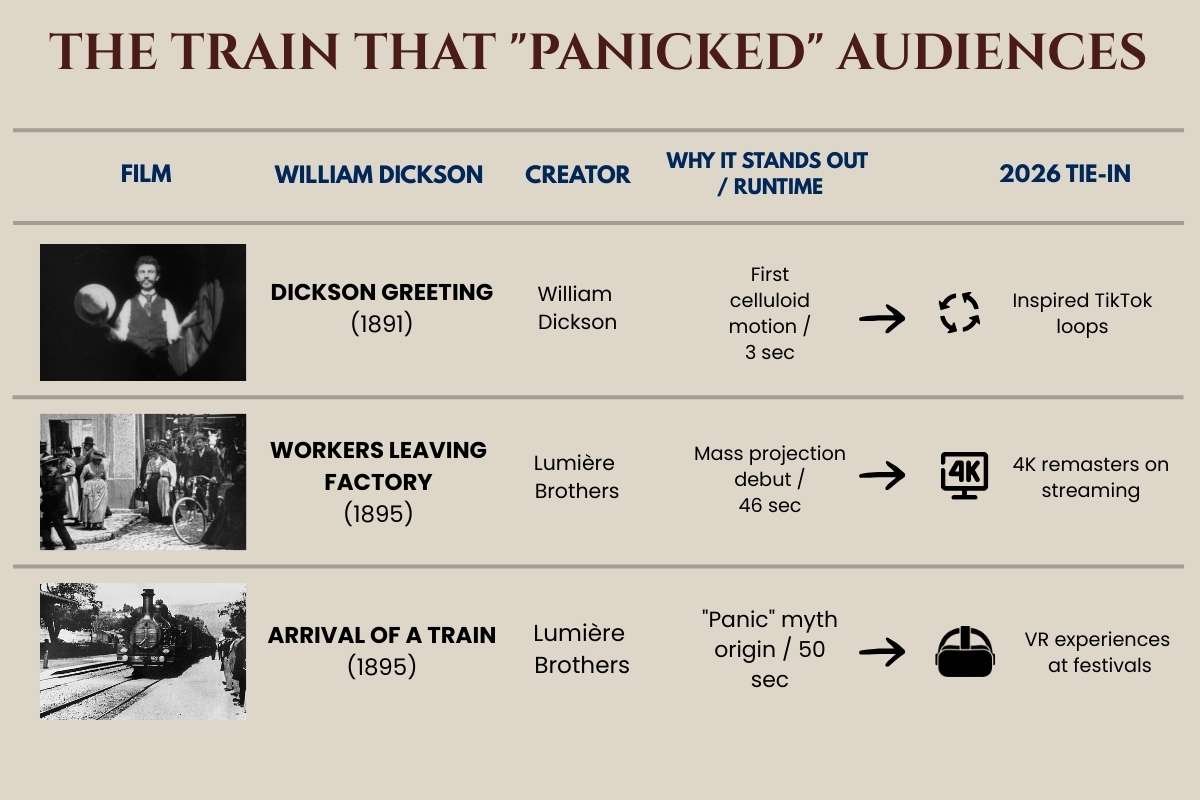
| Film | Year | Creator | Runtime | Why It Stands Out | 2026 Tie-In |
| Dickson Greeting | 1891 | William Dickson | 3 sec | First celluloid motion | Inspired TikTok loops |
| Workers Leaving Factory | 1895 | Lumière Brothers | 46 sec | Mass projection debut | 4K remasters on streaming |
| Arrival of a Train | 1895 | Lumière Brothers | 50 sec | “Panic” myth origin | VR experiences at festivals |
These showdowns fueled a global boom. Edison staged scenes stateside while Europe polished projectors. Soon, theaters replaced arcades, and films became must-see events.
Read More:
Birth of Storytelling Cinema (1900s Narratives)
→ Moon Magic and Special Effects: A Trip to the Moon (1902)
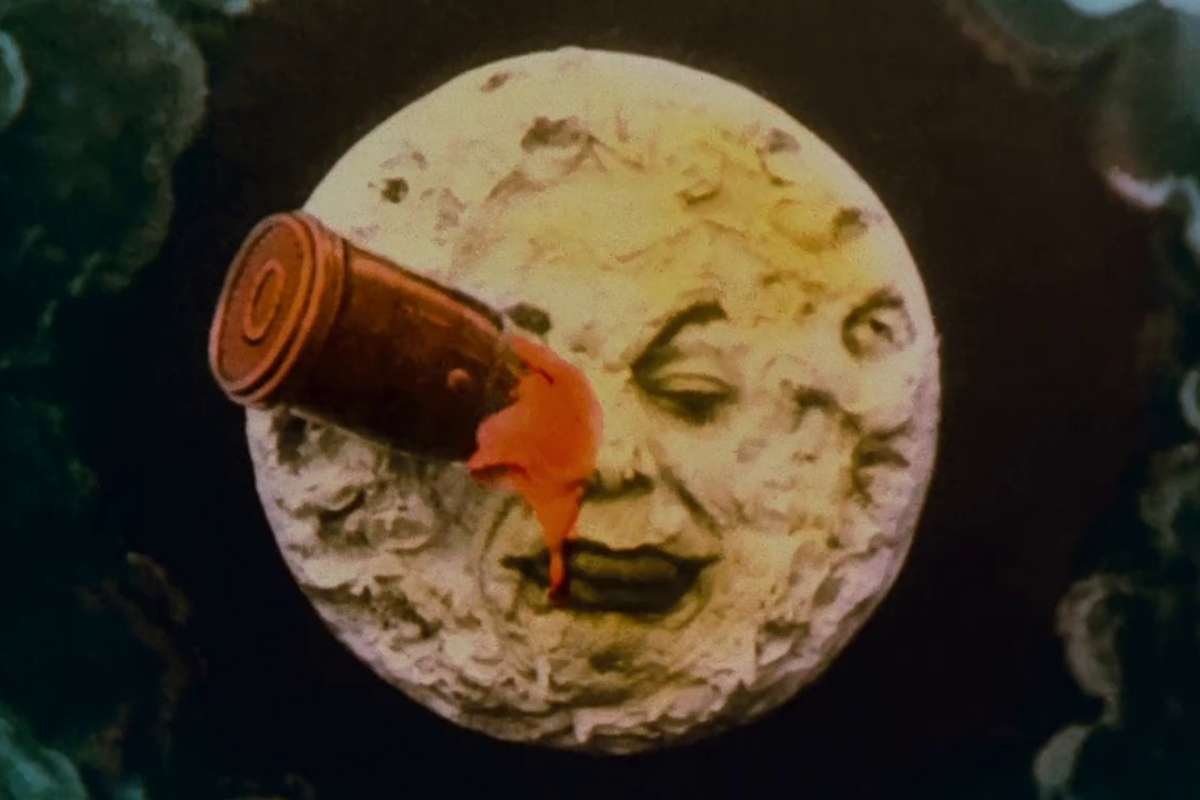
Georges Méliès turned film into fantasy with A Trip to the Moon in 1902. This 14-minute wonder follows astronomers blasting off in a bullet-shaped rocket that embeds in the Moon’smoon’s eye. Méliès, a stage magician, packed it with tricks: stars as dancers, giants in craters, and stop-motion puppets. He stumbled into multiple exposures by accident when his camera jammed, birthing dissolves and fades still used today. Painted sets and costumes made every frame pop, drawing crowds to theaters for escape.
The film ran over 500 hand-colored prints worldwide, becoming a box-office smash. Its whimsy influenced sci-fi from Metropolis to Star Wars. Currently, restored versions with live scores tour festivals, proving early effects hold up against CGI spectacles.
→ Action and Editing Pioneers: The Great Train Robbery (1903)
Edwin S. Porter ramped up the pace in 1903 with The Great Train Robbery. At 12 minutes, this Western unfolds a heist: bandits hit a train, dance in a saloon, then face a posse shootout. Porter cut between locations, inside the train, outside chases, for the first real editing rhythm. A close-up of outlaw “Bronco Billy” Anderson firing at the camera broke the fourth wall, thrilling viewers. Shot in the New Jersey wilds, it grossed thousands and birthed the action genre.
Tinting added mood: blue nights, red fire. Bootleg copies spread the craze, but Porter’s techniques stuck. Modern heist flicks like Heat echo its cross-cuts. 2026 sees it in school curricula, dissecting how 12 minutes rewrote screen grammar.
→ World’s First Feature: The Story of the Kelly Gang (1906)
Australia claimed a milestone with The Story of the Kelly Gang in 1906. Charles Tait’s 70-minute epic traces outlaw Ned Kelly’s rebellion against police, from bushranger raids to his armored last stand. Starring real Kelly relatives, it mixed drama, chases, and tragedy on location. As the earliest feature-length narrative, it cost £450 to make but packed halls for months.
Historians hail it for sustained storytelling—no more one-reel tricks. Only fragments survive, but the 2025 restorations pieced more together. Ties to 2026’s Ned Kelly VR docs keep the legend alive Down Under and beyond.
These narratives proved movies could tell complete tales, not just glimpses. Theaters grew, stars emerged, and cinema left its peepshow roots for good.
Sound Revolution and Talkies (1920s)
By the early 1920s, cinema had mastered motion and storytelling but remained silent. Films relied on live musicians and sound effects, pushing filmmakers to find a way to synchronize audio with the image. That search for control would soon transform cinema once again.
→ Syncing Sound to Silence: Don Juan (1926)
Vitaphone brought noise to quiet reels with Warner Bros.’ Don Juan in 1926. John Barrymore swashes buckles through Venice as a 12-minute overture, with sound effects, clashing swords, cheering crowds, and blasts from synchronized discs. No spoken words yet, but the New York Philharmonic’s score synced perfectly to the action. Theaters upgraded for this hybrid, and it pulled bigger gates than silents alone. This marked the first movie ever made with baked-in audio, bridging the mute era to talkies.
Crowds loved the immersion. Vitaphone spread fast, but discs scratched and slipped out of sync. Still, it proved sound could amp drama without killing the visuals. 2026 Blu-ray sets bundle it with extras, showing how live orchestras once ruled screenings.
→ The Talkie That Changed Everything: The Jazz Singer (1927)
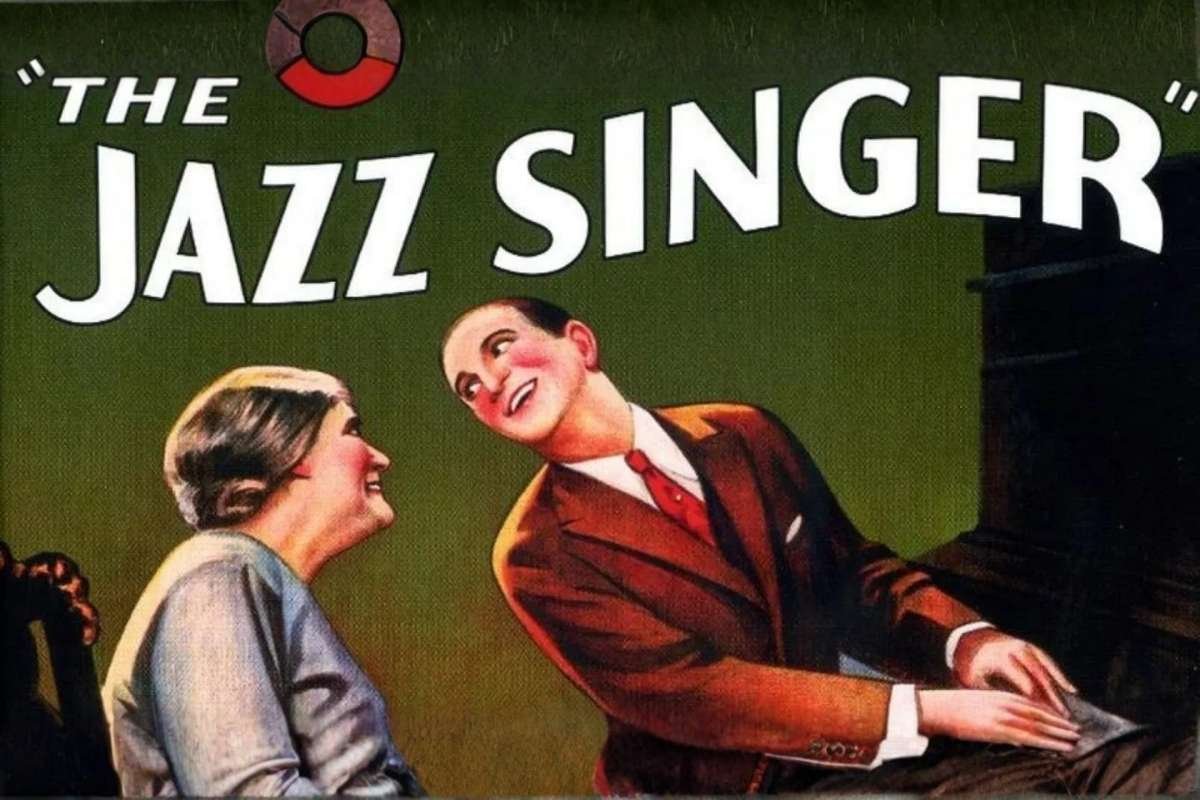
Al Jolson broke the silence for real in 1927’s The Jazz Singer. This part-talkie mixes silent drama, a cantor’s son chases stage fame, with Jolson’s “You ain’t heard nothin’ yet!” and full songs like “Toot, Toot, Tootsie.” At 88 minutes, it blends Vitaphone discs for dialogue and music, packing Warner theaters. Opening night drew lines around blocks; within a year, Hollywood raced to wire up studios.
Jolson’s blackface bits sting today, but the tech shift buried silents overnight. Stars like Vilma Bánky lost jobs because of their accents. By 1929, talkies owned 90% of screens. Restored prints hit 2026 festivals with context notes, nodding to both triumph and fallout.
Sound killed some careers but birthed legends like Bogart. Studios boomed, and movies never sounded or stayed the same.
You may also like:
Lost Films and the Unfinished Origins of Cinema
Early cinema did not arrive as a complete, well-documented invention. Much of its earliest history is fragmented, scattered across missing reels, incomplete records, and unanswered questions. What survives today represents only a portion of what was filmed. To understand how cinema truly began, it is just as essential to examine what vanished as what endured.
→ When Early Movies Slipped Through the Cracks
The first decades of filmmaking unfolded without preservation in mind. Early reels were stored poorly, reused, or discarded once their novelty faded. Fires, chemical decay, and neglect erased countless works before film archives even existed. What remains today is only a partial record of a far more active and experimental period.
→ Le Prince’s Missing Reels
Roundhay Garden Scene survives as the oldest motion picture we can still watch, but it was never intended to stand alone. Evidence suggests that Louis Le Prince filmed additional scenes while preparing to demonstrate his invention publicly. His sudden disappearance in 1890 halted that work, leaving those films lost and his contribution suspended in time.
→ Survival, Not Speed, Decided Credit
In early cinema, recognition followed visibility. Filmmakers whose work was widely shown and repeatedly copied became better known, while those whose films were lost faded from memory. This imbalance shaped public understanding of cinema’s origins and allowed later figures to dominate the narrative.
→ Technology Can Polish, Not Recover
Modern restoration has improved how surviving early films are seen, revealing details once obscured by age. However, no amount of scanning or enhancement can recover reels that vanished entirely. Technology sharpens the surviving record without filling its gaps.
→ Why the First Still Matters
Even with these losses, the historical evidence aligns on a single conclusion. Among all known surviving works, Roundhay Garden Scene remains the earliest example of continuous motion captured on film. Everything that followed expanded cinema’s reach, but the first step had already been taken.
How Modern Technology Helped Preserve the First Movie?
By the time cinema historians agreed that the Roundhay Garden Scene was the earliest surviving motion picture, the film itself was already fragile. Early paper and nitrate stocks were never designed to last for centuries. Without modern intervention, the first movie ever made would likely have faded into obscurity like so many others from the same era.
→ Digital Restoration and Early Film Survival
Digital restoration has become the primary defense against further loss. High-resolution scanning captures every surviving frame at a level of detail far beyond earlier preservation methods. Scratches, warping, and exposure damage can now be corrected digitally, allowing early films to be viewed without altering their original structure. In the case of Roundhay Garden Scene, restoration ensures that its brief moments of motion remain visible rather than deteriorating beyond recognition.
→ AI-Assisted Clarity and Frame Stabilization
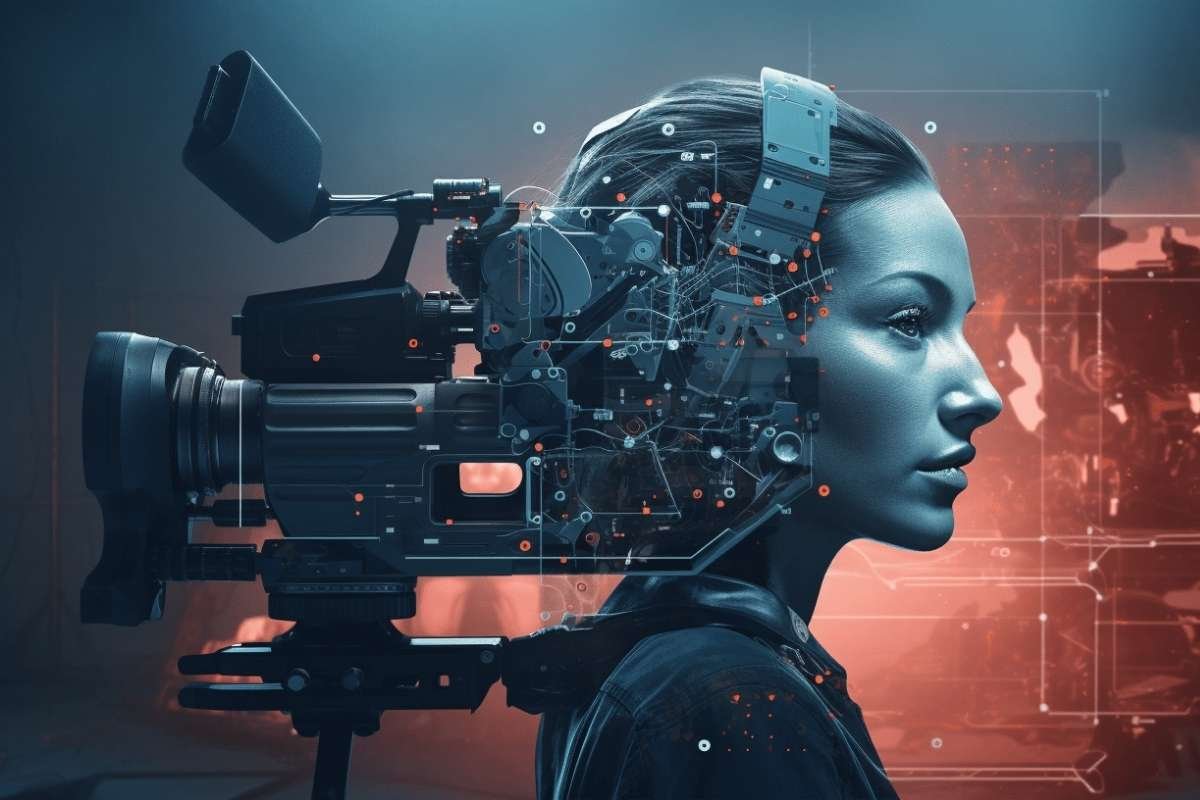
Artificial intelligence has added a new layer to film preservation. Machine-learning tools analyze frame sequences to reduce flicker, stabilize jitter, and interpolate missing visual information caused by physical damage. These techniques do not replace historical footage, but they improve legibility, making early films easier to study and watch. Enhanced versions of Roundhay Garden Scene allow modern viewers to notice subtle movements and expressions that were once nearly impossible to see.
→ Why Preservation Still Matters
Preserving early films is not about nostalgia alone. It directly shapes how film history is understood. When only fragments survive, credit and influence can shift unfairly. Keeping the earliest motion pictures accessible ensures that discussions around what the first movie ever made are grounded in evidence rather than assumption. Preservation protects accuracy, not just images.
Relate Stories:
How Early Cinema Shapes Modern Film?
The influence of early cinema is more visible than ever in 2026. Techniques pioneered in the late 19th and early 20th centuries continue to guide how modern filmmakers think about movement, realism, and spectacle. What began as short experiments with motion now echoes through some of the biggest films and platforms in the world.
Christopher Nolan has frequently pointed to early motion studies when discussing his preference for practical effects. Muybridge’s frame-by-frame breakdown of movement offers a reminder that real physics reads differently on screen than digital simulation. That philosophy shaped the large-scale, in-camera effects seen in Oppenheimer, where explosions and chain reactions were captured rather than constructed digitally.
Martin Scorsese has drawn similar inspiration from early film trickery. Hugo functions as a direct tribute to Georges Méliès, recreating the handcrafted illusions of A Trip to the Moon while introducing them to a modern audience. The film reinforces a recurring lesson from early cinema: wonder does not depend on scale, but on invention.
Streaming platforms have also embraced cinema’s origins. Short, AI-enhanced Lumière films now appear as contextual “origin pieces” alongside documentaries, reframing early actualités for contemporary viewers and reinforcing the idea that cinematic language developed from everyday motion.
Old Techniques, New Technology
Early editing principles have found unexpected relevance in modern security and media analysis. Algorithms designed to detect deepfakes study abrupt cuts, frame jumps, and continuity shifts, techniques first explored in films like The Great Train Robbery. The same visual grammar that once thrilled audiences now helps verify authenticity in an age of synthetic media.
Virtual reality has taken this connection a step further. Immersive experiences now recreate early films as navigable environments, allowing users to step inside recreated spaces inspired by Le Prince’s garden or Lumière street scenes. These projects do not replace the original films, but they translate their realism into new formats.
New-Age Filmmakers and the Evolution of Craft
As cinema evolved, its creative and technical vocabulary did not replace what came before; instead, it built upon those foundations to become more sophisticated. The core ideas of motion, framing, and rhythm remain intact, even as tools and styles change. Today’s filmmakers work with a deep awareness of film history, often drawing inspiration from techniques developed more than a century ago. Rather than reinventing cinema from scratch, they reshape those foundations into personal visual styles. Their impact comes not from novelty alone, but from how skillfully they adapt cinema’s original grammar for contemporary audiences.
→ Modern Filmmakers and Their Cinematic Influence
| Filmmaker | Core Craft Focus | Signature Techniques | Lasting Influence on Cinema |
| Martin Scorsese | Editing & film history | Rapid cutting, tracking shots, visual homages | Preserved and reintroduced classic cinema grammar to modern audiences |
| Quentin Tarantino | Dialogue & structure | Nonlinear storytelling, extended scenes, genre remixing | Redefined how genre cinema blends homage with originality |
| Christopher Nolan | Practical realism | In-camera effects, large-format photography, complex timelines | Restored trust in physical spectacle over digital excess |
| Alfonso Cuarón | Cinematography & movement | Long takes, immersive staging | Influenced realism and emotional continuity in modern films |
| Denis Villeneuve | Visual atmosphere | Minimal dialogue, controlled pacing, scale-driven storytelling | Elevated sci-fi and drama through visual restraint |
| Greta Gerwig | Performance & blocking | Actor-focused framing, naturalistic rhythm | Recentered character-driven storytelling in mainstream cinema |
| Paul Thomas Anderson | Character depth & camera movement | Long tracking shots, ensemble dynamics, period authenticity | Mastered intimate epics blending personal stories with grand visuals |
| David Lynch | Sound design & surrealism | Dreamlike pacing, industrial soundscapes, non-linear mysteries | Redefined psychological horror and arthouse boundaries in mainstream film |
The Final Reel: Conclusion
So, what is the first movie ever made? Based on surviving evidence, the answer is Roundhay Garden Scene (1888). Louis Le Prince’s brief garden walk marks the earliest known instance of continuous motion captured on film. Earlier experiments proved motion could be studied, while later films brought cinema to the public, but this moment came first. The debate persists because much of early cinema was lost, leaving history incomplete. Still, among everything that survives, this short clip stands as cinema’s actual starting point, the beginning of a medium that would soon change how the world tells stories.
More than a century later, modern filmmakers continue to build on that foundation. Through their craft, choices, and stylistic innovations, they refine the same principles of motion, framing, and rhythm first captured in that garden, proving that cinema’s earliest ideas still shape how films are made today.